Sourcing & Procurement
Incoterms Explained for Aroma Buyers: EXW, FOB, CIF and DDP
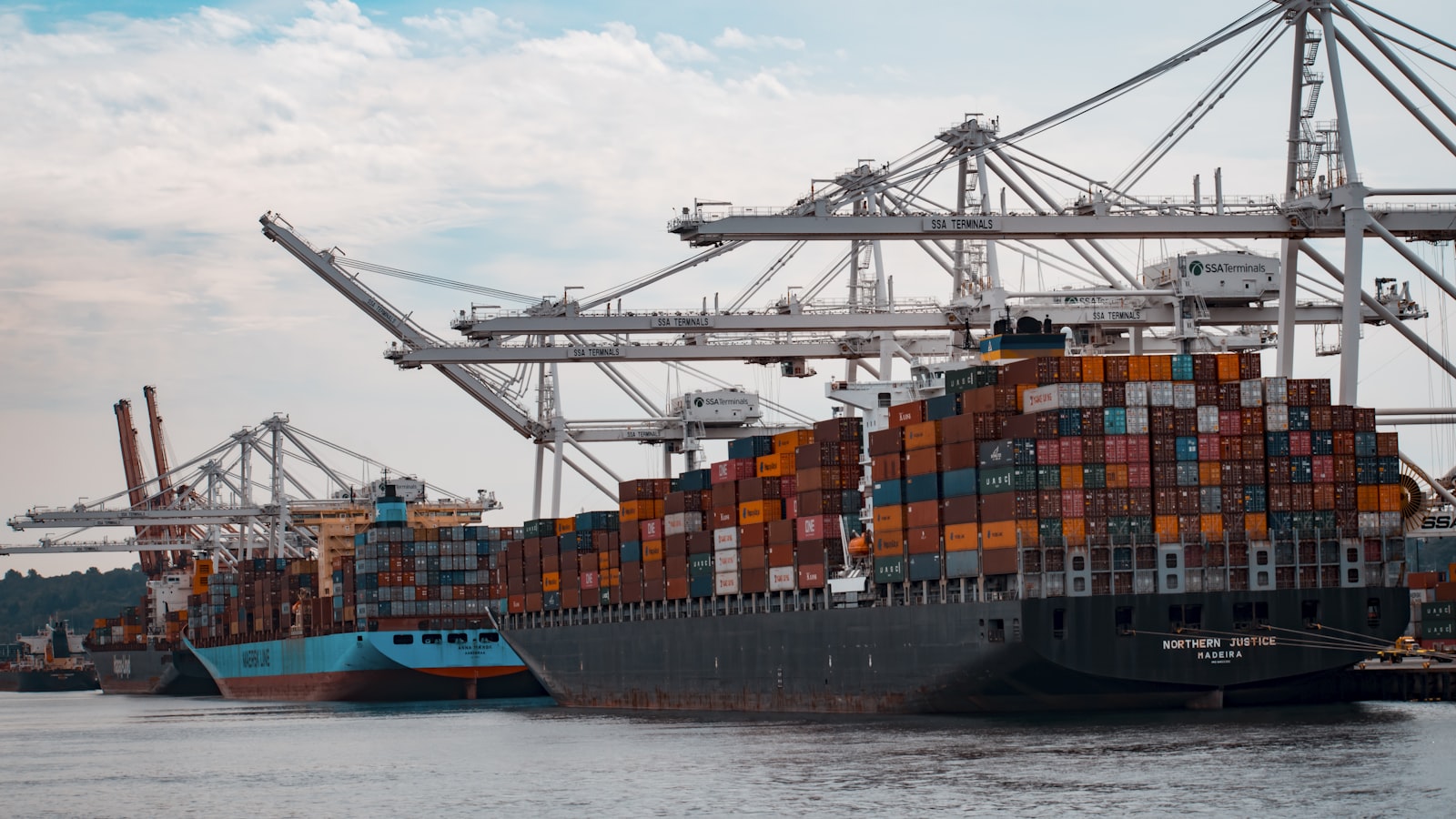
An Incoterm is a three-letter answer to two questions: who pays for each leg of the journey, and where does the risk of loss transfer from seller to buyer? For aroma buyers sourcing from China, four terms cover nearly every order: EXW, FOB, CIF and DDP.
EXW: maximum control, maximum work
Under Ex Works, your supplier’s obligation ends at the factory door — the goods are made available, and everything else is yours: inland trucking, export customs clearance in China, ocean freight, import clearance, final delivery. EXW quotes look cheapest on paper, but export clearance in China requires a licensed exporter of record, so most buyers end up paying a freight agent to handle it anyway. EXW suits experienced importers with their own forwarder who want to consolidate several suppliers into one container.
FOB: the workhorse for aroma sourcing
Free On Board means the supplier delivers the goods onto the vessel at the named port — Shenzhen, Shanghai, Ningbo — and handles export clearance. Risk transfers once the goods are on board; from there, freight, insurance and import costs are yours. FOB is the default for most OEM candle and oil orders because it splits responsibilities at a natural point: the supplier is best placed to clear Chinese export customs, and you control the ocean leg with your own forwarder. Quotes should always name the port — “FOB Shenzhen” and “FOB Qingdao” are different prices.
CIF: one contact, hidden limits
Cost, Insurance and Freight adds the ocean freight and a minimum insurance cover (typically 110 percent of invoice value under Institute Cargo Clauses C) to the supplier’s responsibilities. CIF simplifies things for smaller buyers, but note the trap: risk still transfers at the port of loading, not at destination. If a pallet of diffusers is damaged mid-ocean, you claim against the insurance the supplier arranged — you do not claim against the supplier. CIF suits first-time importers and orders too small to negotiate strong freight rates, but compare the supplier’s freight markup against your forwarder’s quote before accepting.
DDP: door-to-door simplicity
Delivered Duty Paid puts everything on the supplier: freight, insurance, import clearance, duties and delivery to your warehouse. You receive one all-in price per unit. The trade-offs are cost and control — suppliers price DDP with a margin on freight and duties, and you lose visibility into the actual duty paid, which matters for your accounting. DDP is common for sample shipments, small air-freight orders and Amazon FBA deliveries, where the supplier’s agent handles destination formalities.
Choosing the right term
A useful rule of thumb: DDP for samples and small parcels, CIF for first orders of a few pallets, FOB once your volumes justify your own forwarder, and EXW only when you are consolidating multiple factories. Whichever term you agree, write it into the purchase order with the named place — “FOB Shanghai, Incoterms 2020” — because an unnamed term is a dispute waiting to happen.
Incoterms do not change the goods you receive, but they change who carries the risk at every kilometre. Pick the term that matches your logistics capability, not just the lowest quote, and the shipping process becomes predictable.