Sourcing & Procurement
Shelf Life Testing for Fragrance Products: What Buyers Should Require

A reed diffuser that clouds at month four. An essential oil blend that oxidizes and smells rancid by summer. A candle whose fragrance fades to almost nothing before it ever reaches a retail shelf. These failures are not rare, and they are almost always preventable. The difference between a product that lasts 24 months and one that fails at 6 months is whether stability testing happened before bulk production or after the customer complaints arrived.
This guide explains what shelf life testing actually involves for fragrance products, what it costs, and what documentation B2B buyers should require from any manufacturer before placing an order.
Why Shelf Life Matters More in Fragrance Than Most Categories
Fragrance products are chemically active. Unlike a ceramic mug or a phone case, they change over time: essential oils oxidize when exposed to light, heat, and oxygen (altering scent and potentially increasing skin-sensitization potential), fragrance oils can separate from carriers or react with packaging, candles can lose scent throw or develop frosting and discoloration, and alcohol-based sprays can degrade label adhesives and cap liners.
A product that smells perfect at the factory can be unrecognizable after six months in a warm warehouse. Retailers know this. Major chains increasingly require documented stability data before listing a fragrance product, and a single batch failure can cost you a retail relationship worth far more than the testing fee you skipped.
The Two Types of Testing
Real-time stability testing stores the product under normal conditions and checks it at intervals over its intended shelf life. A 24-month claim requires 24 months of real-time data, which is definitive but rarely practical for product launches.
Accelerated stability testing stores the product at elevated temperature and humidity to compress aging, following ICH Q1A guidelines adapted for consumer goods: 40C +/- 2C and 75% relative humidity for 3-6 months, which approximates 12-24 months of real-time aging, with samples pulled at 0, 1, 2, 3, and 6 months for evaluation.
Most fragrance manufacturers run accelerated testing as the primary method and back it up with ongoing real-time data on retained samples.
What to Test For
A proper stability protocol evaluates multiple parameters across the product and its packaging.
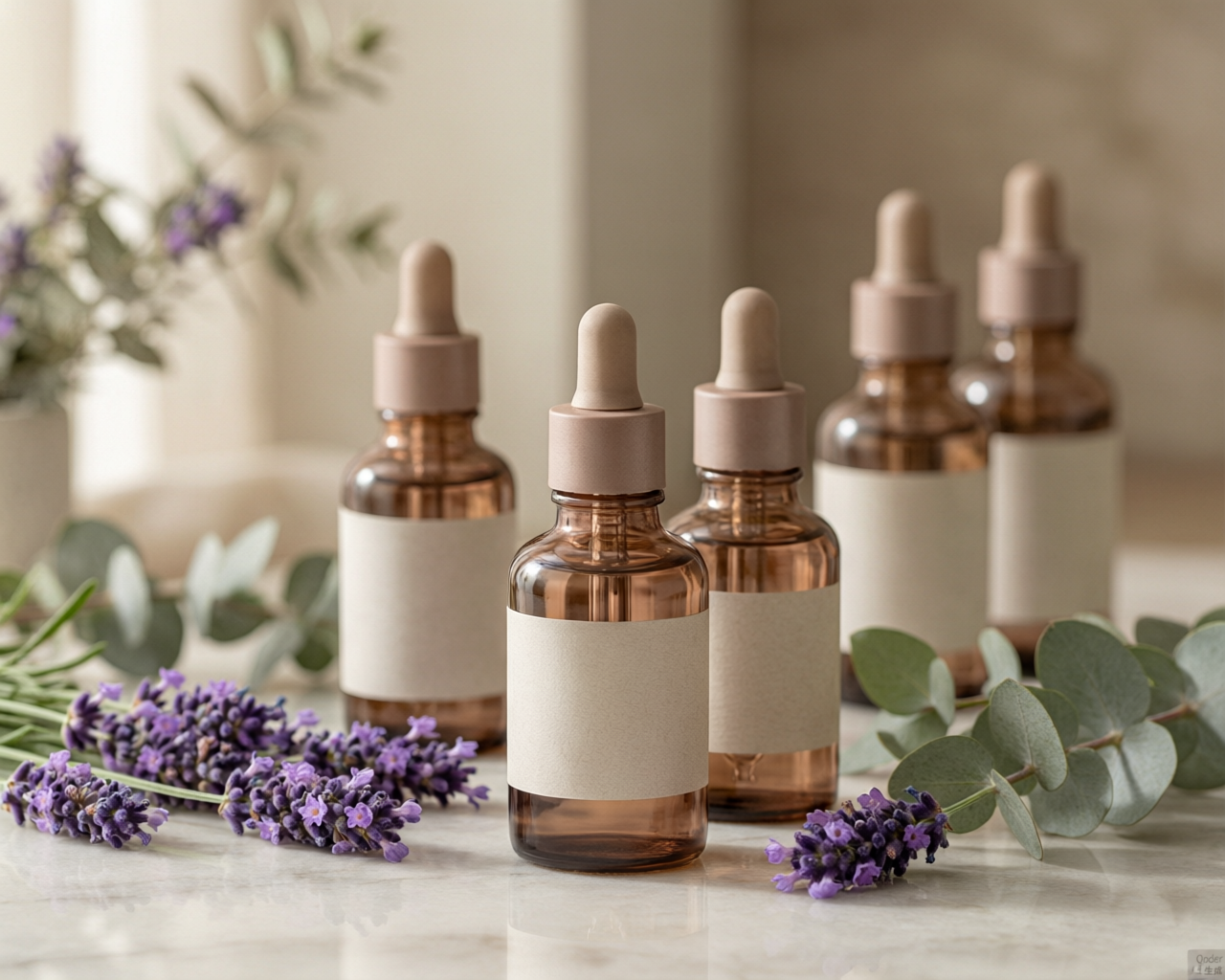
For essential oils and fragrance oils: track appearance (color change, cloudiness, precipitation), odor (character shift, intensity loss, off-notes), specific gravity and refractive index against the original spec, peroxide value for oxidation-prone oils like citrus, and GC-MS fingerprint comparison to detect chemical changes.
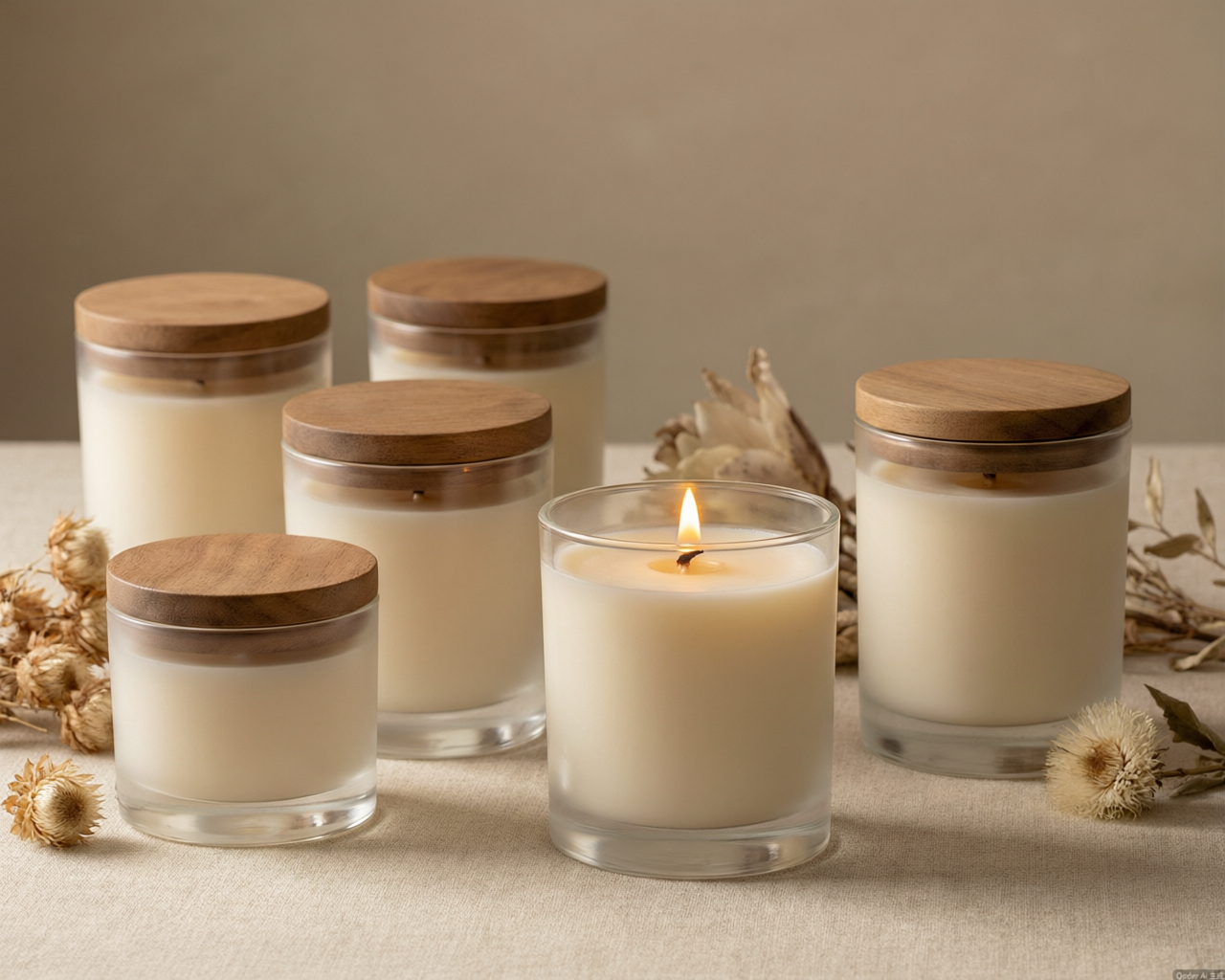
For candles: monitor fragrance throw (cold and hot) at intervals, wax appearance (frosting, cracking, discoloration, oil sweating), burn performance (flame height, soot, melt pool), and wick integrity and centering.
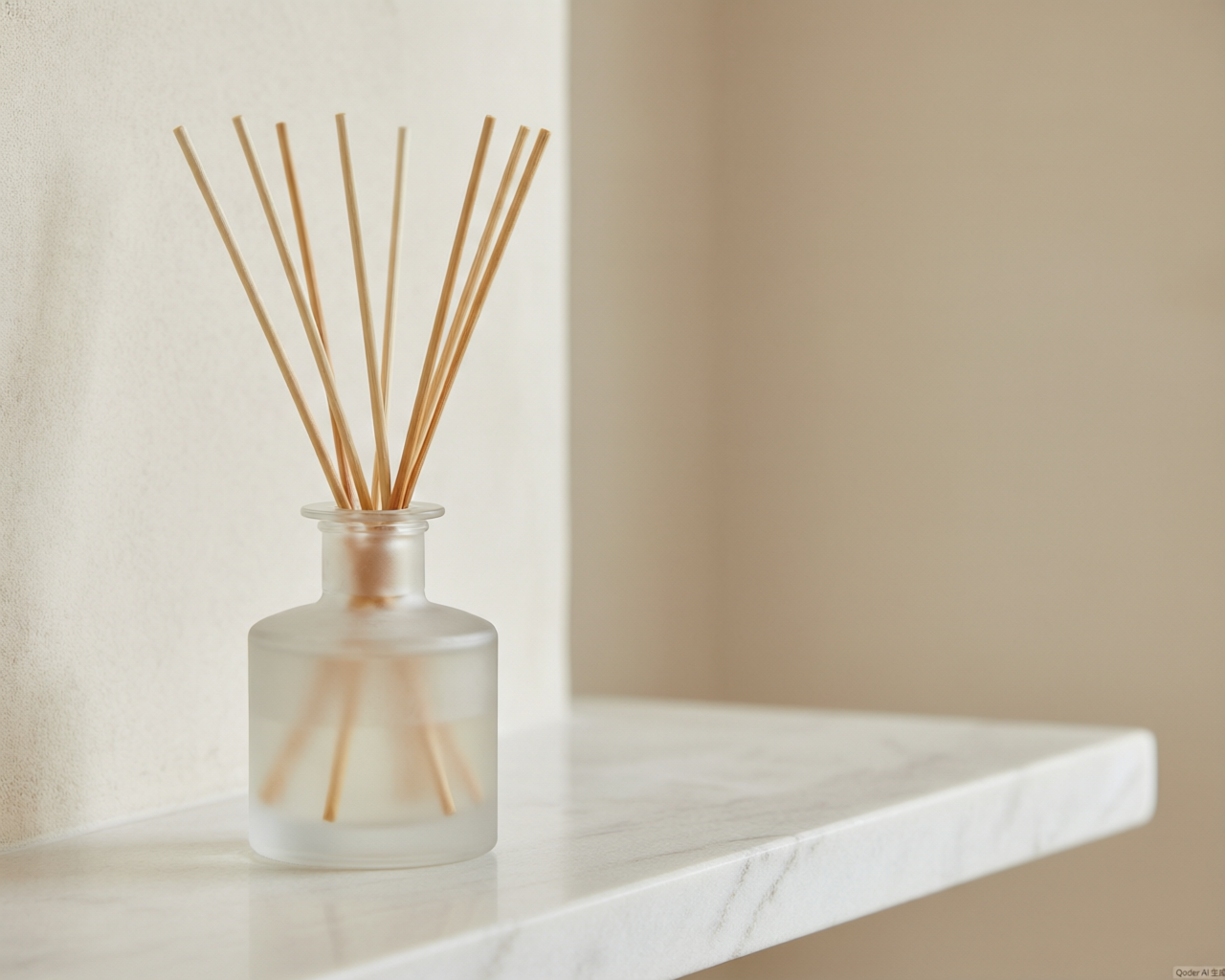
For reed diffusers: check liquid clarity and color, scent throw intensity, reed absorption and clogging, evaporation rate, and interaction with the bottle, cap, and label.
For packaging compatibility: verify label adhesion and print legibility, cap and liner integrity, any leaching or deformation of plastic components, and seal integrity under temperature cycling.
Timelines and Costs
| Test Type | Duration | Typical Cost per SKU |
|---|---|---|
| Accelerated stability (3 months at 40C) | 12-14 weeks | $150-$350 |
| Accelerated stability (6 months at 40C) | 26-28 weeks | $280-$500 |
| Packaging compatibility | 4-8 weeks | $100-$250 |
| Real-time stability (24 months) | 24 months | $400-$800 (ongoing) |
| Third-party certification (SGS, Intertek) | 12-16 weeks | $400-$900 |
For a 5-SKU fragrance line, a complete accelerated stability and compatibility program costs $1,500-$3,500 and takes 3-4 months. This is a fraction of the cost of a recall, which runs $25,000-$80,000 in logistics alone for a mid-size shipment.
What Documentation to Require from Your Supplier
Before approving bulk production, request a stability test report showing the protocol, conditions, time points, and results for each parameter (with photos and numerical data, not just a pass/fail statement); a Certificate of Analysis for the fragrance oil including GC-MS data where relevant; packaging compatibility confirmation that the formula was tested in the actual container, cap, and label used for sale; a recommended shelf life statement with storage conditions (e.g., “24 months when stored below 25C away from direct light”); and a batch retention policy confirming the factory keeps retained samples from each production batch for the full shelf life period.
A manufacturer that cannot provide these documents has not done the testing. Do not accept verbal assurances. The paperwork is the proof.
Building Testing Into Your Sourcing Timeline
Stability testing should run in parallel with sample approval, not after it. A realistic timeline runs sample development and scent approval in weeks 1-4, accelerated stability and compatibility testing (in parallel with regulatory documentation) in weeks 4-18, review of test results and finalization of the shelf life claim and packaging in weeks 16-20, and bulk production with pre-shipment inspection in weeks 20-26.
If you wait until after bulk production to test stability, you face a 3-4 month delay before you can ship, or you ship without data and accept the risk. Neither is acceptable. Plan the testing into the critical path from the start.
Market-Specific Expectations
In the European Union, stability data is expected under the General Product Safety Regulation and required for any product making cosmetic claims. In the United States, the FDA expects cosmetics to be substantiated as safe, including stability evidence for products that change over time, and MoCRA (2022) raised documentation expectations. Australia’s NICNAS and ACCC expect products to remain safe throughout their stated shelf life. Across all markets, retailers like Sephora, Target, and Boots often require 12-month minimum remaining shelf life at delivery plus documented stability data to support the claim.
Red Flags in Supplier Testing Claims
Watch for claims like “our products last 3 years” with no test report to support them, stability reports that show only a final pass/fail with no intermediate data, testing done at room temperature only with no accelerated protocol, no retained sample program, or a refusal to share raw data while offering only a summary letter. These gaps do not always indicate bad faith, but they indicate a manufacturer that has not invested in the systems export buyers need. Walk away or require them to commission third-party testing at their cost before you commit.
Final Advice
Shelf life testing is the cheapest insurance in the fragrance business. A $300 accelerated stability test per SKU protects a $20,000 order and a retail relationship that may be worth ten times that. Require documented testing from every supplier, build it into your timeline, and never ship a product whose shelf life claim rests on assumption rather than data. The brands that endure in fragrance are the ones whose products smell as good at month eighteen as they did at month one, and that consistency is tested, documented, and verified before the first unit leaves the factory.