Packaging & Design
The Packaging Guide for Candle & Diffuser Brands

Packaging is the first product your customer touches — and for candles, reed diffusers, and essential oils, it is also a safety system, a scent barrier, and a silent salesperson. Get it wrong and you deal with broken vessels, oxidized fragrance, and labels that fail customs. Get it right and your unboxing does half your marketing.
Why packaging matters for aroma products
Aroma packaging has to do four jobs at once, and they sometimes conflict:
- Protection. Glass breaks, wax blooms in temperature swings, and reeds snap in transit. Packaging must survive ocean freight and courier drops — not just a photoshoot.
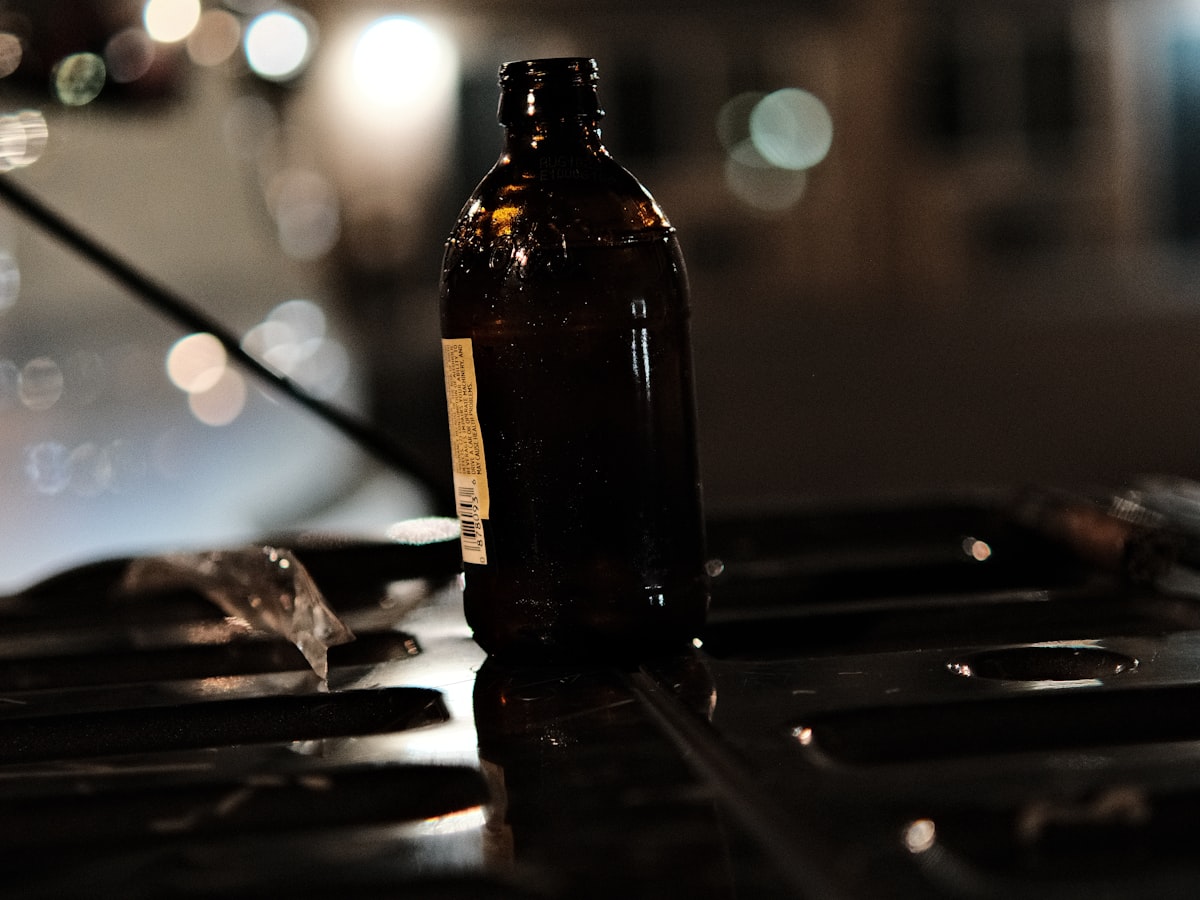
- Scent integrity. Fragrance compounds degrade under UV light, heat, and oxygen. Amber glass, airtight closures, and opaque boxes slow that process.
- Shelf presence. You get about three seconds of retail attention. Vessel shape, typography, and box finish carry your brand before anyone reads a word.
- Unboxing. For DTC brands, the parcel is the store. Texture, inserts, and small rituals turn a first order into a repeat one.
Primary packaging: vessels and containers
Primary packaging is anything that touches the product — where most of your unit cost and quality risk lives.
Candle vessels
| Vessel | Best for | Watch out for |
|---|---|---|
| Soda-lime glass jar | Signature home candles | Specify 4–6 mm walls and heat tolerance |
| Amber / colored glass | Premium, apothecary look | Approve a physical sample per furnace batch |
| Metal tin | Travel and gift sets | Dents in shipping; line for wax compatibility |
| Ceramic | Luxury tier | Porous glazes stain; verify the seal |
Diffuser bottles
Reed diffusers need a narrow neck (15–25 mm) so reeds sit upright and evaporation stays controlled. Specify an oil-resistant cap liner (PE or PVDC) — untreated caps swell after fragrance contact — and a heavy base against tipping.
Essential oil bottles
- Amber glass (Type III) is the standard: it blocks the UV wavelengths that oxidize citrus and floral notes.
- PET or HDPE suits larger or travel formats — but confirm compatibility per oil; citrus can attack certain plastics.
Decide wick details early: wick length and tab size match vessel diameter and wax type, and switching vessels means re-testing your burn profile. Our product catalog shows formats our wick program already covers.
Secondary packaging: boxes and sleeves
Secondary packaging protects the primary and carries your brand story.
- Rigid boxes. 2 mm greyboard wrapped in printed paper — the luxury benchmark, at 3–6x the cost of a folding carton.
- Folding cartons. 300–400 gsm SBS or recycled board: the workhorse — good print quality, flat shipping.
- Kraft. A natural look for eco positioning — but whites print as cream.
- Sleeves. A printed sleeve over a plain box gives a premium look at carton pricing, and seasonal designs need no new tooling.
Finishes, and what they really cost:
| Finish | Effect | Cost impact |
|---|---|---|
| Soft-touch laminate | Velvety matte feel | +10–20% on box cost |
| Emboss / deboss | Raised or recessed logo | One-time die; cheap at volume |
| Foil stamping | Metallic accent | One-time die + foil; small areas |
| Spot UV | Glossy contrast on matte | Moderate; needs laminated base |
A cost-smart recipe: folding carton + soft-touch + one foil accent — premium feel without rigid-box pricing.
Labeling requirements: what your label must carry
This is the section that keeps your goods out of trouble at customs. Rules differ by market and product type, so treat the below as practical orientation, not legal advice — and have final artwork checked by a regulatory specialist for your target market before printing.
European Union
Candles and reed diffusers sold in the EU are mixtures under the CLP Regulation (EC 1272/2008), and most fragrance blends trigger classification. A typical label needs:
- UFI code — the 16-character Unique Formula Identifier, notified to ECHA before sale.
- GHS pictograms (exclamation mark, flame…) and a signal word — “Danger” or “Warning” — per your mixture’s classification.
- Hazard (H) and precautionary (P) statements, e.g. “May cause an allergic skin reaction.”
- Fragrance allergen disclosure — allergens like linalool or limonene above threshold concentrations; the list is longer still for leave-on oils under the Cosmetics Regulation.
- EU responsible person / importer name and address — non-EU brands must appoint one.
- Nominal content (metric), a batch code, and CLP-compliant pictogram sizes.
United States
- ASTM F2058 — the candle fire-safety standard: the burn-warning pictogram on the vessel.
- FHSA cautionary labeling where applicable.
- California Proposition 65 warnings for listed chemicals above safe-harbor levels.
- Identity statement, net weight (dual units), and manufacturer or distributor name and address.
- No federal ingredient-listing requirement for candles — but retailers increasingly expect allergen transparency.
Label checklist before you approve artwork
- Product identity and scent variant
- Net content in market-required units
- CLP pictograms, signal word, H/P statements, UFI (EU)
- Allergen list where thresholds are exceeded
- ASTM F2058 burn warning and Prop 65 warning where applicable (US)
- Responsible person / importer name and address
- Batch code and country of origin
Our private-label service reviews label layouts against your SDS before anything goes to press.
Design and the unboxing experience
Premium aroma brands rarely win with loud graphics — they win with texture and restraint:
- Texture first. Soft-touch laminate, debossed logos, and textured papers register as quality before color does.
- Inserts with a job. A fitted insert protects the vessel and creates a reveal moment; a scent-notes card explains top, heart, and base notes.
- Scent storytelling. Extend the fragrance narrative onto the box — oil origin, burn time, usage rituals.
- Keep it shippable. Design to your carton’s dimensional weight and drop-test the packed unit (ISTA 3A is a good reference). A crushed box is a refund, not a brand moment.
Sustainability options and their real trade-offs
- Recyclable glass. Infinitely recyclable and your strongest sustainability story — but weight raises freight cost per unit.
- FSC-certified paper and board. Widely available at a small premium (often 5–10%) — ask for the chain-of-custody certificate, not just the claim.
- Soy-based inks. Easier de-inking in recycling, negligible cost difference — an easy win.
- Refillable vessels. A well-made jar plus refill pouches builds loyalty — but plan for compatibility testing and honest lifecycle math; refills only help if customers return.
- Avoid greenwashing. Vague claims like “eco-friendly” invite scrutiny under EU green-claims rules and the FTC Green Guides. Be specific: “FSC-certified board,” “100% recyclable glass.”
How packaging choices affect MOQ and unit cost
Every custom element adds tooling and raises your minimum order:
- Custom vessel molds carry the highest barrier — mold fees plus minimums of several thousand units per SKU; stock vessels avoid this entirely.
- Custom boxes need print plates and, for emboss or foil, dies — one-time costs, but per-SKU: a ten-scent range multiplies them.
- Labels are the cheapest lever. Digital printing keeps short runs viable, which is why many brands start with stock vessel + custom label + sleeve.
A sensible ladder: stock vessel → custom label → custom sleeve → custom box → custom mold. Each step up should be funded by proven volume. When you request a quote, ask for pricing at two or three packaging tiers — deltas are usually smaller than you expect.
Your packaging brief: what to send your manufacturer
A complete brief gets you an accurate quote in days, not weeks:
- Product type, fill volume, and fragrance load
- Target markets — this drives labeling
- Vessel preference or reference photos; dimension and weight targets
- Box style, board spec, and finish wishlist
- Label dieline (or ask your manufacturer to supply one)
- Artwork files: AI/PDF, outlined fonts, linked images
- SDS and allergen documentation for your fragrance
- Target unit cost and annual volume forecast
Final thoughts
Packaging is a system: vessel, closure, box, and label together decide your landed cost, your compliance posture, and your customer’s first impression. Start with the product’s physical needs, layer brand expression on top, and let regulation set the non-negotiables.
Ready to spec your next run? Browse our formats, see how our OEM program works, or talk to our team about your brief.