Industry Verticals
Spa & Wellness Center Fragrance: Aromacology for Treatment Rooms
Procurement managers at spa and wellness brands face a deceptively complex sourcing challenge. The fragrance in a treatment room is not a cosmetic afterthought — it is a functional element of the guest experience that influences perceived treatment efficacy, session duration satisfaction, and repeat booking rates. Yet most buyers approach spa fragrance the same way they approach retail candles: pick a pleasant scent, negotiate a unit price, and ship. The result is a generic lavender note that evaporates within twenty minutes of a massage session, or worse, a synthetic blend that triggers client headaches and negative reviews.
The gap between “smells nice” and “therapeutically effective” is where aromacology — the applied science of scent’s measurable effects on mood, cognition, and physiological stress markers — becomes a procurement specification rather than a marketing claim. This guide breaks down how to source, specify, and deploy treatment room aromatherapy products at commercial scale, whether you operate three boutique studios or a 40-location wellness chain. Every recommendation below reflects real production parameters from Chinese OEM fragrance manufacturing, with cost ranges and lead times you can take directly to your budget meeting.
The Science Buyers Need to Specify
Aromacology differs from aromatherapy in one critical way for procurement: it demands measurable outcomes. Aromatherapy relies on traditional usage claims; aromacology requires documented physiological or psychological responses. When writing your product brief, specify the target response category rather than just a scent family.
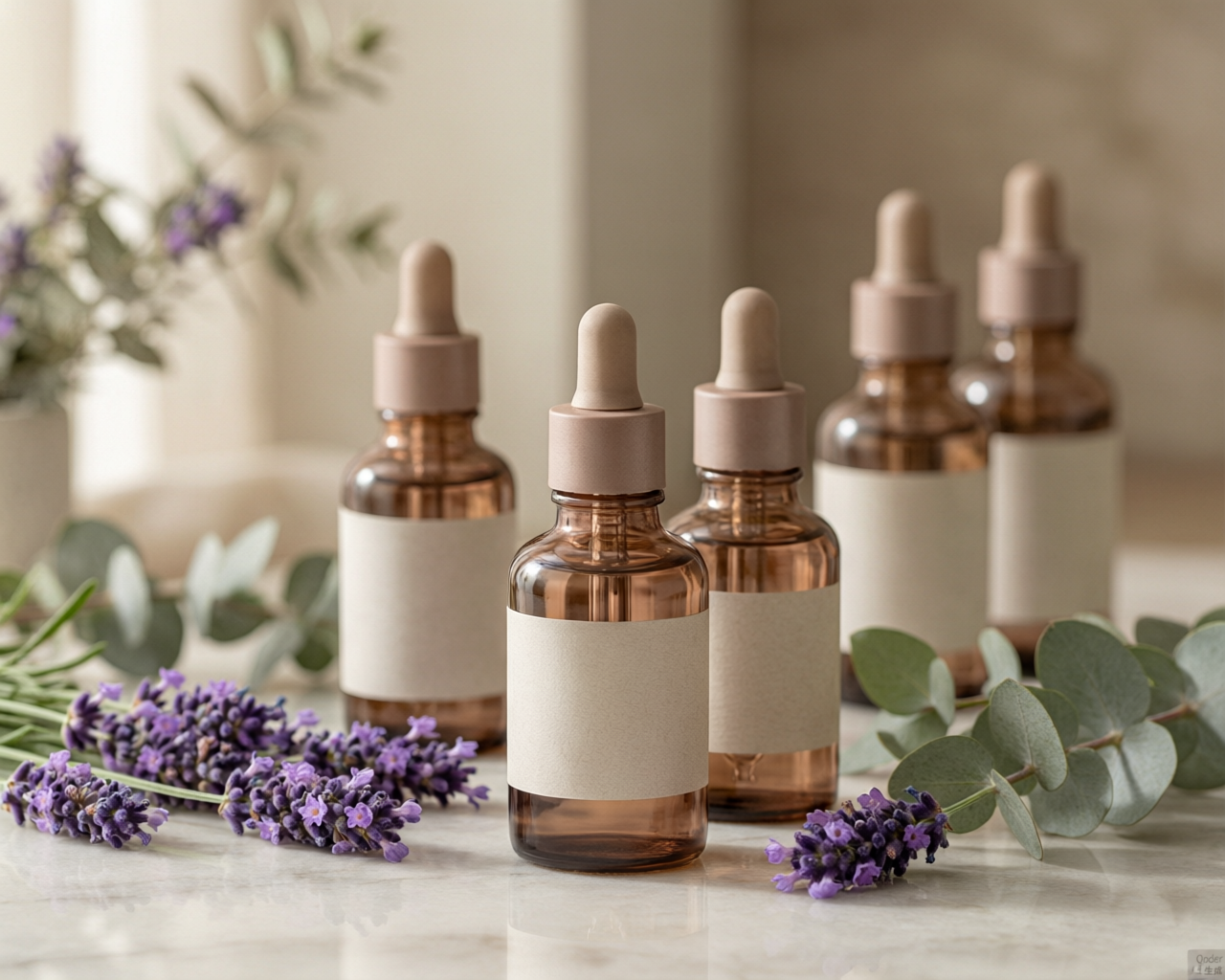
- Sedation and cortisol reduction: Lavender (linalool 25-45%), chamomile, and sandalwood blends. Target use: massage rooms, float tanks, post-treatment rest areas.
- Alertness and cognitive clarity: Peppermint, rosemary, citrus (limonene-dominant). Target use: reception areas, fitness-adjacent studios, morning class rooms.
- Emotional balance and grounding: Frankincense, cedarwood, vetiver. Target use: meditation rooms, sound healing spaces, yoga cool-down zones.
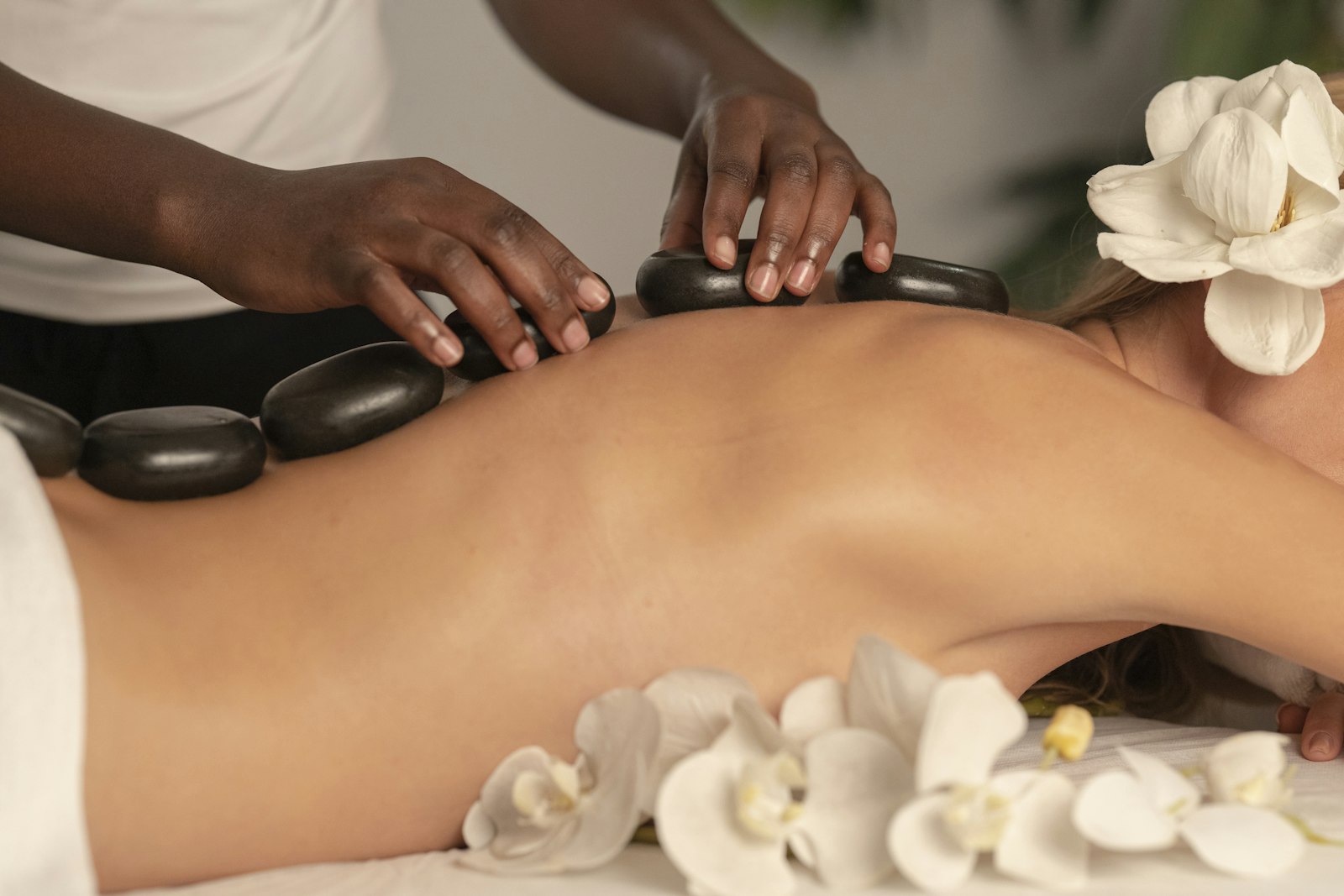
- Energizing warmth: Ginger, black pepper, cinnamon leaf (use below 0.5% concentration in enclosed spaces). Target use: hot stone rooms, infrared sauna transitions.
Request GC-MS (gas chromatography-mass spectrometry) reports from your supplier for every batch. A reputable OEM like Aromiso provides these as standard documentation. If a supplier cannot produce a GC-MS certificate showing active compound percentages, they are blending from pre-made fragrance oils with no quality traceability.
Scent Zoning: Mapping Fragrance to Facility Layout
A single-fragrance approach across an entire facility flattens the guest journey. Leading wellness operators deploy 3-5 distinct scent zones, each calibrated to the activity and emotional state expected in that space.
- Reception and retail (Zone 1): Light, uplifting citrus-herbal blends at 0.3-0.5 mg/m3 ambient concentration. Purpose: signal cleanliness, reduce wait-time anxiety.
- Transition corridors (Zone 2): Neutral or barely perceptible green tea or white musk. Purpose: olfactory palate cleanser between zones.
- Treatment rooms (Zone 3): Therapeutic-grade essential oil blends at 0.8-1.2 mg/m3. Purpose: direct physiological support for the treatment modality.
- Wet areas — sauna, steam, pool (Zone 4): Eucalyptus, tea tree, or pine at higher concentration (1.5-2.0 mg/m3) to complement humidity and mask chlorine. Purpose: respiratory comfort and hygiene perception.
- Rest and recovery lounges (Zone 5): Deep, warm base notes — amber, tonka, soft woods — at low concentration (0.2-0.4 mg/m3). Purpose: parasympathetic activation, extended dwell time.
Document your zone map before requesting samples. Suppliers can formulate zone-specific blends more efficiently when they understand the spatial logic, reducing your sampling rounds from four or five down to two.
Delivery System Comparison for Commercial Spaces
The product format determines installation cost, maintenance labor, scent consistency, and refill frequency. Below is a side-by-side comparison for a standard 20 m2 treatment room operating 8 hours daily.
| Delivery System | Unit Cost (FOB) | Coverage | Refill Cycle | Maintenance Labor | Best For |
|---|---|---|---|---|---|
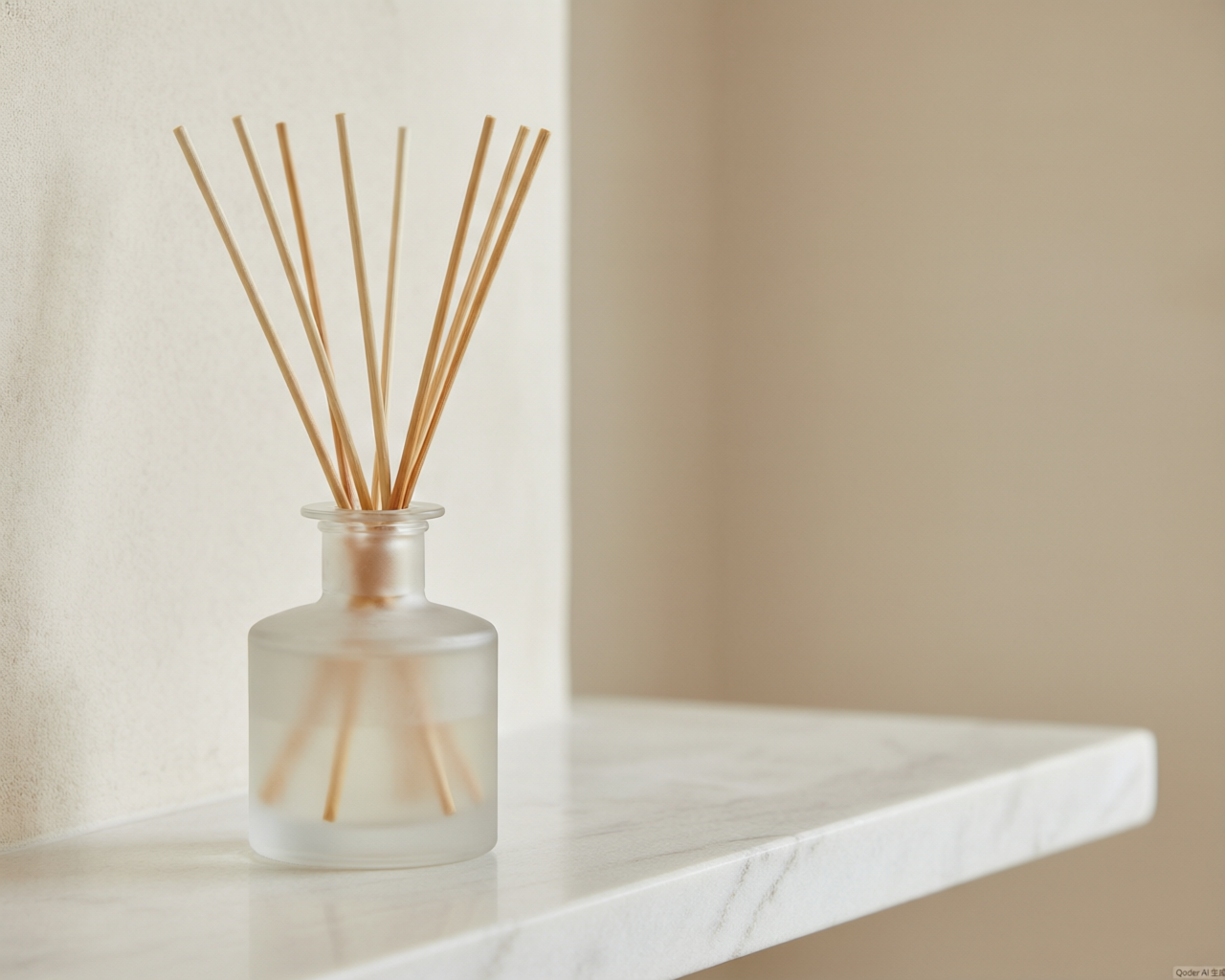
| Reed diffuser (200 ml) | $3.50-$6.00 | 10-15 m2 | 4-6 weeks | Minimal (flip reeds weekly) | Boutique rooms, low-traffic zones |
| Scented candle (300 g) | $4.00-$8.50 | 8-12 m2 | 40-60 burn hours | Moderate (trim wick, monitor) | Ambiance-focused studios |
| Electric ultrasonic diffuser | $12.00-$28.00 + oil | 20-40 m2 | 8-12 hours per fill | Moderate (daily water change) | Multi-room facilities |
| HVAC-connected nebulizer | $85.00-$220.00 + oil | 100-500 m2 | 2-4 weeks per cartridge | Low (monthly check) | Large spas, hotel wellness floors |
| Passive ceramic diffuser | $2.00-$4.50 | 5-8 m2 | 3-5 weeks | None | Lockers, small treatment nooks |
For a 10-room spa running HVAC nebulizers in corridors and reed diffusers in individual treatment rooms, expect an annual fragrance consumable budget of $4,200-$7,800 depending on blend complexity and order volume.
Sourcing From Chinese OEM Suppliers: What to Demand
China produces an estimated 70% of the world’s reed diffusers and decorative fragrance products. The supplier landscape ranges from trading companies relabeling generic stock to vertically integrated manufacturers controlling formulation, vessel production, and packaging. For spa-grade products, vet suppliers against this checklist:
- Formulation capability: Can they develop custom blends from a brief, or only replicate existing formulas? Custom spa fragrance typically requires 2-3 sampling rounds at $80-$150 per round, credited against bulk orders.
- Certifications: Require IFRA compliance documentation, MSDS/SDS sheets, and (for EU-bound goods) CLP labeling readiness. For the US market, confirm California Prop 65 screening.
- Minimum order quantities: Custom-blend reed diffusers typically start at 500-1,000 units per SKU. Candles with custom scent: 1,000-3,000 units. Essential oil blends in bulk: 50-100 kg per formula.
- Lead times: Sample development takes 10-15 business days. Bulk production runs 25-35 days after approval. Add 18-25 days for ocean freight to North America or Europe.
- Vessel and packaging options: Confirm whether the supplier manufactures glass in-house or sources externally. In-house glass production (as Aromiso maintains) reduces lead time variability by 7-10 days and allows custom mold work at volumes above 5,000 units.
Review the product catalog to assess available formats before initiating a custom brief. If your brand requires private-label packaging with your own vessel design, the OEM program outlines tooling costs and exclusivity terms.
Regulatory and Safety Compliance
Spa fragrance products sit at the intersection of cosmetics regulation, workplace safety (staff exposure over 8-hour shifts), and public accommodation standards. Non-compliance risks product seizure at customs and liability exposure.
- IFRA standards (51st Amendment): Restricts or bans specific materials. For example, oakmoss absolute is limited to 0.1% in leave-on products; several nitro-musks are prohibited entirely. Your supplier must formulate within these limits and provide a certificate of IFRA conformity per blend.
- EU CLP and REACH: Any product entering the EU requires a CLP-compliant label with hazard pictograms, H/P statements, and a UFI code registered with the relevant poison center. Budget $300-$600 per SKU for regulatory documentation if your supplier does not provide it.
- US OSHA and state rules: Staff in enclosed treatment rooms experience chronic low-level exposure. Request a workplace exposure assessment for any blend containing materials with established OELs (occupational exposure limits), particularly linalool, limonene, and eugenol.
- Allergen declaration: The EU mandates declaration of 26 (expanding to 80+) fragrance allergens above 0.001% in leave-on products. Even if you sell B2B to spas rather than retail, your spa clients may need this data for their own consumer-facing disclosures.
Build a compliance matrix into your supplier agreement. Aromiso’s documentation package includes IFRA certificates, SDS sheets, and allergen declarations as standard deliverables with every production batch.
Cost Modeling: From Unit Price to Total Cost of Ownership
A $4 reed diffuser is not a $4 cost. Procurement teams that model total cost of ownership (TCO) avoid budget overruns and supplier-switching surprises.
- Product cost (FOB): $3.50-$8.50 per unit for spa-grade reed diffusers, depending on oil concentration (10-25% fragrance load), vessel material, and packaging tier.
- Freight and duties: Ocean freight from Shenzhen or Ningbo to Los Angeles runs $0.35-$0.60 per unit (LCL) at current rates. EU import duty on prepared perfumery (HS 3307.49) is 6.5%. US duty is 4.9% plus potential Section 301 tariffs — verify current rates before ordering.
- Customs brokerage and compliance: $150-$400 per shipment for brokerage. Add $200-$500 for first-time regulatory filing if entering a new market.
- Storage and distribution: If you do not operate a warehouse, third-party fulfillment adds $0.80-$1.50 per unit per month.
- Replacement cycle cost: A 200 ml reed diffuser in a climate-controlled treatment room lasts 4-6 weeks. For 10 rooms, that is 100-130 units per year in consumables alone.
At a 2,000-unit annual volume, a mid-range custom blend in a branded glass vessel with retail-ready packaging lands at approximately $5.80-$7.20 all-in per unit (FOB + freight + duty) for North American delivery.
Implementation Timeline: From Brief to Guest Experience
Plan a 14-18 week timeline from initial brief to product deployment across your locations. Compressing below 12 weeks risks quality shortcuts.
- Weeks 1-2: Finalize scent zone map, target response profiles, and budget envelope. Issue brief to 2-3 shortlisted suppliers.
- Weeks 3-5: Receive initial samples (typically 3-5 blend options per zone). Conduct blind panel testing with staff and a small client cohort. Score on intensity longevity, therapeutic perception, and brand alignment.
- Weeks 6-7: Select finalists. Request revised samples with adjustments. Confirm vessel, label, and packaging specs.
- Weeks 8-9: Approve final samples. Sign production agreement with QC inspection terms (AQL 2.5 for cosmetic-grade goods is standard).
- Weeks 10-14: Bulk production. Schedule a mid-production inspection or request photo/video evidence of filling and labeling.
- Weeks 15-18: Ocean transit, customs clearance, inland delivery. Stagger delivery to locations if rolling out across multiple sites.
For seasonal refreshes (e.g., a winter warming blend replacing a summer citrus profile), initiate the brief 20 weeks ahead of the target switch date to accommodate holiday-season production congestion at Chinese factories (October-January peak).
Quality Control and Batch Consistency
Scent drift between production batches erodes brand trust faster than any other defect. Guests notice when “their” massage room smells different from last month.
- Require a retained sample program: Your supplier should retain 3 sealed reference samples per production batch for 24 months. Ship one to your office for side-by-side comparison against incoming goods.
- Specify acceptable variance: Define odor intensity tolerance (typically plus or minus 10% on a standardized sniff strip at 24-hour evaporation) and color tolerance (Delta E less than 2.0 if using tinted oils).
- Mandate GC-MS per batch: Not just per formula approval. Raw material lots vary seasonally — a lavender harvest in August differs from one in June. Batch-level GC-MS catches drift before it ships.
- Inspect packaging integrity: Reed diffuser caps must pass a 48-hour inverted leak test. Candle vessels require thermal shock testing (pour at 65C, cool to 5C, repeat 3 cycles). Request test reports or conduct your own at a third-party lab ($120-$250 per test).
Next Steps
If you are specifying spa fragrance for the first time or re-evaluating an existing supplier, start with three actions this week:
- Map your facility into scent zones and assign a target physiological response to each. Even a rough sketch with five zones gives your supplier enough to formulate meaningful samples.
- Request your current supplier’s IFRA certificates and GC-MS reports for the blends you are running. If they cannot produce them within five business days, that is your answer.
- Issue a structured brief to at least two OEM manufacturers. Include zone specifications, target concentration ranges, regulatory markets, annual volume projections, and packaging requirements.
Aromiso supports spa and wellness brands with custom formulation, private-label manufacturing, and full regulatory documentation across reed diffusers, scented candles, essential oil blends, and commercial diffuser systems. Browse the product catalog for format options, explore the OEM program for custom development terms, or request a quote with your zone map and volume targets for a detailed proposal within 3 business days.