Market Entry
India's Booming Home Fragrance Segment: Sourcing & Distribution Guide

India’s home fragrance market is projected to cross USD 1.2 billion by 2028, growing at a CAGR of roughly 12–14 percent. Yet most international and domestic brands entering this space still source 70–80 percent of their finished goods — reed diffusers, scented candles, car fragrances, commercial-grade diffuser machines — from Chinese OEM factories. The gap between demand and local manufacturing capacity creates a clear window for brands that can pair reliable China-based sourcing with smart Indian distribution.
The challenge for procurement teams is not finding a supplier; it is navigating India’s import duties (landed cost runs 25–35 percent above FOB), BIS compliance grey areas, fragmented last-mile logistics across 28 states, and a consumer base that anchors price expectations to the incense stick category. This guide walks through the numbers, the regulatory landscape, and the distribution models that actually work for B2B fragrance sellers targeting India in 2026 and beyond.
Market sizing and category opportunity
India’s fragrance consumption is deeply cultural — the incense market india segment alone is valued at approximately USD 500 million, with over 1,500 agarbatti manufacturers concentrated in Karnataka, Maharashtra, and Tamil Nadu. But the premium home fragrance segment (reed diffusers, luxury candles, electric diffusers) is a different animal:
| Category | Est. market value (2025) | Growth rate | Avg. retail price (INR) | Import dependency |
|---|---|---|---|---|
| Agarbatti / incense sticks | USD 480–520 M | 6–8% | 10–80 | Low (domestic) |
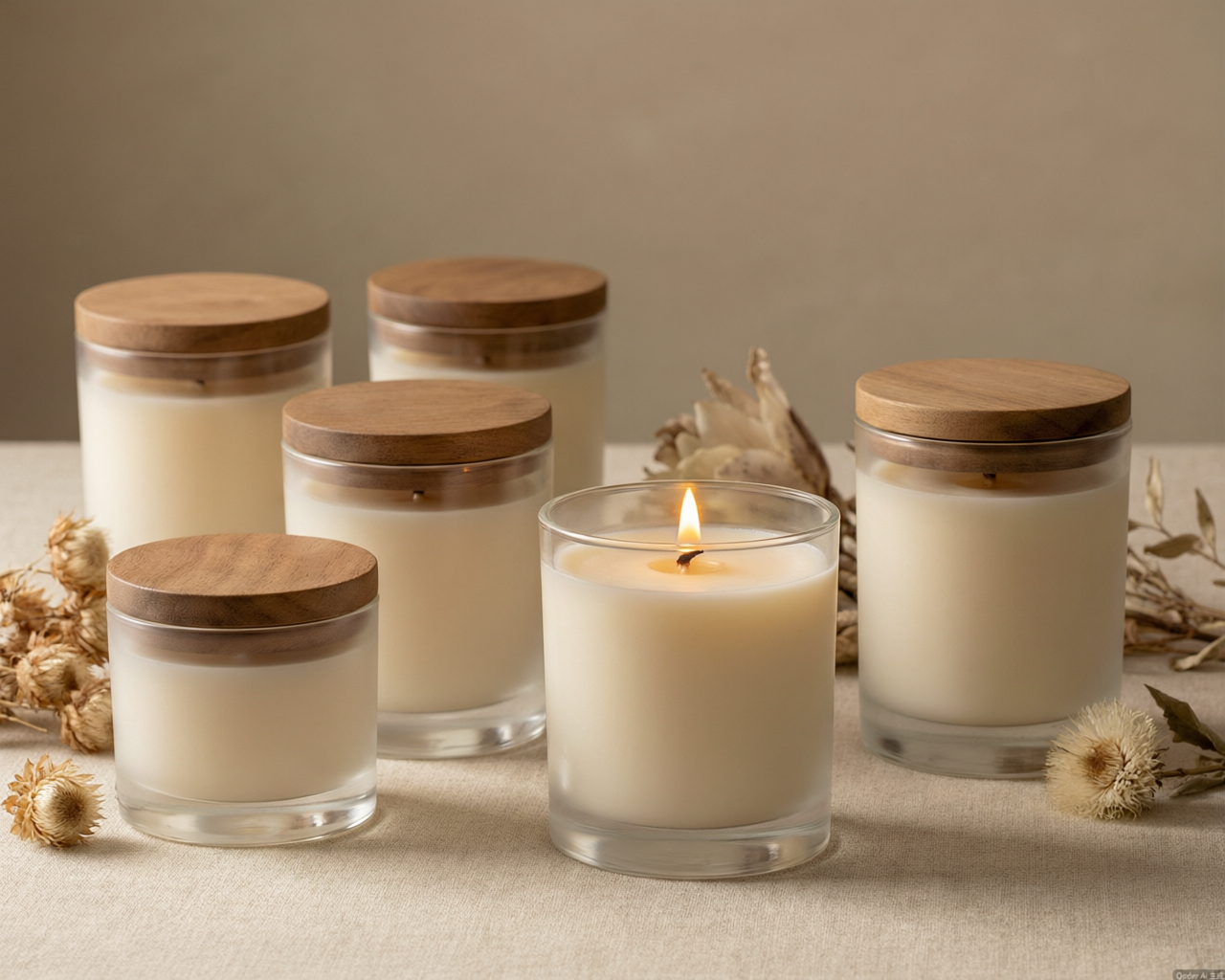
| Scented candles | USD 120–150 M | 15–18% | 250–2,500 | High (60–70%) |
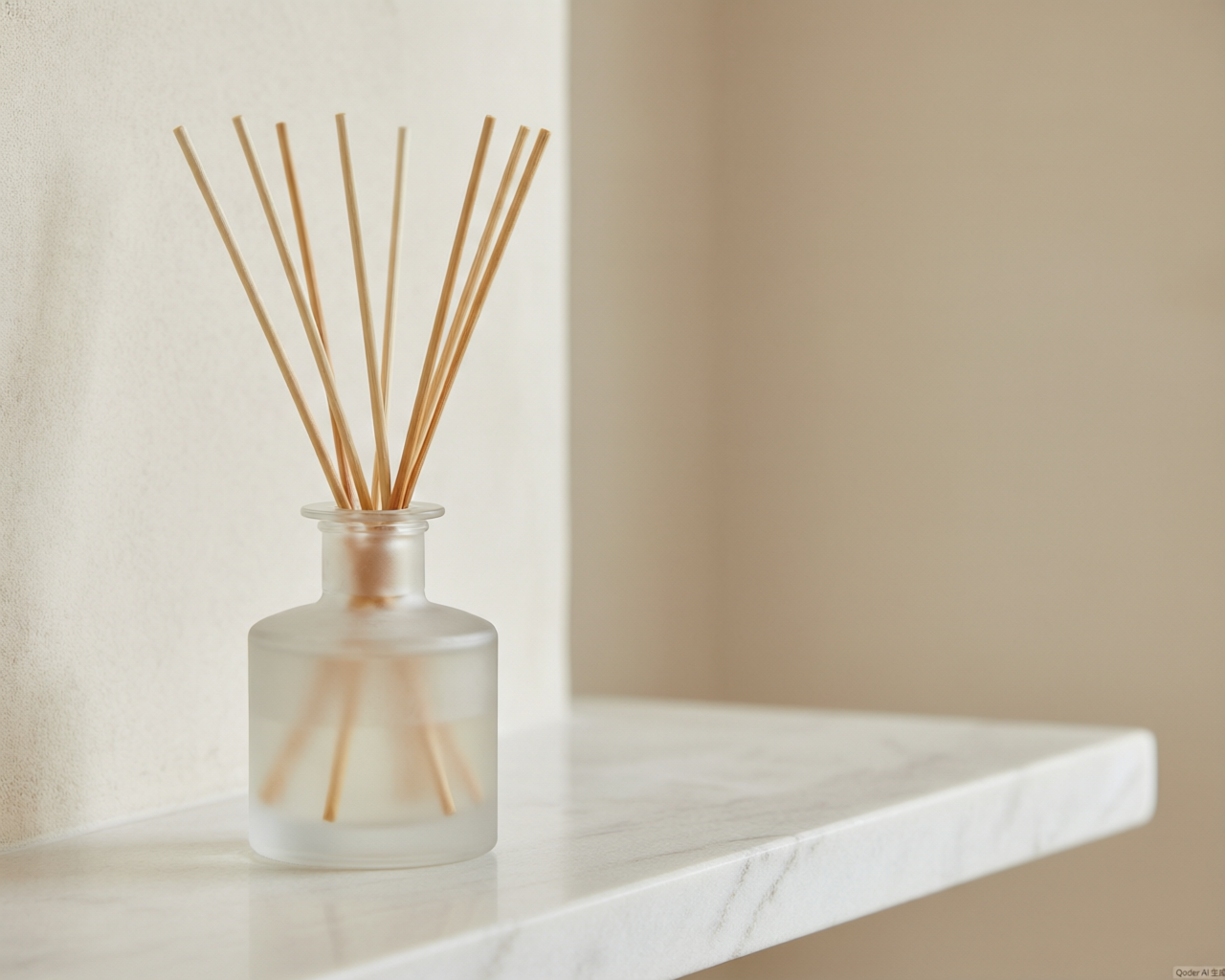
| Reed diffusers | USD 60–80 M | 18–22% | 350–1,800 | Very high (80%+) |
| Car fragrances | USD 90–110 M | 12–15% | 150–600 | Moderate (50%) |
| Commercial / HVAC diffusers | USD 30–45 M | 20–25% | 8,000–45,000 | Very high (90%+) |
The india home fragrance growth story is driven by urbanization (110 million urban households by 2030), a hospitality sector adding 150,000+ hotel rooms, and D2C e-commerce reaching beyond metro cities. The sweet spot for new brands is the INR 300–1,500 retail band: premium enough to avoid agarbatti price anchoring, accessible enough for Tier-1 and Tier-2 consumers buying online.
Sourcing from China: cost structure and landed pricing
When you sell candles india-bound, your landed cost calculation must account for more than FOB price. Here is a realistic breakdown for a 200 ml reed diffuser in a glass bottle with custom branding:
| Cost component | Amount (USD) | Notes |
|---|---|---|
| FOB unit price (MOQ 3,000 pcs) | 1.80–2.60 | Includes glass vessel, fragrance oil, reeds, box |
| Ocean freight (per unit, FCL 20’) | 0.15–0.30 | Shenzhen/Ningbo to Nhava Sheva or Chennai |
| Basic Customs Duty (BCD) | 20% on CIF | HS 3307.49 for reed diffusers |
| Social Welfare Surcharge | 10% on BCD | Effectively adds 2% to total |
| IGST (Integrated GST) | 18% on CIF + duties | Creditable if you have GST registration |
| Freight insurance + handling | 0.05–0.10 | Port congestion surcharges vary |
| Total landed cost per unit | 2.90–4.10 | Before warehousing and last-mile |
At a landed cost of USD 3.50 and a retail price of INR 899 (roughly USD 10.80), gross margin sits around 65–68 percent before marketing and distribution — healthy enough for a D2C or marketplace model.
To keep FOB costs competitive, work with an OEM partner offering flexible MOQs and in-house fragrance blending. Aromiso’s OEM program supports custom scent development at 1,000–3,000 unit MOQs per SKU, letting you test 3–5 fragrances without committing to a full container of a single scent.
Regulatory and compliance requirements
India does not have a single “home fragrance regulator.” Compliance obligations depend on product type:
- Scented candles and reed diffusers — Classified under HS 3406 (candles) and 3307.49 (room deodorizers). No mandatory BIS certification as of 2026, but the Bureau of Indian Standards is drafting quality control orders for candle safety. Label must include: manufacturer/importer name, net weight/volume, MRP (Maximum Retail Price), country of origin, and a batch number.
- Products with health or “aromatherapy” claims — Risk Drugs & Cosmetics Act scrutiny. Avoid therapeutic claims (“reduces anxiety,” “improves sleep”) on packaging unless you hold ayurvedic or drug licensing.
- Car fragrances and aerosol sprays — Aerosol products fall under BIS IS 7903 and require a manufacturing license if produced domestically; imports need a BIS license under the Compulsory Registration Scheme. Non-aerosol gel or paper car fresheners face fewer barriers.
- Commercial diffuser machines — Electrical components require BIS certification under IS 302/IS 13252. Plan 8–12 weeks and USD 2,000–4,000 for testing and registration if you import powered devices.
- GST and import licensing — You need an Importer-Exporter Code (IEC) from DGFT, a GST registration, and an AD (Authorized Dealer) code from your bank for customs clearance. Registration takes 2–4 weeks if documents are in order.
Actionable checklist before your first shipment:
- Register for IEC on the DGFT portal (3–5 working days, fee INR 500).
- Obtain GST registration in the state where goods will clear customs.
- Confirm HS code classification with your customs house agent (CHA) — misclassification of reed diffusers as “essential oils” (HS 3301) invites 10 percent higher duty.
- Prepare MRP labels in English (Hindi optional but recommended for North India distribution).
- If importing electrical diffusers, initiate BIS registration 3 months before your planned ship date.
Distribution channels: where to sell
The fragrance market india landscape supports four primary B2B and B2C channels, each with different margin structures:
- E-commerce marketplaces (Amazon.in, Flipkart, Nykaa, Myntra) — Account for 40–50 percent of premium home fragrance sales. Commission rates run 15–25 percent depending on category and fulfillment model (FBA vs. seller-fulfilled). Nykaa and Myntra skew toward gifting and premium positioning; Amazon drives volume. Expect 30–60 days to build listing velocity for a new brand.
- D2C website (Shopify / WooCommerce) — Margins improve to 70–75 percent gross, but customer acquisition cost (CAC) in India’s fragrance niche averages INR 180–350 per order via Meta and Google Ads. Works best when paired with influencer seeding and content marketing.
- Offline retail and hospitality — Home decor chains (Home Centre, Pepperfry offline stores), boutique hotels, spas, and co-working spaces. Typical wholesale discount is 40–55 percent off MRP. Hotel and spa contracts often require 60–90 day credit terms.
- B2B distributors and modern trade — Regional distributors covering kirana and modern trade (Reliance Smart, DMart) move volume in car fragrance and incense-adjacent segments, but margins compress to 20–30 percent and listing fees apply.
For a new entrant: launch on Amazon.in and Nykaa to validate fit (months 1–4), build a D2C site for margin recovery (months 3–6), then approach hospitality and retail buyers with proven sales data (months 6–12).
Logistics and warehousing within India
Once goods clear customs at Nhava Sheva (Mumbai) or Chennai port, domestic logistics become the bottleneck:
- Warehouse location — Bhiwandi (Mumbai) and Manesar (Delhi NCR) are the primary fulfillment hubs. Grade-A rental runs INR 22–35 per sq ft per month. A 2,000 sq ft unit holds roughly 15,000–20,000 reed diffuser units.
- Last-mile delivery — Providers like Delhivery, Shiprocket, and Ecom Express charge INR 40–90 per 500 g parcel for metro delivery, INR 70–140 for Tier-2/3 cities. Glass items add INR 10–20 for protective packaging.
- Inventory planning — India’s festive calendar drives 45–55 percent of annual home fragrance sales into a 4-month window: Raksha Bandhan (August), Diwali (October/November), Christmas (December), and Valentine’s Day (February). Place production orders by June for Diwali stock and by September for Christmas inventory to account for 35–50 day ocean transit plus 7–14 day customs clearance.
Peak-season timeline (Diwali, late October): Confirm PO by June 1. Production and QC run June 15 – July 25 (35–40 days). Export clearance and loading by August 5. Ocean transit to Nhava Sheva by September 10. Customs clearance and inland transport by September 25. Stock live on marketplaces October 1 — three to four weeks before Diwali.
Product localization and pricing strategy
Indian consumers respond to specific fragrance profiles, pack sizes, and price points that differ from Western markets:
- Top-performing scent families — Sandalwood, jasmine (mogra), rose, oud, and lemongrass outsell Western-style “clean linen” or “sea breeze” fragrances by 3:1 in marketplace data. For gifting SKUs, blend familiar Indian notes with a modern twist (e.g., “sandalwood and vanilla” or “mogra and white tea”).
- Pack size — 100–150 ml reed diffusers and 150–200 g candles hit the impulse-gift price band (INR 399–799). Larger 250 ml formats work for hospitality contracts but move slower in D2C.
- Gift sets — Diwali and wedding-season gifting drives 30–40 percent of annual candle and diffuser revenue. A 3-piece gift box (candle + diffuser + room spray) at INR 1,499–2,499 outperforms individual SKUs by 2–3x in Q4.
- MRP psychology — Indian retail pricing ends in 9 (INR 499, 799, 1,299). Avoid round numbers. Always print MRP on the pack — selling above printed MRP is illegal under the Legal Metrology Act.
Browse Aromiso’s product catalog for ready-to-customize gift set configurations, diffuser sizes, and candle formats that align with Indian market preferences.
Building a supplier relationship for the Indian market
Not every Chinese fragrance factory is set up for India-bound orders. When evaluating an OEM partner, verify:
- Experience with Indian buyers — Ask for references from brands already shipping to India. Factories familiar with BIS documentation, MRP labeling, and Indian port requirements save you 2–3 weeks of back-and-forth per shipment.
- Fragrance customization capability — The ability to develop custom scents in-house (rather than outsourcing to a fragrance house) shortens sampling from 4–6 weeks to 10–14 days. Request 3–5 sample iterations before committing to bulk.
- Flexible MOQ and mixed-container loading — India’s market rewards testing multiple SKUs simultaneously. A supplier that allows 1,000-unit MOQs per SKU and consolidates 8–12 products in a single 20-foot container reduces your per-SKU risk by 60–70 percent.
- Quality certifications — ISO 9001, IFRA-compliant fragrance formulations, and MSDS documentation for every SKU. Indian customs occasionally requests MSDS for fragrance oil shipments under HS 3307.
- Payment terms — Standard is 30 percent deposit, 70 percent before shipment. For repeat orders above USD 20,000, negotiate 30/70 against Bill of Lading copy to ease cash flow during transit.
Next Steps
If you are planning to enter or expand in the Indian home fragrance market, the sequence is straightforward: validate demand with a small marketplace test (1,000–3,000 units across 3–5 SKUs), lock in a supplier who understands Indian compliance and peak-season timelines, then scale into higher-margin channels once you have 90 days of sales data. The strongest white-space opportunities right now are hospitality and commercial scenting contracts (INR 50,000–500,000 per property per year), wedding and corporate gifting (budgets of INR 300–800 per recipient), and “clean” or ayurvedic positioning that commands a 20–35 percent price premium in Tier-1 cities.
Aromiso supports India-bound brands with low-MOQ custom production, IFRA-compliant fragrance development, Diwali and festive gift set configurations, and export documentation tailored to Indian customs requirements. Whether you need 1,000 reed diffusers for an Amazon India launch or a full container of branded candles for a retail chain rollout, our team can build a production plan around your timeline.
Request a quote with your target SKUs, quantities, and intended ship month, and we will return a landed-cost estimate and production schedule within 48 hours.