Industry Verticals
Scent Marketing for Retail: How Store Fragrance Drives Sales
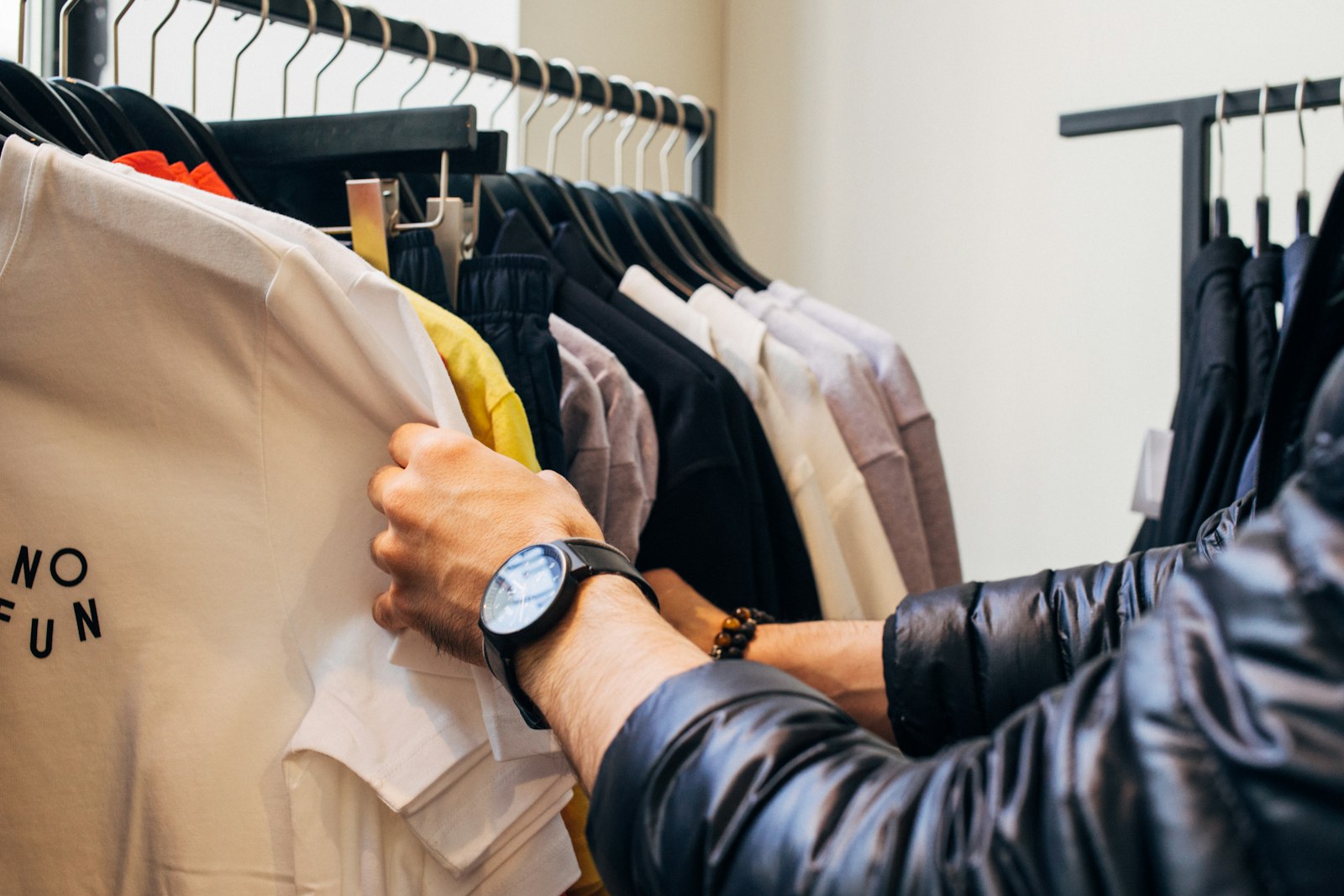
Walk into a flagship apparel store on a busy Saturday and you will notice the music, the lighting, and the layout long before you consciously register the fragrance drifting through the air. That fragrance is not an accident. It is a deliberately engineered store fragrance system, calibrated to slow foot traffic, lift average transaction value, and anchor the brand in memory. For retail brand owners and procurement managers, scent marketing has moved from a nice-to-have to a measurable line item in the customer experience budget, with documented uplifts in dwell time and purchase intent that rival traditional visual merchandising spend.
The challenge for B2B buyers is that the category is opaque. Quotes for a commercial diffuser retail program can range from a few hundred dollars for a single cold-air unit to five-figure annual contracts for multi-store HVAC integrations, and the difference is rarely explained in plain terms. This guide breaks down how retail scent marketing actually works, what it costs at each tier, how to brief an OEM partner, and how to run a pilot that produces defensible numbers for your CFO. Whether you operate three boutiques or three hundred doors, the sourcing logic below applies.
Why Scent Marketing Works in Retail Environments
Human olfactory processing routes directly to the limbic system, bypassing the rational filters that screen visual and audio advertising. In practice, this means a well-chosen ambient scent registers emotionally before a shopper can critique it. The commercial evidence is substantial: a frequently cited Nike study reported that scenting increased purchase intent by 80 percent, and research from the Sense of Smell Institute indicates that scent recall after three months sits around 65 percent, compared with roughly 50 percent for visual cues. For a retailer, that translates into brand recognition that outlasts the visit.
- Dwell time extension: Ambient scenting in apparel and lifestyle stores is consistently associated with 10 to 20 percent longer dwell times, which correlates with higher basket size.
- Perceived quality lift: Shoppers in scented environments rate merchandise as higher value, supporting premium pricing strategies.
- Zone differentiation: Distinct fragrances can separate a clearance section from a full-price floor without physical barriers.
- Staff retention side-effect: Stores with pleasant ambient scent report lower employee turnover, reducing hiring costs that typically run 30 to 50 percent of an associate’s annual salary.
The key is consistency. A store fragrance system that smells different in the morning than at 6 PM, or that varies between locations, erodes the very brand signal it is meant to build.
Types of Commercial Diffuser Systems Compared
Not every retail footprint needs the same hardware. The four dominant delivery methods differ in coverage, installation complexity, and consumable cost. Procurement teams should match the system to square footage, ceiling height, and whether the store is owned or leased.
| System Type | Coverage Area | Install Complexity | Typical Unit Cost (FOB China) | Consumable Cost / Month | Best For |
|---|---|---|---|---|---|
| HVAC-connected cold-air diffuser | 200-2,000 sqm | High (duct integration) | $300-$1,200 | $40-$150 | Flagships, malls, multi-floor retail |
| Standalone cold-air diffuser | 50-300 sqm | Low (plug-in, wall mount) | $80-$400 | $20-$80 | Boutiques, pop-ups, leased spaces |
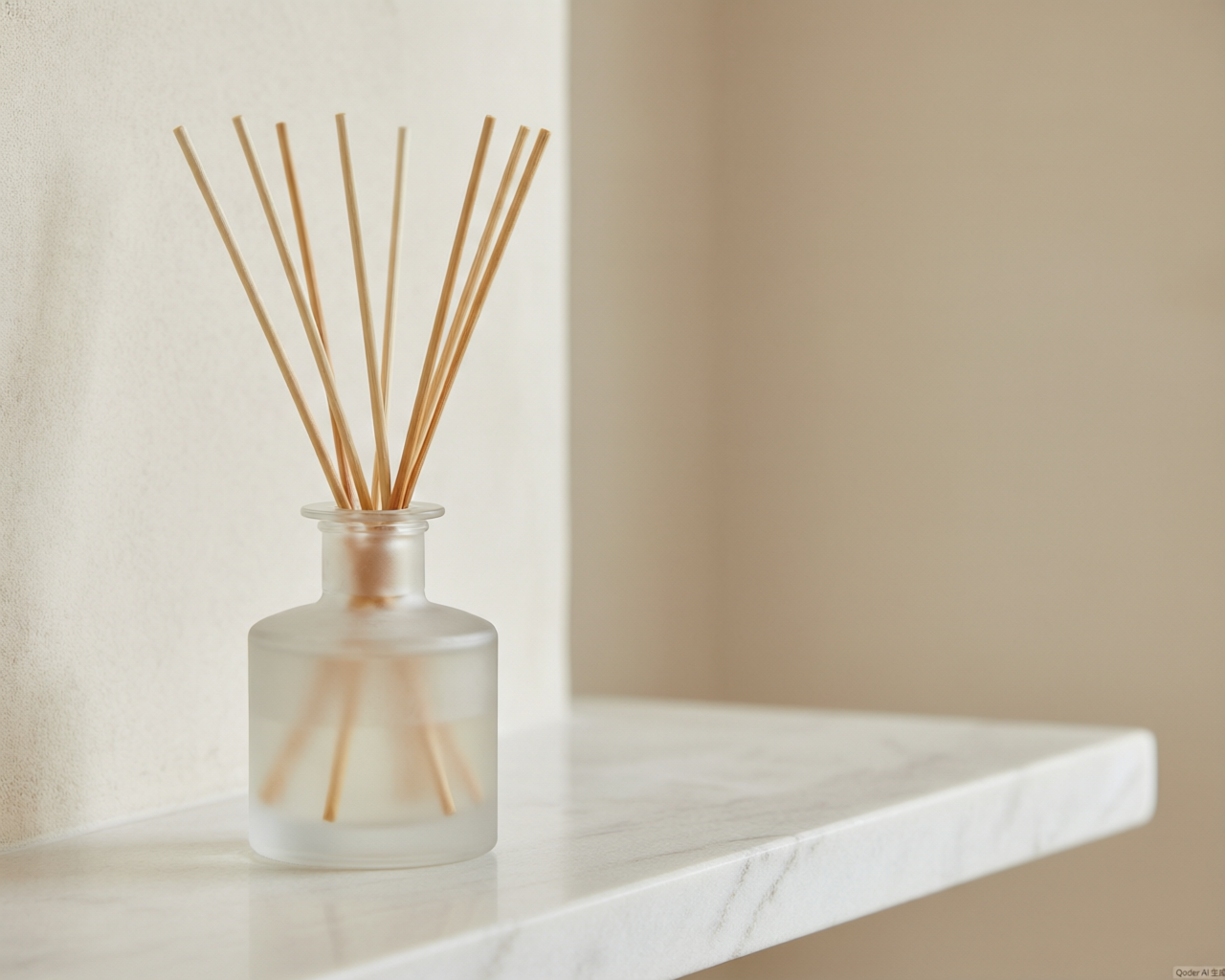
| Reed diffuser clusters | 10-40 sqm | None | $3-$12 per unit | $2-$6 per unit | Small shops, fitting rooms, counters |
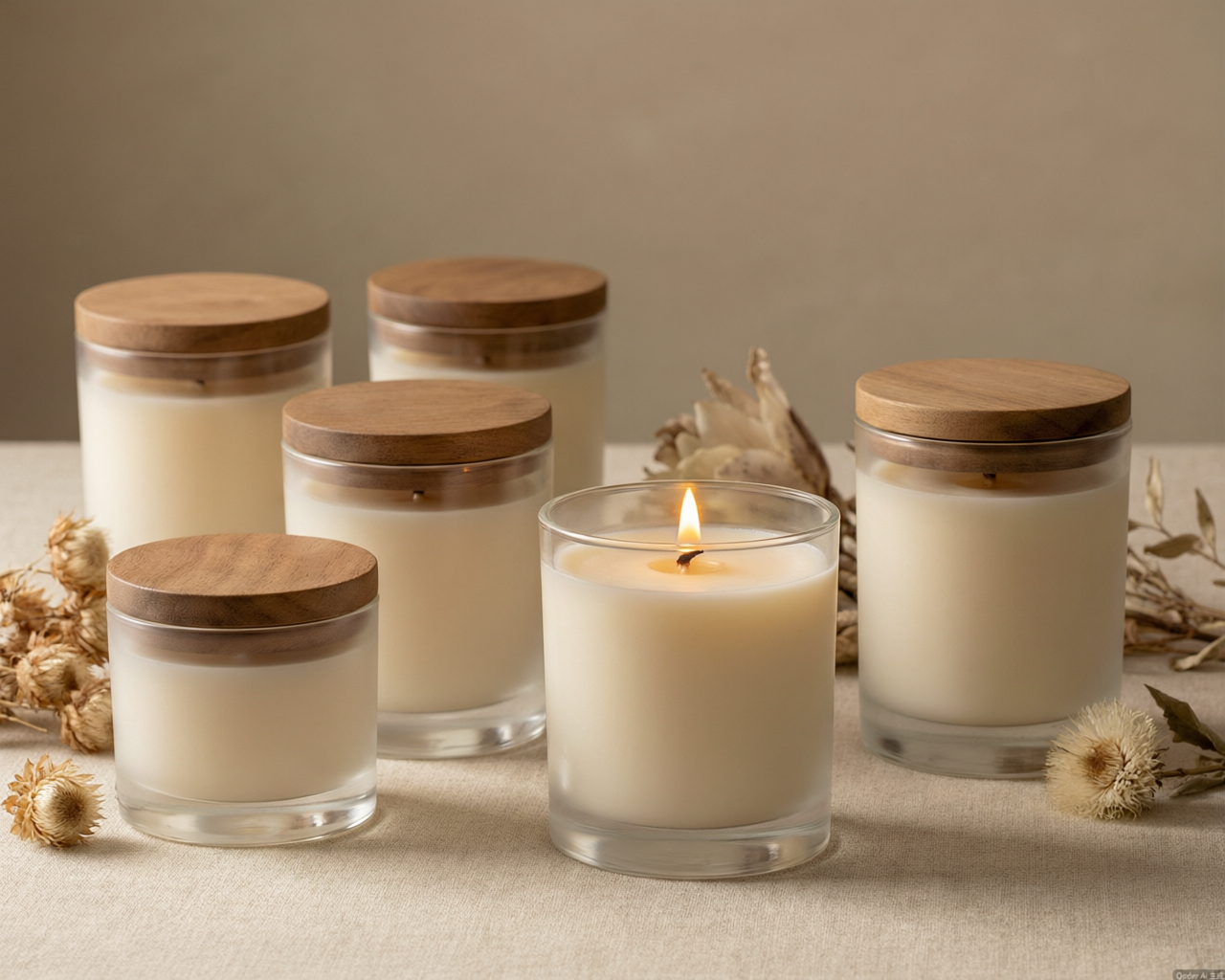
| Scented candle programs | 10-30 sqm | Low (safety protocols needed) | $4-$18 per unit | $3-$10 per unit | Hospitality-adjacent retail, spas |
For most multi-door retail chains, the practical answer is a hybrid: HVAC or standalone commercial diffuser retail units for the sales floor, supplemented by reed diffusers in fitting rooms and stock areas where ductwork is unavailable. Aromiso manufactures all four categories under one roof, which simplifies QC and consolidates shipping. Browse the full product catalog for specifications and MOQ details.
Building a Scent Brand Identity for Retail
Scent branding retail programs fail most often at the creative stage, not the hardware stage. A fragrance that smells beautiful in a perfumer’s lab can feel cloying in a 400-square-meter space with high foot traffic and competing odors from packaging, flooring adhesive, and food courts. Brief your OEM partner with the following parameters before requesting samples.
- Brand archetype: Define whether the scent should signal luxury (oud, leather, amber), freshness (citrus, green tea, marine), warmth (vanilla, sandalwood, tonka), or energy (bergamot, ginger, black pepper). Provide three reference fragrances your team already responds to.
- Intensity target: Specify a detection threshold. Most retail environments perform best at a “noticeable but not identifiable” level, roughly 2 to 4 on a 10-point intensity scale measured at 3 meters from the source.
- Seasonal architecture: Decide whether you will run a single year-round signature or rotate seasonally. A two-fragrance program (spring/summer plus fall/winter) is the most common starting point and adds roughly 15 to 25 percent to annual fragrance oil costs.
- Regulatory constraints: Confirm IFRA compliance, allergen declarations for your target markets (EU CLP, US state-level rules), and any restrictions from your mall landlord or insurance carrier.
Request physical samples on blotter strips and in a room-scale diffusion test before approving. A reputable OEM will provide 30 ml samples within 7 to 10 working days and can formulate against a target cost per liter.
Cost Structure and Budget Planning
A transparent budget separates hardware, fragrance consumables, installation, and maintenance. Below is a realistic annual cost model for a 150-square-meter standalone boutique running a single cold-air diffuser with a signature fragrance.
- Hardware (one-time): $150-$350 for a mid-range standalone unit, or $500-$900 if HVAC integration is required.
- Fragrance oil (annual): $300-$700 depending on concentration and diffusion schedule. A typical 500 ml bottle of commercial-grade oil lasts 4 to 8 weeks at 8 hours per day.
- Installation and commissioning: $100-$400 for a standalone unit; $800-$2,500 for HVAC work including duct taps and timer wiring.
- Maintenance (annual): $100-$250 for nozzle cleaning, filter replacement, and seasonal recalibration.
For a 20-store chain, volume purchasing through an OEM program typically reduces per-unit hardware cost by 20 to 35 percent and fragrance oil cost by 15 to 25 percent versus retail pricing. Factor in freight and duties: sea freight from Shenzhen or Ningbo to a US West Coast port runs roughly $2,500-$4,500 per 20-foot container, and fragrance products may require DG documentation depending on alcohol content.
Sourcing from a Chinese OEM: What to Verify
China produces the majority of the world’s commercial diffuser hardware and a growing share of fine fragrance compounds. The supplier landscape ranges from trading companies with no production capability to fully integrated manufacturers. Procurement teams should run the following due diligence checklist before issuing a purchase order.
- Factory audit: Request a video walkthrough or third-party audit report (BSCI, Sedex, or ISO 9001). Verify that fragrance compounding, filling, and hardware assembly happen on-site.
- Certifications: Confirm CE, FCC, and RoHS for electronic diffusers; MSDS and IFRA certificates for fragrance oils; UN38.3 if any lithium batteries are involved.
- MOQ and sampling policy: Typical MOQs are 500 units for hardware and 200 kg per fragrance SKU. Sample fees of $50-$150 per formulation are standard and usually credited against the first order.
- IP protection: Sign an NDA before sharing your fragrance brief. Confirm the supplier will not resell your custom formula to competitors, and register your trademark in China if you have not already.
- Lead times: Standard production runs 25 to 35 days after sample approval. Add 7 to 10 days for custom packaging and 25 to 40 days for ocean transit.
Aromiso operates as a manufacturer-direct partner, which removes the trading-company margin layer and gives buyers direct access to formulation adjustments during production.
Running a Pilot Program and Measuring ROI
Do not roll out a store fragrance system across your entire estate before validating performance in a controlled pilot. A well-designed pilot protects the budget and produces the data your leadership team needs to approve expansion.
- Select test and control stores: Choose 3 to 5 locations matched on format, traffic volume, and geography. Run scent in the test group and leave the control group unscented for 8 to 12 weeks.
- Define KPIs in advance: Track average transaction value, units per transaction, dwell time (via people counters), and customer survey scores. A 3 to 7 percent lift in average transaction value is a realistic target.
- Log operational data: Record oil consumption, refill frequency, and any customer or staff complaints. More than 2 percent complaint rate signals the intensity is too high.
- Calculate payback: Divide total pilot cost (hardware plus consumables plus labor) by incremental gross margin generated. A payback period under 9 months typically clears internal hurdle rates.
Document the pilot in a one-page summary with before/after charts. This is the artifact that converts a marketing experiment into a funded capital program.
Common Mistakes and How to Avoid Them
Even experienced retailers stumble on execution. The following failure modes account for the majority of abandoned scent programs.
- Over-scenting: The most common error. Shoppers should detect the fragrance intermittently, not be immersed in it. Program diffusers to run at 50 to 70 percent duty cycle, not continuous.
- Ignoring HVAC maintenance: A dirty duct system will sour any fragrance. Schedule a professional duct cleaning before commissioning and quarterly thereafter.
- Mismatched brand signal: A discount-format retailer running a luxury oud scent creates cognitive dissonance. Align the fragrance price-point signal with your actual merchandise positioning.
- No refill logistics plan: Stores run out of oil, staff forget to refill, and the program goes dark for weeks. Assign refill responsibility to a named role and set calendar reminders tied to consumption data.
- Skipping staff briefing: Front-line employees should be able to describe the scent story to customers. A 10-minute training module at rollout prevents confused reactions at the register.
Next Steps
If you are evaluating a retail scent marketing program, start with three concrete actions this quarter. First, audit your current store environment and document square footage, ceiling height, HVAC access, and any existing fragrance touchpoints. Second, define your scent brief using the brand archetype and intensity parameters above, then request matched samples from at least two qualified suppliers. Third, scope a 3-store pilot with clear KPIs and a 12-week timeline so you have defensible data before committing to a full rollout.
Aromiso supports retail buyers at every stage, from fragrance formulation and diffuser hardware selection to private-label packaging and container loading. Review our product catalog for off-the-shelf options, explore the OEM program for custom formulations and branded hardware, or request a quote with your store count and square footage for a tailored proposal. A detailed brief today gets you pricing and samples within two weeks.