Industry Verticals
Designing a Hotel Fragrance Program: From Lobby Scent to Guest Amenities
A well-executed hotel fragrance program does more than make a lobby smell pleasant. Research from the Sense of Smell Institute shows that scent-triggered memories retain 65% accuracy after three years, compared to 50% for visual cues. For hospitality brands, that translates directly into guest recall, online review sentiment, and repeat bookings. Yet most procurement teams approach scent as an afterthought — a generic air freshener contract rather than a coordinated brand asset that spans the lobby, corridors, spa, guest rooms, and retail shelves.
The challenge compounds when you source internationally. You need a single signature fragrance expressed across multiple product formats — HVAC-connected diffusers for public areas, reed diffusers for suites, scented candles for spa retail, car fragrances for valet vehicles — all manufactured to consistent IFRA standards, shipped on a unified timeline, and priced at margins that work for a 200-room property or a 40-property portfolio. This guide walks through the full design process, from scent architecture to supplier selection, with the specific numbers and checklists a procurement manager needs to move from concept to purchase order.
Define Your Scent Architecture Before You Shop
Before requesting samples from any supplier, lock down a three-tier scent architecture. This prevents the most common failure mode: buying five unrelated products that clash in adjacent spaces.
- Signature scent (Tier 1): One proprietary fragrance used in all public areas — lobby, elevators, corridors, conference rooms. This is your olfactory logo. Budget 6-10 weeks for custom development with an OEM partner, including 3-4 revision rounds.
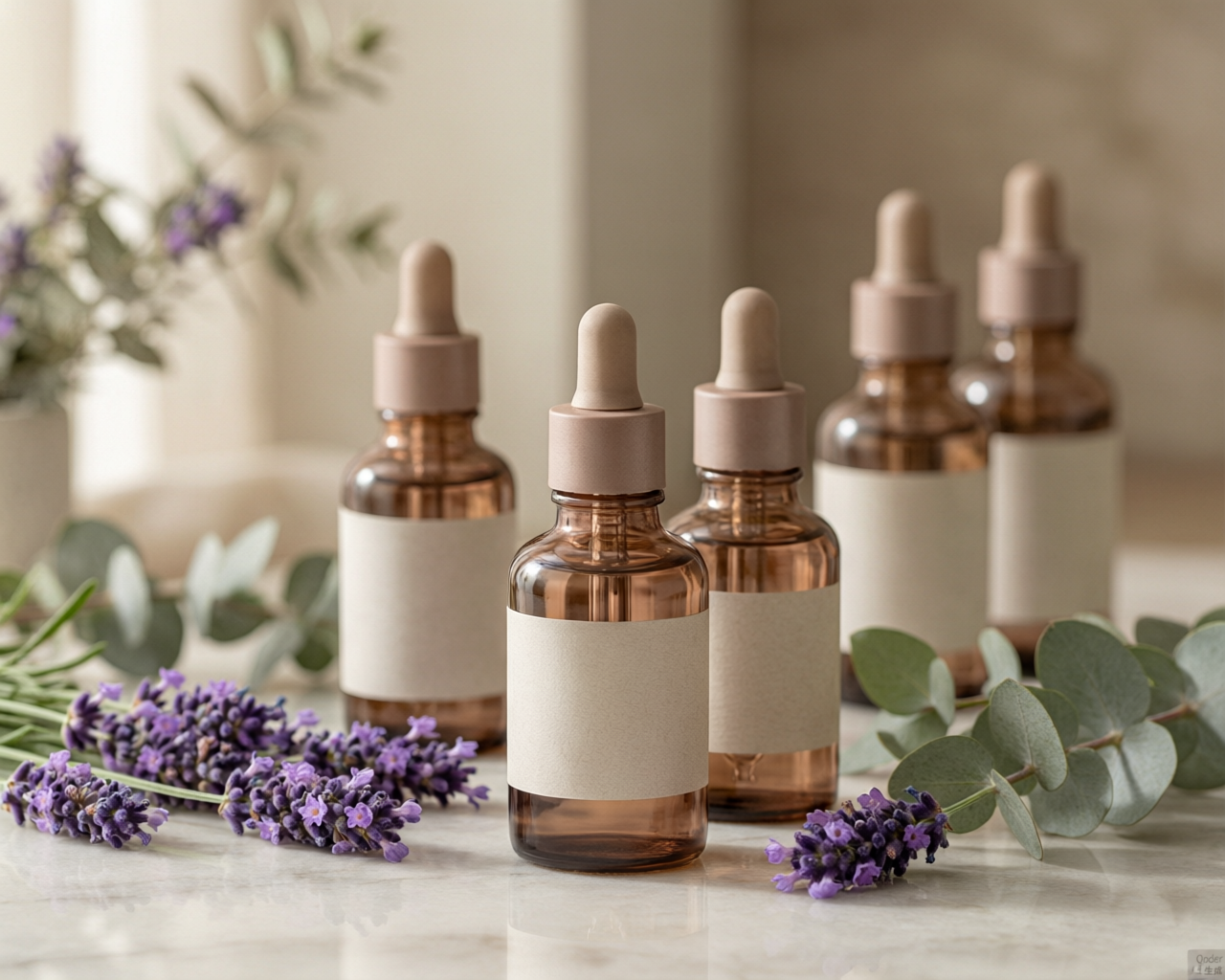
- Zone accents (Tier 2): Complementary scents for distinct functional areas. Spa zones typically call for eucalyptus-lavender blends; F&B areas benefit from warm gourmand notes (vanilla, amber) at low intensity; fitness centers need crisp citrus-green profiles.
- Guest-facing retail (Tier 3): Take-home products — candles, reed diffusers, room sprays — that extend the brand beyond the stay. These should carry the Tier 1 signature or a recognizable derivative.
Document each tier with target intensity (measured on a 1-5 perceptible scale), coverage area in square meters, and product format. A 1,200 sqm lobby with 6-meter ceilings requires a fundamentally different delivery system than a 40 sqm spa treatment room.
Select the Right Diffusion Technology by Zone
The lobby scent diffuser choice alone can swing your annual operating cost by $4,000-$12,000 per property. Match technology to space volume and traffic patterns:
| Zone | Recommended Technology | Coverage | Monthly Oil Cost (per unit) | Install Cost | Maintenance Cycle |
|---|---|---|---|---|---|
| Lobby (500-2,000 sqm) | HVAC-connected cold-air diffuser | 800-2,000 sqm | $80-$150 | $1,200-$3,500 | Quarterly filter change |
| Corridors / Elevators | Standalone nebulizing diffuser | 60-150 sqm | $25-$50 | $200-$600 | Monthly nozzle check |
| Spa / Wellness | Ultrasonic or heat-assisted diffuser | 30-80 sqm | $15-$35 | $80-$250 | Weekly water refill |
| Guest Rooms | Reed diffuser or sachet (passive) | 20-45 sqm | $3-$8 (replacement) | $0 | 60-90 day replacement |
| Retail / Gift Shop | Display candle + demo diffuser | N/A | $12-$20 (demo unit) | $0 | Weekly rotation |
For a 200-room upscale property, a typical full-program hardware investment runs $18,000-$35,000 in year one, dropping to $9,000-$16,000 annually for consumables thereafter. HVAC-connected systems dominate lobbies because they deliver uniform scent without visible hardware, but they require coordination with your mechanical contractor during renovation cycles.
Develop the Signature Fragrance with an OEM Partner
Custom hotel scent branding starts with a creative brief, not a catalog browse. Prepare the following before engaging a manufacturer:
- Brand positioning statement: 2-3 sentences describing the guest emotional experience (e.g., “understated coastal luxury for discerning business travelers”).
- Reference scents: 3-5 existing fragrances the team likes or dislikes, with specific notes called out.
- Regulatory markets: List every country where properties operate. EU properties require CLP-compliant labeling; US properties fall under FDA cosmetic guidelines for guest-facing products.
- Format list: Confirm which product types will carry the signature scent so the perfumer formulates for stability across wax, oil, and alcohol bases simultaneously.
A reputable OEM like Aromiso typically delivers initial scent concepts within 15-20 business days. Expect 3 revision rounds at no additional charge for orders above 3,000 units per SKU. Total development timeline from brief to approved formula: 8-12 weeks. Factor in an additional 4-6 weeks for stability testing if your program includes candles (wax-fragrance interaction can shift scent profile over 30 days).
Structure Guest Amenities and Retail Products
Hotel amenity candles and in-room fragrance products serve dual purposes: elevating the guest experience and generating ancillary revenue. Properties with a curated retail fragrance line report 8-15% of guests purchasing a take-home product, with average transaction values of $35-$65.
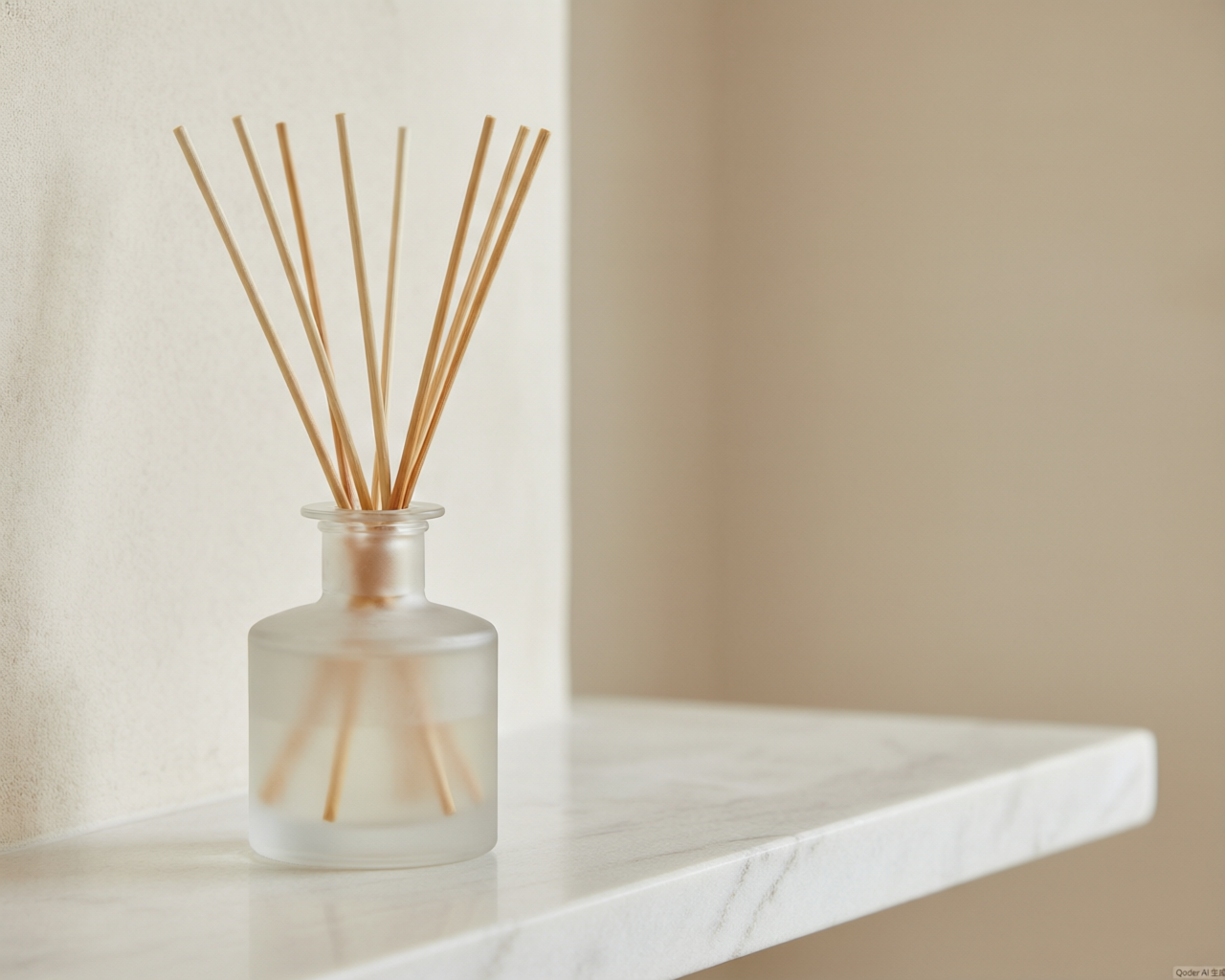
- In-room reed diffusers (100-150 ml): Positioned on nightstands or bathroom vanities. Specify tamper-resistant caps and spill-proof bases. Replacement cycle: 60-90 days. Unit cost at 5,000+ MOQ: $2.80-$5.50 depending on vessel material.
- Scented candles (180-250 g): Best suited for spa retail and executive suites. Use soy-coconut blends for clean burn claims. Specify cotton-core wicks to meet ASTM F2417 safety standards. Unit cost at 3,000+ MOQ: $3.50-$7.00 with custom labeling.
- Pillow mists / room sprays (50-100 ml): High-margin impulse items for minibar or turndown service. Alcohol-based formulas require UN3066 shipping classification. Unit cost: $1.80-$3.20.
- Car fragrances for valet fleet: Extends brand touch to the arrival experience. Hanging or vent-clip formats last 30-45 days. Unit cost at 2,000+ MOQ: $1.20-$2.80.
Bundle these into a coherent product catalog presentation for internal stakeholder approval before committing to production volumes.
Budget and Timeline: What a 200-Room Program Actually Costs
Procurement teams need a realistic total-cost model. Below is a representative budget for a single upscale property launching a full hotel fragrance program:
- Scent development (one-time): $2,500-$6,000 for custom formula creation, stability testing, and regulatory documentation.
- Diffuser hardware (year one): $18,000-$35,000 including installation and HVAC integration for 8-12 public-area units.
- Consumable fragrance oils (annual): $9,000-$16,000 based on 12-18 diffuser units running 14-18 hours daily.
- Guest room amenities (annual, 200 rooms): $7,000-$14,000 for quarterly reed diffuser and sachet replacement.
- Retail inventory (initial stock): $4,000-$9,000 for candles, sprays, and diffuser sets across gift shop and spa.
- Total year-one investment: $40,500-$80,000 per property, declining 40-55% in subsequent years.
Timeline from supplier engagement to full rollout: 16-22 weeks. Break this into scent development (8-12 weeks), production and QC (4-5 weeks), ocean freight (3-4 weeks for FCL from Shenzhen/Ningbo), and on-site installation (1-2 weeks). Air freight adds $3.50-$5.00 per kg but compresses transit to 5-7 days for urgent openings.
Vet Your Supplier: Compliance and Quality Checklist
Sourcing fragrance products from China for hospitality use demands rigorous compliance verification. Request the following documentation before issuing a purchase order:
- IFRA Certificate of Conformity: Confirms the formula meets current International Fragrance Association standards (51st Amendment or later) for each product category.
- SDS (Safety Data Sheet): 16-section GHS-format sheet for every SKU, translated into the destination market language.
- CLP labeling artwork (EU) or FDA cosmetic listing (US): Verify label elements — pictograms, signal words, hazard statements — match the formula on file.
- Stability and compatibility test reports: Minimum 30-day accelerated aging at 45 degrees Celsius for candles; 90-day real-time data preferred for reed diffuser oils.
- Factory audit status: BSCI, Sedex, or ISO 9001 certification. Request the most recent audit report (within 12 months).
- Sample retention policy: Confirm the supplier retains production-batch samples for a minimum of 24 months for dispute resolution.
An OEM program with integrated R&D, filling, labeling, and packaging under one roof reduces coordination risk and typically shaves 2-3 weeks off multi-SKU timelines versus managing separate vendors for hardware, oils, and finished goods.
Measure ROI and Iterate Quarterly
A fragrance program without measurement drifts. Establish KPIs before launch:
- Guest satisfaction scores: Track scent-related mentions in post-stay surveys and OTA reviews. Target a 10-20% lift in “atmosphere” sub-scores within two quarters.
- Retail conversion rate: Measure take-home product sales as a percentage of occupied room nights. Industry benchmark: 8-15% for properties with active in-room sampling.
- Cost per occupied room night: Divide total annual fragrance spend by occupied rooms. Well-run programs land between $1.80-$4.50 per room night for full-property coverage.
- Staff feedback loop: Housekeeping and front-desk teams report scent fatigue or guest complaints first. Schedule monthly 10-minute check-ins for the first quarter.
Review intensity settings seasonally. Higher HVAC loads in summer dilute scent faster; reduce diffuser run-time by 15-20% in winter when buildings are sealed. Refresh the Tier 2 zone accents annually to prevent olfactory fatigue among repeat guests while keeping the Tier 1 signature constant for brand consistency.
Next Steps
Designing a hotel fragrance program is a 4-6 month initiative that pays dividends in guest loyalty, review scores, and retail revenue for years. The procurement teams that succeed treat scent as a brand system — not a facilities line item — and partner with a single manufacturer capable of delivering consistent quality across diffuser oils, candles, reed diffusers, and guest amenities under unified compliance documentation.
If you are scoping a program for a single property or a multi-brand portfolio, start with a request a quote that includes your property count, zone map, and target launch date. Aromiso’s hospitality team can return a formatted proposal with scent concepts, hardware specifications, and landed-cost estimates within 5 business days — no commitment required.