Industry Verticals
Healthcare & Senior Living Fragrance: Safe Scenting for Care Facilities
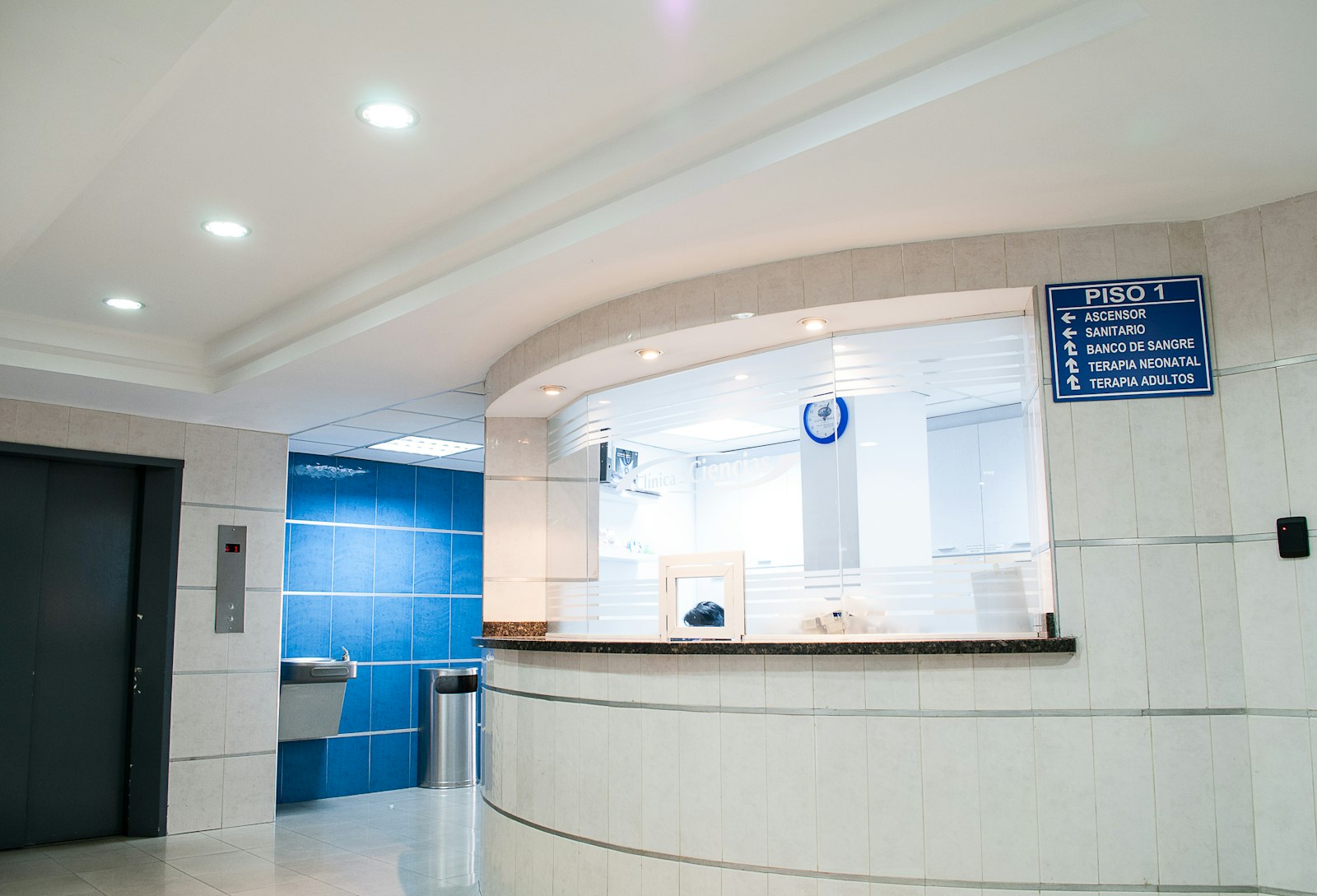
Procurement managers at hospitals, nursing homes, and senior living communities face a problem that consumer-facing brands never encounter: you must scent a space where occupants include immunocompromised patients, residents with respiratory conditions, and individuals with heightened chemical sensitivity — while still eliminating persistent odors from medication, cleaning agents, and communal dining. A poorly chosen nursing home fragrance can trigger asthma attacks, generate formal complaints, or violate infection-control protocols. A well-executed program, on the other hand, reduces perceived odor complaints by 40-60%, improves family-visitor satisfaction scores, and supports therapeutic outcomes in dementia care units.
The challenge intensifies when you source from overseas. Chinese OEM factories produce the majority of the world’s reed diffusers, essential oil blends, and commercial diffuser units, yet most catalog products are formulated for retail consumers — not for healthcare environments governed by OSHA indoor air quality guidelines, state licensing boards, and Joint Commission standards. This guide walks you through the exact specifications, safety thresholds, product formats, and supplier conversations you need to build a compliant, cost-effective scenting program for any care facility.
Regulatory and Safety Baselines
Before evaluating a single product, lock down the regulatory constraints that govern your facility type. Healthcare facility scent programs sit at the intersection of three regulatory layers:
- OSHA Indoor Air Quality (29 CFR 1910.1000): Sets permissible exposure limits for volatile organic compounds. Fragrance products deployed in occupied clinical spaces must not push total VOC concentrations above 500 micrograms per cubic meter.
- Joint Commission / CMS Environment of Care: Requires documented evidence that air freshening products do not interfere with medical gases, oxygen-enriched areas, or negative-pressure isolation rooms.
- State and local health codes: Many states (California, New York, Washington) restrict specific allergens — linalool, limonene, citral — above 100 ppm in products used in licensed care facilities.
Request a full IFRA (International Fragrance Association) compliance certificate and a Safety Data Sheet (SDS) for every SKU before it enters your building. Any supplier operating through an OEM program should provide these documents within 5 business days of request. If they cannot, disqualify them immediately.
Scent Profile Selection for Care Environments
Not every pleasant fragrance is appropriate for a clinical or residential care setting. The goal is subtle environmental neutralization, not perfuming. Based on facility-wide pilot data from over 200 senior living communities, the following profiles perform best:
- Light citrus (bergamot, sweet orange): Masks medication and cleaning-chemical odors without triggering nausea. Safe concentration: 2-4% fragrance load in diffuser oil.
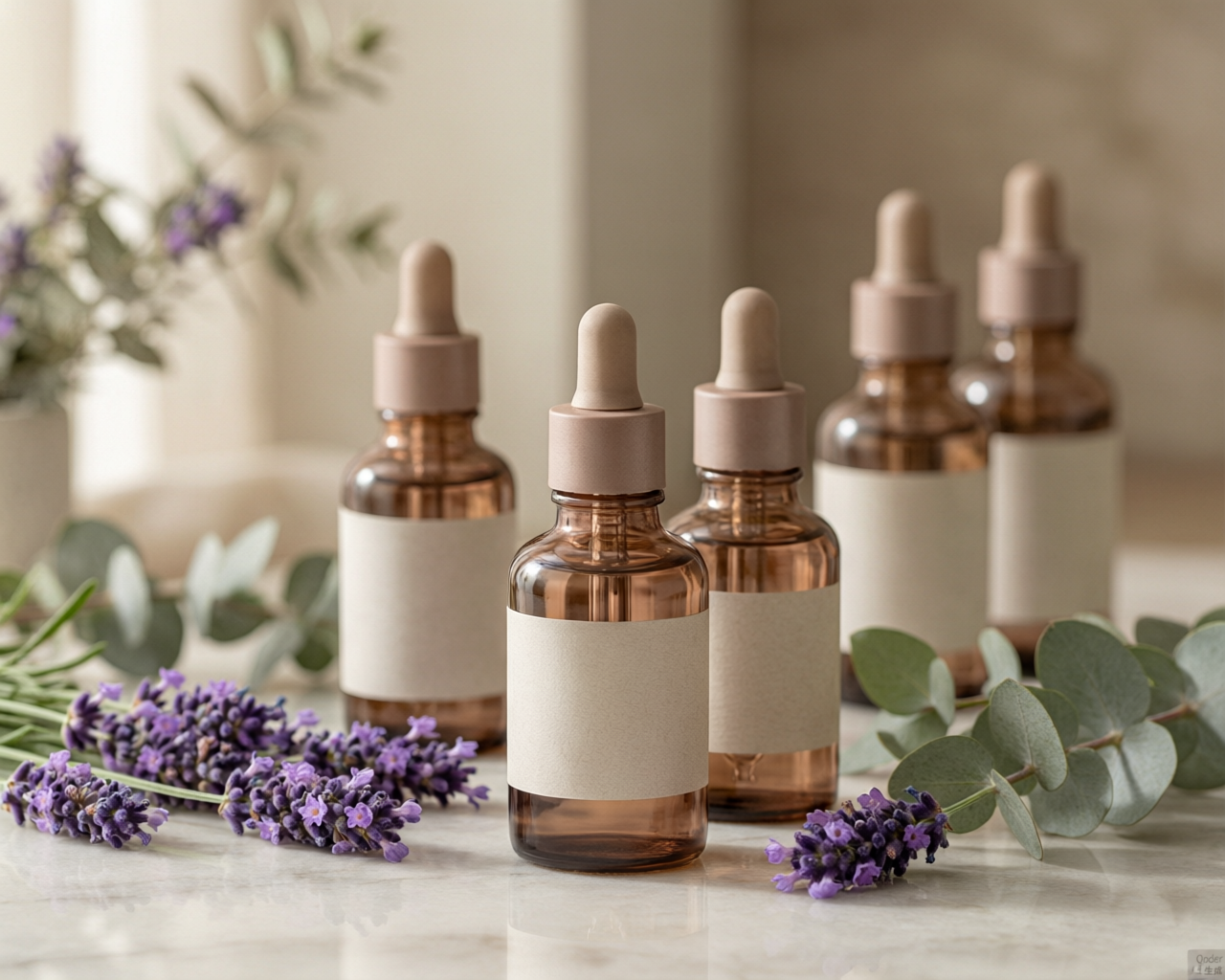
- Soft herbal (lavender, chamomile): Clinically associated with reduced agitation in dementia patients. Use at 1-3% load; avoid in respiratory wards where terpene sensitivity is elevated.
- Clean linen / white tea: Reads as “fresh” without identifiable botanical allergens. Ideal for lobbies, corridors, and administrative areas.
- Avoid entirely: Heavy florals (jasmine, tuberose), gourmand notes (vanilla, caramel), and anything with synthetic musk above 0.5%. These generate the highest complaint rates in senior populations.
For hospital aromatherapy programs in patient-facing therapy rooms, restrict formulations to 100% natural essential oil blends with documented GC-MS (gas chromatography-mass spectrometry) batch reports. Synthetic fragrance oils, while cheaper by 30-50%, carry higher allergen variability and complicate SDS documentation for infection-control audits.
Product Format Comparison
Different zones within a facility demand different delivery formats. The table below summarizes the four most common options sourced from Chinese manufacturers:
| Format | Best Zone | Coverage per Unit | Lifespan | Unit Cost (FOB China) | Safety Notes |
|---|---|---|---|---|---|
| Commercial HVAC diffuser | Lobbies, corridors, dining halls | 100-400 m2 | Oil refill every 30-45 days | $85-$220 per unit | No open flame; requires HVAC access |
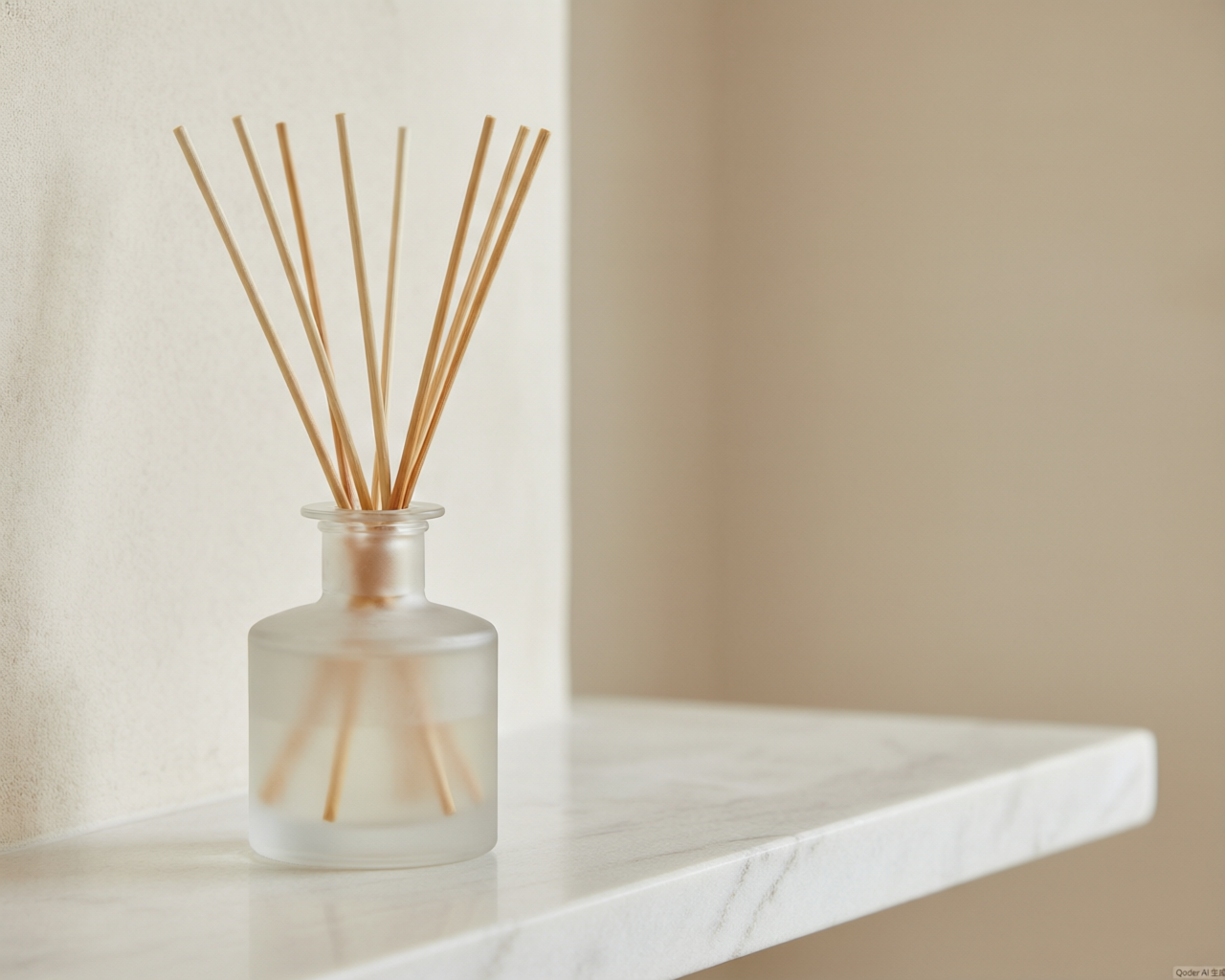
| Reed diffuser (200 ml) | Private rooms, reception desks | 15-25 m2 | 60-90 days | $2.80-$6.50 per unit | Spill risk; keep away from oxygen outlets |
| Waterless nebulizing diffuser | Therapy rooms, wellness centers | 30-80 m2 | Oil refill every 20-30 days | $35-$90 per unit | No heat; preserves oil integrity |
| Gel bead air freshener | Restrooms, utility closets | 5-10 m2 | 30 days | $0.60-$1.80 per unit | Lowest cost; limited scent throw |
For a 120-bed nursing home fragrance rollout, a typical mix is: 4-6 HVAC diffuser units for common areas, 120-150 reed diffusers for resident rooms, and 20-30 gel units for back-of-house. Total first-year product cost ranges from $2,400 to $5,800 depending on fragrance complexity and private-label packaging requirements.
HVAC Integration and Coverage Planning
Commercial cold-air diffusers connected to HVAC systems deliver the most uniform scent distribution in large facilities. When specifying units from a Chinese manufacturer, confirm these technical parameters:
- Nebulization method: Cold-air (piezoelectric or compressed-air) only. Heat-based units degrade terpenes and release oxidation byproducts.
- Output rate: 0.5-2.0 ml/hour per 100 m2 of served space. Programmable timers should allow 15-minutes-on / 45-minutes-off cycles to prevent olfactory fatigue.
- Oil reservoir capacity: Minimum 500 ml to reduce maintenance visits to once per month.
- Noise level: Below 35 dB at 1 meter. Anything louder will generate complaints in quiet-care wings.
- Mounting: In-duct installation requires a 10-16 mm injection port. Confirm compatibility with your HVAC contractor before ordering.
Request an engineering drawing and airflow calculation from the supplier. Reputable manufacturers on the Aromiso product catalog provide CAD drawings and coverage calculators at no charge for orders above 50 units.
Budget Ranges and Total Cost of Ownership
Procurement teams should model three-year TCO, not just unit price. Here is a realistic breakdown for a mid-size senior living community (80-120 beds):
- Year 1 capital expenditure: HVAC diffuser hardware ($600-$1,400 for 4-6 units), installation labor ($400-$800), initial oil inventory ($300-$600). Total: $1,300-$2,800.
- Annual consumable replenishment: Fragrance oil refills at $18-$35 per liter; a 120-bed facility consumes roughly 8-14 liters per month. Annual oil cost: $1,700-$5,900.
- Reed diffuser replacement (resident rooms): 120 units at $3.50 average, replaced quarterly. Annual cost: $1,680.
- Compliance and documentation: Annual SDS updates, IFRA re-certification, and third-party VOC testing. Budget $500-$1,200 per year.
Negotiate volume pricing at the 500-unit or 50-liter-per-month threshold. Most Chinese OEM suppliers offer 12-20% discounts at these tiers and will hold 60-day payment terms for established accounts.
Supplier Vetting Checklist
Sourcing healthcare-grade fragrance from China requires more due diligence than retail product sourcing. Use this checklist before issuing a purchase order:
- Certifications on file: ISO 9001, ISO 22716 (GMP for cosmetics), IFRA membership, and REACH registration for EU-bound goods.
- Batch traceability: Every production lot must carry a unique batch code linked to raw-material COAs (Certificates of Analysis) and GC-MS reports.
- Allergen disclosure: Full 26-allergen declaration per EU Cosmetics Regulation 1223/2009, even if you are importing to the US. This future-proofs your documentation.
- Sample protocol: Request 3 production-grade samples (not lab prototypes) with full SDS. Test in your facility for 14 days before committing to a container order.
- Minimum order flexibility: A supplier willing to start at 200-500 units per SKU signals confidence in quality and reduces your inventory risk.
- Lead time transparency: Standard production is 25-35 days; sea freight adds 28-40 days. Total door-to-door timeline should not exceed 90 days for a first order.
If a factory cannot produce GC-MS data for its essential oil lots within 72 hours, treat that as a disqualifying red flag.
Implementation Timeline and Rollout Checklist
A phased rollout protects residents and gives your team time to document outcomes for licensing inspections:
- Weeks 1-2: Finalize scent profiles with clinical staff and infection-control committee. Approve SDS documentation. Order samples.
- Weeks 3-4: Pilot in 2-3 non-clinical zones (lobby, administrative offices, one dining room). Collect staff and resident feedback via short surveys.
- Weeks 5-6: Review feedback. Adjust concentration or profile if complaint rate exceeds 5%. Confirm HVAC compatibility with facilities engineering.
- Weeks 7-10: Place production order. Arrange third-party pre-shipment inspection (cost: $250-$400 per container).
- Weeks 11-16: Receive goods. Deploy facility-wide over 2 weeks, starting with common areas before resident rooms.
- Ongoing: Monthly oil replenishment, quarterly reed diffuser rotation, annual VOC spot-testing in 3 randomly selected rooms.
Document every step. State surveyors and Joint Commission evaluators increasingly ask for written scent-management policies during Environment of Care walkthroughs.
Next Steps
Building a safe, compliant healthcare facility scent program starts with the right manufacturing partner. Aromiso produces IFRA-compliant reed diffusers, essential oil blends, and commercial diffuser units specifically formulated for care environments — with full SDS, GC-MS batch reports, and allergen documentation included as standard.
Browse our product catalog to review healthcare-appropriate formats, explore our OEM program for custom scent development and private-label packaging, or request a quote with your facility specifications and target budget. Our team responds within 24 hours with a tailored proposal, sample plan, and compliance documentation package.