Business Operations
Fragrance Dropshipping vs. Stocking: Which Model Fits Your Brand?
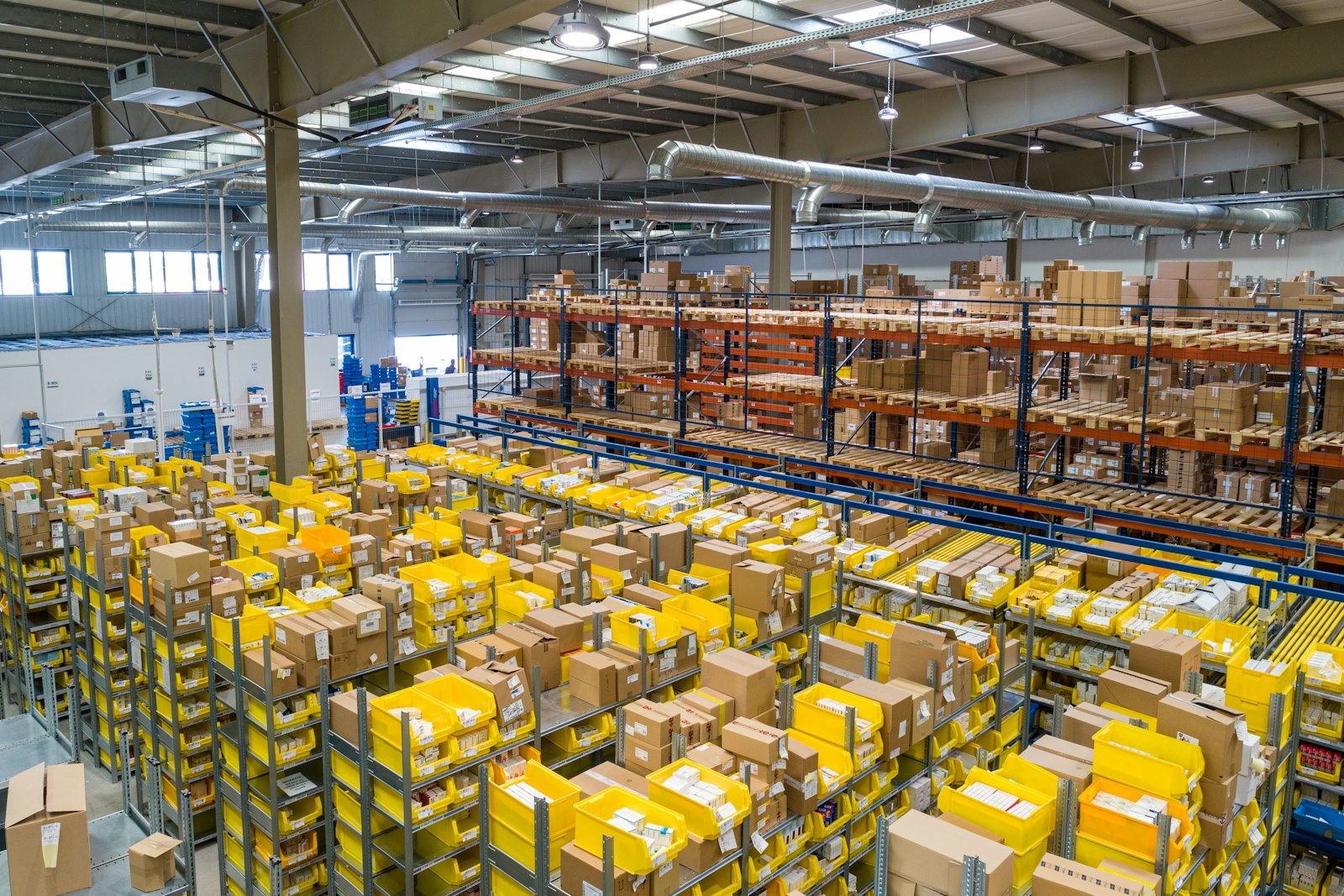
Every fragrance brand owner eventually faces the same capital-allocation question: do you tie up cash in inventory sitting on a warehouse shelf, or do you pay a premium per unit to let a supplier ship directly to your customer? The answer is rarely binary. A brand doing 200 orders per month has a fundamentally different cost structure than one shipping 5,000 units into Amazon FBA. Yet most online advice treats fragrance dropshipping and traditional stocking as opposing camps rather than complementary levers you can pull at different growth stages.
This guide breaks down both models with real numbers drawn from China-sourced home fragrance operations — reed diffusers, scented candles, essential oil sets, and car fragrances. You will see per-unit cost comparisons, timeline expectations, quality-control trade-offs, and a decision framework you can apply to your own SKU count and order velocity. Whether you are evaluating a candle dropship supplier for the first time or reconsidering whether your current stocking model still makes sense at scale, the goal here is a clear, defensible procurement decision.
The Two Models Defined
Before comparing costs, make sure your team shares the same definitions.
- Stocking (traditional wholesale): You purchase finished goods in bulk from a manufacturer — typically 500 to 5,000 units per SKU — ship them to your own warehouse or a third-party logistics (3PL) provider, and fulfill orders from that inventory. You own the goods from the moment they leave the factory.
- Dropshipping: A supplier manufactures, stores, and ships products directly to your end customer under your brand label. You never touch the product. In the fragrance space, this often overlaps with a “print on demand candle” model where labels, packaging inserts, and vessel colors are customized per batch or even per order.
A hybrid variant is increasingly common: you stock your top 3 to 5 bestsellers domestically for 2-day delivery, while long-tail SKUs (seasonal scents, limited editions, gift bundles) ship via dropship from the factory in China. This lets you maintain delivery speed where it matters and avoid dead stock on unproven fragrances.
Cost Comparison: Per-Unit Economics
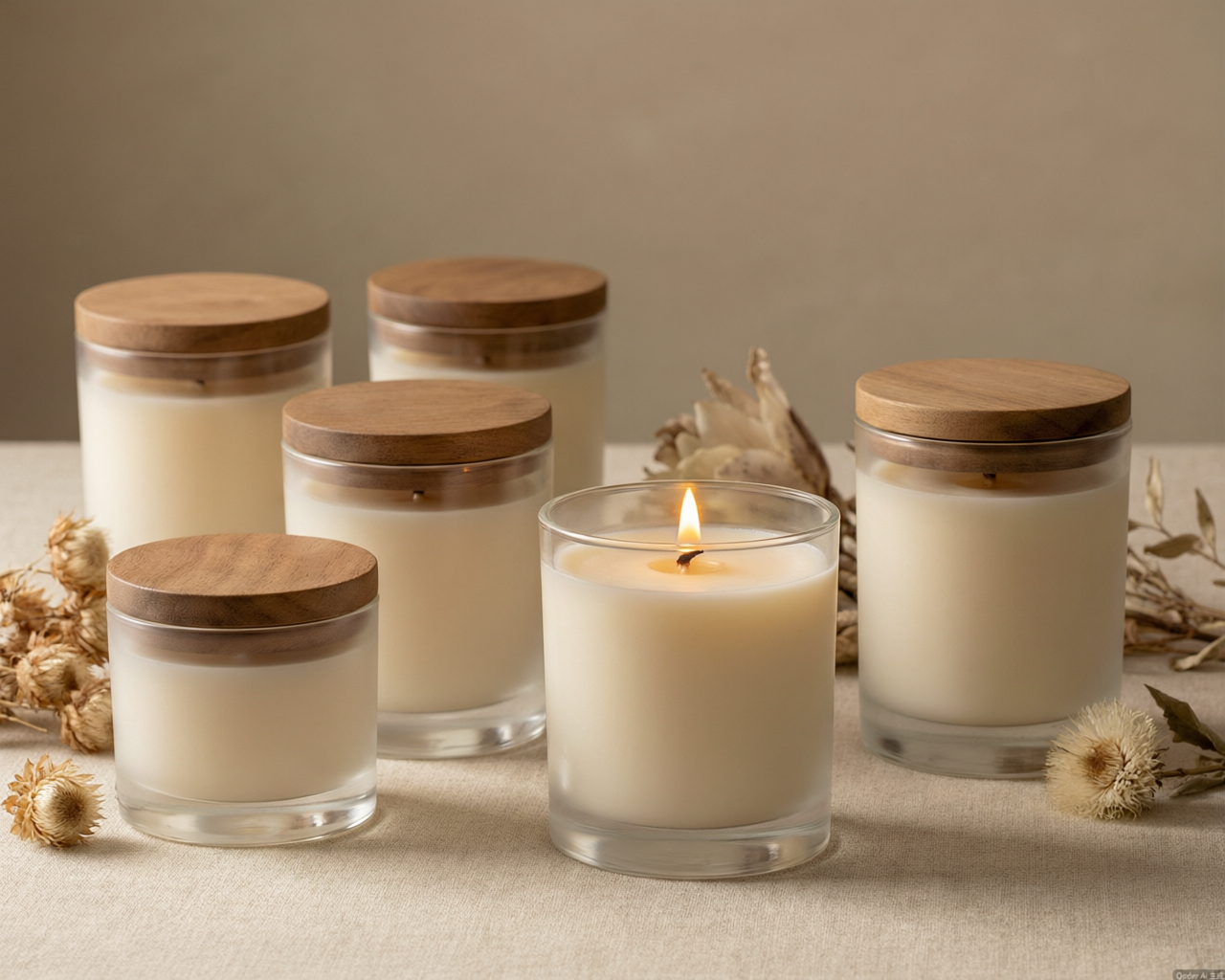
The table below reflects typical pricing for a standard 200 g soy-wax scented candle in a glass jar with custom label, sourced from a Guangdong-based OEM factory. Figures are FOB unless noted.
| Cost Element | Stocking (MOQ 1,000 pcs) | Dropshipping (per order) | Hybrid (500 stock + overflow dropship) |
|---|---|---|---|
| Unit manufacturing cost | $2.80 – $3.60 | $4.20 – $5.50 | $3.10 – $4.00 |
| Custom label / packaging setup | $150 – $400 one-time | Included or $0.50/pc | $150 one-time + $0.50/pc overflow |
| Ocean freight to US/EU (per unit) | $0.35 – $0.60 | N/A (supplier ships) | $0.35 – $0.60 on stock portion |
| Last-mile shipping to customer | $4.50 – $7.00 (3PL) | $6.00 – $11.00 (ePacket/express) | $4.50 – $7.00 stock / $8.00+ overflow |
| Warehousing (monthly, per unit) | $0.15 – $0.40 | $0 | $0.15 – $0.40 on stock portion |
| Effective landed cost per sale | $7.80 – $11.60 | $10.70 – $17.00 | $8.10 – $12.00 |
Key takeaway: dropshipping adds roughly 30–50 percent to your per-unit cost, but it eliminates $3,000–$18,000 in upfront inventory investment per SKU. For a brand testing 8 new scents, that is the difference between risking $80,000 in capital versus $12,000 in marketing spend.
When Dropshipping Wins
Fragrance dropshipping is not a compromise; it is the correct strategic choice in specific scenarios:
- Product validation: You want to test 6–12 new scents without committing to 1,000-unit MOQs. A candle dropship supplier that offers 50-piece minimums lets you gather real sales data in 30–60 days before placing a bulk order.
- Seasonal and gifting spikes: Holiday candle sets, Valentine’s reed diffuser bundles, and corporate gift boxes peak for 4–6 weeks. Stocking 3,000 units for a November–December window means paying storage fees from September through January. Dropship overflow avoids that.
- Cash-flow constraints: Startups with less than $25,000 in working capital cannot afford to lock funds in 90-day ocean transit plus 60 days of warehouse dwell time. Dropshipping converts fixed inventory cost into variable per-sale cost.
- Geographic expansion: Entering a new market (e.g., Australia or the Middle East) where you lack a 3PL relationship. Dropship directly from the factory while you build local logistics.
When Stocking Wins
Traditional bulk purchasing remains superior once you have demand certainty:
- Proven bestsellers: If a single SKU generates more than 300 orders per month consistently, the 30–50 percent per-unit premium of dropshipping erodes margin faster than warehousing ever would. At 500 units/month, stocking saves $1,500–$3,000 monthly versus dropship.
- Amazon FBA and marketplace compliance: Amazon requires FBA inventory to arrive in specific carton configurations with FNSKU labels. Most China-based dropship operations cannot guarantee 48-hour FBA replenishment. Stock in advance and ship by ocean to hit the 30–45 day lead time.
- Quality control at scale: When you receive a full container, you can run AQL 2.5 inspection on-site before goods leave the factory. Dropship parcels go directly to consumers, meaning a defect rate of 2 percent translates into customer complaints rather than a contained warehouse rejection.
- Brand-unboxing experience: Premium brands investing in custom rigid boxes, tissue paper, and handwritten note cards need a controlled packing environment. A 3PL you audit quarterly delivers consistency that per-parcel factory dropship rarely matches.
Supplier Vetting Checklist
Whether you choose a candle dropship partner or a bulk OEM manufacturer, run through this checklist before signing a purchase order:
- Minimum order flexibility: Confirm whether the supplier supports 50-piece test runs for dropship and 500-piece MOQs for stocking. A rigid 3,000-piece minimum signals a factory optimized for large retailers, not agile brands.
- Customization depth: Ask for samples of custom labels, vessel colors, and packaging. A true OEM partner like those listed in our OEM program will provide dielines, Pantone matching, and 7-day sample turnaround.
- Compliance documentation: Request IFRA certificates, SDS sheets, CLP labels (EU), and Prop 65 warnings (California) for every fragrance oil used. Missing documentation is a customs seizure risk.
- Shipping SLA: For dropship, require a written commitment: orders placed before 14:00 CST ship within 48 hours, with tracking uploaded to your platform via API. For stocking, confirm FOB lead time (typically 25–35 days production + 28–40 days ocean transit).
- Defect resolution policy: Negotiate a credit or replacement threshold. Industry standard is 1–2 percent defect allowance; anything above 3 percent should trigger a batch investigation at the supplier’s cost.
- Platform integration: If you sell on Shopify, WooCommerce, or Amazon, verify the supplier can push tracking numbers automatically. Manual CSV uploads do not scale past 50 orders per day.
Transitioning Between Models
Most successful fragrance brands do not pick one model forever. A typical progression looks like this:
- Months 1–3 (validation): Dropship 6–10 SKUs. Budget $800–$1,500 in product samples and small-batch orders. Focus ad spend on identifying 2–3 scents with a repeat-purchase rate above 12 percent.
- Months 4–8 (first stock): Place a 500–1,000 unit order on your top 2 SKUs. Ship by air ($4.50–$6.00/kg) for the first batch to capture momentum, then switch to ocean for reorders.
- Months 9–18 (hybrid): Stock bestsellers in a domestic 3PL. Keep seasonal, limited-edition, and long-tail SKUs on dropship. Review the split quarterly using a simple rule: any SKU averaging fewer than 80 orders/month moves to dropship; any SKU above 250 moves to stock.
- Month 18+ (scale): Negotiate annual volume pricing with your manufacturer. At 10,000+ units/year per SKU, expect unit costs to drop 12–18 percent below initial quotes. Explore exclusive fragrance development through a structured product catalog review with your supplier.
Hidden Costs to Model
Procurement teams often undercount these line items:
- Dead stock write-offs: Industry average for fragrance is 8–15 percent of stocked units never sell at full price. Factor a 10 percent markdown assumption into your stocking ROI.
- Currency fluctuation: RMB/USD movement of 3–5 percent over a 90-day production window can erase your margin buffer. Lock rates with a forward contract on orders above $20,000.
- Returns processing: Dropship returns go back to the supplier (or are written off). Stocked returns come back to your 3PL at $2.50–$4.00 handling per unit. Model a 4–7 percent return rate for DTC candle sales.
- Regulatory re-labeling: If you stock 2,000 units and a regulation changes (e.g., EU CLP updates or new allergen disclosure rules), re-labeling costs $0.30–$0.80 per unit. Dropship suppliers absorb this cost on their end.
Decision Matrix
Use this quick-reference matrix to align the model with your current situation:
| Factor | Lean Dropship | Lean Stocking |
|---|---|---|
| Monthly order volume | Under 200 | Over 500 |
| SKU count | More than 15 active | Fewer than 8 core |
| Working capital | Under $30,000 | Over $75,000 |
| Delivery speed promise | 7–15 days acceptable | 2–5 days required |
| Customization complexity | Standard label + vessel | Full custom mold + rigid box |
| Sales channel | DTC website, Etsy | Amazon FBA, retail wholesale |
| Demand predictability | Low (new scents, new markets) | High (12+ months data) |
If you score 4 or more factors on one side, that is your default model. If the score is split 3–4, run the hybrid approach and revisit quarterly.
Next Steps
Choosing between fragrance dropshipping and stocking is not a one-time decision — it is an ongoing allocation exercise that should be revisited every quarter as your order velocity, SKU portfolio, and cash position evolve. The brands that grow profitably are the ones that treat both models as tools rather than identities.
If you are ready to pressure-test the numbers for your specific product mix, start with three actions this week:
- Pull your last 90 days of order data and calculate per-SKU velocity. Flag anything below 80 units/month as a dropship candidate.
- Request landed-cost quotes from at least two suppliers for both models. Compare the all-in cost per delivered unit, not just the FOB price.
- Order samples of your top 3 scents in both a dropship-ready package and a bulk-retail configuration. Evaluate unboxing quality, label adhesion, and transit damage side by side.
Browse our full product catalog to identify SKUs that fit your channel, explore customization options through our OEM program, or request a quote with your target volumes and we will return a detailed cost breakdown for both dropship and stocking scenarios within 2 business days.