Market Guides
The UAE Fragrance Market: Opportunities for B2B Suppliers

The United Arab Emirates represents one of the world’s most lucrative fragrance markets per capita. With a population of approximately 10 million and a deeply rooted cultural tradition of fragrance use, the UAE generates annual fragrance retail sales exceeding USD 1.8 billion. Per-capita spending on fragrance products ranks among the highest globally, creating substantial opportunities for B2B suppliers of candles, diffusers, essential oils, and home fragrance products.
Market Size and Growth
The UAE fragrance and home scenting market has grown at a compound annual rate of 7-9% since 2020. Key market indicators include:
- Total UAE fragrance market value: approximately USD 1.8 billion (2024)
- Home fragrance segment: USD 280-320 million and growing at 10-12% annually
- Scented candle segment: USD 85-110 million with double-digit growth
- Projected market value by 2028: USD 2.5 billion total fragrance
Growth drivers include tourism recovery (Dubai welcomed 17.2 million international visitors in 2024), expanding hospitality and real estate sectors, and a young, affluent consumer base that views fragrance as an essential lifestyle product rather than an occasional luxury.
Consumer Preferences
Understanding Emirati and expatriate consumer preferences is critical for product development:
Scent profiles: The UAE market strongly favors rich, long-lasting fragrances. Oud (agarwood), amber, musk, rose, sandalwood, and saffron dominate. Western-style light florals have a smaller but growing niche among expatriate consumers. For home fragrance products, buyers should prioritize intense throw and longevity over subtlety.
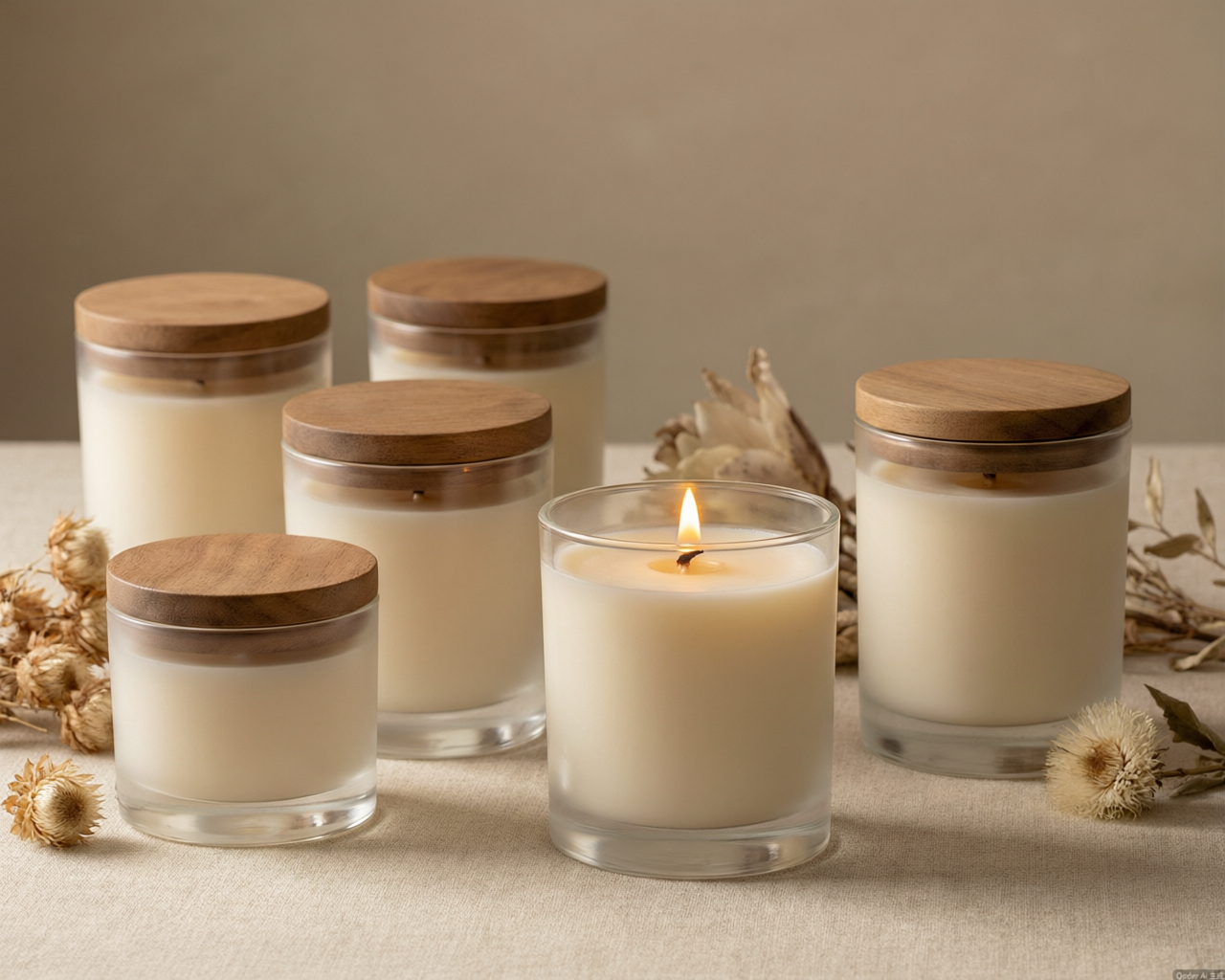
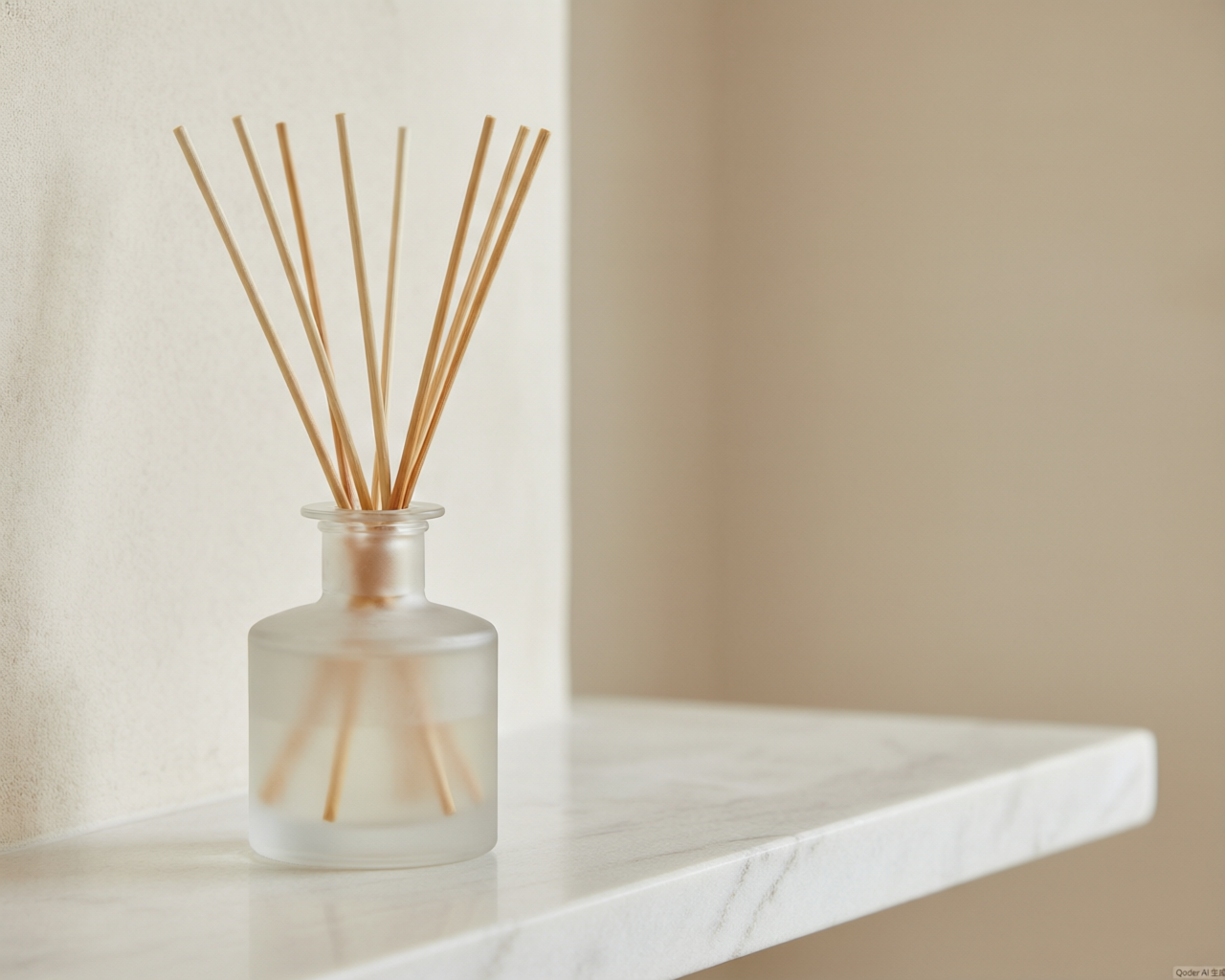
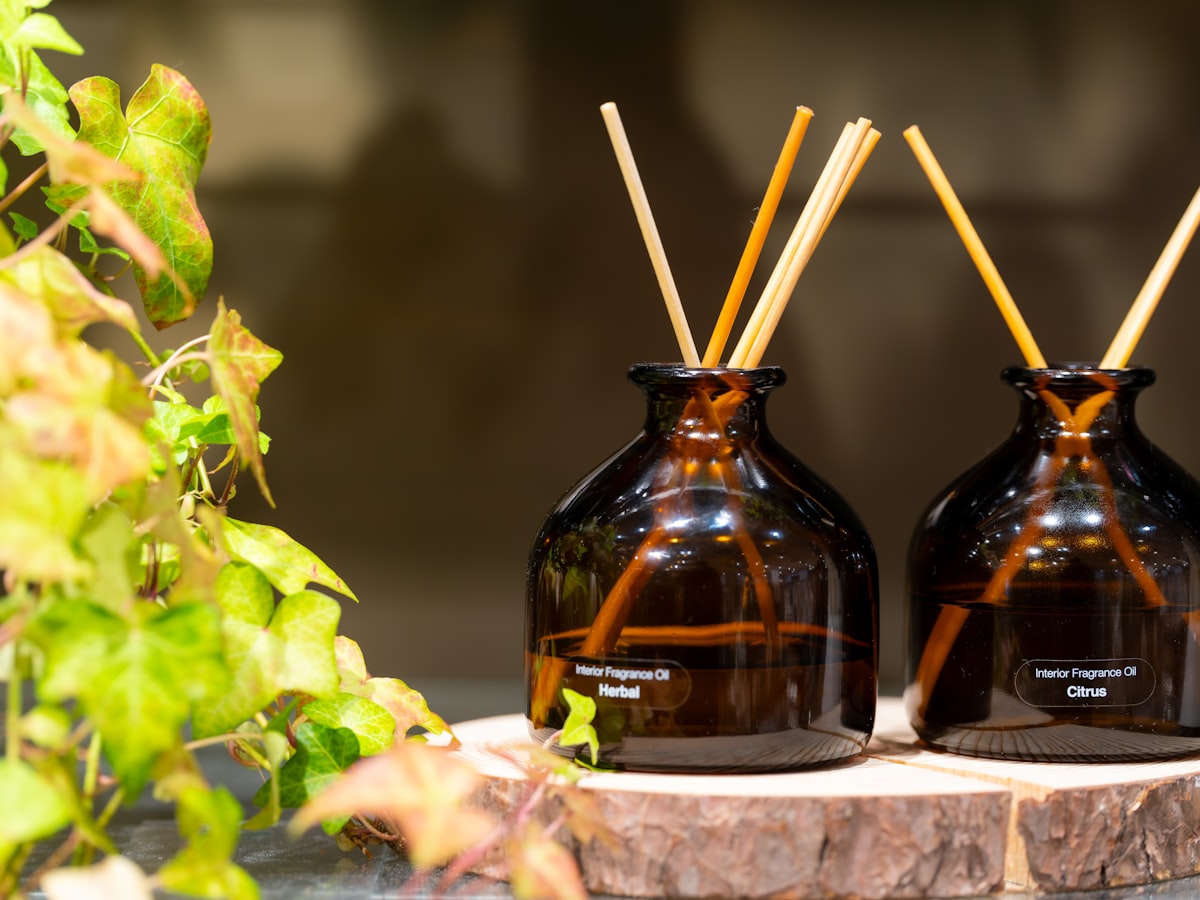
Product formats: Traditional bakhoor (incense) remains culturally significant, but reed diffusers, electric aroma diffusers, and premium candles are rapidly gaining share, particularly among consumers under 40. Luxury candle formats (300g+, multi-wick, decorative vessels) perform well in the gifting segment.
Packaging expectations: UAE consumers associate weight, material quality, and ornate design with value. Gold accents, heavy glass, and premium unboxing experiences justify higher price points. Minimalist Scandinavian packaging underperforms relative to more decorative approaches.
Price sensitivity: The market spans from mass-market (AED 20-60 for candles) to ultra-luxury (AED 300-1,500+). The strongest B2B opportunity sits in the “accessible luxury” tier: AED 80-250 for candles and AED 100-350 for diffusers.
Distribution Channels
B2B suppliers can access the UAE market through several channels:
Retail chains and department stores: Paris Gallery, Faces (Wojooh), Sephora Middle East, and Bloomingdale’s Dubai carry home fragrance lines. These buyers require established brands with compliance documentation and consistent supply.
Specialty home fragrance retailers: Brands like Bath & Body Works, Jo Malone, and Diptyque have strong UAE presence. Multi-brand concept stores and independent boutiques in Dubai Design District (d3) and Alserkal Avenue seek differentiated products.
Hospitality and commercial scenting: Hotels, malls, spas, and corporate offices represent a growing B2B segment. The UAE has over 1,100 hotels, many of which invest in signature scent programs. This channel values reliability, custom fragrance development, and bulk pricing.
E-commerce: Noon.com, Amazon.ae, and Ounass serve the online segment. E-commerce grew 25% year-over-year in the UAE home fragrance category. Brands need UAE-based fulfillment or a local distributor to compete on delivery speed.
Free zone trading: Many international fragrance companies establish operations in Jebel Ali Free Zone (JAFZA) or Dubai Multi Commodities Centre (DMCC) to serve the broader GCC and MENA region.
Regulatory Environment
The UAE regulates fragrance products through several bodies:
- Emirates Authority for Standardization and Metrology (ESMA): Sets product standards including UAE.S GSO 1943 for cosmetics and personal care products, which covers fragrance items.
- Dubai Municipality: Requires product registration through the Montaji system for cosmetics and consumer products sold in Dubai.
- Gulf Standardization Organization (GSO): GCC-wide technical regulations apply, including GSO 1943/2016 for cosmetics labeling.
- Civil Defense: Candles and products with open flames may require additional safety certifications.
Product labels must include Arabic text alongside English, list ingredients using INCI nomenclature, display manufacturing and expiry dates, and identify the local authorized representative.
Sourcing from China: Competitive Advantages
Chinese manufacturers hold a strong position in UAE fragrance supply chains:
- Production costs 50-70% below European manufacturers
- Full customization capabilities for vessels, scents, and packaging
- Experience with Arabic labeling and GCC compliance requirements
- Shipping transit of 18-22 days from Shanghai/Ningbo to Jebel Ali
- No import duty on most fragrance products under UAE’s 5% standard tariff (HS 3406 candles: 5%, HS 3307 air fresheners: 5%)
Entering the Market: Practical Steps
- Identify your channel: Retail, hospitality, or e-commerce each have different requirements.
- Appoint a local agent or distributor: UAE commercial law typically requires a local partner for on-ground distribution.
- Register products: Complete Dubai Municipality Montaji registration or equivalent in other emirates.
- Adapt your product: Increase fragrance intensity, add Arabic labeling, and elevate packaging.
- Attend trade shows: Beautyworld Middle East (Dubai, October) and Hotel Show are key B2B events.
- Establish logistics: Use JAFZA warehousing for GCC-wide distribution.
Conclusion
The UAE fragrance market rewards suppliers who understand local preferences for intensity, luxury presentation, and cultural relevance. B2B buyers who partner with experienced Chinese manufacturers capable of delivering GCC-compliant, Arabic-labeled, premium products can capture significant share in a market where per-capita fragrance spending continues to rise.
Aromiso supplies UAE distributors and brands with custom candles, reed diffusers, and essential oil products designed for the GCC market, including Arabic labeling support and GSO-compliant formulations.