Market Guides
Fragrance Sourcing for Middle Eastern Brands: A China Guide

The Middle East fragrance market, spanning the GCC states (UAE, Saudi Arabia, Qatar, Kuwait, Bahrain, Oman) plus Iraq, Jordan, and Egypt, exceeds USD 5 billion in annual retail sales. The region’s deep cultural connection to fragrance, combined with rapid retail expansion and a young consumer demographic, drives sustained demand. For Middle Eastern brands and distributors, China has become the dominant sourcing origin for home fragrance products, offering unmatched customization, competitive pricing, and increasingly sophisticated quality. This guide covers how to build a successful China sourcing operation.
Why Middle Eastern Brands Source from China
China supplies an estimated 65-75% of home fragrance products sold in the Middle East. The advantages are structural:
- Cost: 50-70% lower than European manufacturing at equivalent quality levels
- Customization depth: Custom vessels, exclusive fragrances, bespoke packaging, and private molds
- Scale flexibility: Orders from 1,000 units (boutique brands) to 500,000+ units (retail chains)
- Speed: 25-40 day production cycles for standard products; 45-60 days for fully custom programs
- Material range: Glass, ceramic, metal, wood, and concrete vessels; soy, paraffin, coconut, and gel waxes
- Compliance experience: Established factories understand GCC labeling, GSO standards, and Arabic requirements
Product Categories in Demand
Middle Eastern buyers source the following product categories from China:
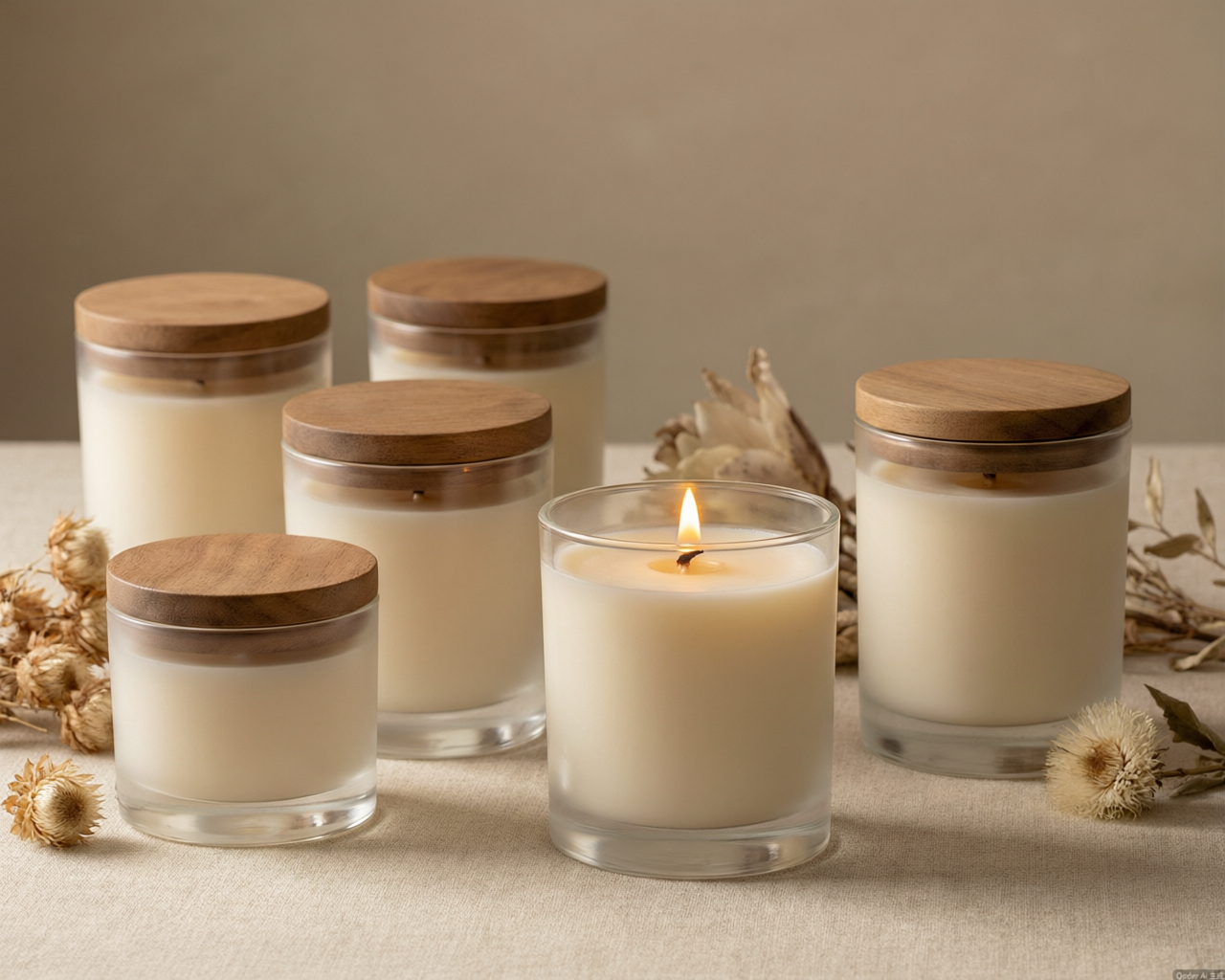
Scented candles: The fastest-growing category. Demand centers on large-format candles (300g-1kg), multi-wick designs, and luxury vessels. Oud, amber, musk, rose, and saffron profiles dominate. FOB pricing: USD 3-15 depending on size and materials.
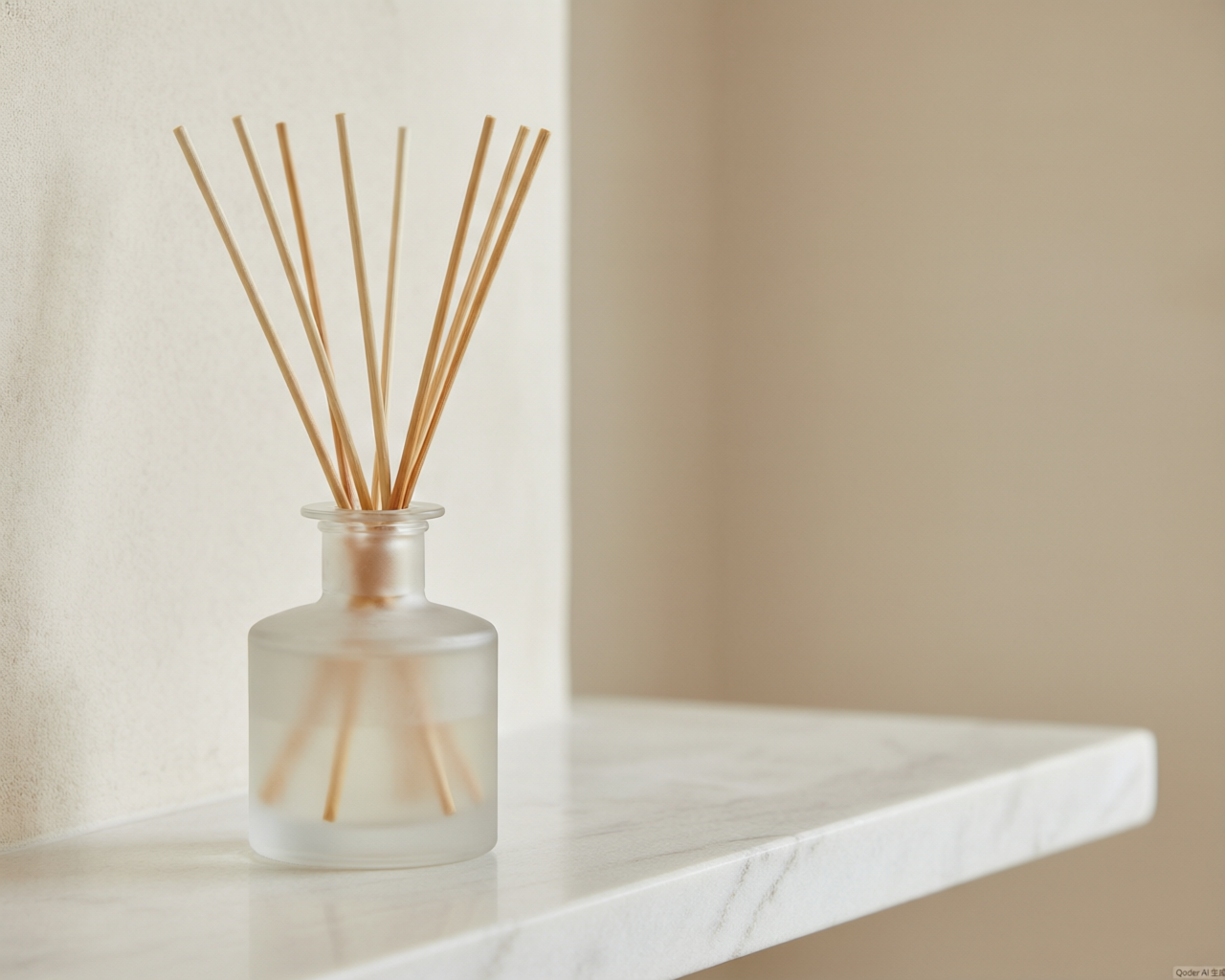
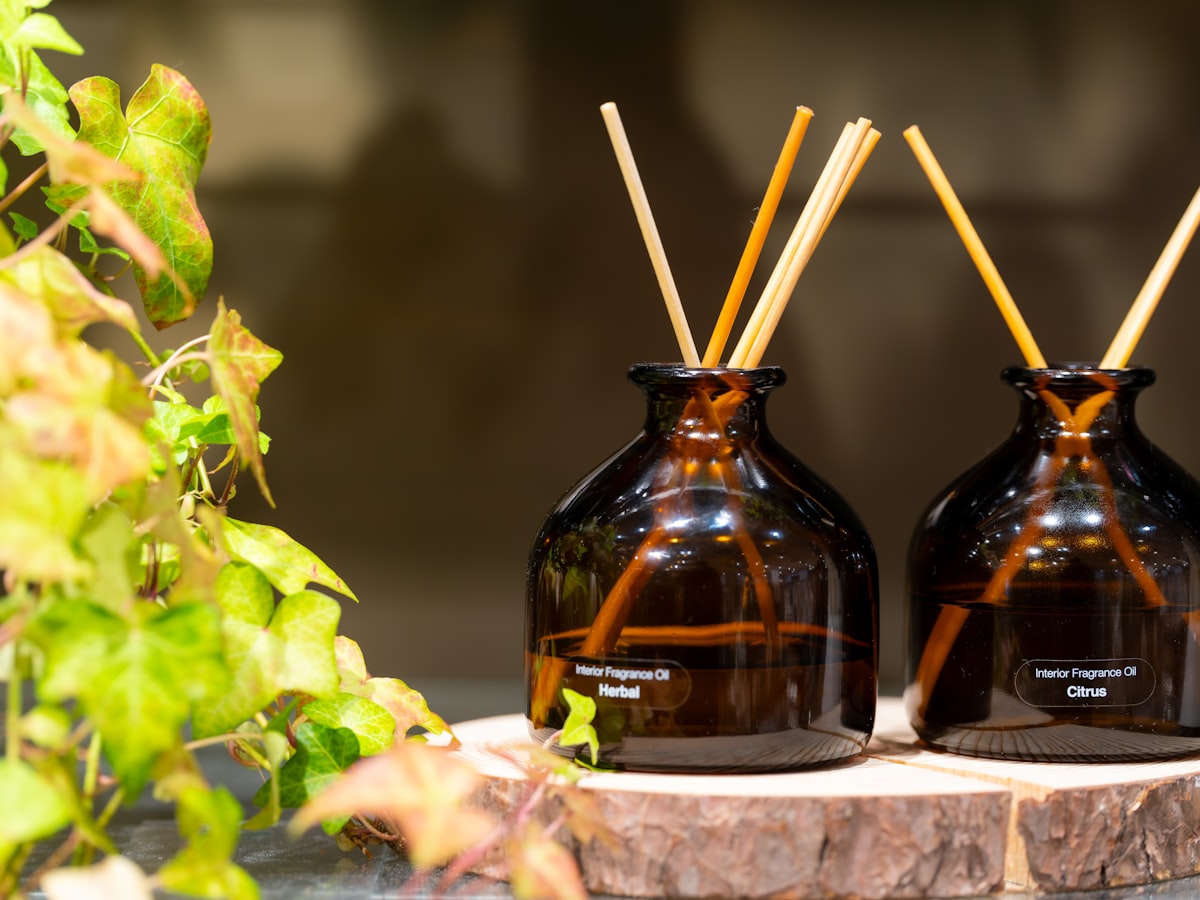
Reed diffusers: High demand for long-lasting formulations (3-6 months). Premium glass bottles with decorative reeds. Arabic-inspired vessel designs perform well. FOB pricing: USD 2.50-8 per unit.
Bakhoor and incense products: Traditional formats with modern manufacturing. Chinese factories produce bakhoor burners (electric and charcoal), molded incense, and packaged bakhoor chips. FOB pricing: USD 1.50-6 for burners, USD 0.80-3 for incense products.
Electric aroma diffusers: Ultrasonic and nebulizing diffusers for home and commercial use. Demand for wood-grain finishes, Arabic geometric patterns, and smart-home connectivity. FOB pricing: USD 5-25.
Room sprays and linen mists: High-volume consumable products. Alcohol-based and water-based formulations. FOB pricing: USD 0.80-2.50 per unit.
Essential oil blends: For retail and aromatherapy channels. GCC consumers prefer pure oils and concentrated blends. FOB pricing: USD 1-8 per 10ml bottle depending on oil quality.
Sourcing Process: Step by Step
1. Supplier Identification and Vetting
Identify manufacturers through:
- Canton Fair (Guangzhou, April/October): The largest sourcing event, with dedicated home fragrance halls
- Alibaba and Made-in-China platforms for initial research
- Industry referrals and trade associations
- Factory audit reports (request BSCI, Sedex, or ISO 9001 certifications)
Vetting criteria:
- Minimum 3 years of Middle East export experience
- In-house fragrance development capability
- Arabic labeling and GSO compliance knowledge
- Third-party audit certification
- References from existing Middle Eastern clients
2. Product Development and Sampling
- Provide reference products, scent descriptions, or target price points
- Expect 2-4 weeks for initial samples
- Budget 3-5 sample rounds for custom fragrances
- Sample costs: typically USD 50-200 per product (credited against first order)
- Request IFRA certificates and SDS with every sample
3. Compliance and Documentation
Before production, confirm:
- GSO 1943/2016 compliance (cosmetics and personal care)
- GSO 2528 compliance (candles)
- Arabic/English bilingual labeling with all required elements
- Local authorized representative identified on labels
- Product registration in target markets (Dubai Montaji, Saudi SFDA, etc.)
- Halal certification if required (particularly for Saudi Arabia)
4. Production and Quality Control
- Standard production time: 25-35 days after sample approval
- Implement pre-shipment inspection (PSI) via SGS, Bureau Veritas, or Intertek
- Inspection cost: USD 250-400 per man-day
- Key QC checks: fragrance intensity and accuracy, wax quality, vessel integrity, label accuracy, packaging condition
- AQL standards: Level II, with critical defects at 0, major at 2.5, minor at 4.0
5. Logistics and Shipping
- Ocean transit: 18-22 days from Shanghai/Ningbo/Shenzhen to Jebel Ali (Dubai) or Dammam (Saudi Arabia)
- Freight costs: USD 1,800-3,500 per 40-foot container (2025 rates)
- Incoterms: Most Middle Eastern buyers prefer FOB (buyer controls shipping) or CIF (seller arranges shipping to destination port)
- Consolidation: For multi-SKU orders, factories can consolidate into single containers
- Climate considerations: Ship paraffin candles in cool months or use climate-controlled containers to prevent melting and frosting
Cost Structure Example
For a premium 400g soy candle with custom vessel, targeting UAE retail at AED 120:
| Cost Element | Amount (USD) |
|---|---|
| FOB factory price | 5.50 |
| Ocean freight (allocated) | 0.45 |
| Import duty (5%) | 0.30 |
| Customs clearance and handling | 0.20 |
| Warehousing (monthly allocation) | 0.15 |
| Landed cost | 6.60 |
| Retail price (AED 120 = USD 32.70) | 32.70 |
| Gross margin | ~80% |
Building Long-Term Partnerships
Successful Middle Eastern brands treat Chinese factories as strategic partners:
- Annual volume agreements: Commit to yearly volumes for 5-15% price reductions and priority production scheduling
- Exclusive fragrances: Develop proprietary scents with contractual exclusivity for your market
- Joint product development: Collaborate on seasonal collections and limited editions
- Dedicated account management: Request a dedicated English/Arabic-speaking account manager
- Quality agreements: Establish written quality standards, defect thresholds, and remediation procedures
- Payment terms: Negotiate from 100% T/T advance to 30% deposit / 70% against B/L copy as trust builds
Regional Market Nuances
- UAE: Most open market, 5% duty, strong re-export hub to wider MENA
- Saudi Arabia: Largest single market (USD 1.8B fragrance), requires SFDA registration, halal certification valued
- Qatar/Kuwait/Bahrain/Oman: Smaller volumes but high per-capita spending, follow GSO standards
- Egypt: Price-sensitive, higher volumes, different regulatory pathway (GOEIC registration)
- Iraq/Jordan: Growing markets, less formal regulatory requirements, price-driven
Common Sourcing Mistakes
- Choosing suppliers on price alone without verifying Middle East export experience
- Skipping pre-shipment inspection to save USD 300, then receiving defective goods
- Ordering without confirming Arabic label compliance, causing customs holds
- Underestimating lead times for peak seasons (Ramadan, Eid, Q4 gifting)
- Failing to secure fragrance exclusivity, allowing competitors to source identical scents
Conclusion
China sourcing offers Middle Eastern fragrance brands the best combination of cost, quality, and customization available globally. The key to success is selecting experienced manufacturers, investing in compliance upfront, and building relationships that enable exclusive products and preferential terms. Brands that master their China supply chain gain a structural competitive advantage in one of the world’s most fragrance-passionate markets.
Aromiso serves Middle Eastern brands and distributors with dedicated GCC-market product lines, Arabic labeling, GSO-compliant formulations, halal-certified options, and exclusive fragrance development. Our team includes Arabic-speaking account managers and we maintain regular shipping schedules to Jebel Ali, Dammam, and Doha. Contact us for a tailored sourcing proposal.