Product Knowledge
Synthetic vs Natural Fragrance: Performance, Cost, and Compliance
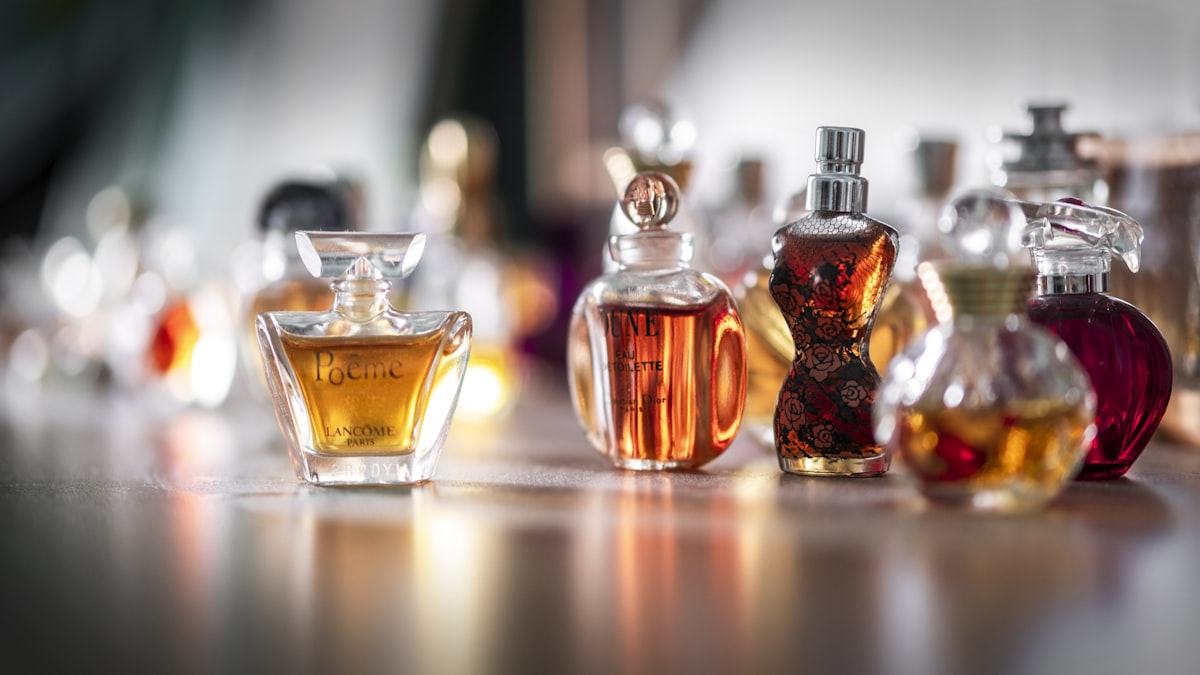
Few topics generate more confusion in fragrance procurement than the natural-versus-synthetic debate. Marketing language often implies that natural is automatically safer, more sustainable, or higher quality. In production reality, the picture is more nuanced. This article compares the two material classes across the four criteria that matter most to buyers: performance consistency, allergen and compliance profile, sustainability, and cost.
Defining the Terms
- Natural fragrance materials are obtained by physical processes (distillation, expression, extraction) from plants or, less commonly, animal sources. Examples: lavender oil, rose otto, vetiver oil, vanilla absolute.
- Synthetic fragrance materials are produced by chemical synthesis. They may be nature-identical (linalool, vanillin) or wholly novel (Iso E Super, Calone, Ambroxan).
- “Natural-identical” is a working industry term for synthetics whose molecular structure exists in nature. They are not classified as natural under ISO 16128, but they often behave identically in formulas.
Most commercial fragrances are blends. A typical fine fragrance contains 60-90% synthetic materials and 10-40% naturals by weight of the concentrate.
Performance and Consistency
Synthetics win on consistency. A drum of synthetic linalool is specified to 95-98% purity and behaves identically batch to batch. A drum of lavender oil varies with harvest, region, rainfall, and distillation conditions; its linalool content can range from 20% to 45%.
For buyers, this means:
- Synthetics deliver reproducible scent profiles across production runs, which is essential for global brands and reorders.
- Naturals introduce batch variation that must be managed through blending, gas chromatography (GC-MS) testing, and approved-reference standards.
Naturals contribute complexity that synthetics struggle to replicate fully. A rose absolute contains 300+ trace compounds; no synthetic rose base reproduces all of them. That is why premium formulas use both.
Allergen and Compliance Profile
A common misconception is that natural materials are gentler on skin. The opposite is often true.
Under EU Regulation 1223/2009, 26 fragrance allergens must be declared on labels above 10 ppm in leave-on products and 100 ppm in rinse-off products. The 2023 amendment expands this list to 80+ substances. Many of the most-declared allergens are natural:
- Linalool and limonene (citrus and lavender oils)
- Geraniol and citronellol (rose and geranium oils)
- Eugenol (clove oil)
- Cinnamal (cinnamon oil)
- Oakmoss extracts (atranol and chloroatranol restrictions)
Synthetics can be designed to avoid these allergens entirely. A “low-allergen” or “allergen-free” fragrance is almost always synthetic-dominant.
IFRA standards restrict both classes, but naturals carry additional restrictions due to phototoxicity (bergamot, lime, lemon expressed) and sensitization (oakmoss, treemoss, cassia). Buyers targeting sensitive-skin or baby-care categories should specify synthetic-dominant or allergen-declared formulas in the brief.
Sustainability Claims
Sustainability is the most contested claim in this debate.
Naturals are renewable but resource-intensive. Producing 1 kg of rose otto requires roughly 3,000-5,000 kg of rose petals. Sandalwood is slow-growing and CITES-regulated. Patchouli and vetiver farming can drive deforestation if not certified.
Synthetics are produced from petrochemical or bio-based feedstocks. Their carbon footprint per kg of fragrance material is often lower than naturals, but they do not carry the “grown, not made” marketing appeal.
For buyers, credible sustainability claims require documentation:
- UEBT or FairWild certification for naturals
- ISO 16128 natural-origin index calculations
- RSPO or mass-balance documentation for palm-derived synthetics
- Carbon footprint data per kg of concentrate, increasingly requested by EU retailers
A practical compromise is a “natural-origin index” of 50-70% under ISO 16128, which allows credible “made with natural ingredients” claims while maintaining performance and cost control.
Cost per Kilogram
Cost differences are large and worth quantifying:
| Material | Typical price per kg |
|---|---|
| Synthetic vanillin | USD 12-20 |
| Natural vanilla absolute | USD 400-1,200 |
| Synthetic linalool | USD 8-15 |
| Natural lavender oil (fine) | USD 80-180 |
| Synthetic rose base | USD 30-80 |
| Natural rose otto (Bulgarian) | USD 8,000-12,000 |
| Synthetic oud base | USD 50-200 |
| Natural oud oil (cultivated) | USD 30,000-80,000 |
A 100% natural fine fragrance concentrate typically costs USD 200-600 per kg. A synthetic-dominant equivalent lands at USD 30-100 per kg. At EDP concentration (15-18%), that translates to roughly USD 0.30-1.00 of fragrance cost per 50 ml bottle for synthetic-dominant formulas, versus USD 3.00-10.00 for all-natural.
Choosing for Your Brand
The decision framework most buyers use:
- Mass-market personal care and home fragrance: synthetic-dominant, with naturals at trace levels for label claims.
- Prestige fine fragrance: 70-85% synthetic, 15-30% naturals for signature character.
- Clean and natural-positioned brands: 50-100% natural or natural-origin, with full allergen disclosure.
- Sensitive-skin and baby categories: synthetic, allergen-declared, IFRA Category 4 or 5 compliant.
At Aromiso, we provide GC-MS reports, ISO 16128 natural-origin calculations, and full IFRA documentation for both natural and synthetic formulas, so buyers can defend their positioning with data rather than marketing language.