Candles
Aromatherapy Candles for Sleep & Stress Relief: A Buyer's Guide
The Wellness Candle Opportunity
The global wellness economy continues its double-digit growth trajectory, and home fragrance sits at the intersection of two booming consumer priorities: mental health self-care and intentional living spaces. Aromatherapy candles — products formulated with therapeutic-grade essential oils and marketed for their physiological and psychological benefits — represent one of the fastest-growing sub-segments in the candle industry.
For B2B buyers, this category commands premium pricing (typically 30-60% above standard scented candles), attracts loyal repeat customers, and opens distribution channels unavailable to conventional fragrance products: spas, yoga studios, wellness retailers, corporate wellness programs, and healthcare-adjacent gift shops.
What Makes a Candle “Aromatherapeutic”
Not every scented candle qualifies as aromatherapy. The distinction matters commercially and legally:
- Essential oil content: True aromatherapy candles use 100% natural essential oils as the primary fragrance source, typically at concentrations of 6-10% of wax weight. Synthetic fragrance oils may supplement but should not dominate.
- Therapeutic intent: The formulation is designed around documented aromachological effects — measurable impacts on mood, stress hormones, sleep latency, or respiratory comfort.
- Clean burn requirement: Consumers in this segment expect non-toxic wax bases (soy, coconut, beeswax, or rapeseed) and cotton or wood wicks free from lead and zinc cores.
A candle labeled “lavender scented” using synthetic fragrance is a home fragrance product. A candle formulated with Lavandula angustifolia essential oil at therapeutic concentration, marketed for relaxation, is an aromatherapy product — and can command the corresponding price point.
Key Therapeutic Scents and Their Benefits
Lavender (Lavandula angustifolia)
Primary benefit: Sleep promotion and anxiety reduction. Clinical studies demonstrate reduced cortisol levels and improved sleep quality. The single most recognized aromatherapy scent among consumers.
Eucalyptus (Eucalyptus globulus)
Primary benefit: Respiratory support and mental clarity. Opens airways, reduces perceived congestion. Popular in bathroom and shower-adjacent products.
Chamomile (Matricaria chamomilla / Anthemis nobilis)
Primary benefit: Deep relaxation and nervous system calming. Often blended with lavender for enhanced sedative effect. Appeals to stress-fatigued professionals.
Bergamot (Citrus bergamia)
Primary benefit: Mood elevation and emotional balance. Research links bergamot inhalation to reduced heart rate and blood pressure. A sophisticated citrus alternative to basic lemon or orange.
Sandalwood (Santalum album / Santalum spicatum)
Primary benefit: Meditation support and mental grounding. Slows breathing rate and promotes sustained focus. Premium positioning due to raw material cost.
Market Data: Wellness Candle Growth
The aromatherapy candle segment is projected to grow at a CAGR of 8-12% through 2030, outpacing the broader candle market (4-6% CAGR). Key drivers include:
- Rising consumer awareness of stress-related health impacts
- Growth of the self-care ritual as a mainstream lifestyle category
- Expansion of wellness retail channels (Thrive Market, Goop, local apothecaries)
- Corporate wellness budgets increasingly including environmental wellness products
- Social media amplification of evening wind-down routines featuring candles
Formulating Effective Aromatherapy Candles
Essential Oil Blend Ratios
Effective formulations typically combine a top-middle-base structure:
- Top notes (20-30%): Bergamot, eucalyptus, peppermint — immediate sensory impact
- Middle notes (40-50%): Lavender, chamomile, rosemary — therapeutic core
- Base notes (20-30%): Sandalwood, cedarwood, vetiver — longevity and grounding
Total essential oil load should be 6-10% of wax weight for therapeutic efficacy while maintaining safe flash points.
Wax Selection for Clean Burn
- Soy wax: Clean burn, excellent scent throw with essential oils, vegan-friendly
- Coconut-soy blend: Superior hot throw, creamy appearance, premium positioning
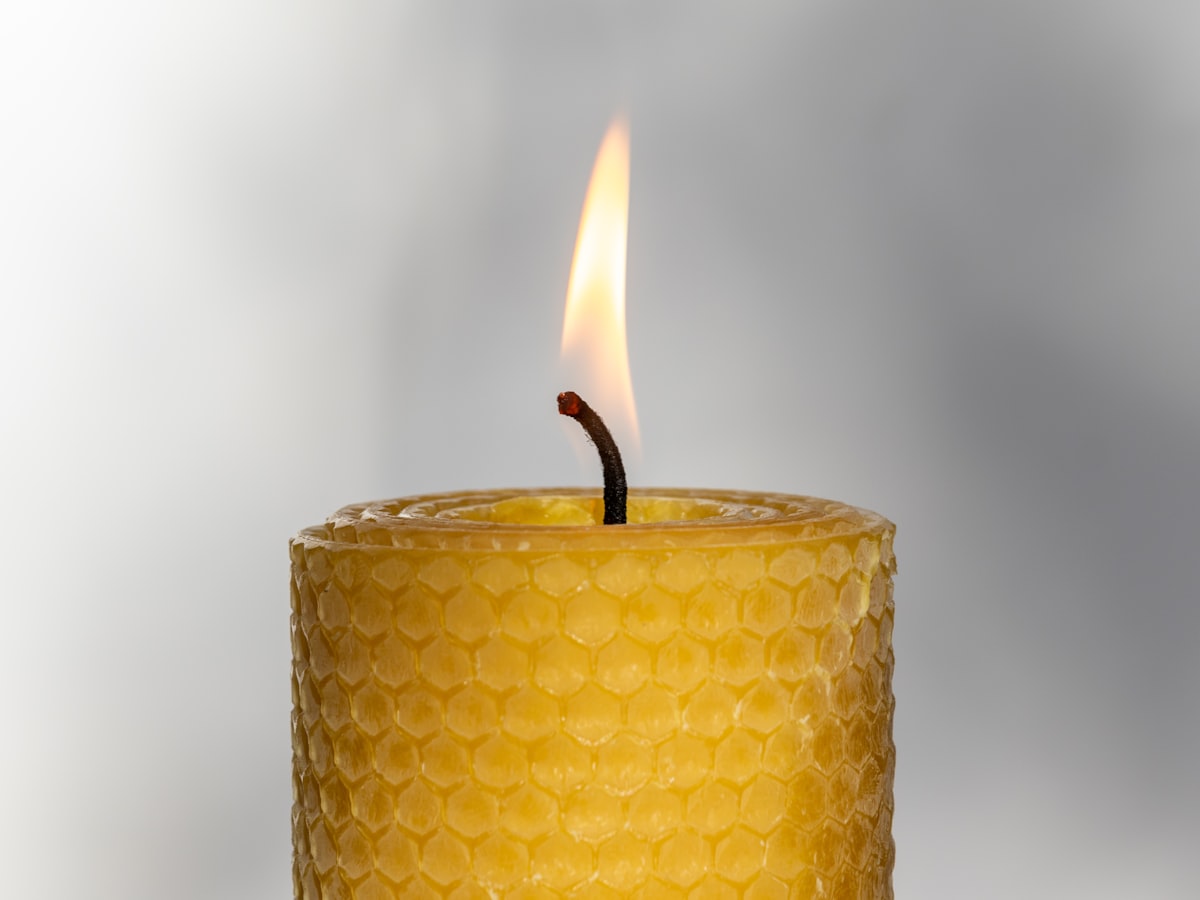
- Beeswax: Natural honey undertone, longest burn time, appeals to purist segment
- Rapeseed wax: European sustainability story, good essential oil compatibility
Packaging and Labeling: Regulatory Considerations
Critical compliance point: Aromatherapy candles are not medical devices or drugs. In the US (FTC/FDA), EU (CLP Regulation), and most markets, you cannot make medical claims such as “treats insomnia,” “cures anxiety,” or “reduces blood pressure.”
Permissible language includes:
- “Promotes relaxation” / “Supports a calm atmosphere”
- “Inspired by traditional aromatherapy practices”
- “Formulated with essential oils known for their soothing properties”
Labeling must include: CLP hazard pictograms (EU), ingredient disclosure per IFRA standards, burn time and safety warnings, and net weight. Avoid imagery suggesting pharmaceutical efficacy.
Positioning Strategies for B2B Success
Spa and Wellness Partnerships
Develop white-label programs for boutique spas, yoga studios, and wellness retreats. Offer branded candles as retail extensions of their treatment experience. Minimum orders as low as 200 units make this accessible.
Wellness Retail
Target specialty wellness retailers and online marketplaces. Products must meet clean-ingredient standards and feature transparent ingredient lists. Third-party certifications (organic, vegan, cruelty-free) significantly boost shelf placement.
Corporate Gifting
The corporate wellness gifting segment is expanding rapidly. Curated sets combining an aromatherapy candle with complementary items (sleep mask, herbal tea) command premium B2B pricing and recurring seasonal orders.
Quality Indicators Consumers Evaluate
Today’s wellness consumer is educated and discerning. They look for:
- Full ingredient transparency — botanical names, not just “fragrance”
- Essential oil percentage disclosure or “100% essential oil” claims
- Wax type clearly stated — soy, coconut, beeswax (never “paraffin”)
- Burn time testing data — minimum 40+ hours for standard sizes
- Third-party testing — phthalate-free, IFRA-compliant, no synthetic dyes
- Sustainable packaging — recyclable glass, FSC-certified boxes, minimal plastic
Partner with Aromiso for Aromatherapy Product Development
Aromiso provides end-to-end aromatherapy candle development for B2B partners worldwide:
- Essential oil blending by certified aromachologists
- Custom formulation optimized for therapeutic efficacy and burn performance
- Regulatory compliance support for EU, US, UK, and Asian markets
- Flexible MOQs from 500 units for market testing
- Private-label and white-label programs with full branding support
From initial scent concept through stability testing, compliance documentation, and scaled production, Aromiso’s team translates wellness trends into shelf-ready products that meet the exacting standards of today’s aromatherapy consumer.
Ready to develop your aromatherapy candle line? Contact Aromiso for a complimentary formulation consultation and sample kit.