Product Comparisons
Spray Diffuser vs Reed Diffuser: Which Product to Add First

Home fragrance brands often expand beyond candles into ambient scent products. The two most accessible categories are room sprays (spray diffusers) and reed diffusers. Both require relatively simple production equipment and share fragrance oil supply chains with candle lines. But they differ significantly in unit economics, consumer behavior, and operational complexity. This comparison helps B2B buyers decide which product to develop first.
Production Cost Per Unit
A standard 100 ml room spray consists of a PET or glass bottle, fine-mist sprayer, fragrance oil, alcohol or water-alcohol base, and a cap. Total landed production cost at 5,000-unit volumes:
- Glass bottle (100 ml): $0.35 to $0.60
- Sprayer mechanism: $0.25 to $0.45
- Liquid fill (fragrance + solvent): $0.40 to $0.90
- Cap and label: $0.10 to $0.25
- Assembly and QC: $0.10 to $0.20
- Total: $1.20 to $2.40 per unit
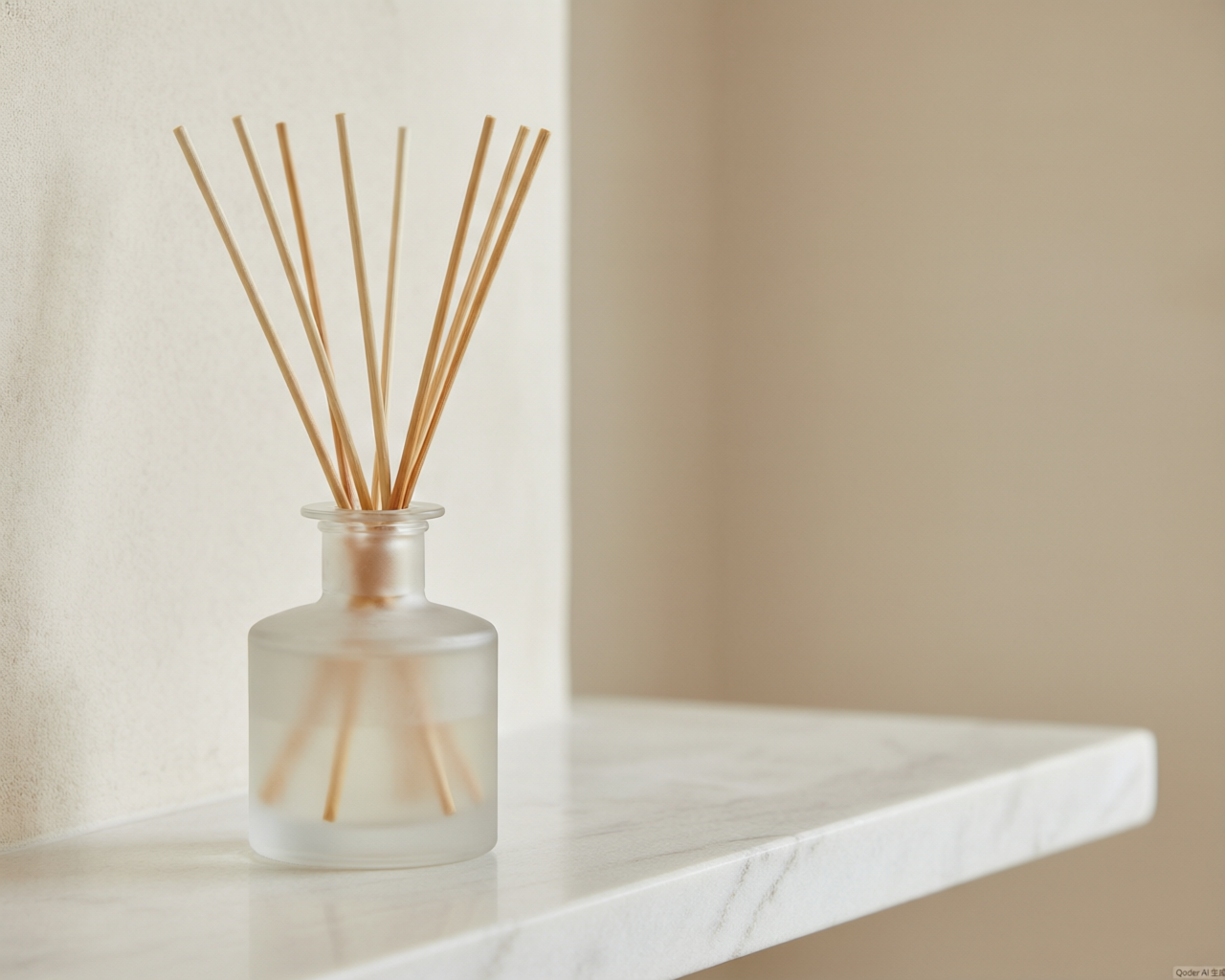
A standard 100 ml reed diffuser consists of a glass vessel, fiber or rattan reeds (6 to 8 sticks), fragrance-solvent blend, a closure collar, and packaging:
- Glass vessel (100 ml): $0.50 to $0.90
- Reeds (8 fiber sticks, 25 cm): $0.30 to $0.55
- Liquid fill (fragrance + DPG/IPM base): $0.60 to $1.20
- Closure and label: $0.15 to $0.30
- Assembly and QC: $0.15 to $0.25
- Total: $1.70 to $3.20 per unit
Room sprays are 20 to 35 percent cheaper to produce per unit. However, reed diffusers command higher retail prices, which shifts the margin analysis.
Retail Pricing and Margin
Room sprays at 100 ml typically retail at $12 to $22 in the mid-market segment and $28 to $45 in the premium segment. Reed diffusers at 100 ml retail at $22 to $38 mid-market and $45 to $75 premium.
Gross margin comparison at mid-market pricing:
- Room spray: retail $16, cost $1.80, margin approximately 89 percent
- Reed diffuser: retail $30, cost $2.45, margin approximately 92 percent
Both products offer strong margins, but the reed diffuser generates approximately $12 more gross profit per unit sold. For brands focused on revenue per SKU, reed diffusers deliver more absolute dollars.
Consumer Use Case and Repurchase
Room sprays are an active-use product. The consumer sprays 2 to 4 times per session, 1 to 3 times per day. A 100 ml bottle delivers approximately 800 to 1,200 sprays and lasts 2 to 4 months depending on usage frequency. The repurchase cycle is relatively short, which benefits subscription and replenishment models.
Reed diffusers are a passive-use product. Once set up, they require no daily interaction. A 100 ml diffuser lasts 6 to 12 weeks. The consumer replaces the entire unit or purchases a refill. Repurchase is less frequent but the transaction value is higher.
For brands building recurring revenue, sprays generate more frequent touchpoints. For brands building average order value, diffusers generate larger individual transactions.
Production Complexity
Room sprays require alcohol handling (ethanol at 60 to 80 percent concentration for most formulations). This triggers additional regulatory requirements including denatured alcohol permits in some markets, flammable liquid storage compliance, and specific labeling under CLP or OSHA HazCom regulations.
Reed diffusers using DPG or IPM bases do not require alcohol and avoid most flammable liquid regulations. The production process is a simple cold-blend mix and fill. No special permits or storage infrastructure is needed.
For contract manufacturers, this means reed diffusers have a lower compliance burden and faster production setup. At Aromiso, a new reed diffuser SKU can move from formulation approval to production in 10 to 14 days. A new spray SKU with alcohol base requires 18 to 25 days due to regulatory documentation.
Shipping and Logistics
Room sprays containing alcohol above 24 percent concentration are classified as limited quantity dangerous goods (UN1266) for transport. This adds $0.15 to $0.40 per unit in freight surcharges and restricts some air cargo options.
Reed diffusers with DPG/IPM bases and fragrance loads under 30 percent are generally shipped as non-dangerous goods. Freight costs are standard, and there are no restrictions on air or sea transport modes.
For export-focused brands, reed diffusers are logistically simpler and cheaper to ship internationally.
Shelf Life and Stability
Room sprays have a shelf life of 24 to 36 months when stored properly. The alcohol base acts as a preservative, and the sealed spray mechanism limits oxidation.
Reed diffusers also have a 24-month shelf life in sealed condition. Once opened and reeds are inserted, the product is in active use. Unsold inventory in sealed condition is stable, but retailers may return products approaching 12 months of age.
Neither product presents significant stability challenges in standard warehouse conditions.
Which to Launch First?
Launch a reed diffuser first if:
- You want higher revenue per unit and stronger margins
- You prefer simpler regulatory compliance and logistics
- Your brand emphasizes ambient, continuous fragrance
- You sell through home decor or gift channels
Launch a room spray first if:
- You want a lower entry cost per unit
- Your brand targets frequent-use, functional fragrance (linen spray, bathroom spray)
- You plan a subscription or replenishment model
- You want a product that cross-sells easily with candles at checkout
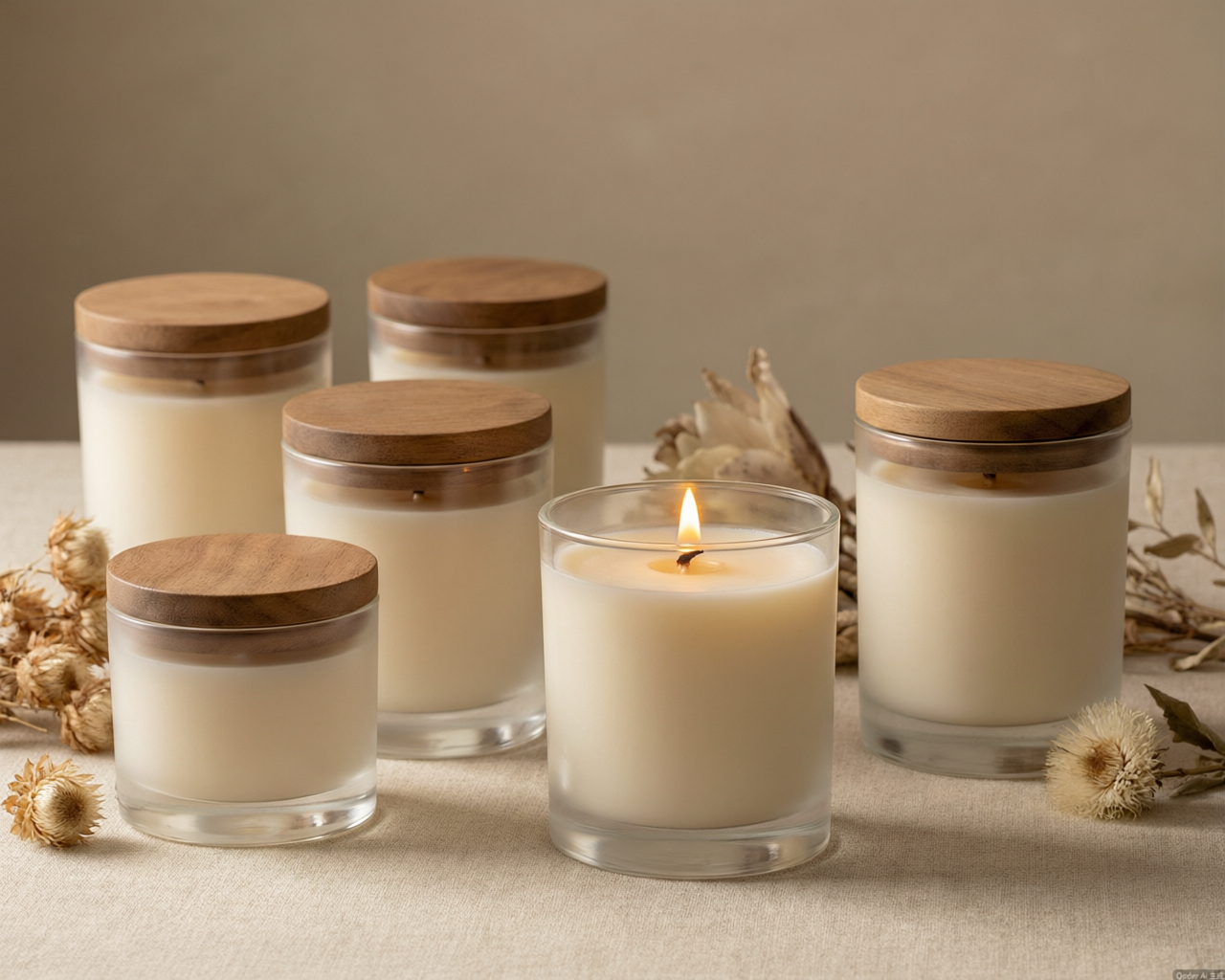
Many brands ultimately offer both. The production equipment overlap is significant, and fragrance oils can be shared across SKUs. A coordinated candle + diffuser + spray collection increases average order value by 40 to 60 percent compared to single-product offerings based on our client data.
Working with Aromiso
Aromiso manufactures both room sprays and reed diffusers under one roof. We offer matching fragrance formulations across product types so your collection smells consistent whether the customer lights a candle, inserts reeds, or sprays a room. MOQs start at 2,000 units per SKU. Request a product development kit to evaluate both formats side by side.