Product Comparisons
Glass vs Aluminum Bottles for Fragrance: Durability

Packaging material is a strategic choice that affects how a fragrance product survives shipping, how it feels in the customer’s hand, and how the brand is perceived. Glass has long dominated fragrance packaging, but aluminum has gained ground as brands seek durability, lightness, and a modern aesthetic. For B2B buyers, the decision balances protection, cost, sustainability, and image. This comparison examines glass and aluminum across the factors that matter most.
The Materials in Context
Glass is the traditional standard for perfume, essential oils, and diffusers. It is chemically inert, impermeable, and associated with premium quality. Aluminum is a lightweight metal increasingly used for travel sprays, body mists, and products where durability and portability are priorities. Both are recyclable, but they offer very different user experiences and brand signals.
Durability and Protection
Durability is aluminum’s clearest advantage. Glass is fragile. It breaks when dropped, cracks under thermal stress, and requires protective packaging that adds cost and bulk. Breakage in transit is a real source of returns and customer dissatisfaction, particularly for e-commerce.
Aluminum is highly impact-resistant. It dents rather than shatters, making it far more forgiving in shipping and daily use. This makes aluminum attractive for travel sizes, products sold through rugged channels, and brands shipping direct to consumer where parcel handling is unpredictable.
| Factor | Glass Bottle | Aluminum Bottle |
|---|---|---|
| Impact resistance | Low, shatters | High, dents only |
| Shipping breakage risk | Higher | Very low |
| Protective packaging needed | Yes | Minimal |
| Thermal stability | Good but can crack | Excellent |
Chemical Compatibility and Product Integrity
Glass is chemically inert and impermeable, meaning it will not react with fragrance compounds or allow oxygen transmission. This makes it ideal for long-term storage of sensitive formulas, concentrates, and essential oils. It preserves product integrity over years.
Aluminum bottles are lined with an internal coating to prevent the metal from reacting with the fragrance. Quality lining is essential; a poor or degraded liner can allow interaction that affects scent. For most consumer fragrance products with normal shelf lives, lined aluminum performs well, but for long-lived concentrates, glass remains the safer choice.
Weight and Logistics
Aluminum is dramatically lighter than glass. A comparable bottle can weigh a fraction of its glass equivalent, reducing shipping cost and carbon footprint per unit. For high-volume e-commerce or international shipping, this translates directly into lower freight charges and fewer emissions, supporting sustainability messaging.
Glass is heavy, which adds to freight cost but also contributes to the perception of quality and substance. The heft of a glass bottle is part of the premium experience many brands deliberately cultivate.
Sustainability Comparison
Both materials are recyclable, but their sustainability profiles differ in emphasis. Glass is infinitely recyclable without loss of quality and is made from abundant natural materials. Its main environmental cost is weight, which raises transport emissions, and the high energy required to manufacture.
Aluminum is also infinitely recyclable, and recycling aluminum uses roughly 95 percent less energy than producing new metal. Its lightweight nature reduces transport emissions. The environmental concern with aluminum is the energy-intensive primary production from bauxite, which makes recycled-content aluminum the more sustainable specification.
For a sustainability-focused brand, both can be defended. Aluminum’s lightness and high recycling value are strong points, while glass’s inertness and infinite recyclability are equally compelling. The choice comes down to which story aligns with the brand.
Brand Image and Aesthetics
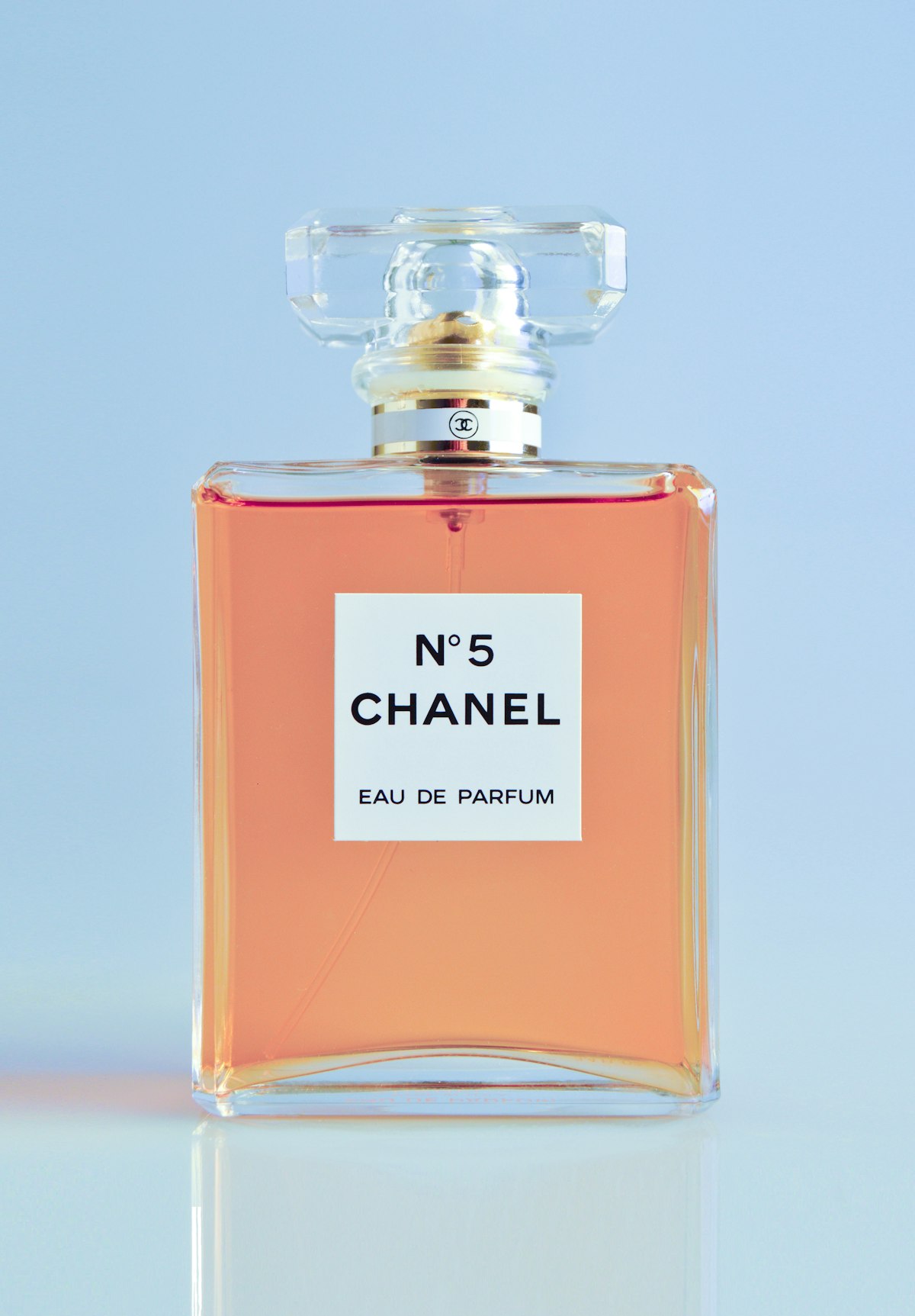
Glass communicates luxury, heritage, and purity. It allows the customer to see the liquid, supports heavy, sculptural designs, and is the expected material for prestige fragrance. The sensory experience, the weight, the clarity, the cool touch, reinforces a premium price.
Aluminum communicates modernity, utility, and active lifestyle. It suits sport, travel, and minimalist brands, and it can be anodized or printed in vivid, durable finishes. It feels technical and contemporary rather than opulent. Neither image is superior; they target different customers and price positions.
Cost Considerations
Cost varies with volume and design, but general patterns hold:
| Factor | Glass Bottle | Aluminum Bottle |
|---|---|---|
| Unit container cost | Moderate | Moderate to higher |
| Shipping cost | Higher due to weight | Lower due to lightness |
| Breakage and returns | Higher risk | Lower risk |
| Decoration options | Printing, frosting, heavy molds | Anodizing, printing, coatings |
Glass may have a lower base container cost in some cases, but its weight and breakage add hidden costs. Aluminum’s higher unit price can be offset by cheaper shipping and fewer returns, especially for direct-to-consumer brands.
Choosing the Right Material
The decision should follow product and positioning:
- Prestige and gifting fragrance. Glass is the expected, premium choice.
- Travel, sport, or active lifestyle. Aluminum’s durability and lightness win.
- E-commerce heavy shipping. Aluminum reduces freight cost and breakage.
- Long-life concentrates and oils. Glass offers the best chemical inertness.
- Modern, technical branding. Aluminum supports that aesthetic cleanly.
Many brands use both, glass for flagship products and aluminum for travel sizes and on-the-go formats, extending reach without diluting the premium line.
How Aromiso Supports Packaging Decisions
Aromiso supplies fragrance, candle, and home fragrance products in both glass and aluminum packaging, helping buyers match material to product and brand. We source quality lined aluminum for durability and inert glass for sensitive formulas, advise on sustainability specifications including recycled content, and manage decoration and finishing. Whether your brand calls for the luxury of glass or the modern resilience of aluminum, we can build the packaging around your positioning and logistics needs.
The bottle is the first thing a customer touches and the last thing they judge. Choosing between glass and aluminum is really a choice about who your customer is and what you want the product to feel like. Make that choice deliberately, and the material becomes an asset rather than an afterthought.