Shipping & Logistics
How to Ship Candles from China: Packaging, Freight, and Costs

Shipping candles internationally presents unique challenges that many first-time buyers underestimate. Candles are fragile, temperature-sensitive, and bulky relative to their weight. A poorly planned shipment can result in cracked vessels, melted wax, or broken lids — losses that erode margins quickly. This guide walks B2B buyers through the packaging standards, freight options, and real cost structures involved in moving candles from Chinese factories to warehouses in North America, Europe, and beyond.
Why Candle Shipping Requires Special Attention
Unlike many consumer goods, candles combine three risk factors in a single product:
- Fragility. Glass jars, ceramic vessels, and tin lids dent or crack under compression.
- Temperature sensitivity. Paraffin and soy wax soften above 50°C (122°F) and can deform in a hot container.
- Weight-to-volume ratio. Candles are dense but packaged with significant air space, making dimensional weight a cost driver.
Understanding these factors upfront allows you to specify packaging requirements in your purchase order and avoid disputes after delivery.
Packaging Standards for Export
A factory experienced in export shipments — such as Aromiso — typically uses a multi-layer packaging approach:
- Individual wrapping. Each candle is wrapped in tissue paper or EPE foam to prevent surface scratches.
- Inner dividers. Corrugated cardboard dividers separate units within the inner carton, preventing contact.
- Master cartons. Five-layer or seven-layer corrugated boxes (K=K or A=A grade) rated for stacking. Standard master carton dimensions are designed to fit a 1.2m x 1.0m Euro pallet or a 1.2m x 1.0m standard pallet.
- Palletization. Cartons are stacked on fumigated wooden pallets or plastic pallets, shrink-wrapped, and banded with PET strapping.
- Corner protectors and edge boards. Applied to pallet edges to prevent strapping damage.
For glass-vessel candles, request that the factory perform a drop test (ISTA 3A standard) on packed cartons before mass shipment. The cost of upgraded packaging typically adds $0.15–$0.40 per unit but reduces breakage claims from an industry-average 3–5% down to under 1%.
Freight Options and Transit Times
Sea Freight (FCL)
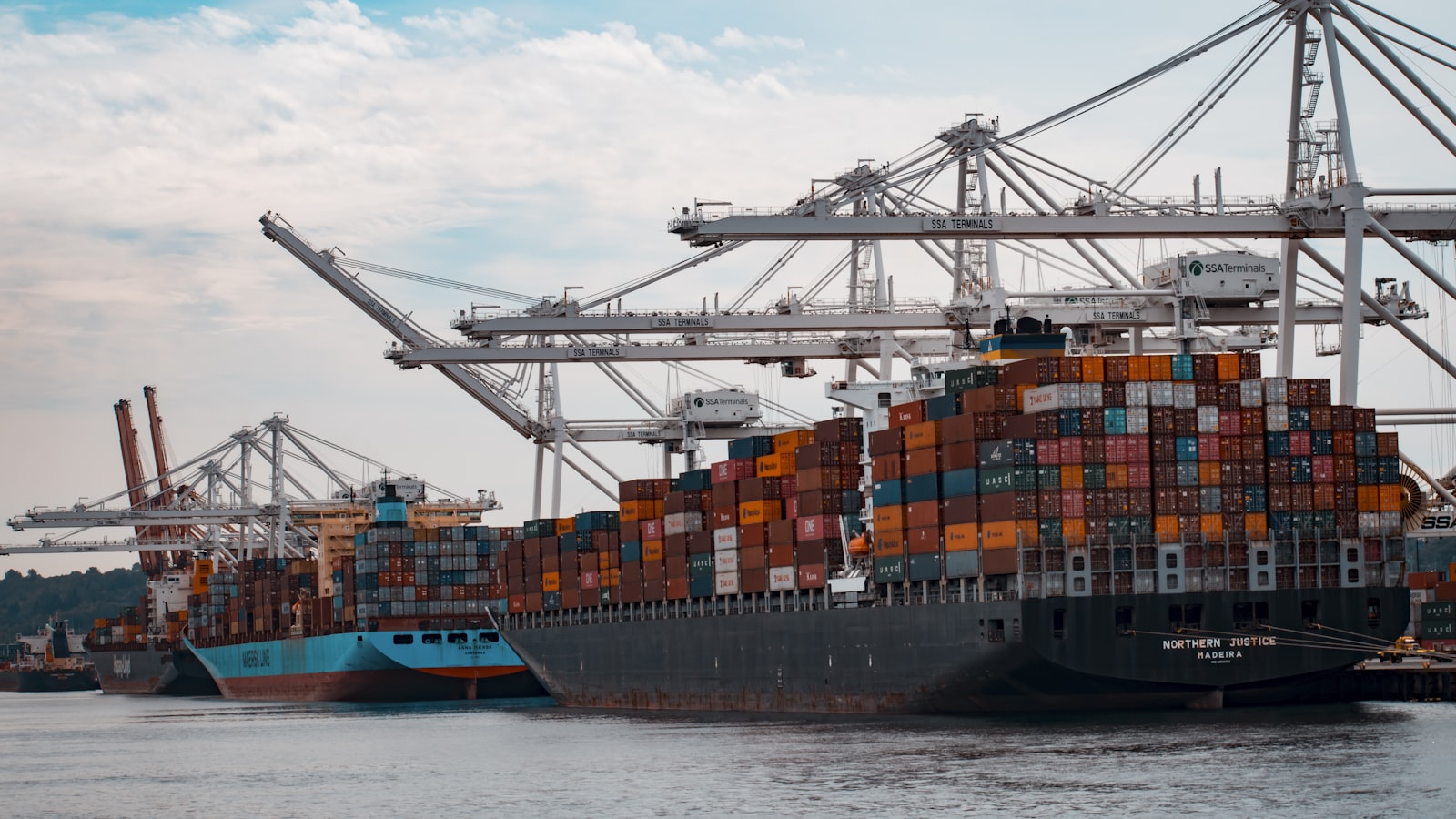
Full container load is the most economical option for orders exceeding 15 CBM (cubic meters).
- 20GP container: Holds approximately 25–28 CBM. Suitable for roughly 8,000–12,000 standard jar candles depending on packaging.
- 40HQ container: Holds approximately 68–72 CBM. Suitable for roughly 22,000–30,000 units.
Transit times from major Chinese ports (Shanghai, Ningbo, Shenzhen):
| Destination | Transit Time | Approximate FCL Rate (2025) |
|---|---|---|
| Los Angeles / Long Beach | 14–18 days | $2,500–$4,000 per 20GP |
| New York / Savannah | 25–32 days | $3,500–$5,500 per 20GP |
| Hamburg / Rotterdam | 28–35 days | $2,000–$3,800 per 20GP |
| Sydney / Melbourne | 18–24 days | $1,800–$3,200 per 20GP |
Rates fluctuate seasonally. Peak season (August–October) can add 20–40% to base rates.
Sea Freight (LCL)
For orders between 2–15 CBM, less-than-container-load consolidation is practical. Expect $45–$80 per CBM plus origin and destination handling charges of $150–$350 per side.
Air Freight
Reserved for urgent samples or small replenishment orders. Air freight for candles runs $5.50–$9.00 per kilogram, with a minimum chargeable weight of 45 kg. Transit is 3–7 days door-to-door.
Landed Cost Calculation
A complete landed cost for candles includes:
- Product cost (FOB): Factory price including export packaging.
- Inland trucking (China): $150–$400 from factory to port.
- Ocean freight: As above.
- Insurance: 0.3–0.5% of cargo value (CIF basis).
- Destination port charges: $200–$600 (THC, documentation, chassis fees).
- Customs duties: Varies by HS code. Candles (HS 3406.00) face 0–6.5% duty in the US, 0% in the EU under GSP for some origins.
- Inland delivery: $300–$1,200 depending on warehouse location.
For a 20GP container of soy candles valued at $25,000 FOB shipping to Los Angeles, total landed cost typically lands between $29,500 and $32,000 — adding roughly 18–28% to the FOB price.
Required Documentation
Ensure your supplier provides:
- Commercial invoice (with HS code, unit price, total value, Incoterm)
- Packing list (carton count, dimensions, gross/net weight per carton)
- Bill of Lading (original or telex release)
- Certificate of Origin (Form A for GSP-eligible destinations)
- Fumigation certificate (if using wooden pallets)
- MSDS / SDS for scented candles (required by some carriers and customs authorities)
- Insurance certificate (if shipping CIF or CIP)
Temperature Management
For shipments transiting tropical routes or arriving in summer months, specify:
- Non-operating reefer containers (NOR) at a premium of $300–$800 over standard dry containers, or
- Thermal blankets lining the container walls ($80–$150 per container), or
- Shipping during cooler months (November–March for Northern Hemisphere destinations).
Aromiso recommends scheduling production and shipment so that candles spend minimal time in unventilated port yards during peak summer.
Final Recommendations
- Request packaging specifications and photos before production begins.
- Order a pre-shipment inspection (cost: $200–$350 per man-day) for orders above $10,000.
- Insure all shipments above $5,000 in value.
- Build in 7–10 days of buffer beyond quoted transit times for port congestion.
- Consolidate multiple SKUs into a single container to maximize volume efficiency.
By treating packaging, freight mode, and documentation as interconnected decisions rather than afterthoughts, B2B buyers can ship candles from China reliably and protect their per-unit margins across every order cycle.