Product Comparisons
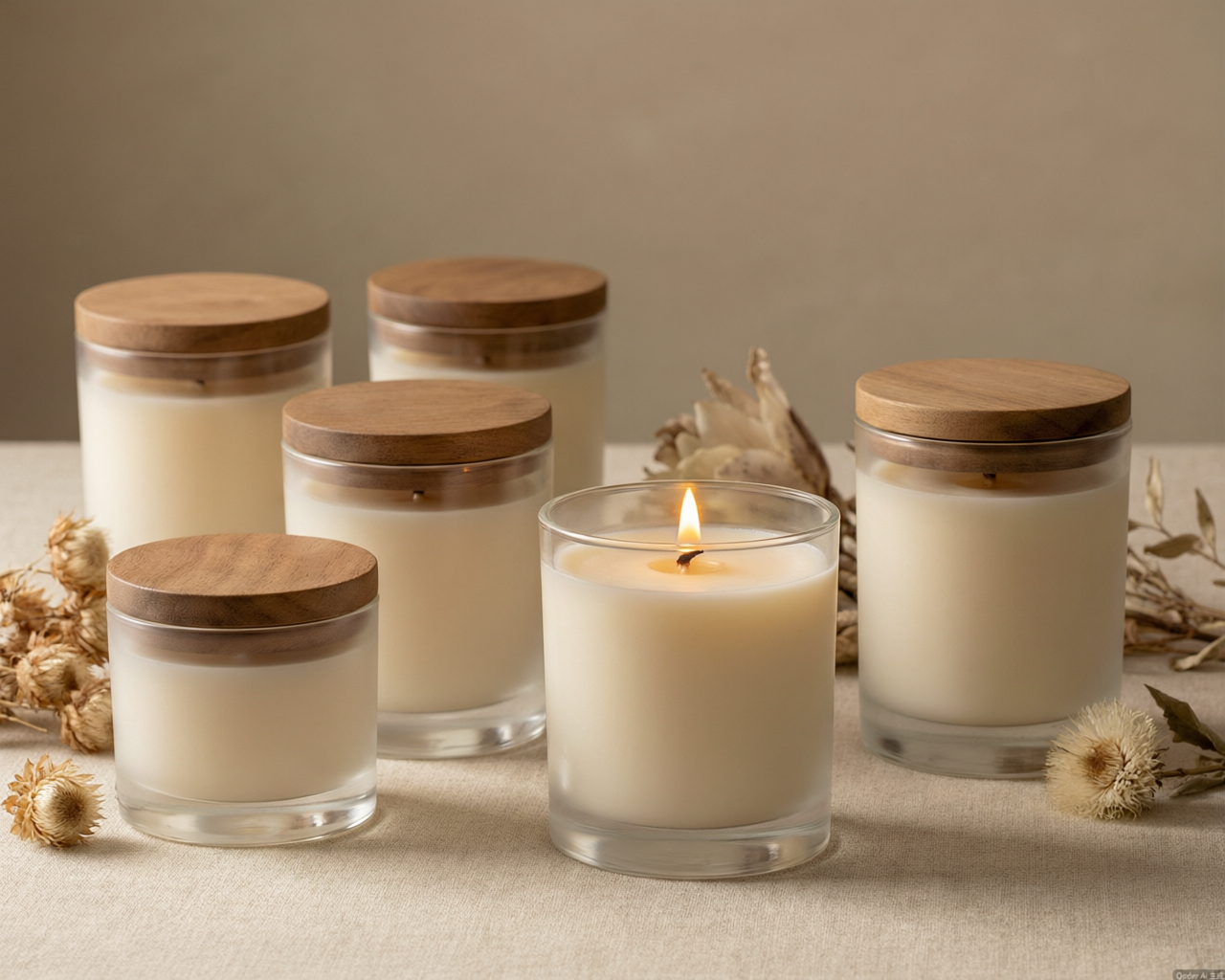
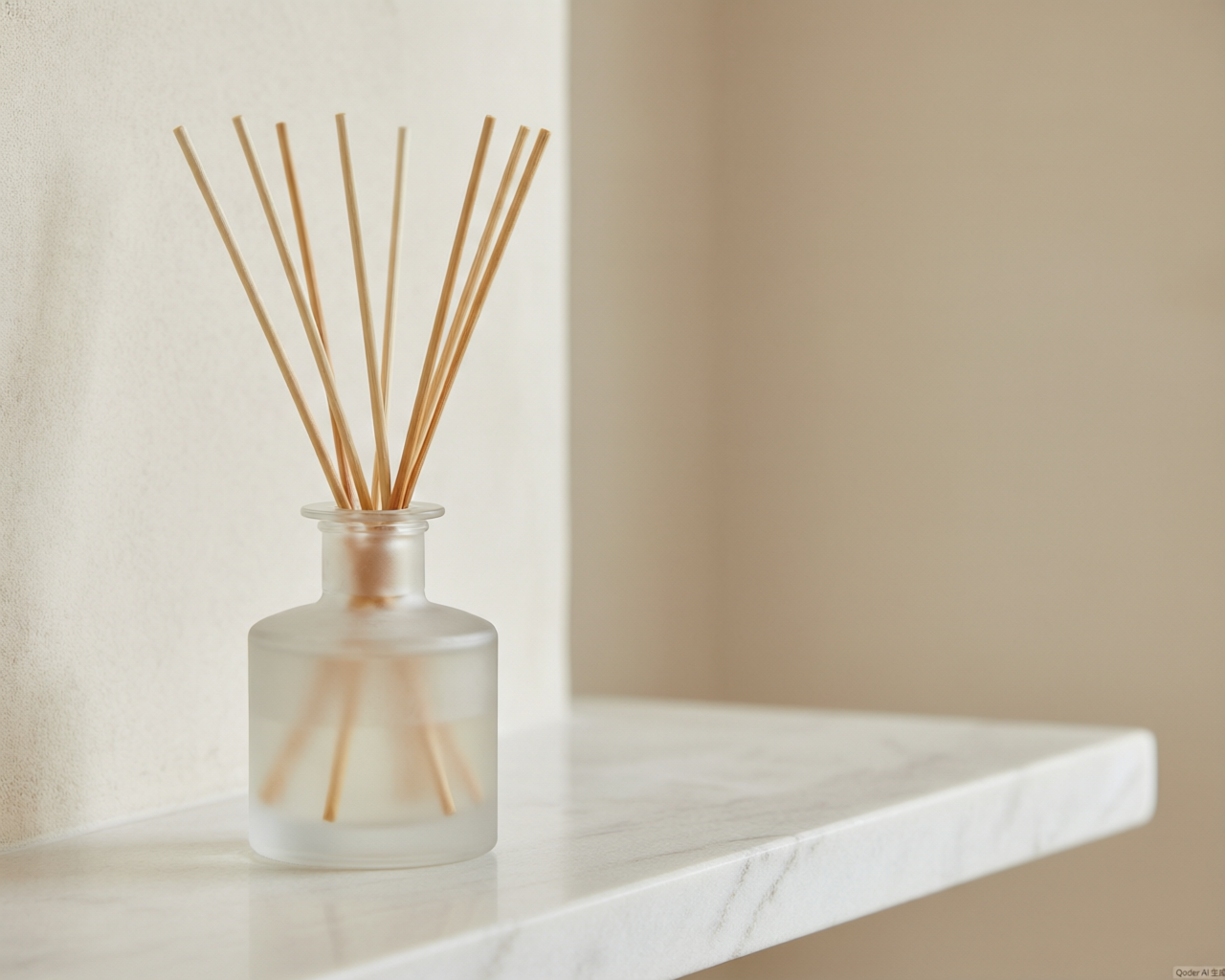
Reed Diffuser vs Scented Candle: Which Should Your Brand Sell?

Choosing between reed diffusers and scented candles is one of the first product-line decisions fragrance brands face. Both categories are growing, but they serve different consumer needs, carry different cost structures, and present distinct logistical challenges. This comparison breaks down the numbers so procurement teams and brand managers can make an informed decision.
Market Overview
The global scented candle market reached approximately $5.4 billion in 2024, while the reed diffuser segment accounted for roughly $1.2 billion. Candles dominate in volume, but reed diffusers are growing at a faster CAGR of 7.8% compared to candles at 5.2% (2024-2030 projections). For B2B buyers, this means candles offer established demand while diffusers offer emerging opportunity.
Manufacturing Cost Comparison
The following table compares typical FOB costs for a standard 200ml reed diffuser versus a 200g soy wax candle at a 3,000-unit MOQ from a Chinese factory:
| Cost Component | Reed Diffuser (200ml) | Scented Candle (200g) |
|---|---|---|
| Vessel/container | $0.80-$1.50 (glass bottle) | $0.60-$1.20 (glass jar) |
| Base material | $0.90-$1.40 (DPM/MMB base) | $0.70-$1.10 (soy wax) |
| Fragrance load | $0.60-$1.20 (20-25% load) | $0.50-$1.00 (8-10% load) |
| Wicks/reeds | $0.25-$0.50 (8 fiber reeds) | $0.10-$0.20 (cotton wick) |
| Labor and assembly | $0.30-$0.50 | $0.40-$0.60 |
| Packaging | $0.35-$0.60 | $0.35-$0.60 |
| Total unit cost | $3.20-$5.70 | $2.65-$4.70 |
Reed diffusers carry a slightly higher unit cost primarily due to fragrance concentration. A 200ml diffuser uses 40-50ml of fragrance oil, while a 200g candle uses only 16-20g.
Margin and Retail Pricing
| Metric | Reed Diffuser | Scented Candle |
|---|---|---|
| Typical wholesale price | $6.00-$10.00 | $5.00-$8.50 |
| Typical retail price | $18-$45 | $15-$40 |
| Gross margin (brand) | 60-72% | 58-70% |
| Average selling lifespan | 60-90 days | 40-55 hours burn |
Diffusers deliver longer perceived value per dollar spent by the end consumer, which supports premium positioning and repeat purchase cycles of 2-3 months.
Logistics and Compliance
This is where the two products diverge significantly:
| Factor | Reed Diffuser | Scented Candle |
|---|---|---|
| Shipping classification | DG Class 3 (flammable liquid) | Non-DG (solid wax) |
| Sea freight surcharge | +$0.15-$0.30/unit | None |
| Air freight eligible | Restricted, limited carriers | Yes, standard |
| Customs documentation | MSDS + DG declaration | Standard commercial invoice |
| Shelf life | 24-36 months sealed | 24+ months |
| Breakage risk in transit | Moderate (glass + liquid) | Low-moderate (glass + solid) |
| Temperature sensitivity | High (evaporation above 35C) | Moderate (warping above 45C) |
The dangerous goods classification of reed diffusers adds $800-$1,500 per 20ft container in surcharges and documentation fees. For brands shipping by air or to markets with strict DG import rules, candles present fewer barriers.
Consumer Use Cases and Positioning
Reed diffusers excel in:
- Continuous, maintenance-free fragrance (no flame, no monitoring)
- Commercial spaces: hotels, spas, retail stores, offices
- Markets with fire restrictions (dormitories, hospitals, high-rises)
- Year-round ambient scenting
Scented candles excel in:
- Ritual and experience-driven purchases (self-care, gifting)
- Seasonal and limited-edition launches
- Higher visual impact and unboxing experience
- Stronger holiday Q4 sales spikes (candles see 35-40% of annual sales in Oct-Dec)
Minimum Order and Production Lead Time
| Parameter | Reed Diffuser | Scented Candle |
|---|---|---|
| Typical MOQ (factory) | 1,000-3,000 units | 2,000-5,000 units |
| Sample lead time | 7-10 days | 5-7 days |
| Production lead time | 20-30 days | 15-25 days |
| Custom fragrance development | 15-20 days | 10-15 days |
Diffusers require additional curing time (48-72 hours) after filling to ensure the base and fragrance fully integrate, adding to production timelines.
Which Should Your Brand Choose?
Choose reed diffusers if your brand targets the home-fragrance-as-decor segment, sells into commercial hospitality channels, or wants a product with a longer consumer use cycle that supports subscription models.
Choose scented candles if your brand prioritizes gifting and seasonal collections, needs simpler logistics without DG compliance overhead, or wants to capitalize on the strong Q4 candle-buying surge.
Many successful brands ultimately offer both. A practical approach is to launch with one hero SKU in each format, test sell-through rates over 90 days, then allocate production budget based on actual velocity data.
Working with a Manufacturing Partner
Whether you choose diffusers, candles, or both, working with a vertically integrated factory reduces coordination overhead. At Aromiso, we produce both reed diffusers and scented candles under one roof, including custom fragrance development, vessel sourcing, and compliance documentation for over 40 export markets. This allows brands to consolidate MOQs across product types and reduce per-unit costs by 12-18% compared to sourcing from separate suppliers.
Request a comparative quote for both product lines and evaluate which format fits your margin targets and distribution model.