Product Knowledge
Private Label Candles: The Complete Buyer's Guide for 2026
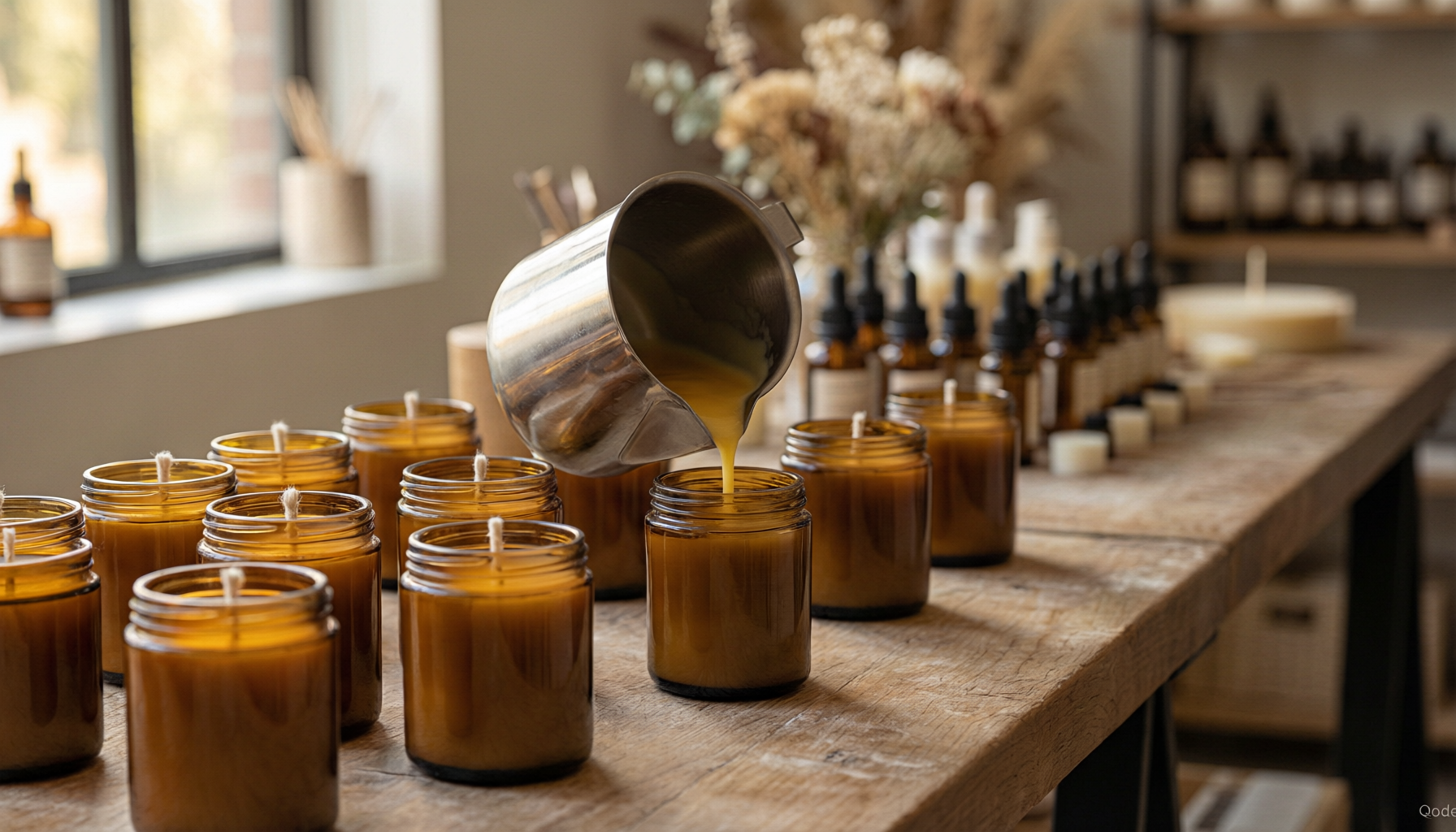
Launching a private-label candle line is one of the highest-margin moves a home-fragrance brand can make — but the gap between a beautiful sample and a consistent 10,000-unit production run is where most first-time buyers stumble. This guide walks through the decisions that actually determine quality, cost, and lead time.
Start with the wax, not the scent
Buyers often lead with fragrance, but the wax base dictates burn performance, scent throw, and even which vessels you can safely use. The three workhorses of private-label production are:
- Soy wax — clean-burning, excellent cold throw, softer hot throw. The default for premium and “natural” positioning.
- Paraffin — strongest hot throw and lowest cost, but increasingly difficult to market in the EU and North America.
- Soy-paraffin or coconut blends — the pragmatic middle ground: better throw than pure soy, better story than pure paraffin.
Ask your manufacturer for a burn-test report on the exact wax-fragrance-vessel combination you plan to ship, not just the wax alone.
Fragrance load is a cost and safety decision
Fragrance load — the percentage of fragrance oil in the wax — typically runs 6–10% for container candles. Every point of load adds cost and changes burn chemistry.
A common first-order mistake is specifying 10% load because a competitor claims it, without verifying that the wax can hold it. Over-loaded candles sweat fragrance, clog wicks, and fail safety testing.
A competent OEM will push back on unrealistic loads and show you the IFRA compliance certificate for your chosen fragrance at the intended concentration. If they don’t, treat it as a red flag.
Vessels, wicks, and the testing loop
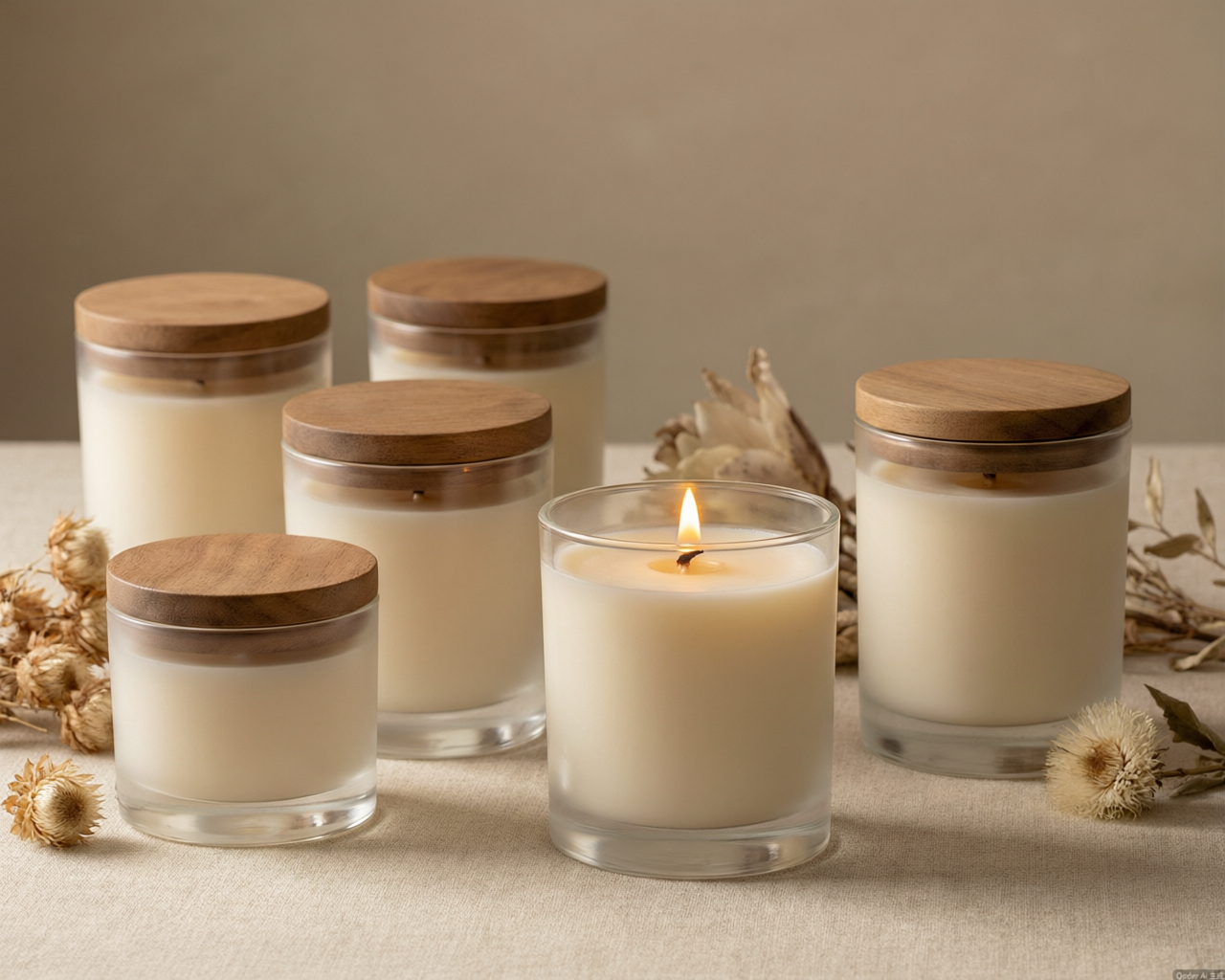
The vessel is both packaging and product. Glass jars dominate private label because they’re cheap, inert, and printable — but wall thickness matters for safety certification.
The development sequence that keeps projects on schedule looks like this:
- Lock the fragrance and wax first.
- Select 2–3 candidate vessels and wick sizes.
- Run a burn test matrix (wax × wick × vessel) — typically 2–3 weeks.
- Choose the winner and freeze the spec before ordering packaging.
Skipping or compressing step 3 is the single most common cause of delayed launches.
MOQ, lead time, and what a realistic first order looks like
Most credible Chinese candle OEMs quote MOQs between 1,000 and 3,000 units per SKU for fully custom work, with 30–45 day lead times after sample approval. Beware of factories quoting 100-unit MOQs for custom formulations — they are almost certainly decanting stock product into your jar, which limits your differentiation.
A sensible first order is one or two SKUs at 1,500–2,000 units each: enough to hit a real sales channel, small enough to learn from the market before committing to a full line.
Ready to spec your first run?
Send us your target price point, fragrance direction, and volume, and we’ll match you with a verified candle manufacturer and return a sampling plan within two business days.