Product Comparisons
Perfume Oil vs Spray Perfume: Production and Market Trends

The personal fragrance market is split between two dominant delivery formats: alcohol-based spray perfumes and oil-based perfume oils. For decades the spray dominated retail, but perfume oils have surged as consumers seek longer-lasting, skin-friendly, and travel-friendly options. For B2B buyers deciding which format to develop or source, the choice affects formulation, packaging, regulatory burden, and the customer you attract. This comparison breaks down the production realities and market signals behind each.
Formulation Differences
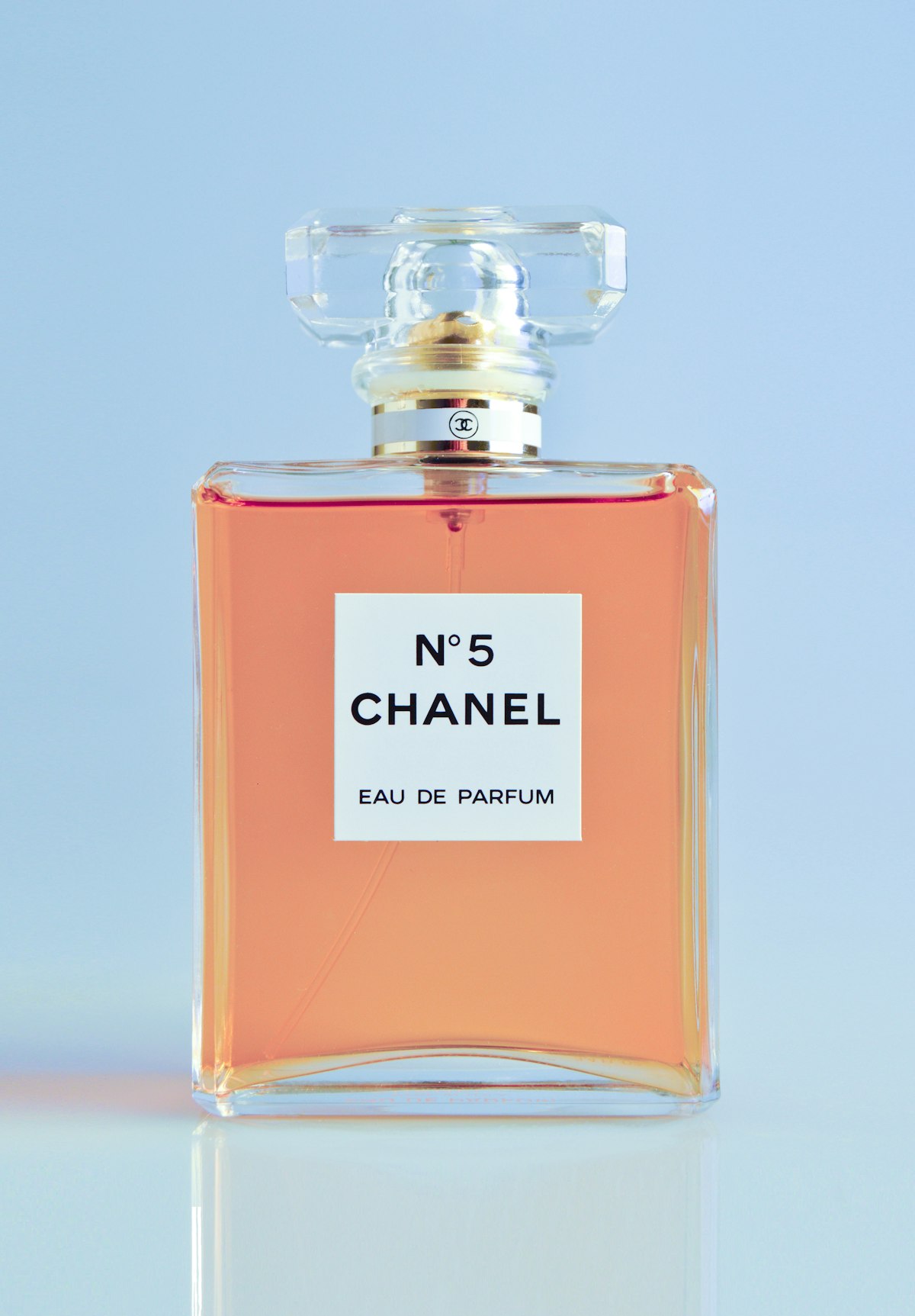
A spray perfume is a solution of fragrance concentrate in ethanol, typically with a small amount of water and stabilizers. Concentration defines the category: eau de toilette runs around 5 to 15 percent aromatic compounds, eau de parfum around 15 to 20 percent, and extrait above 20 percent. The alcohol acts as a carrier that evaporates quickly, projecting scent outward in a visible sillage.
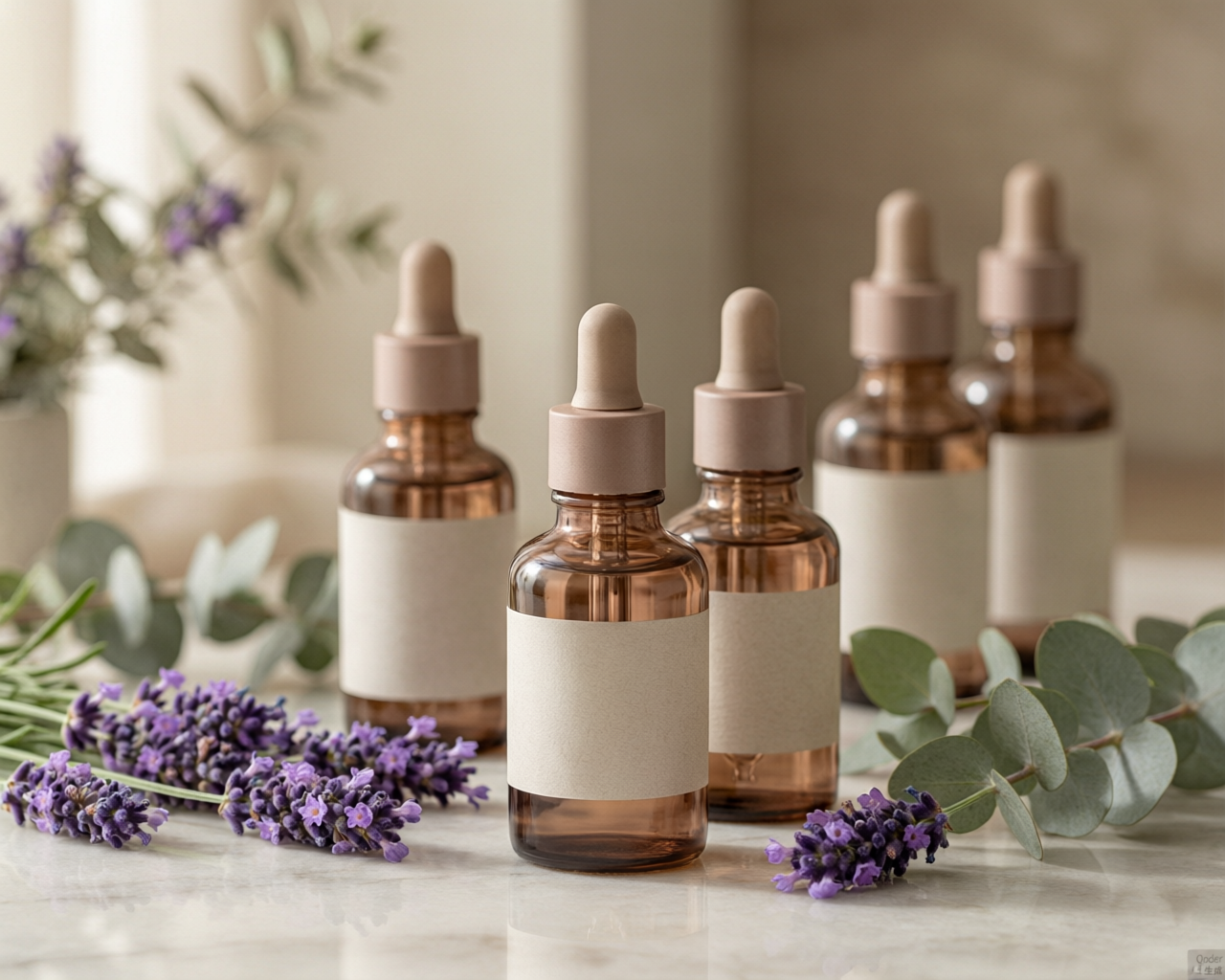
A perfume oil replaces alcohol with a carrier oil such as fractionated coconut oil, jojoba, or a blend of esters. The fragrance load is often higher, commonly 20 to 30 percent, but without alcohol there is far less evaporation and projection. The scent sits closer to the skin and lasts longer on the wearer rather than filling a room.
Production and Cost Comparison
Spray perfumes and perfume oils differ significantly in raw material and packaging cost.
| Factor | Spray Perfume (50ml EDP) | Perfume Oil (10ml roll-on) |
|---|---|---|
| Fragrance concentrate | Higher volume, 15 to 20 percent | Lower volume but higher percent load |
| Carrier cost | Ethanol, low cost | Carrier oil, moderate cost |
| Primary packaging | Glass bottle plus atomizer | Roll-on bottle plus ball fitting |
| Estimated unit cost | $2.50 to $5.00 | $1.50 to $3.50 |
| Regulatory complexity | Higher, alcohol and denaturant rules | Lower, but oil allergen labeling |
The atomizer and quality glass bottle make spray packaging more expensive and more failure-prone. A leaking or misfiring sprayer is a common source of returns. Roll-on oil bottles are simpler and cheaper, though the small format means lower absolute retail price.
Performance and Consumer Experience
Spray perfumes win on projection and the ritual of application. The mist covers a wide area and creates an immediate scent presence, which is why sprays dominate gifting and prestige fragrance. Perfume oils win on longevity and intimacy. Without alcohol to evaporate the top notes rapidly, oils develop slowly and can last eight hours or more on skin. They are also less likely to dry or irritate sensitive skin, a meaningful selling point as consumers become more ingredient-conscious.
This performance split drives distinct positioning. Sprays are marketed as bold, expressive, and occasion-driven. Oils are marketed as personal, clean, and long-wearing.
Market Trends
Several trends favor perfume oils. The clean beauty movement has made alcohol-free and skin-friendly formats more desirable. Travel and on-the-go application favor small roll-ons that comply with airline liquid limits and fit in a pocket. Younger consumers, particularly in Gen Z, show strong interest in layering and personalization, behaviors that oils support well.
Spray perfumes are not declining. The prestige and designer fragrance markets remain spray-centric, and the format continues to dominate in gifting. The growth story is that oils are expanding the total market by capturing use cases sprays serve poorly, such as subtle workplace wear and reapplication throughout the day.
Regulatory and Shipping Considerations
Alcohol-based sprays face stricter handling rules. Ethanol is flammable, which complicates storage, air freight, and international shipping, often requiring dangerous-goods documentation and raising logistics cost. Perfume oils, being non-flammable in most formulations, are simpler and cheaper to ship, a real advantage for e-commerce and cross-border trade.
Both formats require allergen labeling under frameworks such as the EU Cosmetics Regulation, and both must use IFRA-compliant fragrance compounds. But the absence of denatured alcohol removes a layer of regulatory and customs complexity for oils.
Choosing a Format for Your Brand
The decision should follow your customer and channel:
- Prestige, gifting, or department store focus. Spray perfume is the expected format and supports higher price points.
- Clean beauty, wellness, or travel positioning. Perfume oil aligns with the values and use cases of these audiences.
- E-commerce and international shipping. Oils reduce logistics friction and cost.
- Portfolio breadth. Many brands offer a spray as the hero product and an oil version for layering and reapplication, increasing average order value.
How Aromiso Supports Fragrance Development
Aromiso formulates and manufactures both spray perfumes and perfume oils under private label, handling fragrance development, carrier selection, IFRA compliance, and packaging sourcing. We can produce matched scent profiles across both formats so a brand offers a consistent signature in spray and oil. Whether you are launching a prestige eau de parfum or a clean-beauty roll-on line, our team can guide formulation, cost modeling, and regulatory documentation from concept to finished product.
The spray and the oil are not competitors so much as complementary expressions of the same fragrance. Brands that understand both, and choose deliberately, are best positioned to capture the full range of how modern consumers want to wear scent.