Product Knowledge
How to Write a Fragrance Brief That Gets Accurate OEM Quotes
Most quote requests fail before they reach a calculator. A buyer writes “looking for a lavender candle, 200g, private label, please quote” and then wonders why three factories return prices that differ by 40%. The gap is not dishonesty; it is assumption. Each factory filled in the blanks differently. A structured fragrance brief removes the blanks, so quotes become comparable and realistic.
Start With the Product Specification, Not the Price Target
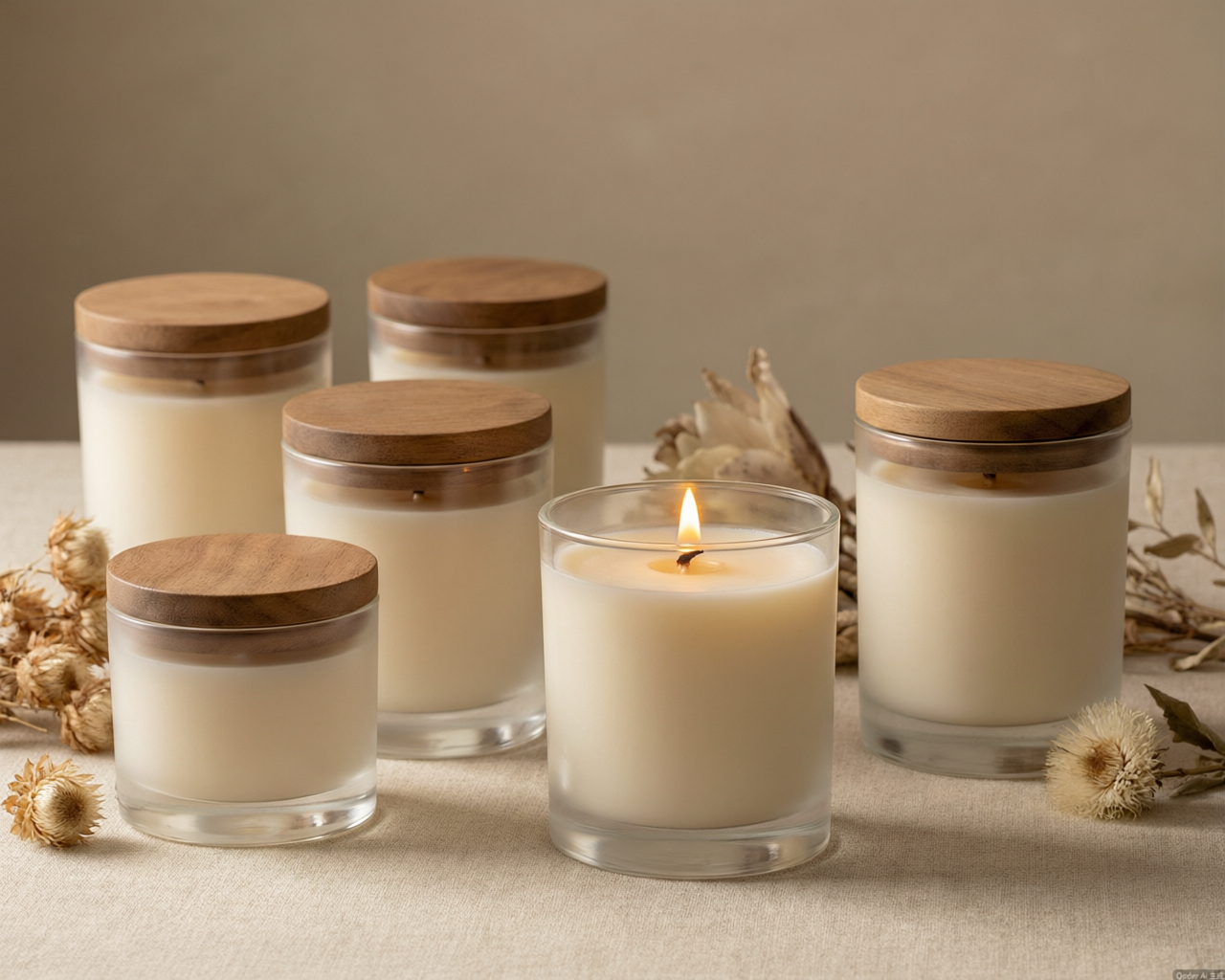
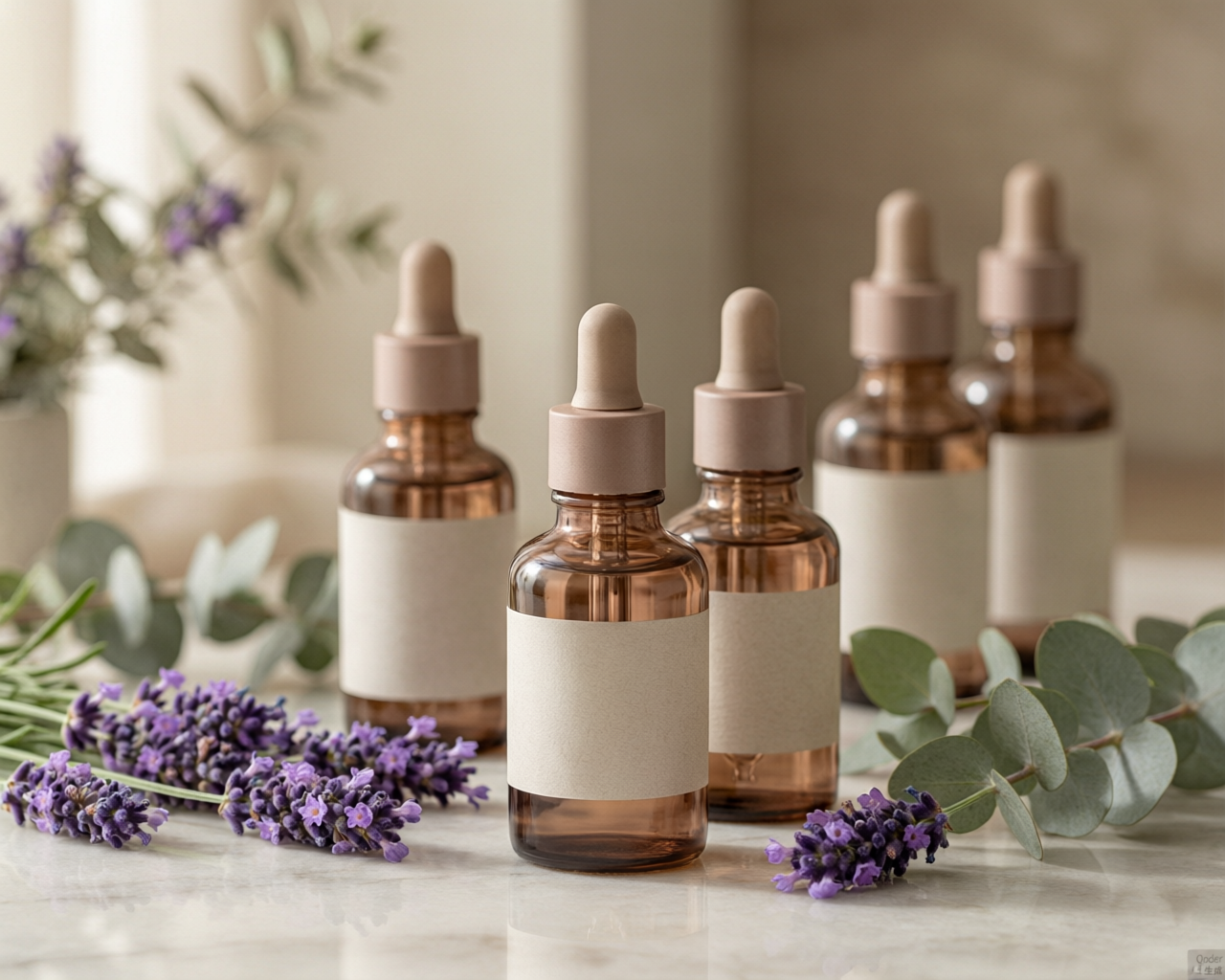
Define the physical product first. For a scented candle, that means container material and dimensions, wax type (soy, paraffin, coconut blend), target fragrance load (typically 6-10% for soy), wick specification, burn time expectation, and lid or accessory details. For a reed diffuser, specify bottle volume, liquid base (MMB, DPG, or isoparaffinic), fragrance concentration, and reed count and length. For essential oils, state botanical name, part of plant, extraction method, and whether you need a certified organic or conventional grade.
Every one of these variables moves cost. A 200g soy candle with a wooden wick and a metal lid is a different product from the same candle with a cotton wick and no lid, and pricing them as one item guarantees a surprise later.
Describe the Fragrance in Testable Terms
“Sandalwood-ish but fresher” is a mood, not a specification. Factories work with reference points: name a commercial product, an existing formula code, or a benchmark sample you can ship. Describe the target in pyramid terms (top, heart, base notes), indicate the intensity you want at a defined usage rate, and state the application, because a fragrance that performs in a candle behaves differently in a diffuser base.
Also declare your constraints up front: allergen declarations required for EU labeling (Regulation (EC) No 1223/2009 lists 26+ fragrance allergens), IFRA compliance level, and any retailer-specific restricted substance lists. These requirements change which raw materials a perfumer can use, and therefore the price.
Quantify Volumes, Timeline, and Packaging Reality
Quote accuracy depends heavily on numbers. State your first-order quantity per SKU, your projected annual volume, and whether packaging components are factory-sourced or buyer-supplied. A 3,000-unit pilot priced against a 50,000-unit annual program will produce different unit costs, and a good factory will show you both. Include your target in-hands date and work backward: sampling typically takes 2-4 weeks, component sourcing 3-6 weeks, and production 3-5 weeks after approval.
Packaging is where briefs most often go silent. Specify box style, label printing method, barcode requirements, and destination-market compliance marking. If you only say “nice gift box,” the factory will assume its cheapest option, and your comparison against a competitor’s premium-box quote becomes meaningless.
Ask for a Cost Breakdown, Not a Single Number
Request the quote split into fragrance oil cost per kilogram, base product cost, packaging cost, and tooling or setup fees. This structure reveals where your money goes and where value engineering is possible. It also protects you: if a quote seems low, the breakdown shows whether the factory cut the fragrance load, downgraded the wax, or simply made a mistake.
A well-written brief does more than produce accurate quotes. It signals to the factory that you understand the process, which is exactly the kind of buyer who gets priority scheduling, honest engineering feedback, and better terms as the program grows.