Product Knowledge
The Niche Perfume Market: Opportunities for Private-Label Suppliers
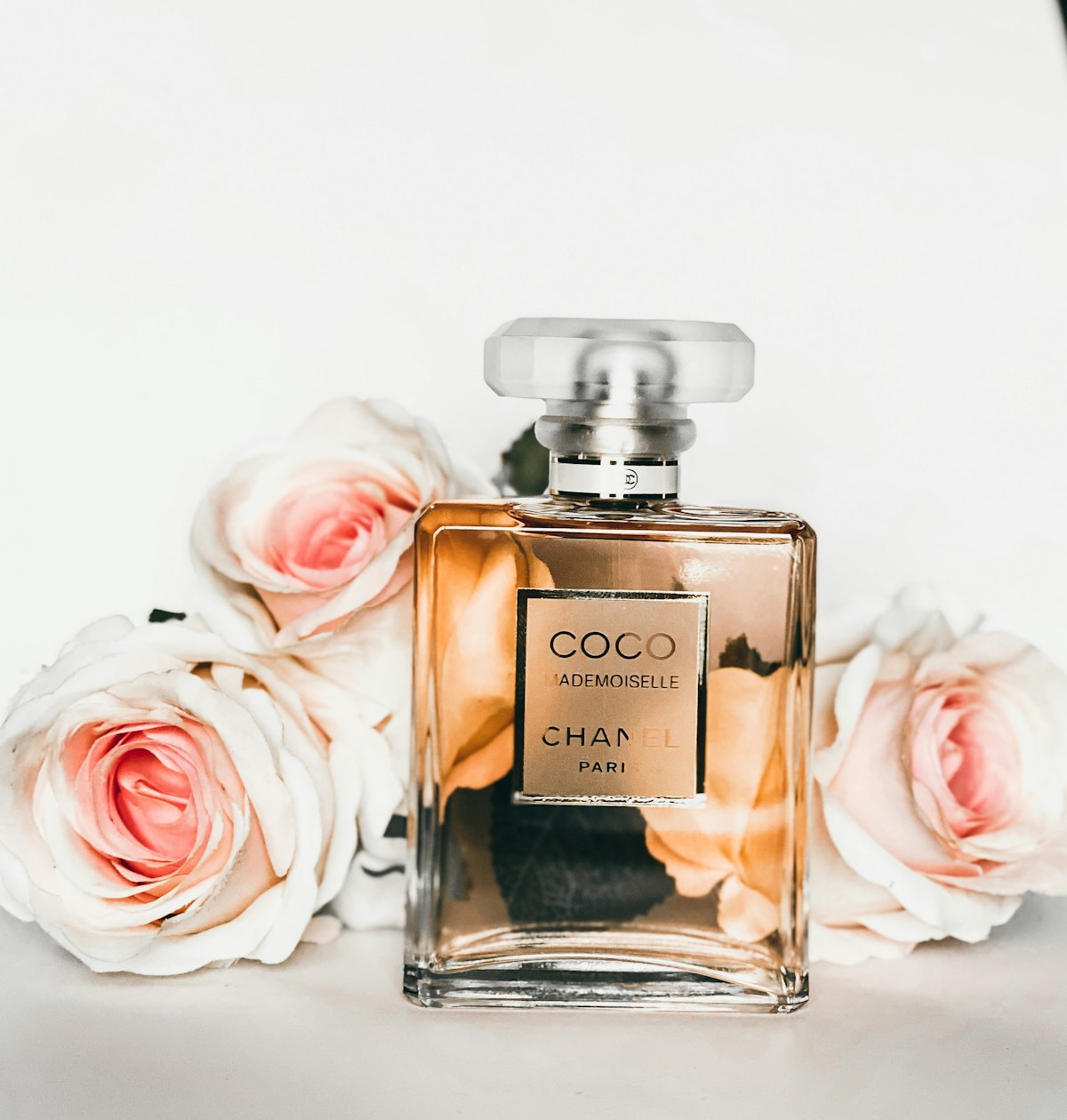
The niche perfume segment has moved from a peripheral category to one of the most dynamic parts of the global fragrance industry. For private-label manufacturers and the buyers who work with them, this shift has changed minimum order quantities, formulation expectations, and the pace of new product development.
Market Size and Growth
Industry estimates place the global niche perfume market at roughly USD 5-7 billion in 2024, with annual growth in the 8-12% range, compared with 3-5% for the broader prestige fragrance market. Some analyst forecasts project the segment to reach USD 12-15 billion by 2030.
Several drivers explain the gap:
- Consumer fatigue with mass-market launches. Prestige houses release hundreds of flankers per year, pushing discerning buyers toward smaller brands.
- Social commerce. Independent brands can now reach global audiences through TikTok, Instagram, and fragrance-review YouTube channels without traditional retail.
- Middle Eastern expansion. Gulf-based niche houses have internationalized rapidly, normalizing higher price points and richer formulations.
- Gender-neutral positioning. Niche brands lead the unisex trend, which now influences mainstream launches.
For manufacturers, this means a growing pipeline of small but serious buyers who need production partners, not just suppliers.
What Niche Brands Need from Manufacturers
Niche buyers differ from mass-market buyers in five concrete ways:
- Lower initial volumes, higher per-unit value. A typical first order is 500-2,000 units per SKU, versus 10,000-50,000 for mass-market. But retail prices of USD 100-300 per bottle mean the gross margin per unit supports more hands-on service.
- Formulation originality. Niche buyers rarely accept “off-the-shelf” scents. They expect either a custom brief or significant modification of a stock base.
- Material storytelling. Buyers want documentation: origin of naturals, synthetic molecule names, sustainability certificates, and IFRA compliance letters.
- Faster iteration. Sampling cycles of 2-3 weeks are now expected, versus 6-8 weeks a decade ago.
- Packaging flexibility. Heavy glass, custom caps, letterpress labels, and short-run boxes are standard. Manufacturers that only offer stock components lose these buyers.
The Low-MOQ Trend
The most visible change in the niche segment is the collapse of traditional minimum order quantities. Ten years ago, a credible private-label fragrance order started at 5,000-10,000 units. Today, many manufacturers, including Aromiso, offer:
- Pilot runs of 300-500 units for market testing
- 1,000-2,000 unit production runs for first commercial launches
- Concentrate-only orders starting at 5-10 kg for brands that fill and package in-house
This flexibility is possible because of modular compounding, shared alcohol dilution tanks, and digital printing for short-run labels. The trade-off is unit cost: a 500-unit run typically carries a 30-60% higher per-unit cost than a 10,000-unit run, but it lets a brand validate a scent before committing capital.
How Suppliers Should Position
Manufacturers that win niche business tend to share four capabilities:
- An in-house perfumer or perfumery partner who can interpret a brief in 1-2 iterations rather than 5-6.
- A documented material library with at least 1,500-3,000 raw materials, including a meaningful natural extracts range.
- Regulatory support that produces IFRA certificates, allergen declarations, and EU/US compliance documentation as standard deliverables.
- Transparent pricing that separates concentrate cost, dilution, filling, and packaging, so buyers can model margin scenarios.
What Buyers Should Ask
If you are a buyer evaluating a private-label partner for a niche launch, request:
- A sample of three previous niche projects (with confidentiality respected)
- The minimum order quantity for both concentrate and finished goods
- Lead time from approved brief to first delivery, including maceration
- A written IFRA and allergen package per SKU
- Reformulation policy if a material is later restricted by IFRA or EU regulation
Outlook
The niche segment is unlikely to slow before 2030. The brands that succeed will be those that pair distinctive creative direction with disciplined supply chains. For manufacturers, the opportunity is to become a development partner rather than a commodity filler. For buyers, the opportunity is to enter the market at lower capital risk than at any point in the past two decades.
At Aromiso, we structure our niche program around 500-unit pilot runs, full regulatory documentation, and a dedicated perfumer per account, because that combination matches how independent brands actually grow.