Shipping & Logistics
Fragrance Product Warehousing: Temperature, Humidity, and Safety
Getting fragrance products from China to your destination country is only half the logistics challenge. How you store candles, reed diffusers, and essential oils once they arrive determines product quality, shelf life, regulatory compliance, and insurance validity. Improper warehousing causes wax bloom, fragrance degradation, label damage, and in extreme cases, fire hazards. This guide provides B2B buyers with specific storage parameters and facility requirements.
Temperature Requirements by Product Type
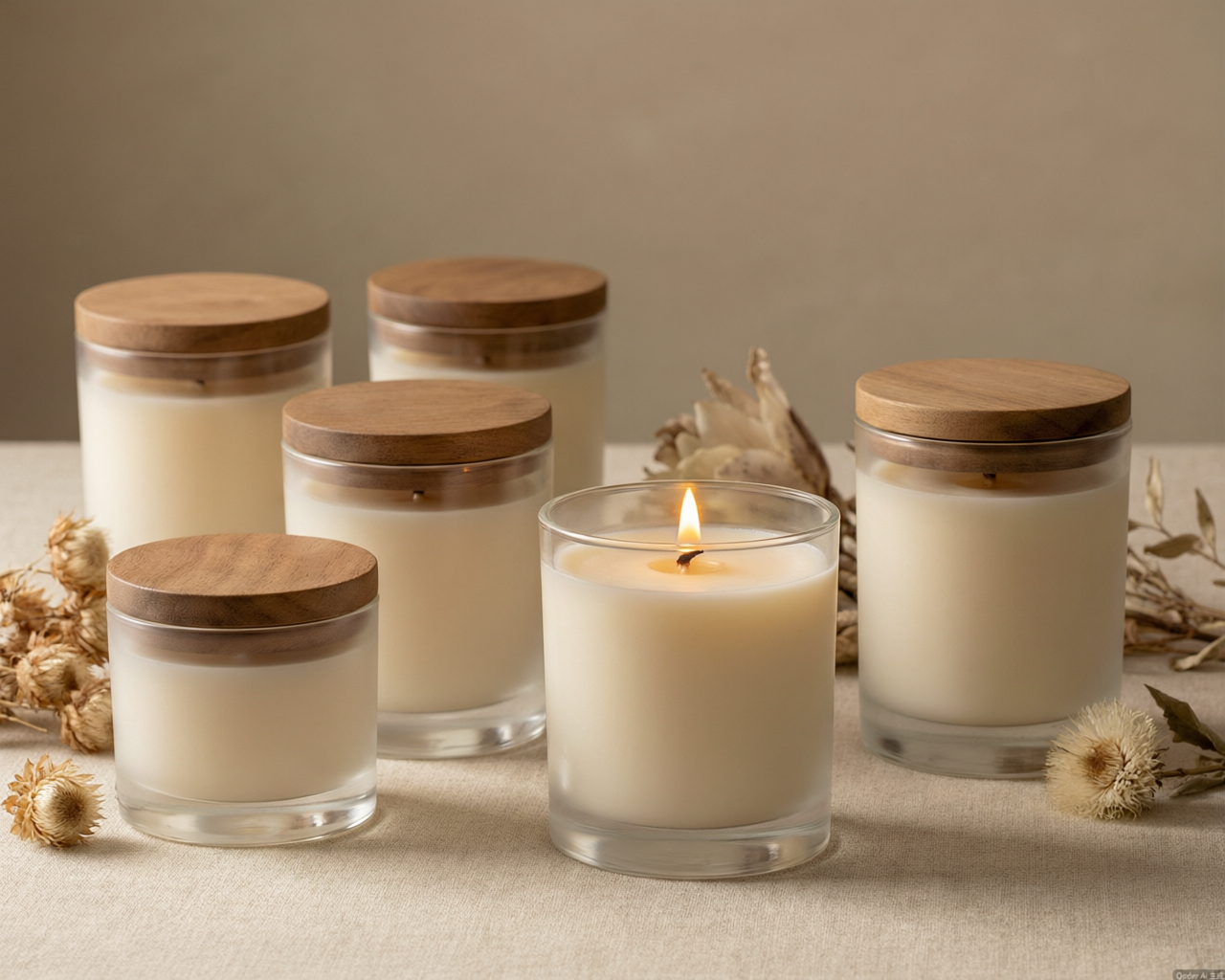
Scented Candles
- Ideal storage temperature: 15°C–25°C (59°F–77°F)
- Maximum safe temperature: 35°C (95°F) — above this, soy and paraffin wax begin to soften
- Minimum safe temperature: 5°C (41°F) — below this, wax contracts and may crack or pull away from vessel walls
- Critical risk: Rapid temperature cycling causes “wet spots” (adhesion failure between wax and glass) and frosting on soy wax
Candles stored above 40°C (104°F) for extended periods will deform, sink, or develop surface irregularities that render them unsellable. This is particularly relevant for warehouses in southern US states, the Middle East, or Southeast Asia without climate control.
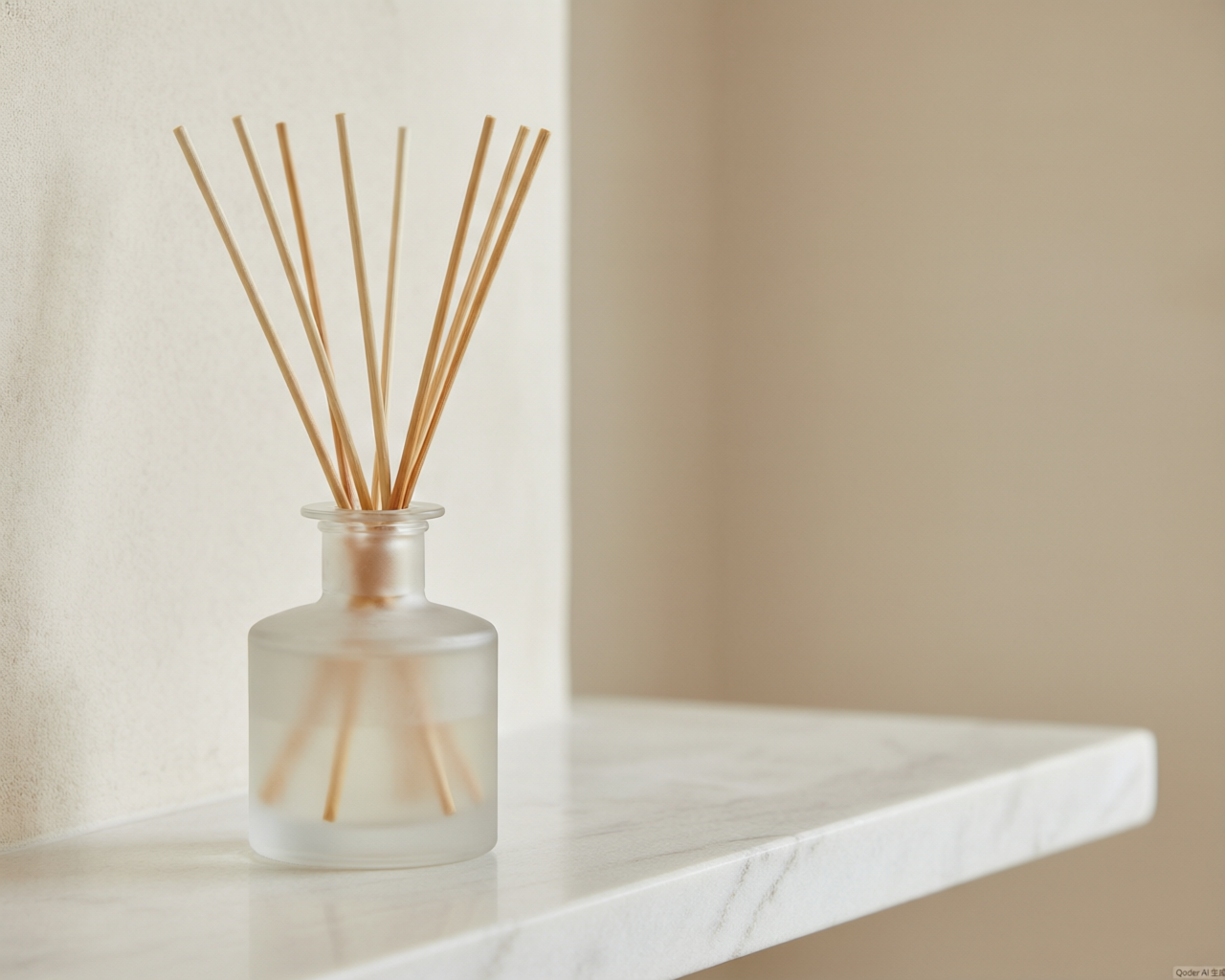
Reed Diffusers
- Ideal storage temperature: 10°C–25°C (50°F–77°F)
- Maximum safe temperature: 35°C (95°F)
- Key concern: Heat accelerates fragrance oil evaporation and oxidation, shortening shelf life from 24+ months to under 12 months
- Light sensitivity: UV exposure degrades fragrance compounds and discolors carrier oils. Store in opaque cartons or UV-filtered areas.
Essential Oils
- Ideal storage temperature: 5°C–20°C (41°F–68°F)
- Maximum safe temperature: 25°C (77°F) for citrus oils; 30°C (86°F) for woody/resinous oils
- Critical factors: Oxygen, light, and heat are the three enemies of essential oil stability
- Citrus oils (limonene-rich): Particularly vulnerable. Oxidized citrus oils form peroxides that can cause skin sensitization, creating a product liability risk.
For bulk essential oil drums (25L–200L), climate-controlled storage is not optional — it is essential for maintaining GC-MS profile integrity.
Humidity Control
- Target relative humidity: 40%–60% RH
- Above 70% RH: Corrugated cartons absorb moisture, lose stacking strength, and may collapse. Labels peel. Metal lids (candle tins) corrode.
- Below 30% RH: Wooden components (reed sticks, bamboo caps) dry out and crack. Paper labels become brittle.
In tropical climates (Singapore, Miami, Dubai), dehumidification is necessary. In arid climates (Phoenix, Riyadh), humidification may be needed for reed and wood-cap products.
Monitoring: Install data loggers (cost: $30–$80 per unit) that record temperature and humidity at 30-minute intervals. These provide evidence for insurance claims if products are damaged by facility failures.
Fire Safety and Regulatory Compliance
Fragrance products contain combustible materials. Warehouse fire safety is both a practical and legal requirement.
Classification
- Candles: Combustible solids. Generally not classified as hazardous for storage purposes.
- Reed diffusers (DPG/IPM base): Combustible liquids (flash point above 100°C). Low storage risk.
- Reed diffusers (alcohol base): Flammable liquids (flash point below 60°C). Subject to flammable liquid storage regulations.
- Essential oils (low flash point): Flammable liquids. Subject to OSHA 29 CFR 1910.106 (US) or equivalent national regulations.
- Room sprays (aerosol): Pressurized flammable products. Highest storage risk category.
Storage Requirements for Flammable Fragrance Products
If you store alcohol-based diffusers, essential oils with flash points below 60°C, or aerosol sprays:
- Maximum quantity: Local fire codes limit flammable liquid storage per fire zone. In the US, NFPA 30 limits Class II/IIIA liquids to 120 gallons per control area without a sprinkler system.
- Flammable storage cabinets: Required for quantities above threshold. Cost: $800–$2,500 per cabinet (60-gallon capacity).
- Ventilation: Minimum 6 air changes per hour in storage areas.
- Sprinkler systems: ESFR (Early Suppression Fast Response) sprinklers recommended for warehouses storing more than 500 liters of flammable fragrance products.
- Separation distances: Flammable products must be stored at least 3 meters from ignition sources (electrical panels, heating equipment).
- Spill containment: Secondary containment pallets for drum storage. Cost: $150–$400 per 4-drum pallet.
Insurance Implications
Most commercial property insurance policies exclude or limit coverage for flammable liquid storage above specified quantities. Notify your insurer of:
- Product types and flash points
- Total quantities stored
- Fire suppression systems in place
- MSDS/SDS documentation availability
Failure to disclose flammable inventory can void a claim entirely.
Shelving Life and Inventory Rotation
| Product | Typical Shelf Life | Rotation Method |
|---|---|---|
| Scented candles (soy) | 24–36 months | FIFO |
| Scented candles (paraffin) | 36–60 months | FIFO |
| Reed diffusers | 18–36 months (sealed) | FIFO |
| Essential oils (citrus) | 12–24 months | FEFO |
| Essential oils (woody/resinous) | 36–60 months | FEFO |
| Room sprays | 24–36 months | FIFO |
FIFO: First In, First Out. FEFO: First Expired, First Out.
Implement batch tracking with production dates printed on each carton. Aromiso marks all export cartons with production date, batch number, and recommended use-by date to facilitate warehouse rotation.
Warehouse Layout Best Practices
- Segregate by product type. Candles, liquids, and aerosols have different fire classifications. Mixed storage complicates insurance and fire compliance.
- Keep fragrance products away from food-grade goods. Scent migration can contaminate food packaging stored nearby.
- Avoid direct sunlight. Skylights and west-facing windows cause UV damage. Use opaque curtain walls or UV-filtering film.
- Maintain 1-meter clearance from exterior walls. Prevents temperature transfer and allows inspection access.
- Stack limits: Maximum 4 cartons high for glass candles; 5 cartons for tins; 3 cartons for diffusers (upright only).
- Pallet racking: Use selective pallet racking for SKU diversity. Cost: $80–$150 per pallet position installed.
Cost of Climate-Controlled Warehousing
If your existing facility lacks climate control, upgrading costs:
| Item | Cost Range |
|---|---|
| HVAC system (5,000 sq ft warehouse) | $15,000–$40,000 installed |
| Dehumidifiers (industrial, x3) | $3,000–$6,000 |
| Temperature/humidity data loggers (x10) | $300–$800 |
| Flammable storage cabinets (x2) | $1,600–$5,000 |
| Spill containment pallets (x5) | $750–$2,000 |
| Fire system upgrade (ESFR sprinklers) | $20,000–$60,000 |
Alternatively, use a third-party logistics (3PL) provider with existing climate-controlled infrastructure. Typical 3PL storage rates: $12–$25 per pallet per month (climate-controlled), plus $2–$5 per order for pick-and-pack.
Preparing Products for Storage at Origin
Storage quality begins at the factory. Specify these requirements in your purchase order:
- Candles: Individual poly bags or tissue wrap to prevent dust accumulation and surface scratching during long storage.
- Diffusers: Induction-sealed bottles, upright orientation markings on cartons, desiccant sachets in master cartons.
- Essential oils: Nitrogen-flushed headspace in drums, tamper-evident seals, amber or opaque containers.
- All products: Silica gel desiccant packs (5–10g per carton) for ocean-transit moisture protection.
Summary
Proper warehousing protects the investment you made in manufacturing and international freight. The cost of climate control, fire safety equipment, and inventory management systems is minor compared to the cost of a degraded product batch, a voided insurance claim, or a regulatory shutdown. Establish storage SOPs before your first container arrives, and audit your facility (or 3PL) quarterly against the parameters in this guide.
At Aromiso, we provide storage condition recommendations on every export carton and can supply product-specific stability data to help you set warehouse parameters with confidence.