Product Comparisons
Essential Oil vs Hydrosol: Product Opportunities for Brands
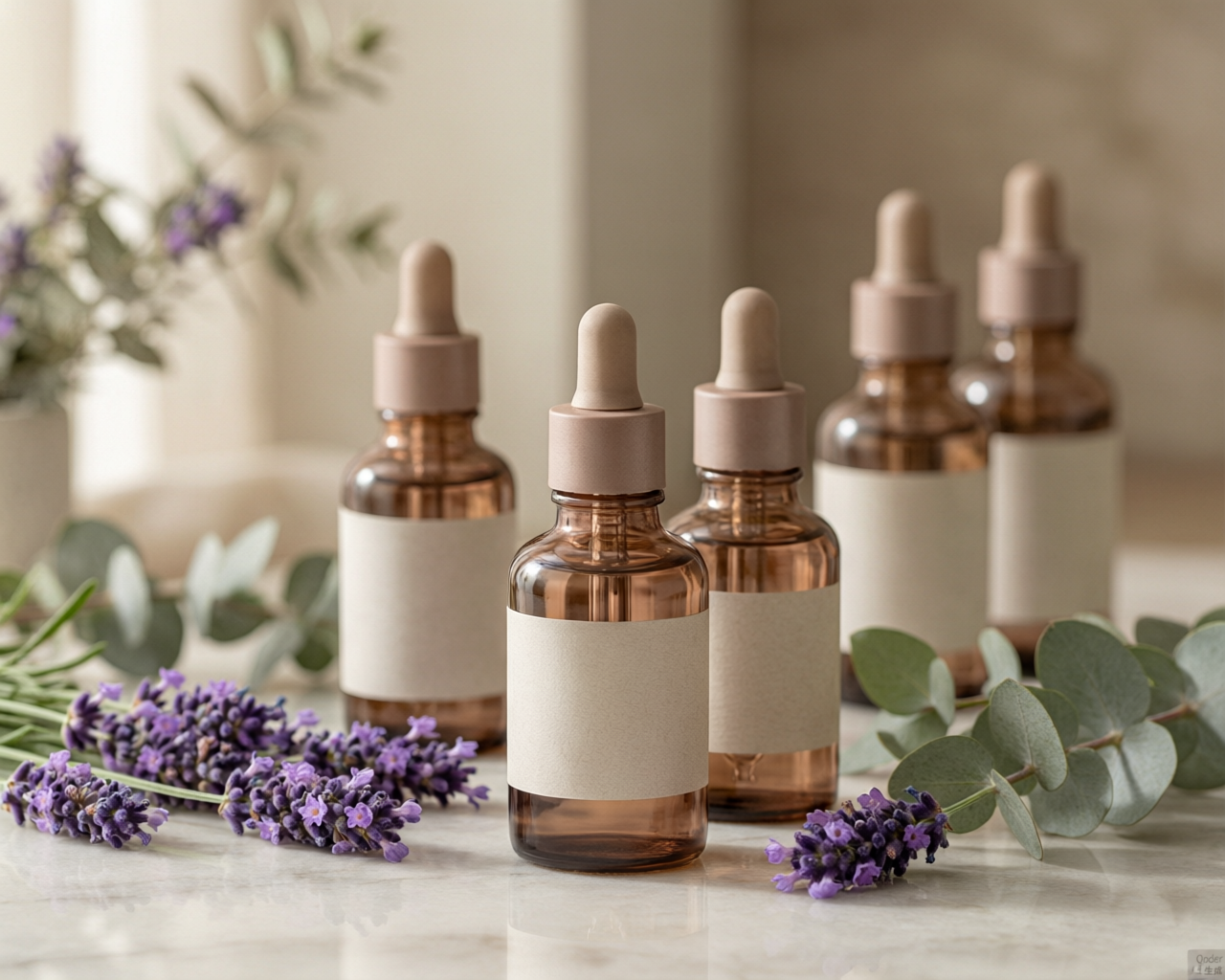
Essential oils dominate the natural fragrance and aromatherapy market, but hydrosols (also called floral waters or hydrolats) represent an underexploited product category with distinct advantages. Both are outputs of steam distillation, yet they differ dramatically in concentration, cost, regulatory burden, and application range. B2B buyers looking to expand their natural product lines should understand where each material creates the strongest commercial opportunity.
Production Yield and Relationship
Essential oils and hydrosols are co-products of the same distillation process. When plant material is steam-distilled, the vapor carries both volatile oil compounds and water-soluble aromatic molecules. After condensation, the mixture separates into two layers: the essential oil (typically floating on top) and the hydrosol (the aromatic water below).
Yield ratios vary by plant species:
- Lavender: 1.5 to 3 percent essential oil yield; approximately 1 liter of hydrosol per kilogram of plant material
- Rose: 0.02 to 0.05 percent essential oil yield; approximately 1 liter of hydrosol per kilogram of petals
- Tea tree: 1.5 to 2.5 percent essential oil yield; approximately 0.8 to 1 liter of hydrosol per kilogram
- Peppermint: 1.0 to 2.0 percent essential oil yield; approximately 1 liter of hydrosol per kilogram
The hydrosol is produced in vastly greater volume than the essential oil. For rose distillation, producing 1 kilogram of rose otto essential oil requires approximately 3,000 to 5,000 kilograms of petals and yields roughly 3,000 to 4,000 liters of rose hydrosol as a by-product.
Cost Structure
Essential oil prices reflect their concentration and the large quantity of plant material required:
- Lavender essential oil: $25 to $60 per kilogram
- Rose otto essential oil: $8,000 to $15,000 per kilogram
- Tea tree essential oil: $18 to $35 per kilogram
- Peppermint essential oil: $20 to $45 per kilogram
Hydrosol prices are a fraction of essential oil costs:
- Lavender hydrosol: $3 to $8 per liter
- Rose hydrosol: $8 to $20 per liter
- Tea tree hydrosol: $2 to $6 per liter
- Peppermint hydrosol: $3 to $7 per liter
Rose hydrosol costs approximately 0.1 to 0.2 percent of the price of rose otto essential oil. This makes rose-scented products accessible at mass-market price points when formulated with hydrosol rather than essential oil.
Concentration and Usage Rates
Essential oils are highly concentrated, containing 100 percent volatile aromatic compounds. Usage rates in finished products are low:
- Candles and diffusers: 3 to 10 percent of formulation
- Topical cosmetics: 0.5 to 3 percent (diluted in carrier)
- Cleaning products: 0.1 to 1 percent
Hydrosols contain 0.02 to 0.5 percent water-soluble aromatic compounds suspended in water. They are used at much higher concentrations or even as the primary ingredient:
- Facial toners and mists: 50 to 100 percent of formulation
- Linen sprays: 60 to 90 percent of formulation
- Hair care: 20 to 50 percent of formulation
- Baby products: 10 to 30 percent of formulation
Regulatory and Safety Profile
Essential oils face significant regulatory constraints. Many oils contain allergens (limonene, linalool, eugenol, geraniol) that must be declared on labels under EU Cosmetics Regulation 1223/2009 when exceeding 0.001 percent in leave-on products or 0.01 percent in rinse-off products. Some oils are restricted or prohibited for use in children’s products, pregnancy-related products, and sun-exposure products.
IFRA standards set maximum usage levels for dozens of essential oils. For example, cinnamon bark oil is limited to 0.05 percent in leave-on products. Compliance requires formulation expertise and documentation.
Hydrosols face far fewer restrictions. The water-soluble aromatic compounds are present at such low concentrations that most hydrosols do not trigger allergen labeling requirements. They are generally recognized as safe for use in baby products, sensitive skin formulations, and products marketed to pregnant consumers. This regulatory simplicity reduces compliance cost and expands the addressable market.
Product Application Comparison
Essential oils are strongest in:
- Aromatherapy diffusers (ultrasonic, nebulizing)
- Scented candles (as fragrance component)
- Massage oils and therapeutic topicals
- Natural cleaning concentrates
- Perfumery (as raw materials for blending)
Hydrosols are strongest in:
- Facial mists and toners
- Pillow and linen sprays
- Baby care (diaper sprays, gentle mists)
- Sensitive skin care lines
- Natural deodorant formulations
- Pet care sprays
- Post-sun and after-shave products
Shelf Life and Stability
Essential oils have a shelf life of 2 to 5 years when stored in dark glass, sealed, at cool temperatures. Citrus oils oxidize faster (12 to 18 months) while resinous oils like sandalwood improve with age.
Hydrosols have a shorter shelf life of 12 to 18 months and are susceptible to microbial contamination once opened. They require refrigeration after opening or the addition of mild preservatives (such as radish root ferment or leucidal) for commercial products. This adds a formulation step and stability testing requirement that essential oils do not need.
For B2B buyers, hydrosol products require more careful inventory management and shorter production-to-sale cycles.
Market Opportunity
The global essential oil market is valued at approximately $12 billion and growing at 8 to 9 percent annually. It is competitive, with established players in every major oil.
The hydrosol market is smaller, estimated at $500 to $800 million, but growing at 11 to 14 percent annually. The category is less saturated, and consumer education is still developing. Brands that establish hydrosol expertise now can capture category leadership as awareness grows.
The “clean beauty” and “gentle fragrance” trends favor hydrosols. Consumers seeking fragrance-free or low-allergen products respond well to hydrosol-based formulations that deliver subtle natural scent without synthetic fragrance or concentrated essential oils.
Sourcing and Quality Control
Essential oil quality is verified by GC-MS (gas chromatography-mass spectrometry) analysis. Reputable suppliers provide batch-specific GC-MS reports showing the percentage of key chemical constituents.
Hydrosol quality is harder to verify. There are no universal standards for aromatic compound concentration in hydrosols. Some suppliers dilute hydrosols with water or add synthetic fragrance to boost scent. B2B buyers should request microbiological testing, pH data, and organoleptic evaluation for every batch. Sourcing directly from distilleries rather than intermediaries reduces adulteration risk.
Recommendation for Brand Builders
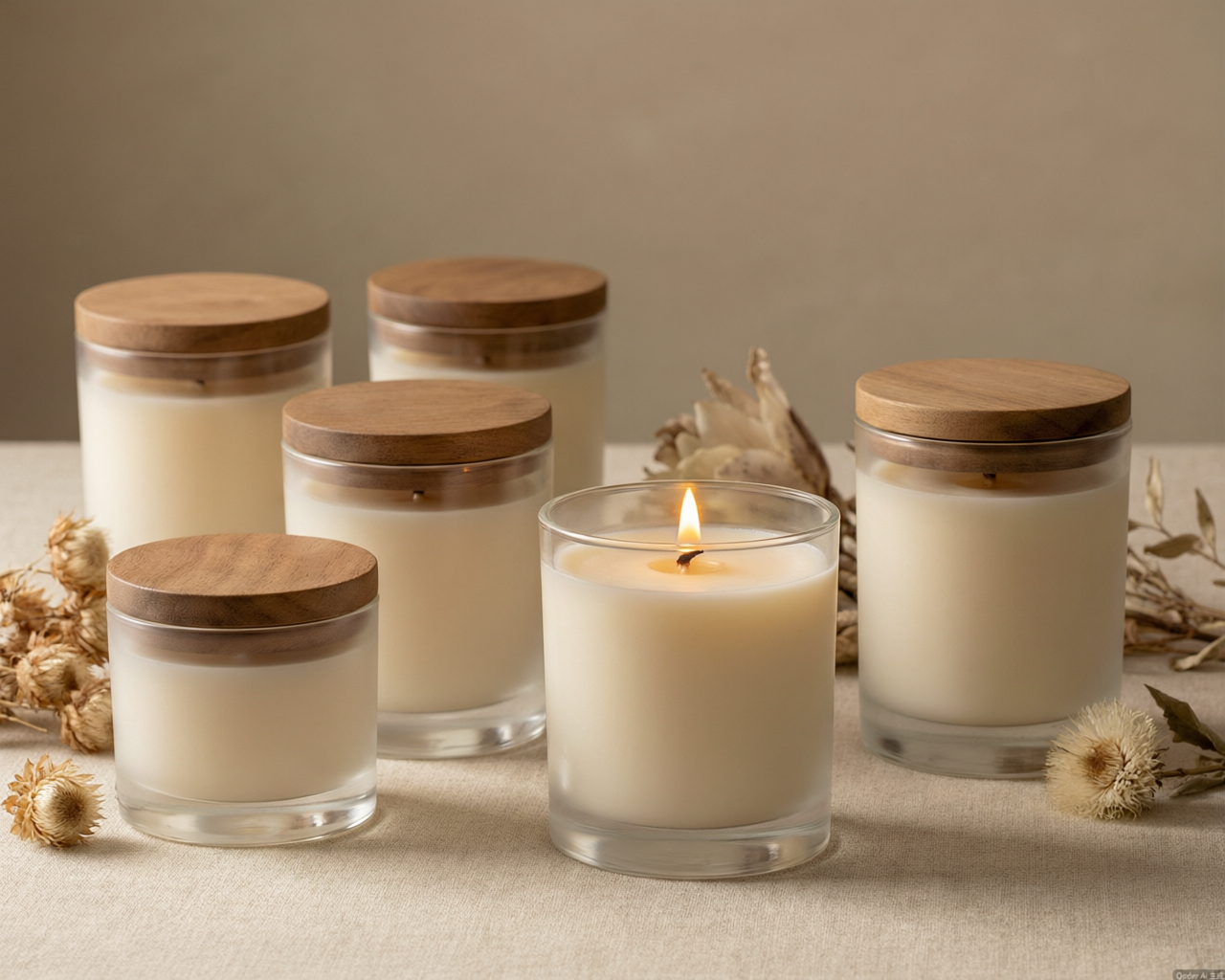
If your brand is fragrance-focused (candles, diffusers, perfumes), essential oils are the primary material. Hydrosols can extend the line into adjacent categories like linen sprays and body mists with minimal additional equipment.
If your brand is skincare or wellness-focused, hydrosols offer a differentiated ingredient story with lower regulatory burden and strong alignment with sensitive-skin positioning.
Aromiso supplies both essential oils and hydrosols for private-label and white-label product development. We provide GC-MS documentation, formulation support, and finished goods manufacturing. MOQs start at 1,000 units for finished products and 5 kilograms for bulk essential oils. Contact us for a product opportunity assessment.