Buying Guides
Reed Diffuser Cap and Collar Options: A Design Guide

The cap and collar of a reed diffuser serve a dual purpose: they seal the bottle during shipping and storage, then frame the reeds as a design element during use. For B2B buyers, this small component carries outsized influence on perceived quality, leak prevention, and brand differentiation. This guide breaks down your options.
Cap vs. Collar: Understanding the Difference
- Cap (shipping seal): A solid closure that fully seals the bottle neck. Used during transit and storage to prevent evaporation and leakage. Typically removed by the end consumer before inserting reeds.
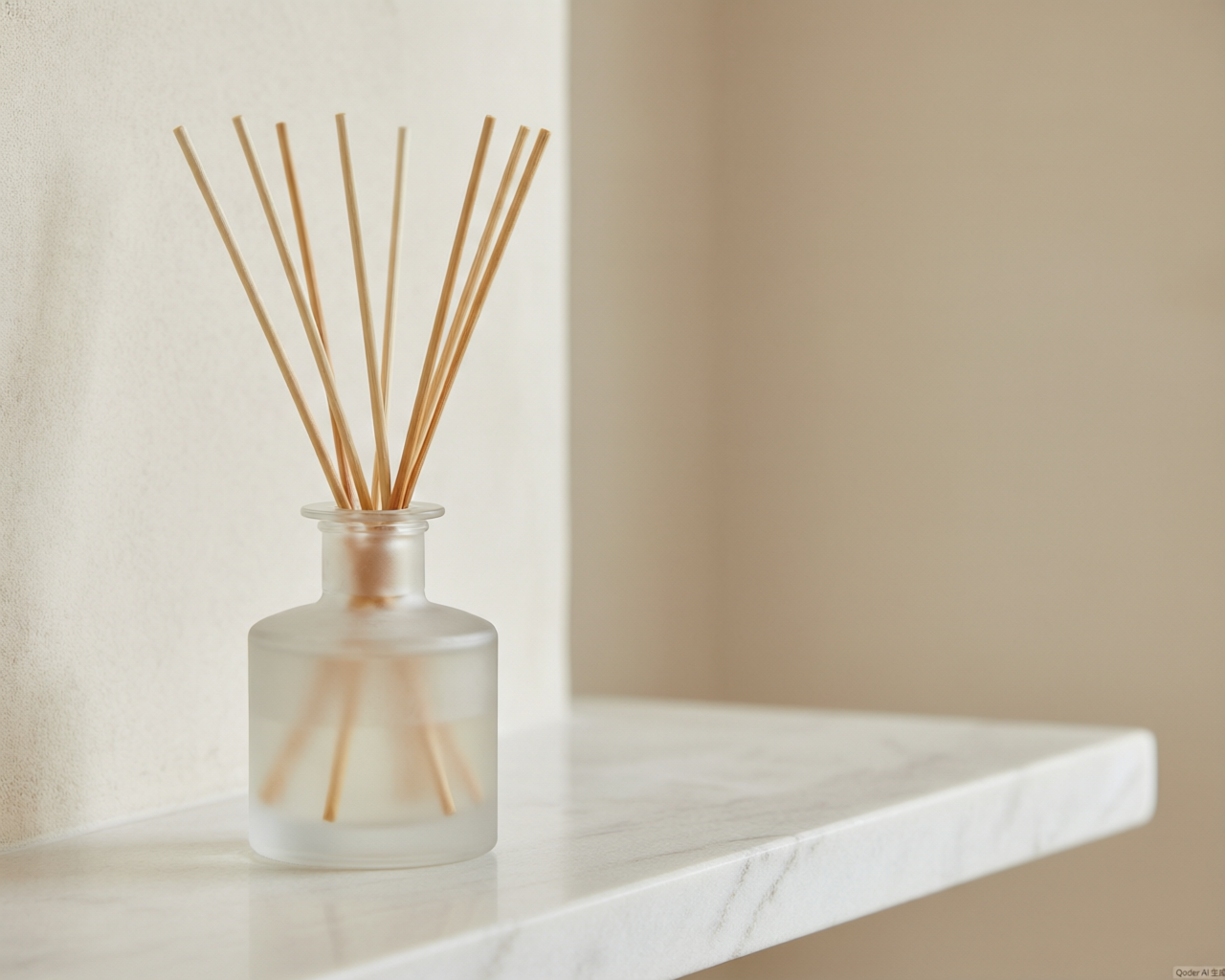
- Collar (decorative ring): A ring or sleeve that sits around the bottle neck during use, hiding the opening and holding reeds in a neat arrangement. It remains on the product throughout its life.
Many products use both: a functional cap for shipping, plus a decorative collar for display. Some designs integrate both into a single piece with a removable inner plug.
Material Options
Aluminum
- Cost: $0.15-$0.45 per unit (cap), $0.20-$0.60 (collar)
- Finishes: Anodized (matte or glossy), brushed, electroplated (gold, rose gold, chrome)
- Advantages: Lightweight, corrosion-resistant, available in any Pantone color via anodizing. Crisp edges give a modern, precise look.
- Limitations: Can dent if dropped. Thin-gauge aluminum (below 0.5mm) feels insubstantial.
- Best for: Contemporary brands, mid-range retail, high-volume orders.
Wood (beech, bamboo, walnut, ash)
- Cost: $0.40-$1.20 per unit depending on species and finish
- Finishes: Natural oil, matte lacquer, stained, laser-engraved
- Advantages: Warm, tactile, aligns with eco-positioning. Each piece has natural grain variation.
- Limitations: Dimensional tolerance is plus or minus 0.5mm, which can cause fit inconsistency. Requires an inner plastic or silicone ring for a secure seal. Susceptible to moisture swelling if exposed to diffuser liquid.
- Best for: Natural, Scandinavian, or artisan brand aesthetics.
Ceramic / porcelain
- Cost: $0.80-$2.50 per unit
- Finishes: Glazed (glossy or matte), unglazed bisque, hand-painted
- Advantages: Heavy, premium hand feel. Can be color-matched to the bottle for a monolithic look.
- Limitations: Fragile in shipping. Requires foam or molded pulp protection. Higher breakage rate (3-5% without adequate packaging).
- Best for: Luxury and artisanal positioning.
ABS / PP plastic
- Cost: $0.08-$0.25 per unit
- Finishes: Spray-coated, soft-touch, metallic paint, wood-grain transfer
- Advantages: Lowest cost, tight tolerances (plus or minus 0.1mm), any shape achievable via injection molding.
- Limitations: Perceived as lower value unless finished well. Soft-touch coatings can degrade after 12-18 months.
- Best for: Economy lines, high-volume promotional items, travel sizes.
Zinc alloy / metal composite
- Cost: $0.60-$1.80 per unit
- Finishes: Electroplated, antique, brushed nickel, PVD coating
- Advantages: Substantial weight (30-60g per cap), premium feel, excellent for engraving or embossing logos.
- Limitations: Higher tooling cost for custom shapes ($800-$2,000 for a mold).
- Best for: Premium and luxury gift sets, branded corporate gifts.
Functional Requirements
Regardless of material, specify these functional criteria:
- Seal integrity: The shipping cap must pass a 48-hour inverted leak test at 40 degrees Celsius. Request test reports from the factory.
- Inner seal material: EVA foam, silicone, or PE liner. Silicone offers the best chemical resistance to DPG and IPM-based liquids.
- Fit tolerance: The cap or collar inner diameter should match the bottle neck outer diameter within plus or minus 0.3mm for friction fit, or use a threaded connection (common thread sizes: 18/415, 22/400, 24/410).
- Reed hole (collar): If the collar includes pre-drilled reed holes, specify hole diameter (3.5mm for 3mm reeds, 2.5mm for 2mm reeds) and count (6, 8, 10, or 12 holes).
- UV and solvent resistance: Confirm the finish will not degrade, peel, or discolor after 6 months of exposure to diffuser vapor and indirect sunlight.
Design Trends for 2025
- Matte black aluminum with gold accent ring: Dominant in premium retail.
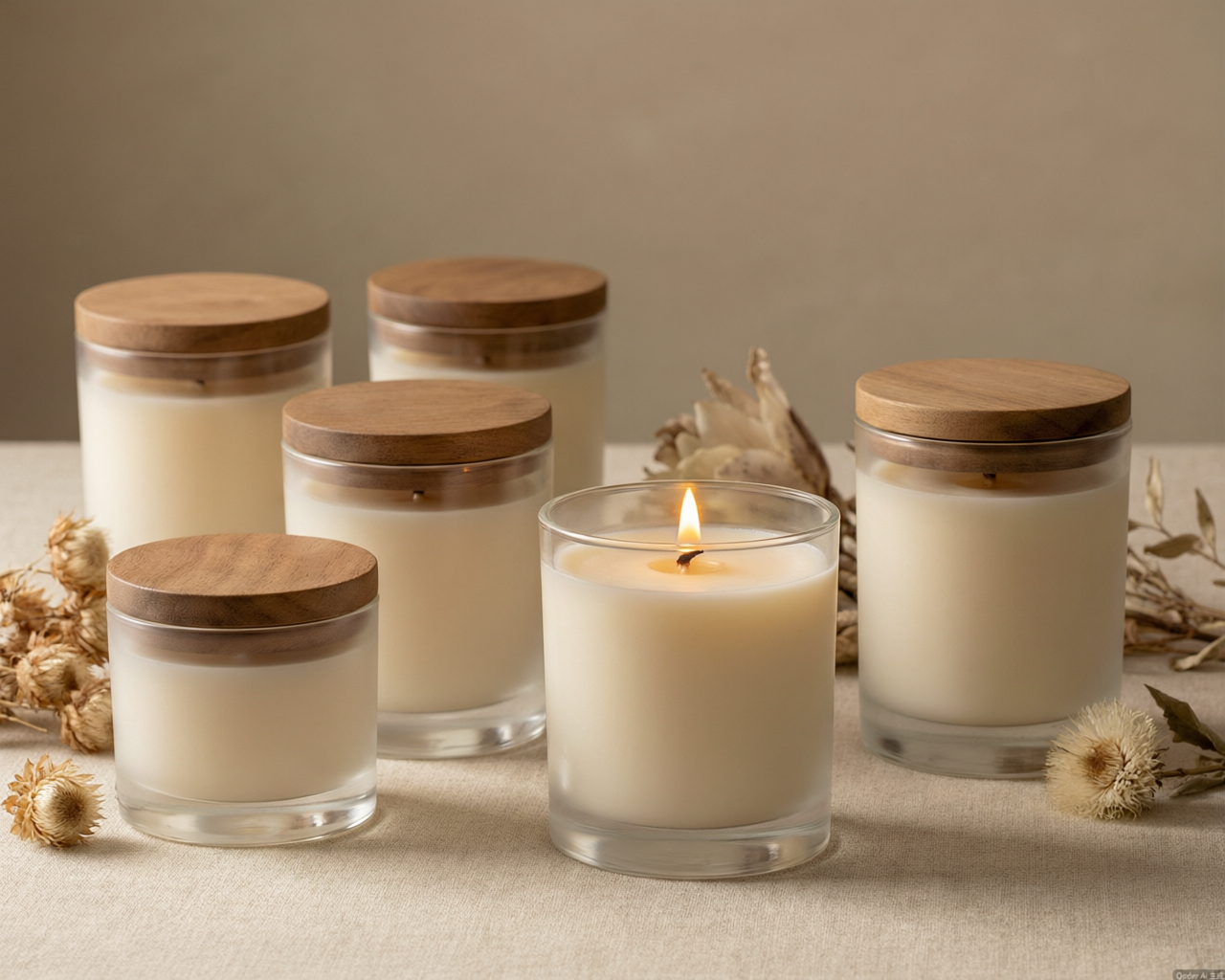
- Natural wood cap with visible grain: Strong in eco and wellness channels.
- Oversized collar (40-50mm height): Creates a bold silhouette, popular in hospitality amenity kits.
- Integrated cap-collar: A single piece that screws on for shipping, then the top lifts off to reveal a reed-ready collar. Reduces component count and packaging waste.
- Embossed or debossed logo on cap: Adds brand presence at minimal cost ($0.02-$0.08 per unit for a stock mold modification).
Cost Impact on Total Unit Price
The cap and collar typically represent 8-15% of total product cost for a standard 100ml diffuser. Upgrading from a $0.10 plastic cap to a $0.90 walnut wood cap adds $0.80 per unit but can support a $4-$6 retail price increase. The ROI on this component upgrade is among the highest in diffuser design.
Sourcing and Quality Control Tips
- Request cap and collar samples fitted to your exact bottle. Test fit on 20 units to check consistency.
- For wood components, specify moisture content below 12% to prevent cracking or warping during ocean freight.
- For electroplated finishes, request a salt spray test report (minimum 24 hours, no visible corrosion).
- Include cap/collar color in your PPS (pre-production sample) approval. Batch-to-batch color variation should be within Delta E less than 1.5.
- Order 5% spare caps to account for assembly-line losses and quality rejects.
Final Note
Treat the cap and collar as a branding surface, not just a functional closure. A well-chosen cap communicates quality before the consumer ever smells the fragrance. Specify materials, finishes, and tolerances with the same rigor you apply to the bottle and liquid, and your product will stand apart on shelf.