Product Knowledge
The Clean Fragrance Trend: What It Means for Manufacturers
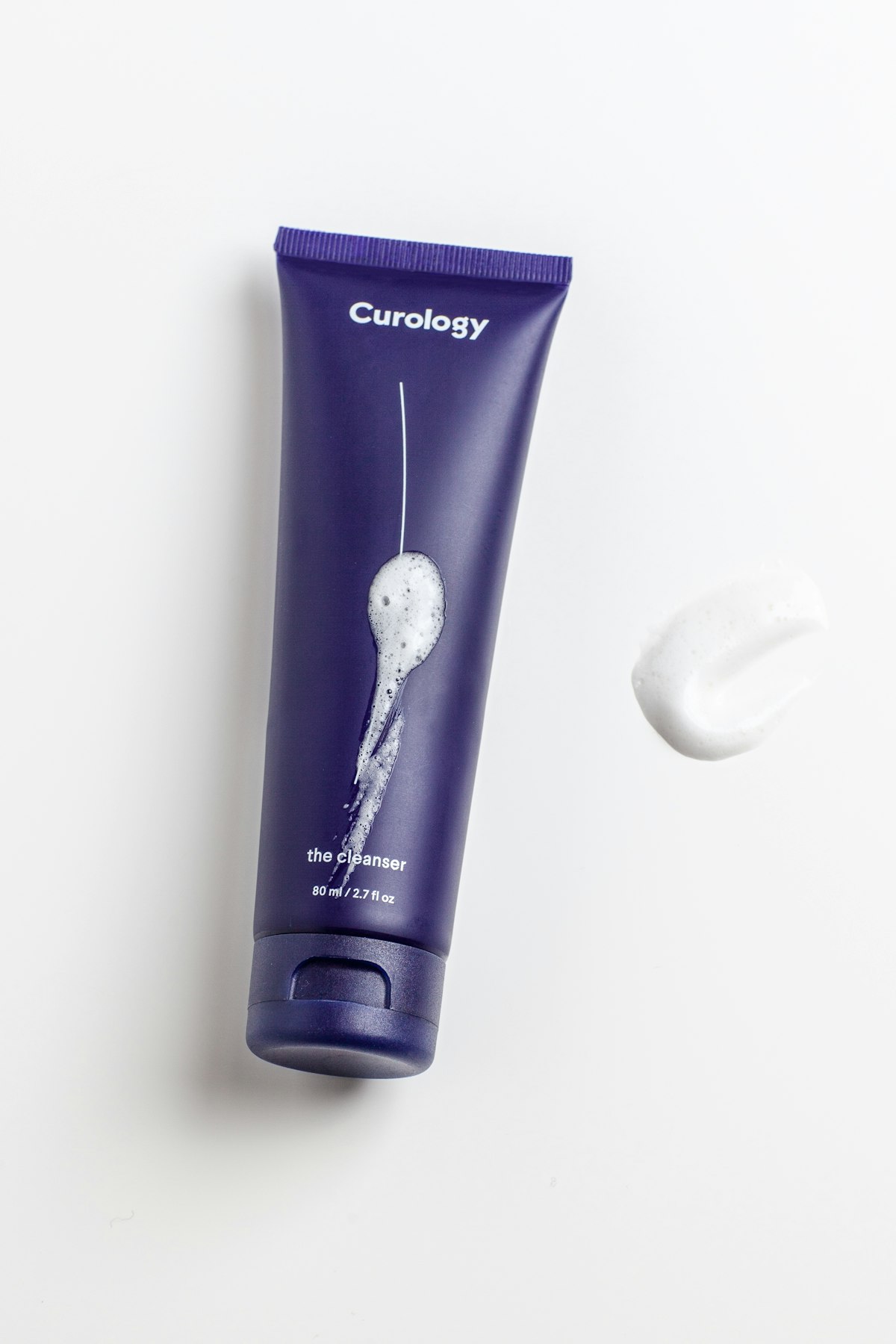
“Clean fragrance” has moved from a marketing position to a procurement requirement. Major retailers, including Sephora, Credo, and Whole Foods in the US, and a growing list of EU and Asian chains, now maintain restricted-substance lists that go beyond IFRA and EU regulation. For manufacturers, this means clean fragrance is no longer optional; it is a parallel specification track that affects raw material selection, documentation, and cost.
What “Clean” Actually Means
There is no legal definition of clean fragrance. In practice, it is defined by retailer and certification standards. Common elements include:
- Free-from lists of 50 to 2,000+ restricted substances, depending on the retailer.
- Full ingredient disclosure, often beyond the EU’s 26 (now 80+) allergen declaration.
- Phthalate-free, paraben-free, and formaldehyde-donor-free formulas.
- Vegan and cruelty-free status, with no animal-derived materials (musk, civet, castoreum, beeswax).
- Sustainability criteria covering sourcing, packaging, and carbon footprint.
A manufacturer serving clean brands must therefore maintain not just an IFRA-compliant library, but a second library filtered against the major retailer lists.
Common Free-From Restrictions
The most frequently restricted materials in clean fragrance briefs include:
- Phthalates, especially DEP (diethyl phthalate), historically used as a solvent and fixative.
- Synthetic musks such as Galaxolide and Tonalide, due to bioaccumulation concerns.
- BHT and BHA antioxidants.
- Certain UV filters when used in fragranced sun care.
- Formaldehyde and formaldehyde-releasing preservatives (DMDM hydantoin, quaternium-15).
- Triclosan and triclocarban.
- Specific allergens beyond the EU list, sometimes including linalool, limonene, and geraniol regardless of source.
- Petroleum-derived materials in stricter “natural-only” standards.
The Credo Dirty List restricts around 2,700 ingredients. The EU Cosmetics Regulation Annex II prohibits around 1,600. IFRA restricts around 200+ materials. A clean-compliant formula must satisfy the strictest applicable list.
Transparency Demands
Clean brands increasingly request documentation that traditional buyers do not:
- Full quantitative disclosure of the fragrance concentrate to the brand, sometimes under NDA, so the brand can verify against its restricted list.
- CAS numbers per component, not just the IFRA allergen list.
- Origin and processing data for natural materials (country, extraction method, solvents used).
- Animal-origin declarations for vegan certification.
- Carbon footprint per kg of concentrate, increasingly required by EU retailers and the upcoming ESPR (Ecodesign for Sustainable Products Regulation).
This level of transparency requires manufacturers to maintain detailed internal records and to negotiate disclosure terms with their own raw material suppliers. Smaller manufacturers without this infrastructure struggle to win clean business.
Reformulation Challenges
Reformulating a conventional fragrance to clean standards is rarely a simple substitution. Common technical challenges:
- Replacing DEP. Without DEP, solubility and fixative behavior change. Alternatives include IPM (isopropyl myristate), DPG, and triethyl citrate, each with different evaporation profiles.
- Replacing Galaxolide and Tonalide. Clean musks (Ambrettolide, Habanolide, Globalide, ethylene brassylate) cost 2-5x more and behave differently in formulas.
- Removing BHT. Natural antioxidants (tocopherol, rosemary extract) are less effective in alcohol-based products, shortening shelf life.
- Reducing allergens. Removing linalool and limonene eliminates many citrus and lavender materials, narrowing the perfumer’s palette significantly.
- Maintaining scent identity. A “clean version” of a successful scent rarely smells identical; brands must decide whether to accept the difference or rebuild the formula from scratch.
Reformulation typically adds 4-8 weeks of development time and 10-30% to concentrate cost, depending on how restrictive the target standard is.
Certifications and Standards
Several certifications anchor clean fragrance claims:
- COSMOS Natural / COSMOS Organic (EU): defines natural and organic origin requirements, with minimum natural-origin percentages.
- ISO 16128: provides a calculation method for natural and natural-origin index, widely referenced but not a certification itself.
- Leaping Bunny / PETA: cruelty-free certification.
- The Vegan Society: vegan certification.
- EWG Verified (US): restricts substances of concern and requires full disclosure.
- Credo Clean Standard (US retailer): a private but influential restricted list.
Buyers should specify the target certification at the brief stage, because each has different documentation requirements and audit timelines. COSMOS certification, for example, requires facility audit and can take 3-6 months.
Cost Implications
Clean fragrance concentrates typically cost 20-60% more than conventional equivalents:
- Clean musks add USD 5-15 per kg of concentrate.
- Natural-only formulas can run 2-5x the cost of synthetic-dominant equivalents.
- Documentation and certification add USD 1,000-5,000 per SKU in administrative cost.
At retail, clean fragrances command a 10-30% price premium, which generally offsets the cost increase for brands positioned in the prestige tier.
A Practical Brief for Clean Fragrance
A complete clean-fragrance brief should specify:
- The target retailer or certification standard
- The applicable restricted-substance list (with version date)
- Disclosure requirements (full quantitative, CAS-level, NDA terms)
- Vegan and cruelty-free requirements
- Natural-origin index target under ISO 16128
- Sustainability documentation requirements
At Aromiso, we maintain a clean-compliant raw material library mapped to the major US and EU retailer standards, with full CAS-level disclosure available under NDA, so that clean-positioned brands can move from brief to approved formula without rebuilding their supply chain.