Product Knowledge
Soy vs Beeswax vs Paraffin: Choosing the Right Candle Wax
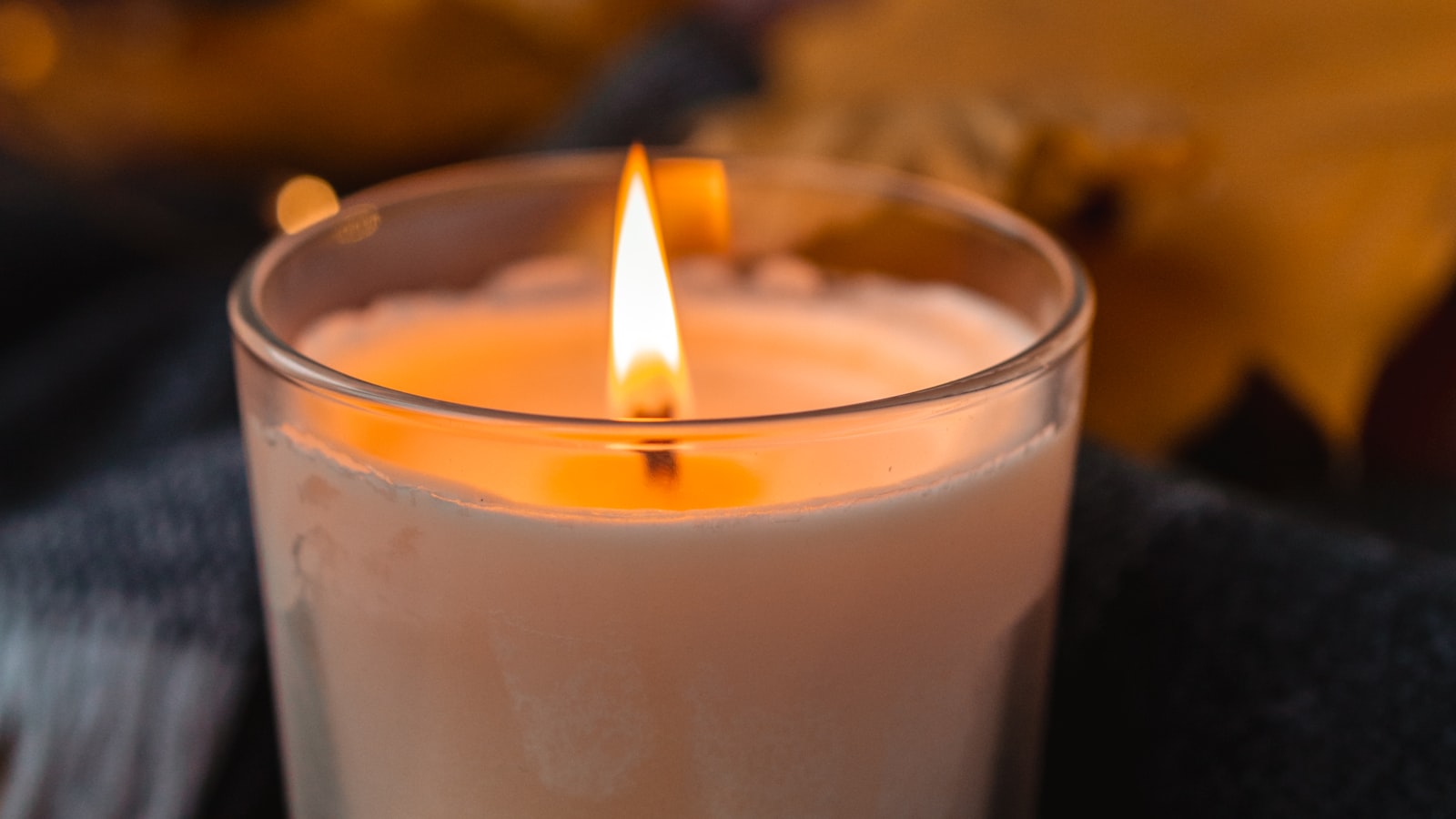
Wax is the first specification decision in any candle program because it constrains everything downstream: fragrance load, wick selection, vessel choice, burn time, and the marketing story you can honestly tell. Here is how the three mainstream options compare for private-label production.
Paraffin: maximum throw, minimum story
Refined paraffin remains the performance benchmark. It holds 8–12% fragrance load, delivers the strongest hot throw of any wax, and produces sharp, consistent color. Cost per unit is the lowest of the three — often 30–40% below soy at equal volume.
The trade-off is positioning. Paraffin is a petroleum derivative, and in EU and US retail channels “clean-burning” claims are increasingly expected by buyers and retailers. Fully paraffin lines are now mostly confined to mass-market and hospitality segments. A common compromise is a soy-paraffin blend (typically 70/30 soy/paraffin), which recovers some throw while keeping a plant-based majority on the label.
Soy: the premium default
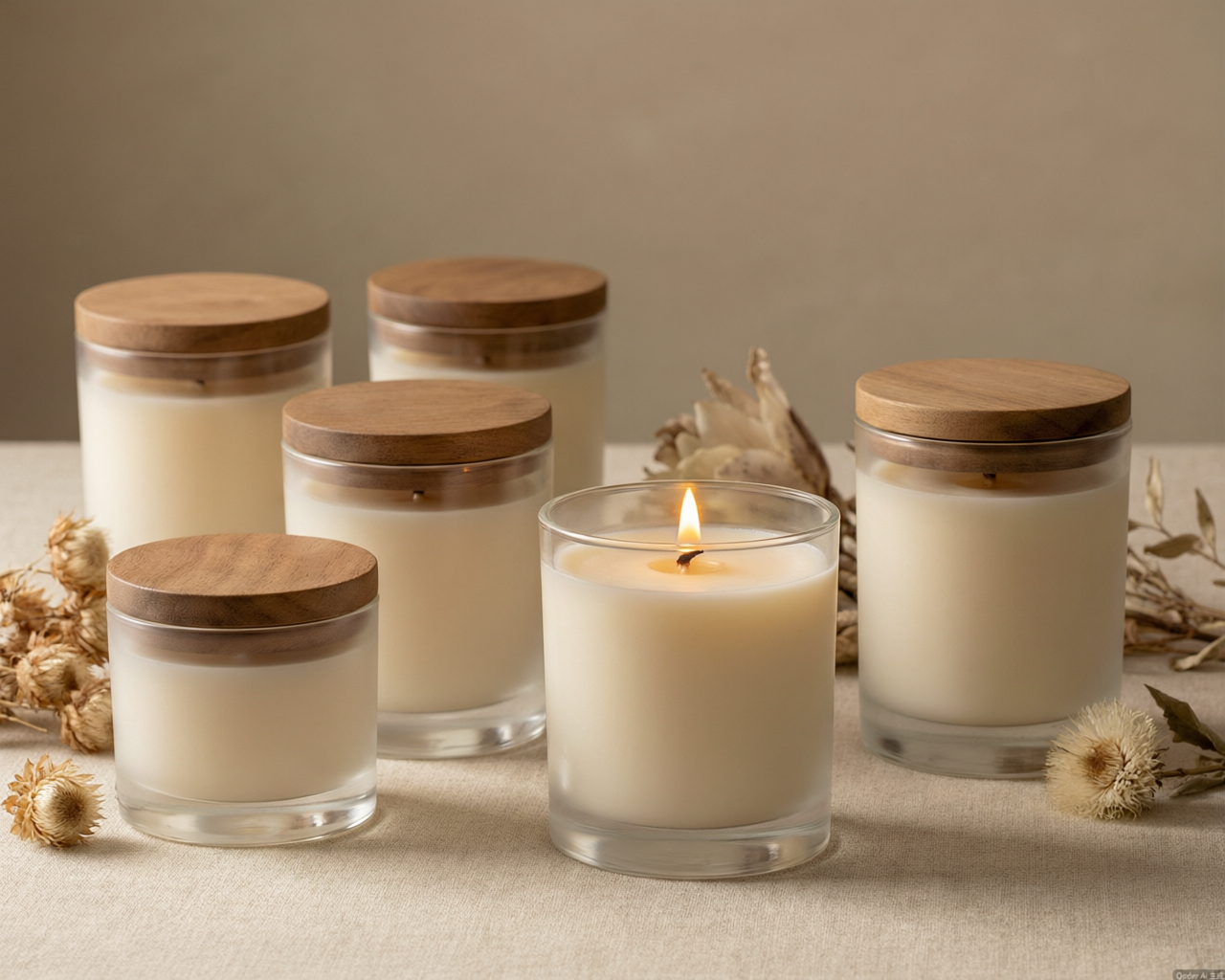
Soy wax (hydrogenated soybean oil) is the standard for premium and natural-positioned container candles. Key characteristics:
- Fragrance load: 6–10% typical; some container blends accept 12% but with sweating risk above that.
- Burn time: 30–50% longer than paraffin at equal weight because of lower melt point (45–55°C vs 55–65°C).
- Cold throw: excellent; hot throw is softer and slower to develop than paraffin.
- Appearance: opaque, creamy finish; prone to frosting (white crystalline patches), which is cosmetic but requires buyer education or acceptance criteria in your QC sheet.
Soy is also sensitive to cure time — 10–14 days before burn testing gives reliable results, versus 2–3 days for paraffin. Factor this into your production timeline: a factory that ships soy candles three days after pouring is shipping untested product.
Beeswax: niche, expensive, genuinely distinctive
Beeswax burns the longest and cleanest of the three and carries a natural honey note. It commands a premium retail price and supports “100% natural” claims without qualification. Constraints for scale production:
- Cost: 5–10x paraffin, 3–5x soy, with supply tied to honey harvests.
- Scent compatibility: the natural honey aroma competes with delicate fragrance profiles; it works best with warm, resinous, or honey-adjacent scents.
- Consistency: color varies from pale gold to deep amber lot to lot, which complicates color-matched lines.
Most brands use beeswax as a blend component (10–30%) to add hardness and a natural claim rather than as a sole base.
A quick decision framework
| Priority | Recommended base |
|---|---|
| Lowest unit cost, strongest throw | Paraffin or 70/30 blend |
| Premium natural positioning, EU/US retail | 100% soy or soy-coconut blend |
| Longest burn, artisanal story | Beeswax blend or pillar-grade soy |
| Balanced throw + natural label | Soy-coconut or soy-paraffin blend |
Specifying wax with your manufacturer
Whichever base you choose, put three things in writing in your tech pack: the wax blend ratio, the target fragrance load, and the acceptance criteria for surface finish (frosting tolerance, top-surface smoothness, wet spots on glass). Then require burn-test reports on the exact production combination — wax, fragrance, wick, and vessel — not on the wax alone. Wax choice is a business decision; verifying it in the finished configuration is the engineering.