Buyer FAQ
Are Reed Diffusers Suitable for Private Label? Pros and Cons

Are Reed Diffusers Suitable for Private Label? Pros and Cons
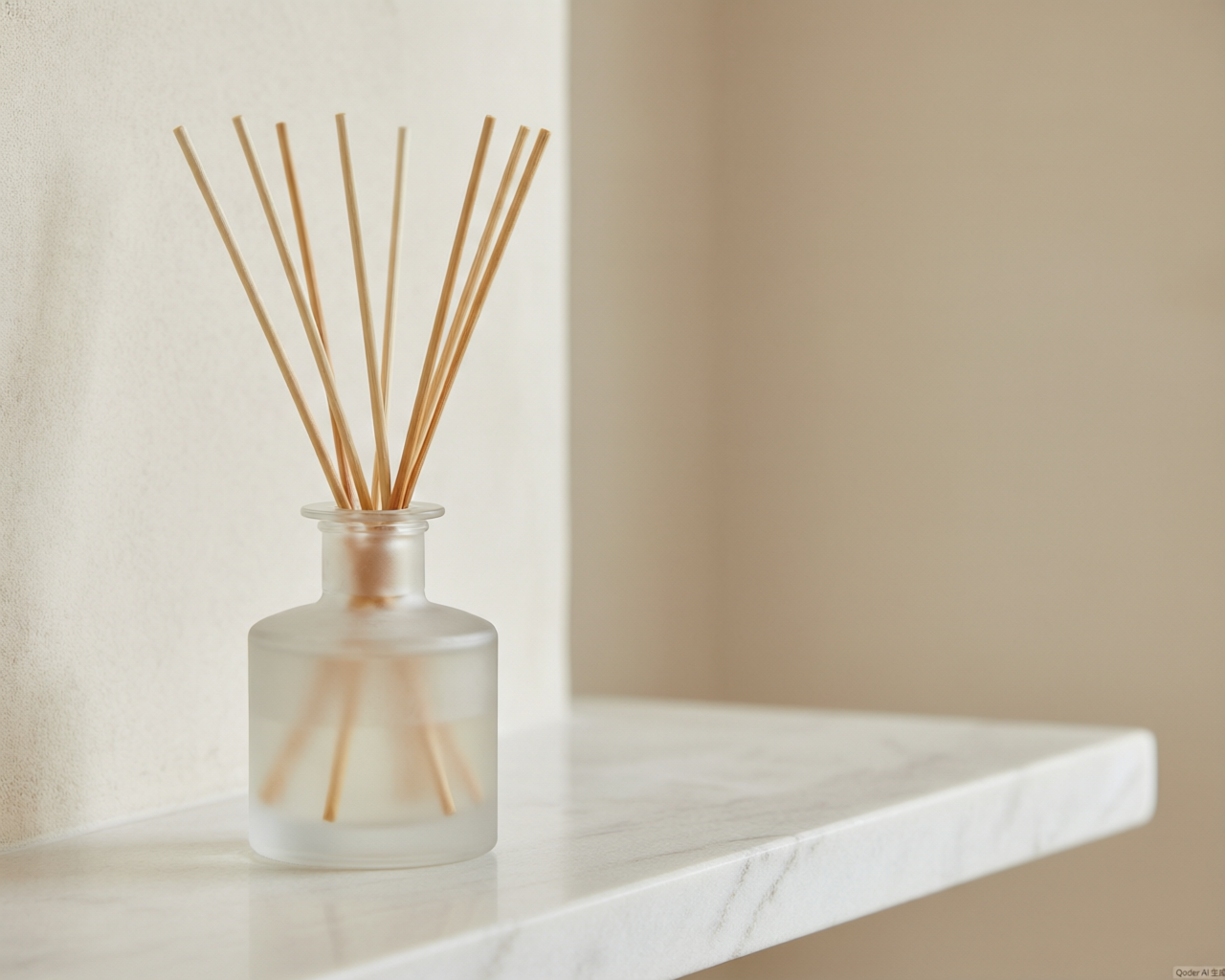
Reed diffusers are one of the most accessible home fragrance categories for private label brands, but they are not the right fit for every business. Here is an honest assessment based on hundreds of private label projects each year.
The Short Answer
Yes, reed diffusers are highly suitable for private label. They offer gross margins of 60% to 75%, low shipping weight, no flame or electrical safety concerns, and a 12 to 24 month shelf life. The main drawbacks are scent differentiation difficulty, fragile glass, and a crowded mid-market segment.
The Pros
1. Strong margins
A 150 ml reed diffuser costs $2.50 to $4.50 FOB and retails for $18 to $45 in the mid-market. That translates to 60% to 75% gross margin before marketing and distribution. Candles deliver similar margins, but diffusers avoid wax-related defects and shipping restrictions.
2. Low regulatory burden
Reed diffusers do not involve an open flame, so they bypass the candle-specific safety standards (ASTM F2417, EN 15493). They are classified as air care products under IFRA Category 10A. As long as your factory provides IFRA certificates, SDS, and CLP-compliant labeling, you can sell in the US, EU, UK, and Australia without additional product testing in most cases.
3. Long shelf life
A properly formulated reed diffuser lasts 12 to 24 months unopened and 8 to 12 weeks in use. This is far more forgiving than candles, which can develop frosting or scent loss within 6 months, and far better than natural cosmetics with 3 to 6 month shelf lives.
4. Easy to ship and store
A 150 ml diffuser weighs roughly 350 to 450 g packed. Cartons of 24 units weigh about 11 kg, well within standard shipping limits. There are no lithium batteries, no aerosol propellants, and no perishable ingredients. Warehousing requires only a cool, dry environment.
5. Repeat purchase potential
Customers who like a scent buy refills. A refill-only SKU (liquid plus reeds, no bottle) costs 40% to 50% less to produce than the original, but sells for 60% to 70% of the original price. This builds a recurring revenue stream.
6. Wide retail channel fit
Reed diffusers sell in boutique home goods stores, spas, hotels, gift shops, e-commerce, subscription boxes, and corporate gifting. The category fits anywhere from $12 impulse buys to $80 luxury gifts.
The Cons
1. Scent differentiation is hard
The market has thousands of “vanilla,” “sandalwood,” and “ocean breeze” diffusers. Standing out requires either a genuinely distinctive fragrance brief or strong brand storytelling. Budget 2 to 4 weeks for fragrance development and test against 3 to 5 competitor products before committing.
2. Glass breakage in transit
Even with proper packaging, expect a 0.5% to 2% breakage rate in ocean freight. This is manageable but requires budgeting for replacements and designing packaging that survives a 1-meter drop test. Custom-shaped bottles with thin walls break more often than stock cylinders.
3. Mid-market saturation
The $18 to $35 retail band is crowded with established brands and Amazon private labels. New entrants either need a clear niche (specific scent family, design language, or use case) or a distribution advantage.
4. Customer education required
Some buyers do not understand reed diffusers. They ask why the scent fades after 4 weeks (reeds need flipping or replacing) or why the liquid level drops (evaporation is the mechanism). Include simple use instructions on packaging to reduce support queries and negative reviews.
5. Fragrance oil price volatility
Fragrance oil prices fluctuate 5% to 15% annually based on raw material costs. Lock in pricing for 6 to 12 months with your factory, especially if you commit to volume.
6. Slow first-time sales cycle
Reed diffusers are a considered purchase in the premium segment. Customers often smell in-store before buying online. If you sell only via e-commerce, invest in sample programs or scent description content.
Numbers That Make the Case
A typical first-order scenario:
- 1,000 units at $3.20 FOB = $3,200 product cost
- Sea freight to US = $1,200
- Duties and clearance = $300
- Landed cost per unit = $4.70
- Wholesale price at 2.5x = $11.75
- Retail price at 2.2x wholesale = $25.85
- Gross margin at retail = 82%
- Gross margin at wholesale = 60%
Sell through 80% of inventory at wholesale and the remaining 20% at retail direct, and a $4,700 investment generates $11,000 to $14,000 in revenue.
Final Recommendation
If you have a brand or audience that aligns with home fragrance, reed diffusers are one of the lowest-risk private label entries available. Start with 1,000 to 2,000 units across 2 to 3 fragrances, validate the market over 3 to 6 months, then scale winners to 5,000-unit runs for better pricing.
Aromiso supports private label launches from initial brief through reorder, including fragrance development, packaging design, compliance documentation, and quality control. Send us your brand positioning and target retail price for a tailored product plan.