Home Fragrance
Reed Diffuser vs Candle: Which Home Fragrance is Right for Your Store?

Overview: Two Pillars of Home Fragrance
Scented candles and reed diffusers dominate the home fragrance market, yet they serve different consumer needs and retail environments. For B2B buyers — whether you run a boutique retail chain, supply hotels, or develop a private-label brand — understanding the strengths of each category is essential for maximizing shelf performance and revenue.
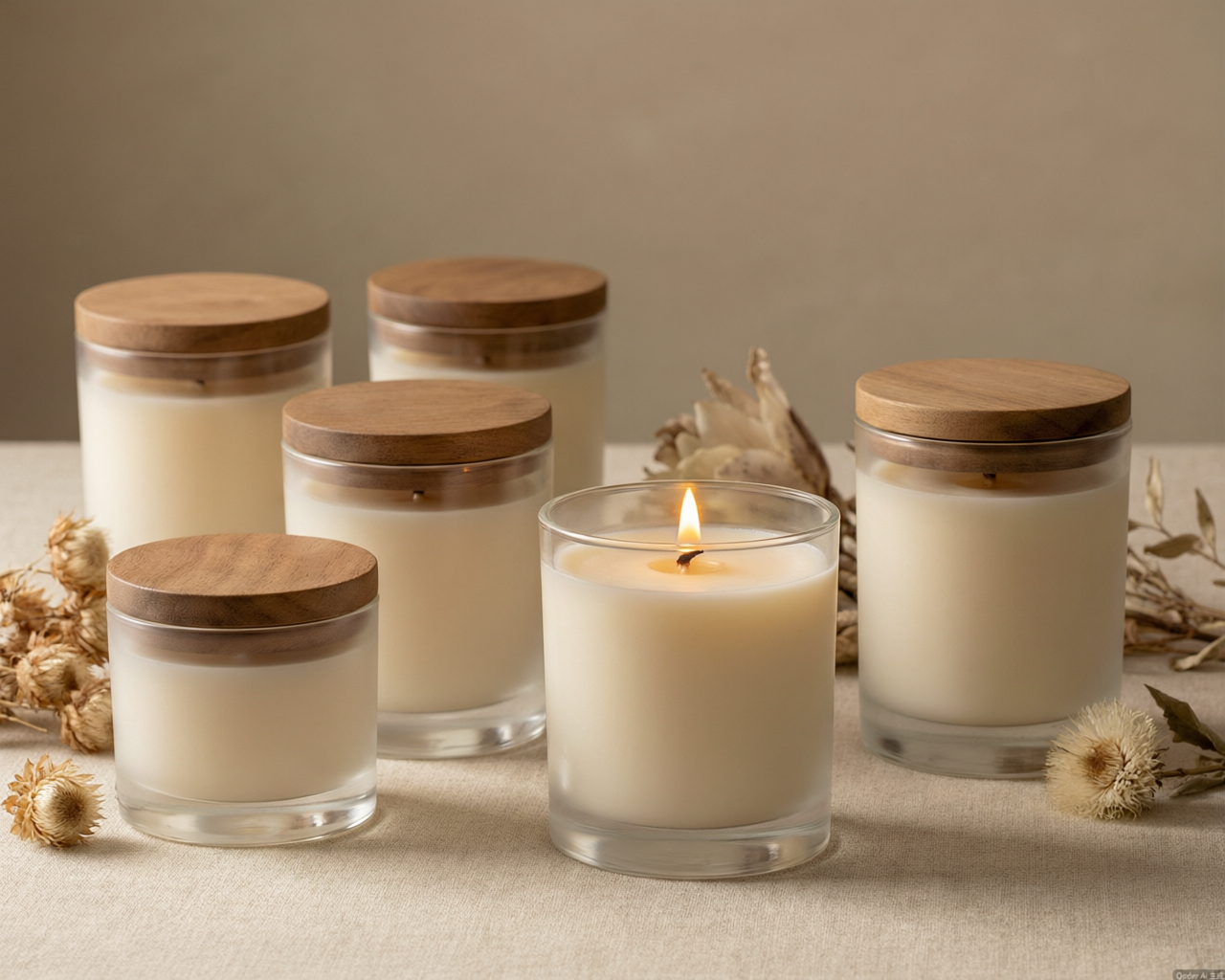
Scented candles deliver an experiential product: the ritual of lighting, the warm glow, and the burst of fragrance create emotional engagement that drives impulse purchases and gifting.
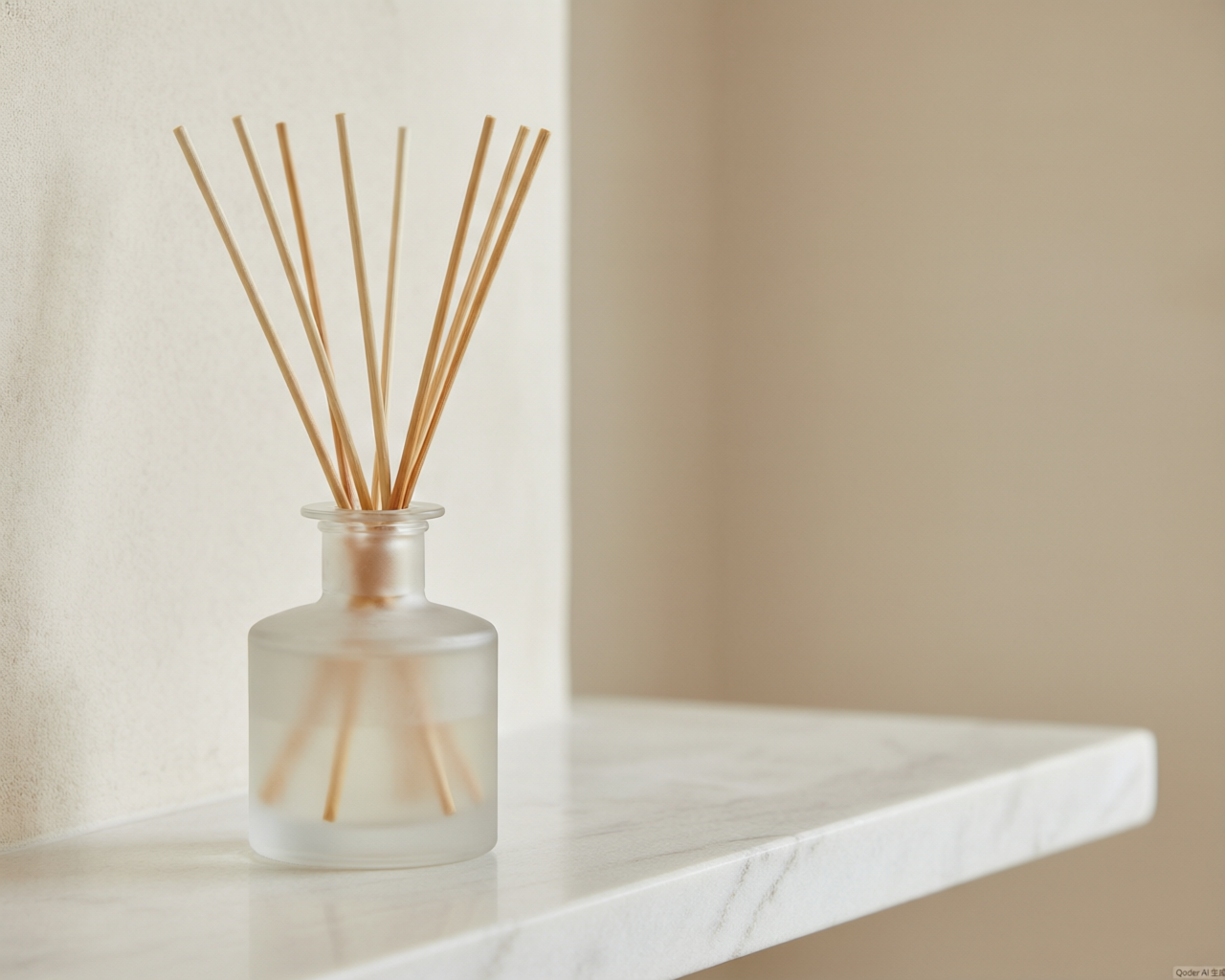
Reed diffusers offer passive, continuous fragrance with zero maintenance. They appeal to consumers who want a consistently scented space without interaction — ideal for bathrooms, offices, and hospitality settings.
Burn Time & Longevity
| Attribute | Scented Candle | Reed Diffuser |
|---|---|---|
| Typical lifespan | 40–80 hours (burn time) | 2–4 months (continuous) |
| Usage pattern | Intermittent (lit on demand) | Continuous (24/7 diffusion) |
| Shelf life (unopened) | Indefinite if stored properly | 12–24 months before oil degrades |
| Consumer replacement cycle | 2–4 weeks with regular use | 2–3 months per refill |
Candles provide a concentrated but finite experience. Diffusers deliver lower-intensity fragrance over a much longer period, which can translate to higher perceived value for cost-conscious consumers.
Scent Throw Comparison
Candles produce a strong hot throw (fragrance released when burning) that fills a room within 15–30 minutes. The cold throw (unlit scent) is mild, limiting in-store sampling effectiveness unless the product is designed for strong cold emission.
Reed diffusers emit a steady, moderate scent radius of approximately 1–3 meters. There is no “peak” moment, but the fragrance is always present. In retail, diffusers allow customers to experience the true scent profile immediately by smelling the reeds — no burning required.
For large commercial spaces (hotel lobbies, spas), multiple diffusers or commercial-grade units are needed, whereas a single large candle can anchor a smaller room.
Safety Considerations
| Factor | Candle | Reed Diffuser |
|---|---|---|
| Open flame | Yes — requires supervision | No |
| Child/pet risk | Moderate (burns, tipping) | Low (spill risk only) |
| Soot/particulates | Minimal with quality wicks | None |
| Hotel/hospitality approval | Often restricted | Universally accepted |
| Insurance/liability | Higher for commercial use | Lower |
For hotel buyers and hospitality procurement, reed diffusers are often the only approved option due to fire-safety regulations. Candles remain dominant in residential retail and gifting.
Cost Comparison
| Cost Element | Candle | Reed Diffuser |
|---|---|---|
| Manufacturing (FOB) | USD 1.50–5.00 | USD 2.00–6.00 |
| Typical retail price | USD 15–45 | USD 20–55 |
| Gross margin potential | 60–75% | 65–80% |
| Packaging complexity | Moderate (vessel + lid + label) | Moderate (bottle + reeds + box) |
| Shipping weight | Heavier (wax + glass) | Lighter (liquid + rattan) |
Diffusers often command slightly higher margins due to perceived longevity. Candles benefit from lower MOQs and faster production turnaround.
Target Customer Profiles
Candle buyers tend to be: gift shoppers, home-decor enthusiasts, seasonal purchasers (Q4 spike), self-care/wellness consumers.
Diffuser buyers tend to be: practical homeowners, office managers, hotel/hospitality procurement, consumers in warm climates (where candles are less appealing).
Market Trends
The global home fragrance market is projected to exceed USD 20 billion by 2030. Within that:
- Reed diffusers are the fastest-growing segment (~7–9% CAGR), driven by flameless demand, sustainability positioning, and hospitality adoption.
- Candles remain the largest segment by revenue (~45% market share) but grow at a steadier 4–5% CAGR.
- Consumer interest in refillable diffusers and clean-burn soy/coconut candles is reshaping both categories.
Space & Usage Scenarios
- Bedrooms & living rooms: Candles (ambiance + evening ritual)
- Bathrooms & hallways: Diffusers (continuous, no supervision)
- Hotels & spas: Diffusers (safety compliance, low maintenance)
- Retail displays: Both (candles for visual impact, diffusers for scent sampling)
- Offices & co-working spaces: Diffusers (flame-free policies)
Packaging & Presentation
Candles rely heavily on vessel aesthetics — glass jars, tins, and ceramics serve as decor objects, increasing gift appeal. Diffusers emphasize bottle design and reed styling, with premium brands using frosted glass, wooden caps, and branded collars.
Both categories benefit from rigid gift boxes, belly bands, and seasonal sleeve packaging for Q4 and Valentine’s Day peaks.
Recommendation: Stock Both for Maximum Revenue
The data is clear: candles and diffusers serve complementary occasions rather than competing directly. Retailers who carry both categories report 20–35% higher fragrance department revenue than single-category stores. A balanced assortment captures the gifting buyer (candle) and the practical buyer (diffuser), while cross-sell bundles drive average order value.
Partner with Aromiso
As a manufacturer of both scented candles and reed diffusers, Aromiso offers consolidated sourcing, matched fragrance collections across categories, and flexible MOQs for private-label programs. Whether you need soy candles in custom vessels or reed diffusers with branded packaging, our team provides end-to-end support from formulation to freight.
Request a combined catalog and quotation to see how a dual-category strategy can grow your fragrance revenue.