Formulation
Fragrance Stability Testing: Accelerated Aging & Shelf Life Protocols

A returned container of reed diffusers that smell “off,” a candle line that loses throw after three months on a retail shelf, or a car fragrance that turns rancid in a hot warehouse — these failures quietly destroy margins and retailer relationships. For B2B buyers sourcing home fragrance from overseas OEM partners, fragrance stability testing is the most under-invested step in product development. Most procurement teams negotiate price and lead time aggressively, then sign off on a 30-day sample approval and assume the formula will hold for two years. It often does not. Essential oils, aroma chemicals, waxes, and carrier solvents are reactive: oxidation, ester hydrolysis, UV degradation, and polymer migration all run on their own clocks, and the only way to manage them is a documented scent stability protocol before mass production.
This guide is written for brand owners, product developers, and sourcing managers who need to specify, audit, and verify stability work without becoming chemists. We cover what accelerated aging fragrance testing actually measures, the standard protocols reputable manufacturers use, realistic timelines and budgets, the failure modes specific to candles, reed diffusers, essential oils, and car fragrances, and how to write stability requirements into your OEM contract. Use it as a checklist during factory audits — vendor answers to these questions separate engineering-driven manufacturers from trading companies reselling untested formulas.
Why Stability Testing Is a Procurement Issue, Not Just a Lab Issue
Stability failures rarely show up at inspection. They show up 60 to 180 days after goods land in your warehouse, so the financial and reputational damage lands on the buyer. Retailers issue chargebacks for product that fails shelf-life claims, Amazon and Walmart penalize listings with high return rates, and one batch of separated reed diffuser liquid can trigger a recall costing more than the original order. From a procurement standpoint, stability data is risk transfer: a supplier providing validated accelerated aging reports owns the formula risk, while a supplier who cannot produce them passes that risk to you.
The practical implication is that stability testing belongs in your purchase order as a deliverable, not a favor. At Aromiso, stability work is built into the OEM program as a standard phase, with documented reports attached to each formula sign-off. When evaluating any Chinese fragrance manufacturer, ask for three artifacts up front: a stability protocol document, raw data logs from a prior product in the same category, and a written shelf-life guarantee tied to defined storage conditions. If a vendor hesitates on any of the three, price negotiations are premature.
The Core Protocols: ICH-Inspired, ASTM, and In-House Methods
There is no single global standard for home fragrance stability, but the industry borrows from cosmetics and pharmaceuticals. Useful reference points are ICH Q1A(R2) (pharmaceutical, widely adapted), ASTM D4169 for transport simulation, and IFRA-guided photostability screening for allergen-sensitive formulas. Credible manufacturers run a layered protocol combining all three.
| Protocol | Conditions | Duration | What It Reveals | Typical Cost (per SKU) |
|---|---|---|---|---|
| Accelerated aging | 40°C ± 2°C / 75% RH ± 5% | 12 weeks | Oxidation, ester breakdown, color shift | $300–$700 |
| Elevated stress | 50°C / ambient RH | 4 weeks | Worst-case thermal failure | $200–$450 |
| Photostability (UV) | 1.2M lux-hours visible + 200 Wh/m² UVA | 10–14 days | Color fading, top-note loss | $400–$900 |
| Freeze-thaw cycling | -10°C to 40°C, 24h cycles | 5–7 cycles | Emulsion separation, crystallization | $250–$500 |
| Real-time aging | 25°C / 60% RH | 12–36 months | Validates accelerated claims | $150–$400/year |
| Transport simulation | ASTM D4169 vibration + drop | 3–5 days | Packaging-fragrance interaction | $500–$1,200 |
The standard rule of thumb is the Arrhenius approximation: every 10°C increase roughly doubles reaction rate, so 12 weeks at 40°C approximates 12 months at 25°C. Use this only as a screening tool, and confirm with at least 6 months of real-time data before printing a shelf-life claim on packaging.
Accelerated Aging Fragrance Testing: How to Read the Data
A proper accelerated aging report should include five data streams, sampled at T0, T2, T4, T8, and T12 weeks:
- Sensory panel scoring — A trained panel (minimum three evaluators) rates top, heart, and base notes on a 1–10 scale against a sealed reference. Acceptable drift is typically less than 1 point on top notes and less than 0.5 on base notes.
- GC-MS fingerprinting — Gas chromatography tracks the relative percentage of key aroma chemicals. A drop of more than 15% in any signature compound (for example, linalool oxidizing to linalool oxide) is a fail signal.
- Color measurement — Spectrophotometer readings in CIELAB. A delta-E greater than 2.0 versus T0 is generally visible to consumers and warrants reformulation or UV stabilizers.
- pH and specific gravity — Mostly relevant for water-containing or alcohol-based products like reed diffuser liquids and room sprays. Drift beyond 0.3 pH units suggests hydrolysis.
- Visual and physical inspection — Cloudiness, precipitation, layer separation, wax bloom, and wick discoloration are logged with photographs at each interval.
When a vendor hands you a one-page “stability passed” certificate without these data streams, treat it as marketing, not engineering. Ask for the raw logs — a factory running real testing will have them organized by batch and date.
Category-Specific Failure Modes and Test Tweaks
Each home fragrance category has its own dominant degradation pathway, and a generic protocol will miss them. Insist that the supplier customizes the test plan per category.
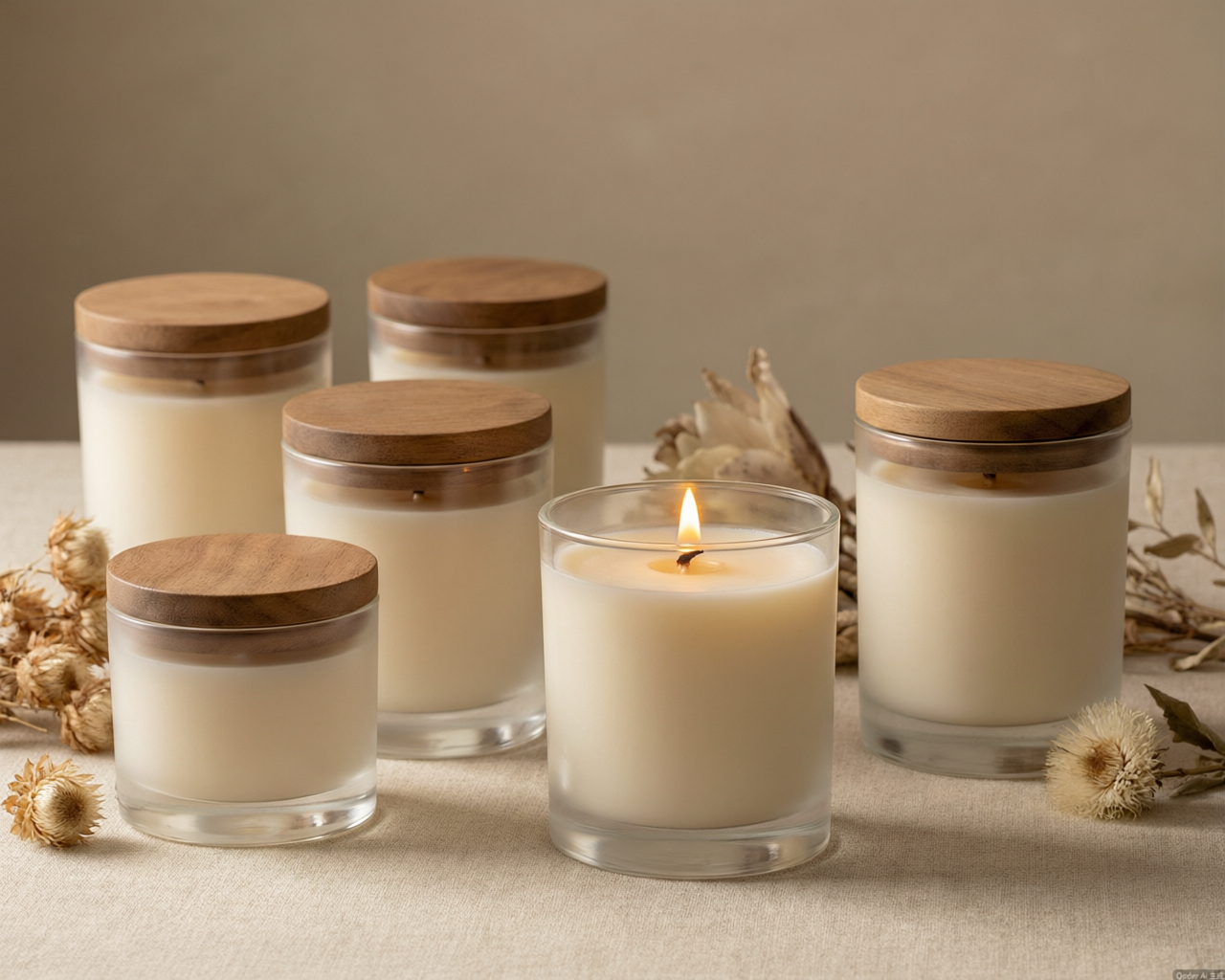
- Scented candles — The candle shelf life question is mostly about cold throw loss and wax-fragrance binding. Test for fragrance bleed at 40°C, wick clogging from dye migration, and top-note evaporation through the headspace of the closed jar. Soy and coconut waxes are more prone to frosting and scent migration than paraffin; expect 9–12 month validated shelf life for soy blends versus 18–24 months for paraffin.
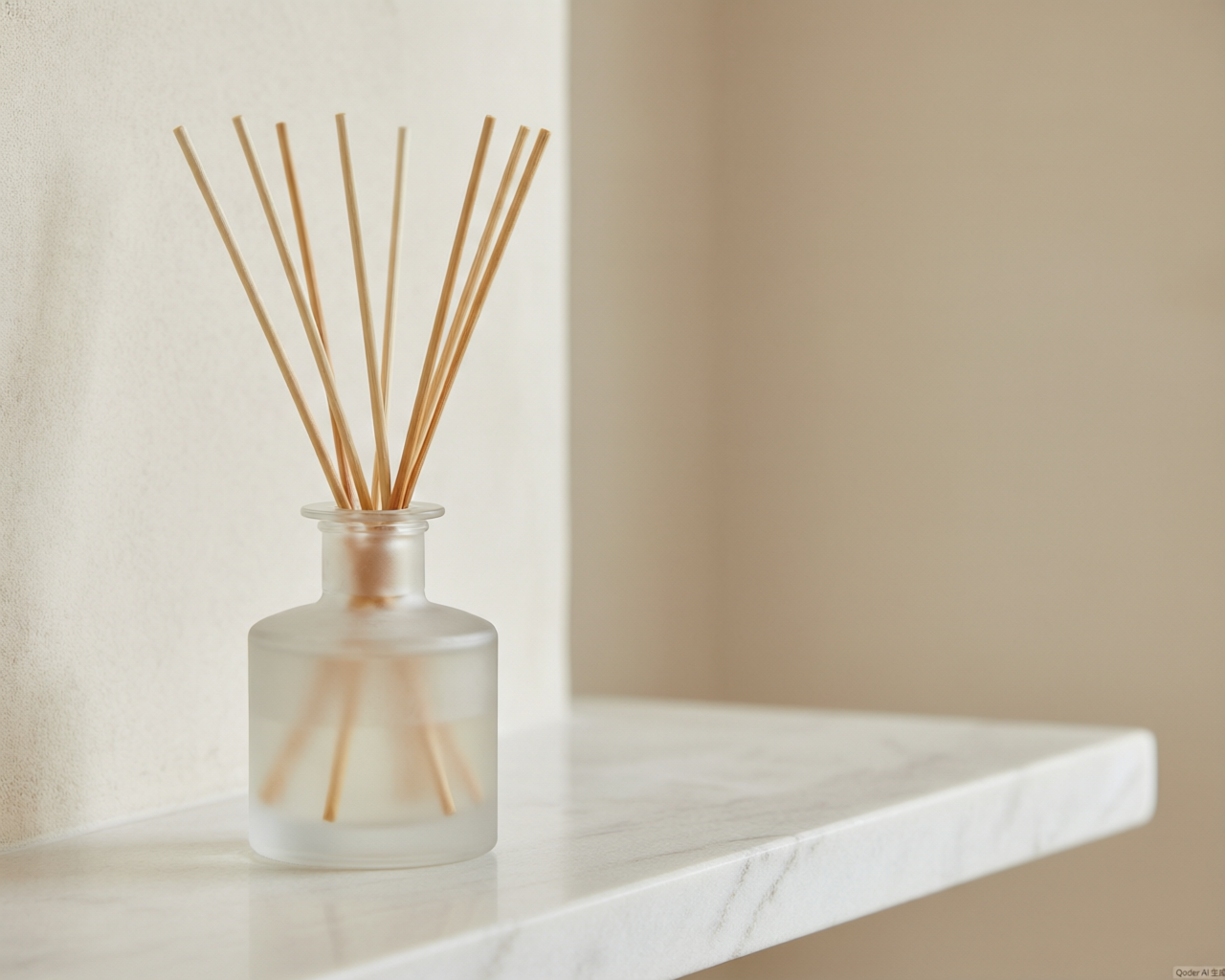
- Reed diffusers — The DPG or Augeo base can oxidize, and reed polymers can leach plasticizers. Run a 90-day closed-bottle test plus a 30-day open-reed evaporation test. Track evaporation rate (target under 8% per month at 25°C) and check for reed discoloration.
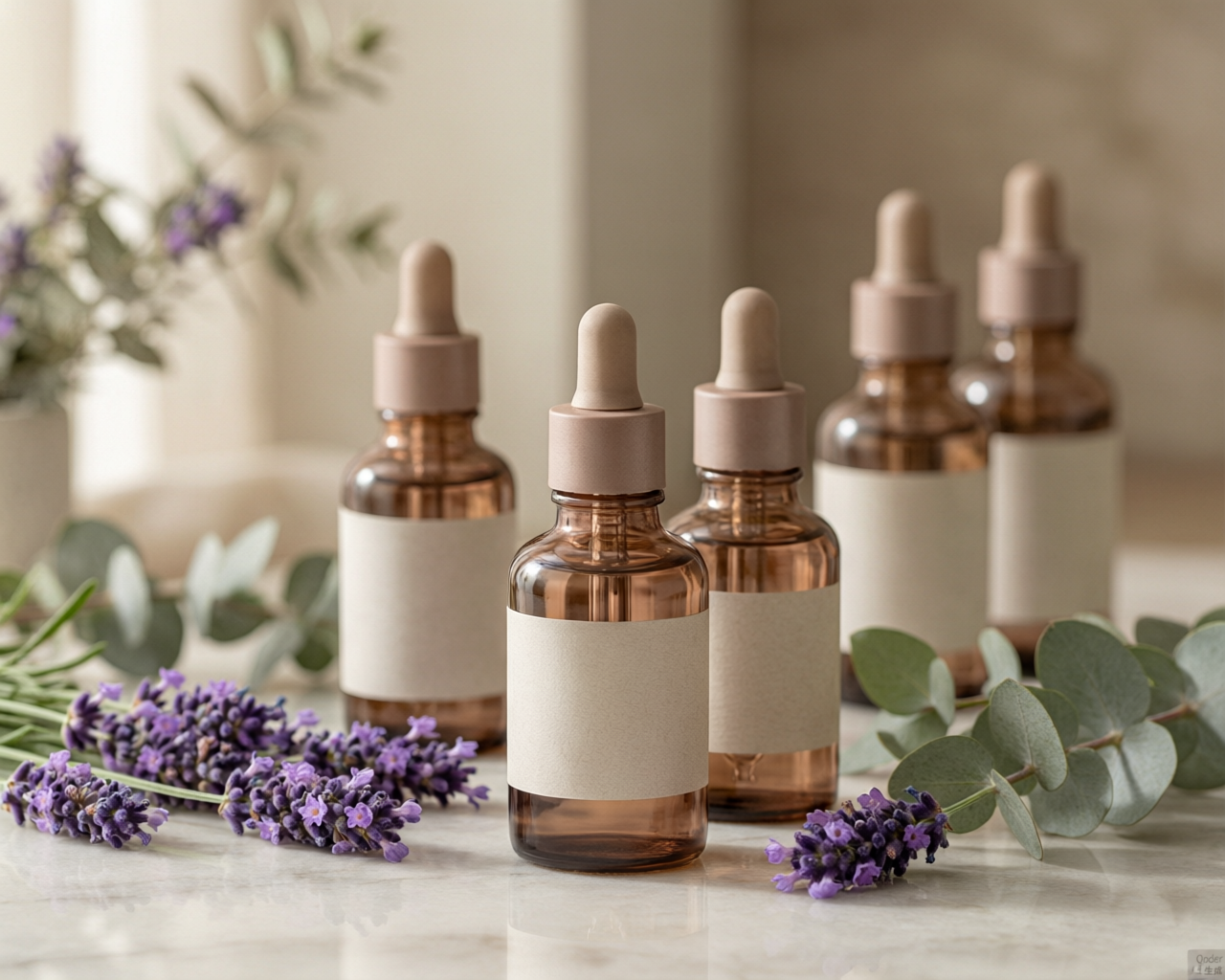
- Essential oil blends — Citrus oils (limonene, bergamot) are the highest oxidation risk. Require peroxide value testing at T0 and T12, with a pass threshold below 10 meq/kg. Store reference samples under nitrogen if possible.
- Car fragrances — Interior cabin temperatures exceed 70°C in summer. Run a 70°C / 2-week stress test in addition to standard 40°C aging, and verify the substrate (paper, EVA, PVC) does not off-gas or warp.
- Commercial diffusers and HVAC systems — Long reservoir contact time means plastic compatibility testing is critical. Run a 60-day soak test on the actual reservoir material.
If you are sourcing across multiple categories, ask for category-specific protocols rather than a one-size-fits-all document. The product catalog at Aromiso is segmented this way, with each category carrying its own validated test plan attached to OEM sign-off.
Building a Scent Stability Protocol Into Your OEM Contract
Verbal assurances do not survive a quality dispute. Stability requirements belong in writing, attached to the master service agreement or purchase order as a quality annex. A defensible annex includes the following clauses:
- Defined test method — Reference the exact protocol (for example, “12 weeks at 40°C / 75% RH per ICH Q1A adapted method”) with sampling intervals and acceptance criteria.
- Reference standard retention — The factory must retain sealed T0 reference samples for at least 36 months, stored at 15–20°C in amber glass, available for dispute arbitration.
- Shelf-life guarantee — A written statement such as “Product meets sensory and physical specifications for 24 months from production date when stored below 30°C away from direct sunlight.”
- Failure remedies — Pre-agreed remedies: reformulation at supplier cost, replacement goods, or credit. Without this, you will negotiate from weakness after a failure.
- Change control — Any raw material substitution (fragrance house change, wax supplier change, dye lot change) triggers re-testing before shipment. This is the most commonly violated clause and the most important.
Budget for the testing itself. For a typical new SKU program with three fragrance variants, expect $1,500 to $3,500 in stability costs and 12 to 16 weeks of calendar time before mass production. This is non-negotiable for retail-ready product. Buyers who skip it to save four weeks routinely lose six months dealing with returns.
Red Flags During Supplier Vetting
When auditing a Chinese fragrance factory, the following answers should slow down your decision:
- “We test for two weeks at room temperature.” This is not stability testing; it is a quality control sniff check. Walk away or require third-party testing.
- “Our formula is the same as [major brand].” Cloned formulas often skip the stabilizer package (BHT, UV absorbers, antioxidants) that the original brand spent years validating.
- No retained samples. If the factory cannot produce a 12-month-old sample of a similar product, they have no longitudinal data and are guessing.
- Fragrance sourced from unnamed trading houses. Ask for the fragrance supplier’s name and IFRA certificate. Reputable houses (Givaudan, Firmenich, IFF, Symrise, or established Chinese suppliers like Scentco and Boton) provide full allergen declarations.
- Refusal to share GC-MS data. Even if you cannot interpret it, the willingness to share signals an engineering culture.
Strong signals include an in-house stability chamber with logged temperature data, a sensory evaluation room with controlled lighting, and a QA team that can walk you through a recent reformulation triggered by stability findings.
Realistic Timelines and Budgets for a New SKU Program
For planning purposes, here is a typical timeline from formula brief to mass production with full stability validation:
- Weeks 1–3 — Brief, fragrance selection, initial lab samples. Cost: $200–$600 in sampling fees, often credited against order.
- Weeks 4–6 — Iteration on 2–3 candidate formulas, packaging compatibility check. Cost: $300–$800.
- Weeks 7–18 — Accelerated aging (12 weeks) running in parallel with photostability and freeze-thaw. Cost: $1,000–$2,500 per SKU.
- Weeks 16–20 — Pilot batch (typically 200–500 units), real-time aging starts. Cost: pilot batch at 1.3–1.8x unit price.
- Weeks 20–24 — Final sign-off, mass production PO issued. Real-time aging continues in background through first 12 months of sales.
Total pre-production investment for a single SKU with three fragrances: roughly $4,000 to $8,000 and 5 to 6 months. Programs that compress this to under 10 weeks are skipping steps, and the savings will be paid back in claims.
Next Steps
Stability testing is the cheapest insurance in the home fragrance supply chain. A validated protocol costs a rounding error against a recall, a retailer chargeback, or a damaged brand. If you are sourcing reed diffusers, candles, essential oils, car fragrances, or commercial diffusers from China, build the requirements above into your next RFQ and watch how differently suppliers respond.
To put this into practice with a manufacturer that runs stability work as standard: browse the product catalog for the categories we cover, review the OEM program for our sign-off and testing process, and request a quote with your target SKU list, fragrance brief, and intended shelf-life claim. Our team will return a proposal with the specific stability protocol, timeline, and cost line items — so your sourcing decision rests on data, not promises.