Essential Oils
The Complete Essential Oil Buying Guide for Importers
Understanding Essential Oil Grades
Not all essential oils are created equal. The market recognizes several grades: therapeutic (highest purity, suitable for aromatherapy), cosmetic (safe for skin applications), food (meets food-safety standards), and industrial (for cleaning and manufacturing).
Verifying Purity
Always request GC-MS (Gas Chromatography-Mass Spectrometry) reports. A legitimate supplier provides chromatograms showing the chemical profile of each batch. Key indicators of purity include the presence and ratio of primary chemical constituents.
Red Flags to Watch
Be wary of prices significantly below market rate — adulteration with synthetic compounds or carrier oils is common. Uniform pricing across all oils (e.g., everything at $10/kg) is a major warning sign, as genuine oils vary enormously in cost.
Questions to Ask Your Supplier
- Can you provide GC-MS reports for every batch?
- What is your sourcing origin for each oil?
- Do you hold ISO 22716 or equivalent certification?
- Can you provide samples before bulk orders?
- What is your minimum order quantity?
Storage and Shelf Life
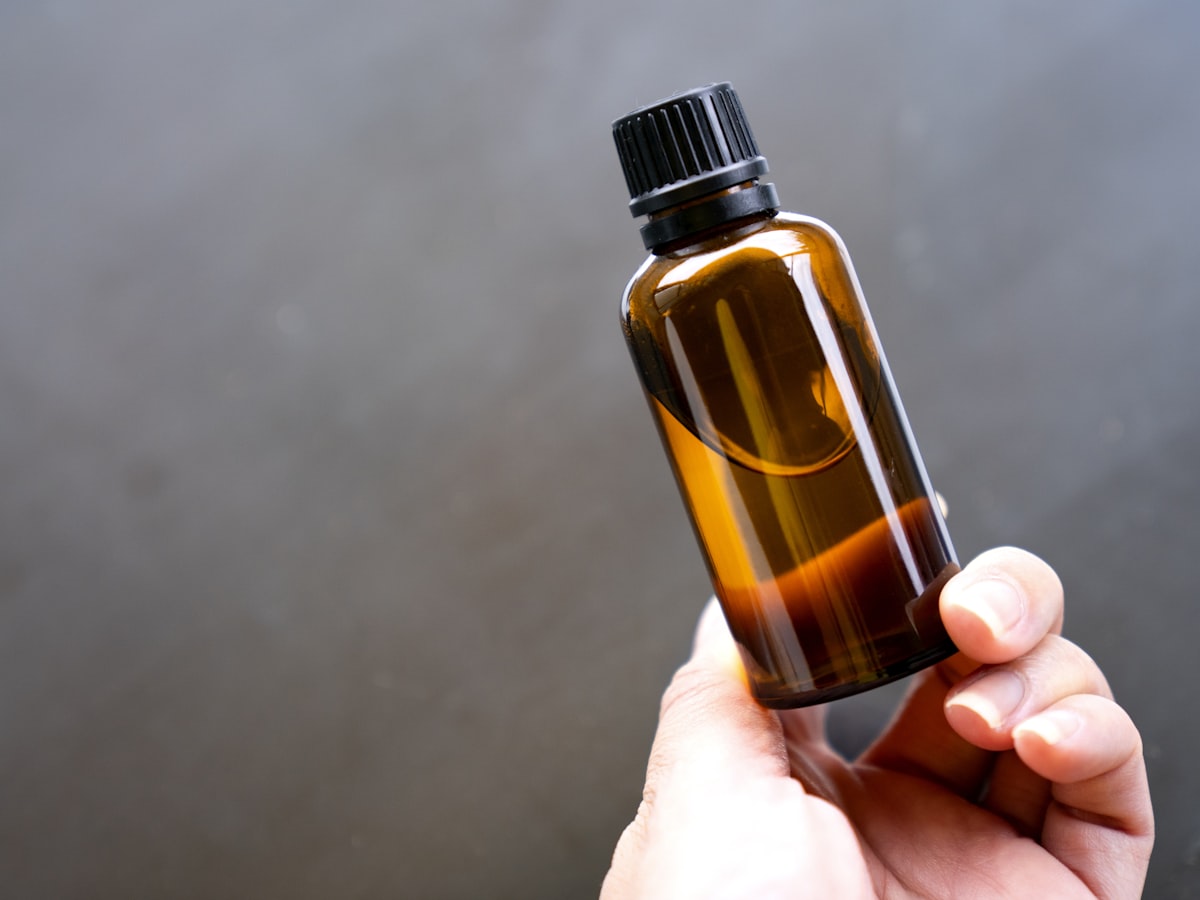
Essential oils degrade with heat, light and oxygen. Store in dark glass (amber or cobalt), keep below 25°C, and use within 1-3 years depending on the oil type. Citrus oils oxidize fastest (12-18 months).