Packaging
Eco-Friendly Candle Packaging: Sustainable Options for Your Brand

Why Sustainable Packaging Matters
The home fragrance industry is undergoing a fundamental shift. Consumers increasingly expect brands to demonstrate environmental responsibility at every touchpoint — and packaging is the first physical interaction a customer has with your product. Research consistently shows that over 70% of consumers are willing to pay a premium for sustainably packaged goods, and retailers are beginning to mandate eco credentials from their suppliers.
For B2B buyers sourcing candles, reed diffusers, and essential oils, sustainable packaging is no longer optional. It is a competitive differentiator, a regulatory necessity in markets like the EU, and a powerful brand storytelling tool. Companies that delay the transition risk losing shelf space to competitors who have already made the switch.
Materials Overview: Sustainable Packaging Options
Choosing the right sustainable material depends on your product type, price point, and brand positioning. Here is a comparison of the most common options:
| Material | Cost Level | Recyclability | Eco Appeal | Best For |
|---|---|---|---|---|
| Recycled cardboard | Low-Medium | Fully recyclable | High | Outer boxes, shipping cartons |
| Kraft paper | Low | Fully recyclable, compostable | High | Wrapping, sleeve packaging |
| Soy-based inks | Low (additive) | N/A | Medium-High | Printing on any paper stock |
| Mushroom packaging | Medium-High | Compostable | Very High | Protective inserts, luxury unboxing |
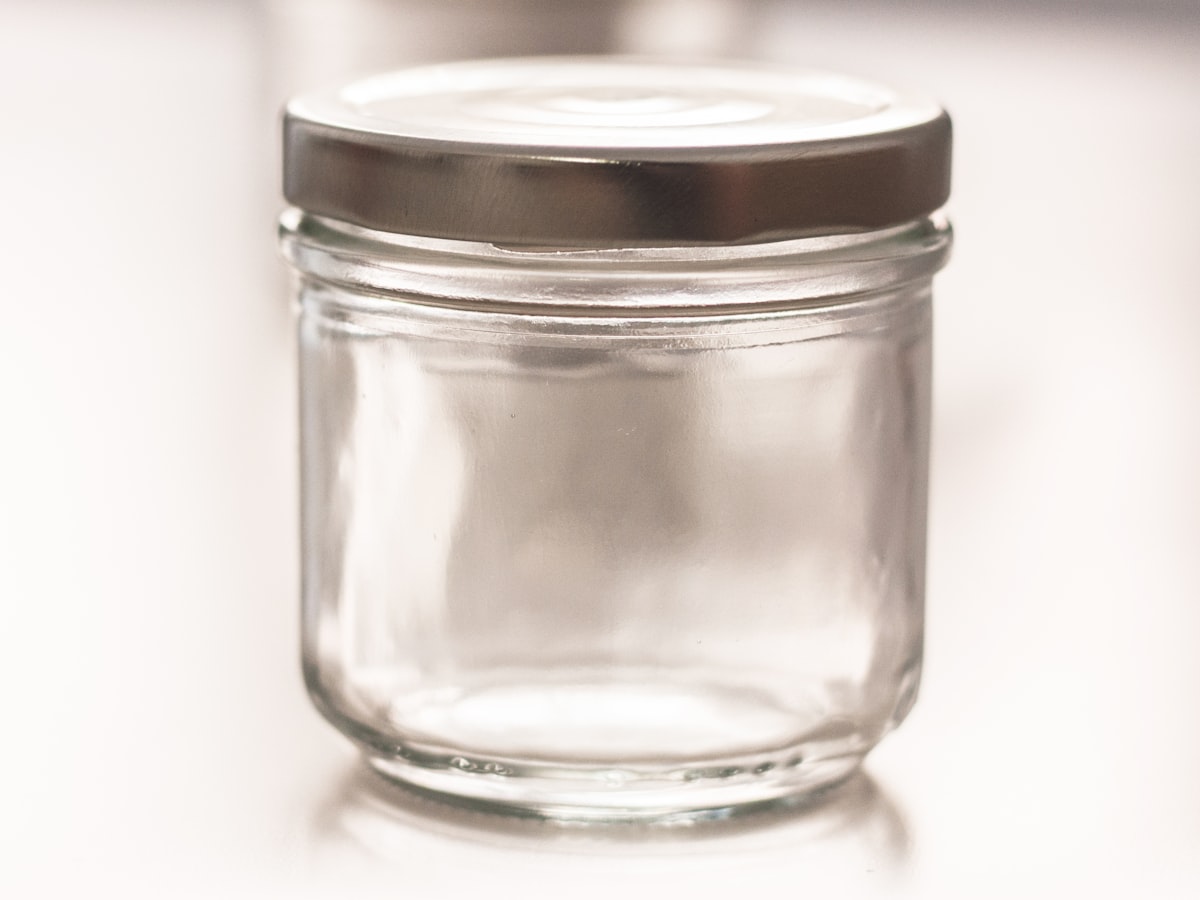
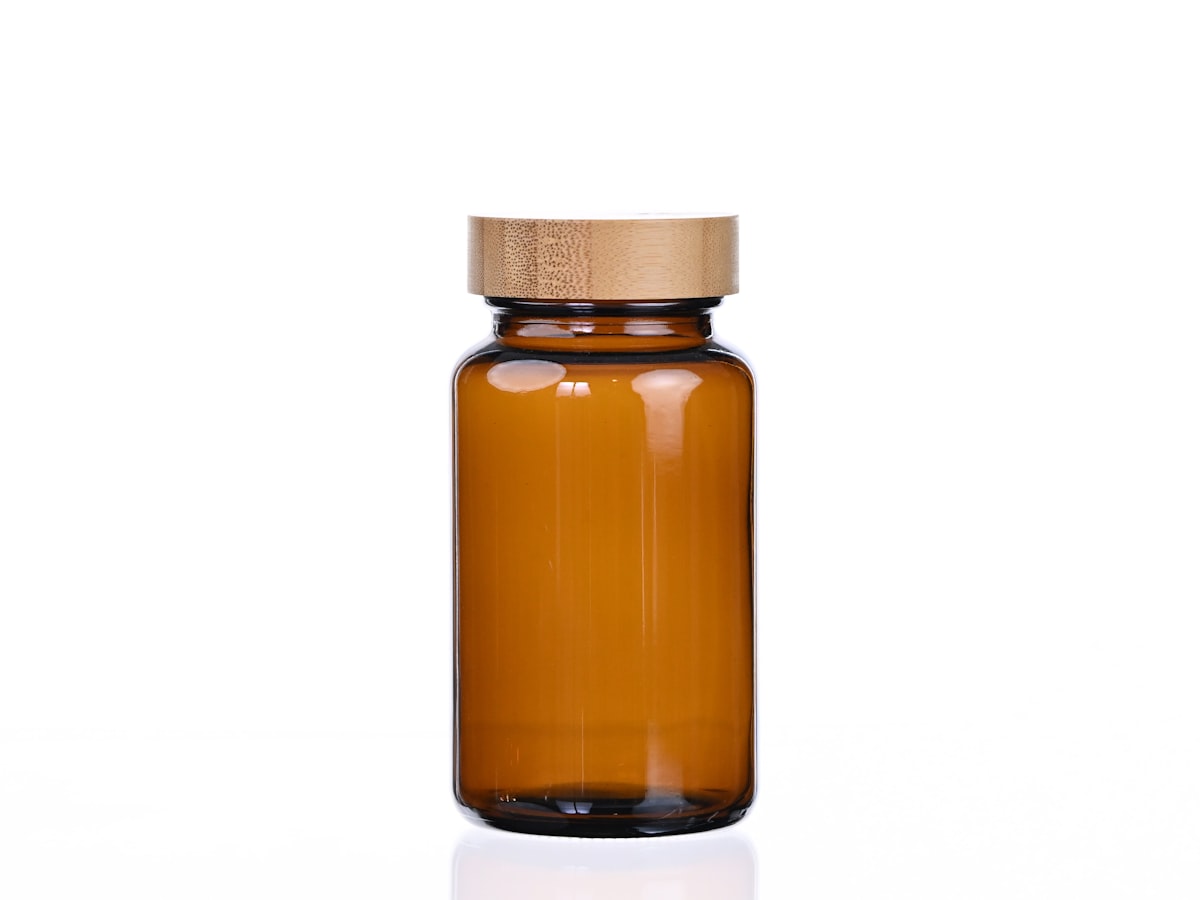
| Glass vessels | Medium | Infinitely recyclable | High | Premium candles, diffusers |
| Tin vessels | Medium | Recyclable | Medium-High | Travel candles, rustic branding |
| Concrete vessels | Medium-High | Reusable (not recyclable) | High | Luxury, architectural aesthetics |
| Biodegradable wraps | Low-Medium | Compostable | High | Product protection, retail display |
Recycled cardboard remains the workhorse of eco packaging. Modern recycled stocks offer excellent print quality and structural integrity while diverting waste from landfills. Kraft paper provides an instantly recognizable natural aesthetic that communicates sustainability without saying a word.
Soy-based inks are a simple upgrade from petroleum-based alternatives. They produce vibrant colors, are easier to de-ink during recycling, and release fewer VOCs during printing.
Mushroom packaging (mycelium-based) represents the cutting edge. Grown from agricultural waste and fungal roots, it is fully compostable within 45 days and offers remarkable protective qualities for fragile glass vessels.
For the candle vessel itself, glass remains the gold standard for recyclability. Tin offers a lighter-weight alternative with strong rustic appeal, while concrete vessels position your brand in the luxury-architectural segment and encourage reuse as planters or decor.
FSC Certification Explained
The Forest Stewardship Council (FSC) certification verifies that paper and cardboard products originate from responsibly managed forests. For B2B buyers, FSC certification matters for three reasons:
- Regulatory compliance — The EU Deforestation Regulation (EUDR) and similar legislation increasingly require proof of sustainable sourcing for wood-based products.
- Retailer requirements — Major retailers including Target, IKEA, and Whole Foods actively prefer or require FSC-certified packaging from suppliers.
- Consumer trust — The FSC logo is recognized by 56% of consumers globally, providing instant credibility to your sustainability claims.
There are three FSC label types: FSC 100% (entirely from certified forests), FSC Recycled (from recycled materials), and FSC Mix (a combination). For candle packaging, FSC Mix or FSC Recycled labels are most common and cost-effective.
Design Considerations for Eco Packaging
Sustainable packaging design follows a less-is-more philosophy:
- Minimalist design reduces ink coverage, lowers material usage, and aligns with contemporary premium aesthetics.
- Soy or beeswax wax seals replace plastic stickers and adhesive tapes with a biodegradable, tactile closure that elevates unboxing.
- Seed paper tags embedded with wildflower or herb seeds transform packaging waste into a planting experience — a memorable brand touchpoint.
- Embossing and debossing replace foil stamping and lamination, keeping packaging fully recyclable while maintaining a luxury feel.
- Single-material construction ensures the entire package can be recycled in one stream without consumer disassembly.
Cost Comparison: Debunking the Myth
The perception that eco packaging is always more expensive is outdated. While some premium options like mushroom inserts carry a 20-40% premium, many sustainable choices are cost-neutral or cheaper:
- Recycled cardboard is often priced comparably to virgin stock, especially at volume.
- Kraft paper eliminates the need for additional coating or lamination.
- Minimalist design reduces ink and material costs by 15-30%.
- Lighter-weight glass or tin vessels reduce shipping costs.
When you factor in reduced waste disposal fees, potential tax incentives for sustainable practices, and the marketing value of eco positioning, the total cost of ownership frequently favors sustainable options.
Labeling Requirements for Eco Claims
Regulators are cracking down on greenwashing. To make legitimate eco claims on your packaging:
- Avoid vague terms like “eco-friendly” or “green” without substantiation.
- Use specific, verifiable claims: “Made from 100% post-consumer recycled content” or “FSC-certified paper.”
- Include recognized certification logos (FSC, Cradle to Cradle, OK Compost) rather than self-created eco badges.
- In the EU, the Green Claims Directive requires that all environmental claims be substantiated with lifecycle assessment data.
- In the US, follow the FTC Green Guides to avoid deceptive environmental marketing.
Transitioning Without Disrupting Your Supply Chain
A phased approach minimizes risk:
- Audit current packaging — Identify which components are easiest to replace (typically outer boxes and fill materials).
- Start with outer packaging — Switch to recycled or FSC-certified cardboard boxes first.
- Upgrade printing — Transition to soy-based inks with your existing printer.
- Pilot vessel changes — Test glass or tin alternatives with a small product line before full rollout.
- Communicate with retailers — Give partners advance notice of packaging changes and provide updated product photography.
Aromiso’s Sustainable Packaging Solutions
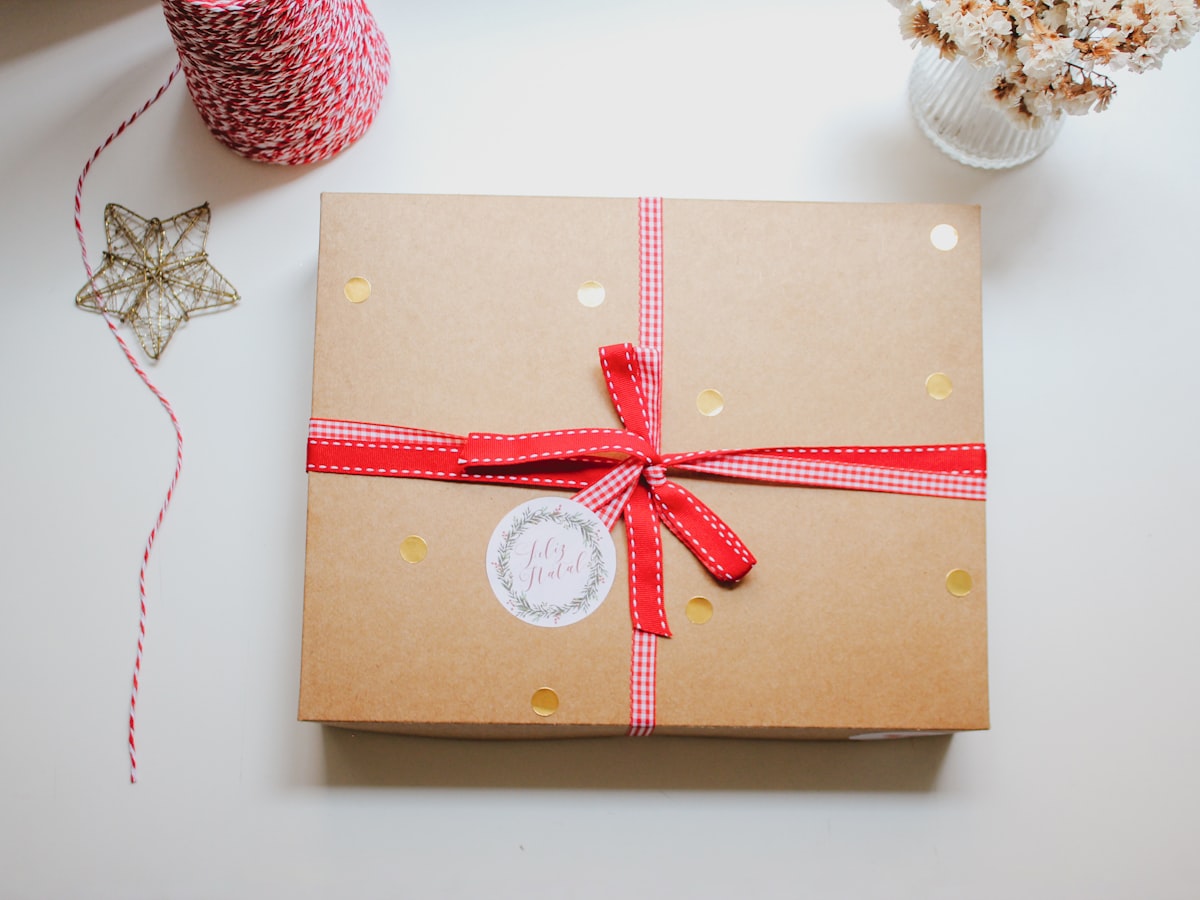
Aromiso offers FSC-certified packaging across our candle, reed diffuser, and essential oil product lines. Our sustainable options include recycled cardboard gift boxes printed with soy-based inks, kraft paper wrapping, and a curated selection of recyclable glass, tin, and concrete vessels sourced from audited suppliers.
Our team works with B2B partners to design packaging that meets both sustainability goals and brand standards — without compromising on structural protection or shelf presence. Contact Aromiso to request samples of our eco packaging range and discuss custom sustainable solutions for your brand.