Trends & Insights
Valentine's Day Fragrance Products: Sourcing for February Sales

Valentine’s Day generates a concentrated burst of fragrance purchasing that rewards prepared brands. The National Retail Federation reports that consumers spent $25.9 billion on Valentine’s Day in 2024, with gifts for spouses and partners averaging $192 per person. Fragrance products consistently rank among the top five gift categories, yet many B2B buyers treat February as an afterthought in their annual planning. This article outlines how to source Valentine’s fragrance products strategically, from scent selection through delivery timing.
The Valentine’s Fragrance Market Opportunity
Consumer behavior around Valentine’s Day fragrance purchasing reveals distinct patterns. Data from Circana (formerly NPD Group) shows that prestige fragrance sales spike 45% in the two weeks before February 14 compared to baseline weekly averages. While luxury perfume dominates headlines, the home fragrance segment captures significant spillover demand. Scented candles, reed diffusers, and room sprays in romantic profiles sell strongly as accessible gift alternatives.
The home fragrance gift market is growing at approximately 7.8% CAGR through 2027, driven by younger consumers who prefer experiential gifts over traditional jewelry. Millennials and Gen Z buyers, who represent 58% of Valentine’s spending according to Deloitte surveys, increasingly choose “self-care adjacent” gifts like luxury candles and aromatherapy sets.
Scent Profiles That Sell in February
Valentine’s fragrance selections differ markedly from holiday or autumn collections. The romantic association drives specific note preferences:
Floral-dominant compositions. Rose remains the quintessential Valentine’s note, but modern formulations pair it with unexpected accents. Rose-oud combinations appeal to luxury buyers, while rose-peony blends target younger demographics. Jasmine and ylang-ylang provide sensual depth without overwhelming.
Soft gourmand notes. Vanilla, tonka bean, and light caramel create warmth and intimacy. These notes perform particularly well in candle format, where the gourmand character fills a room without cloying.
Fresh romantic blends. Peony, freesia, and white tea compositions offer a lighter interpretation of romance. These suit markets where heavy florals feel dated, particularly Scandinavian and East Asian buyers.
Market research from Mintel indicates that 34% of consumers now seek “gender-neutral romantic” scents rather than traditionally feminine florals, opening product development opportunities beyond rose-centric collections.
Product Formats for Valentine’s Gifting
Gift presentation drives Valentine’s purchasing decisions. The most commercially successful formats include:
Candle gift sets. Two or three complementary scents in coordinated packaging. A “His and Hers” pairing or a “Date Night” collection (one scent for the bedroom, one for the living space) creates narrative around the product.
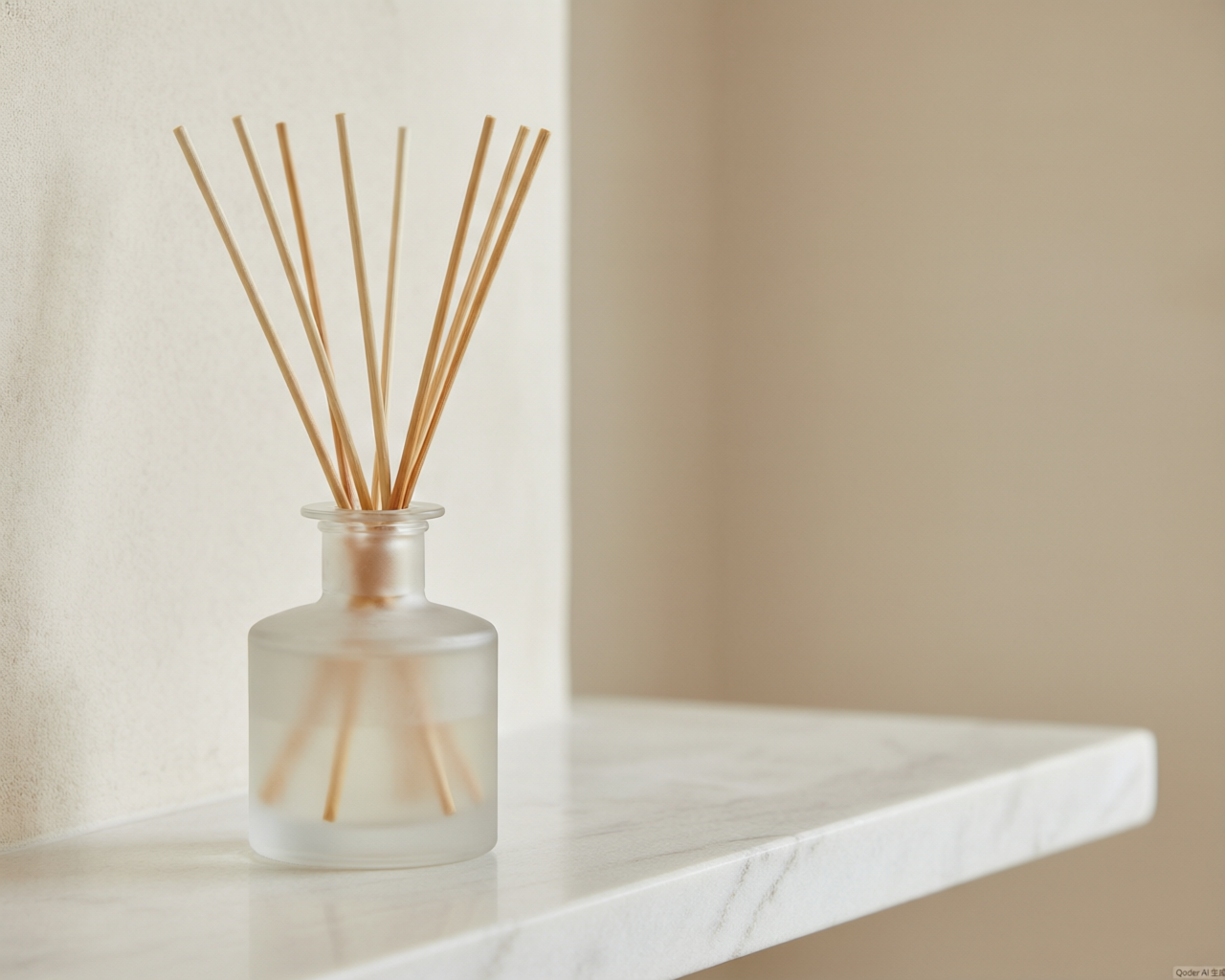
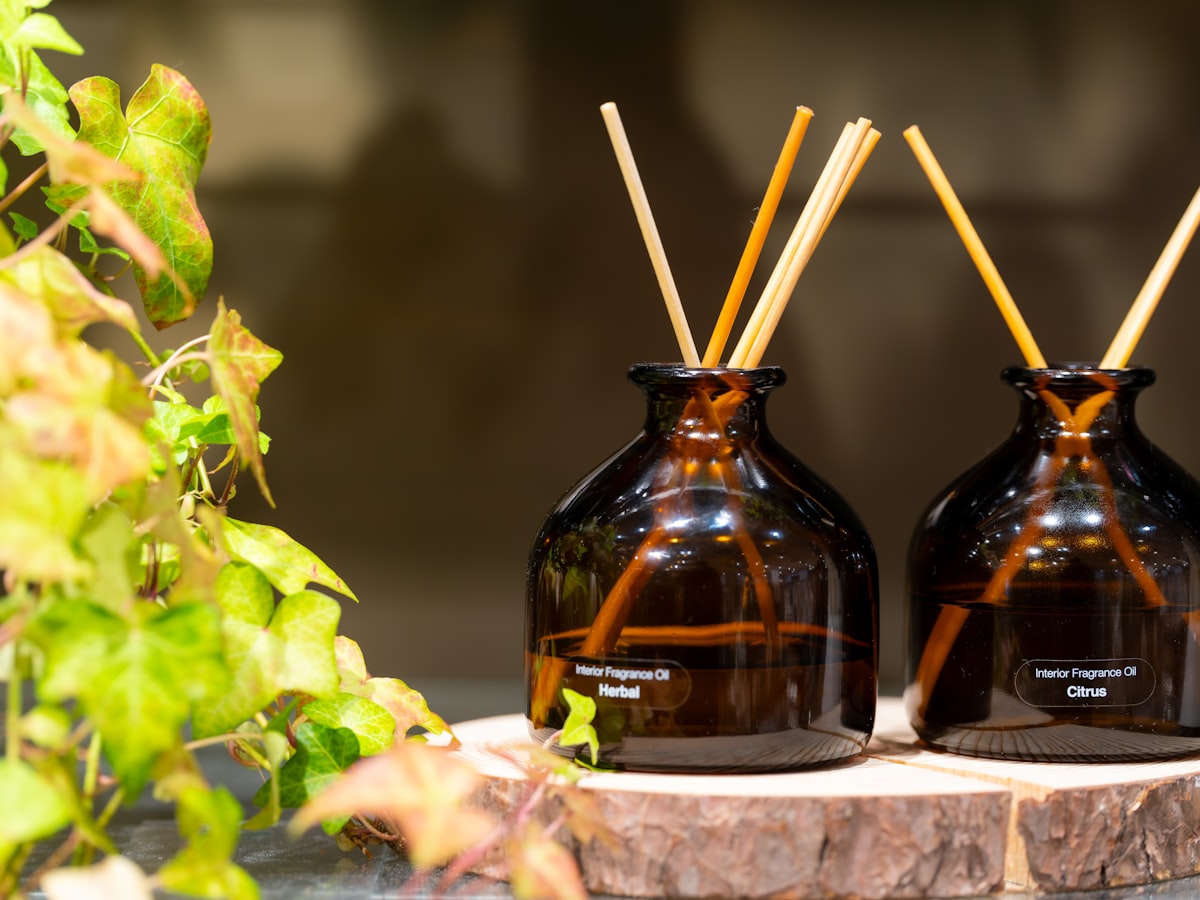
Reed diffuser and candle bundles. Combining a diffuser for continuous ambient scent with a candle for ritual moments gives buyers a complete gifting solution at an accessible price point.
Miniature collections. Sets of 4-6 small-format products (travel candles, room spray minis, wax melts) allow recipients to discover preferences. These sets average $25-45 retail, hitting the sweet spot for “thoughtful but not extravagant” gifting.
Personalized or limited-edition single items. A single beautifully packaged candle with a Valentine’s-specific label and premium vessel can command 30-50% price premiums over standard SKUs.
Order Timeline for February Sales
Working backward from a February 1 retail launch:
September (5 months out): Begin fragrance development. Request samples in romantic profiles. Evaluate 3-5 scent options. Confirm vessel and packaging concepts.
October (4 months out): Approve final fragrances. Submit packaging artwork. Confirm order quantities. For custom molds or unique vessels, this deadline is firm; tooling requires 30-45 days.
November (3 months out): Production begins. Standard lead time is 25-35 days for candles and diffusers. Gift set assembly adds 5-7 days for kitting and packaging.
December (2 months out): Quality inspection and shipping. Ocean freight from China to North America requires 25-35 days. To European ports, allow 28-35 days. Ship by December 10 for January arrival.
January (1 month out): Warehouse receipt, inventory processing, and distribution to retail channels or e-commerce fulfillment centers. Amazon FBA inbound deadlines for Valentine’s typically fall around January 15-20.
Packaging Considerations
Valentine’s packaging trends for 2025 emphasize subtlety over cliché. While red and pink remain relevant, market data shows growing consumer preference for:
- Muted blush tones with gold foil accents
- Minimalist white packaging with single-stem floral illustrations
- Reusable packaging (decorative tins, fabric-wrapped boxes)
- Sustainable materials that align with brand values
The global sustainable packaging market is projected to reach $502 billion by 2030 (Grand View Research), and Valentine’s buyers are not exempt from this preference. A 2024 McKinsey survey found that 67% of consumers consider sustainable packaging important in gift purchases.
Pricing and Margin Strategy
Valentine’s products command seasonal premiums. Retail data suggests consumers accept 20-40% higher price points for explicitly Valentine’s-branded items versus year-round equivalents. The key is perceived value through packaging and exclusivity rather than product cost increases.
For B2B buyers, this means investing in packaging differentiation rather than reformulating products. A standard rose-vanilla candle in a Valentine’s-specific box with a handwritten-style message card can retail at double the price of the same candle in generic packaging.
Post-Valentine’s Inventory Planning
One risk of seasonal products is post-holiday markdown pressure. Mitigate this by:
- Keeping Valentine’s-specific elements limited to packaging (labels, boxes, inserts) while using year-round fragrance formulations
- Planning a “Galentine’s” or “Self-Love” marketing pivot for late February
- Ordering conservatively for first-year Valentine’s SKUs and scaling based on sell-through data
Brands that treat Valentine’s as a packaging and marketing exercise rather than a full product development cycle maintain flexibility and protect margins. The fragrance inside can serve your spring collection; only the wrapping needs to say February.