Trends & Insights
Summer Fragrance Collections: Light Scents and Seasonal Packaging

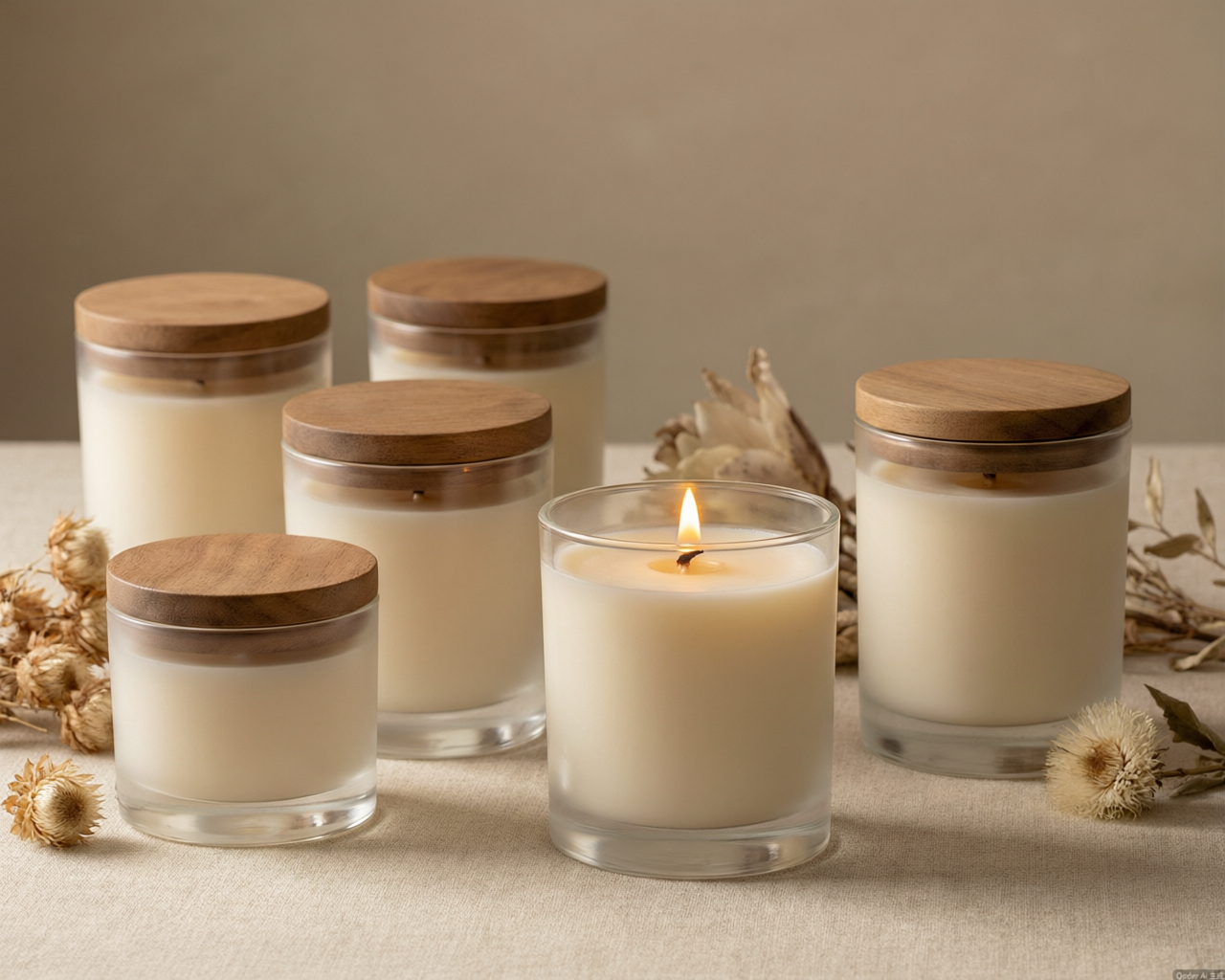
Summer presents a paradox for the home fragrance industry. Candle sales traditionally dip during warm months as consumers associate wax products with cozy winter evenings. Yet the broader home fragrance category continues growing year-round, with reed diffusers, room sprays, and lightweight formulations capturing consumers who still want ambient scent without the thermal association. For B2B buyers, summer collections represent an opportunity to maintain revenue momentum with products specifically designed for the season.
Consumer Behavior Shifts in Summer
Data from the Home Fragrance Association indicates that candle purchasing drops approximately 20-30% between May and August in Northern Hemisphere markets. However, this decline is offset by growth in alternative formats. Reed diffuser sales increase 15-18% during summer months, while room spray and linen mist categories see 22% growth as consumers seek instant, lightweight fragrance solutions.
The consumer psychology driving this shift is straightforward: warm weather reduces the desire for flame-based products and heavy scent profiles. Shoppers gravitate toward fresh, clean, and aquatic fragrances that complement open windows and lighter interiors. A 2024 Euromonitor survey found that 71% of home fragrance users adjust their scent preferences seasonally, with summer selections favoring citrus, green, and marine notes.
Scent Profiles for Summer Collections
Successful summer fragrance development requires restraint. The heavy orientals and gourmands that dominate Q4 collections feel oppressive in warm weather. Instead, focus on:
Citrus-forward compositions. Bergamot, grapefruit, yuzu, and blood orange provide instant freshness. These top-note-heavy formulations feel energizing and pair naturally with summer marketing narratives around vitality and outdoor living.
Aquatic and marine notes. Sea salt, ocean breeze, and watery florals evoke coastal vacations. These profiles perform exceptionally well in diffuser format, where the continuous release creates an ambient “beach house” atmosphere.
Green and herbal blends. Basil, mint, cucumber, and freshly cut grass compositions bring the outdoors inside. These scents resonate with the biophilic design trend that continues influencing interior choices.
Light florals. Frangipani, neroli, orange blossom, and lily of the valley offer floral character without the density of rose or jasmine. These bridge the gap between spring collections and high summer.
Market intelligence from Mintel shows that “clean” and “fresh” are the two most-searched fragrance descriptors between June and August, surpassing “cozy” and “warm” by a factor of three.
Format Strategy: Beyond Candles
Summer collections should emphasize formats that align with warm-weather lifestyles:
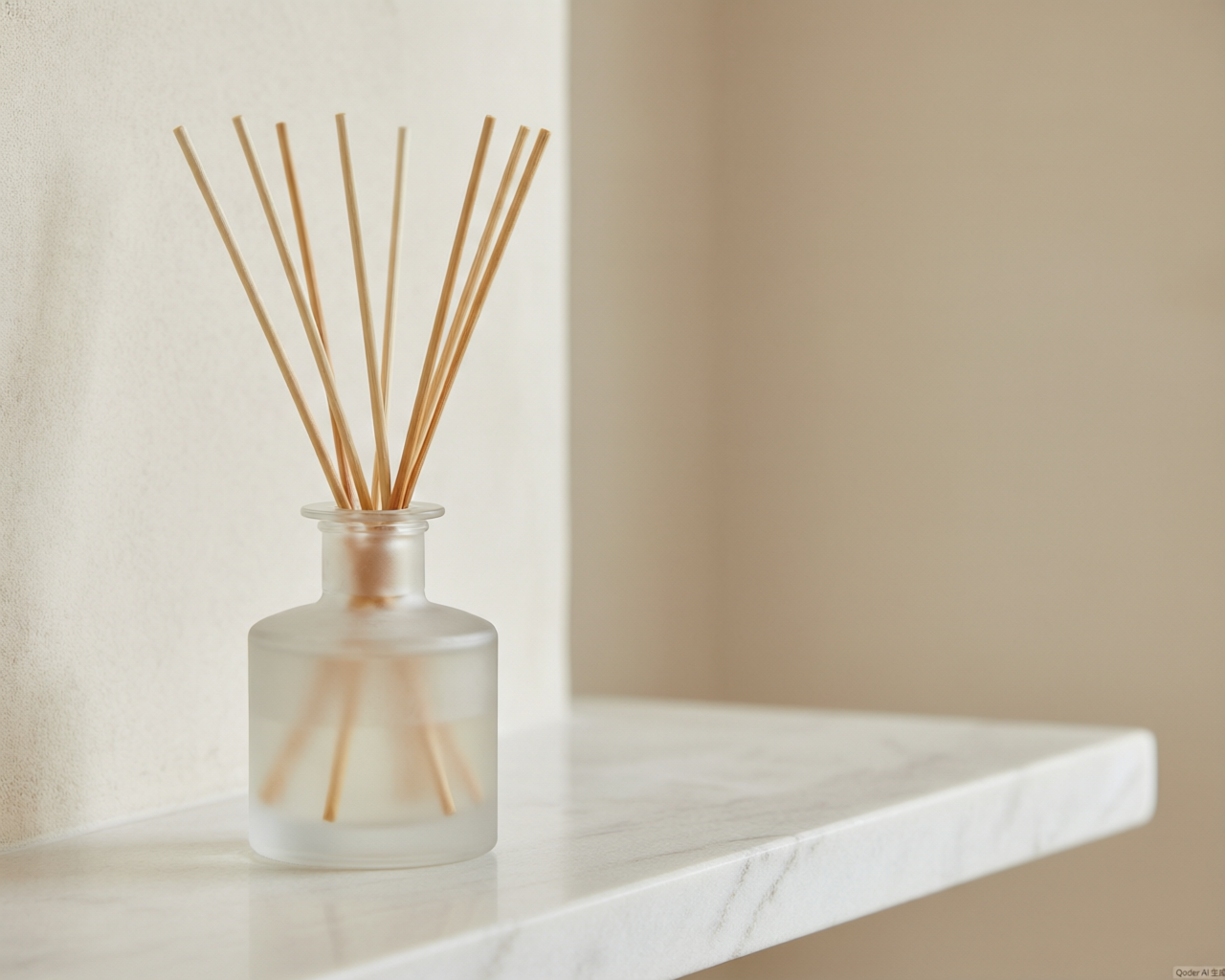
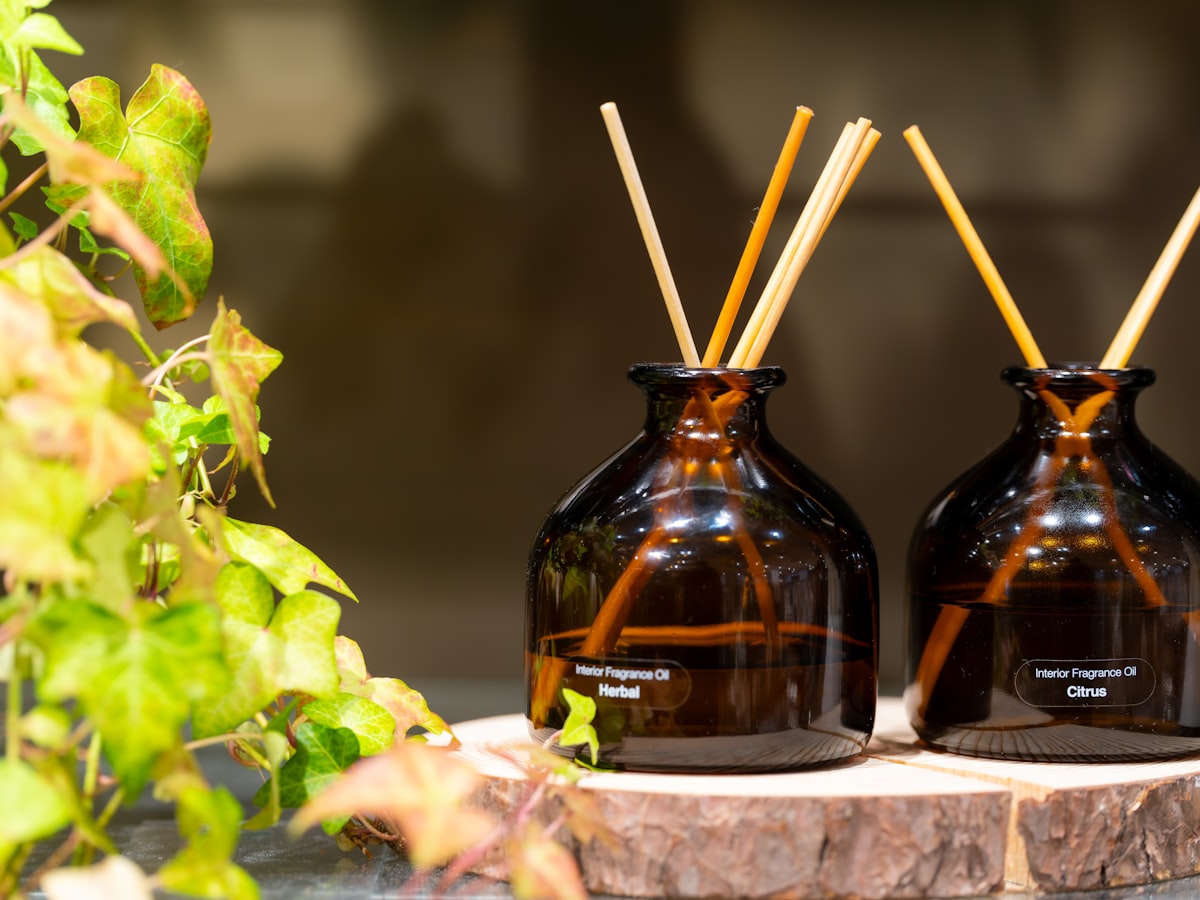
Reed diffusers. The flameless, maintenance-free format suits summer perfectly. Consumers who store candles from May through September still display diffusers year-round. Offer lighter fragrance concentrations (15-20% rather than 25%) for summer diffuser editions.
Room and linen sprays. Quick-hit fragrance for refreshed linens, curtains, and upholstery. Summer-specific spray collections with lighter alcohol bases feel less heavy than winter formulations.
Wax melts and tarts. For consumers who maintain warmers year-round, summer-specific melt collections in citrus and aquatic profiles extend the category without requiring flame.
Car fragrances. Summer road trips drive seasonal demand for vehicle scent products. Clip-on vent fresheners and hanging cards in fresh profiles see 30% sales increases between May and August.
Outdoor candles. Citronella-blended candles and torches for patio entertaining represent a summer-specific niche. The global outdoor candle segment is projected to grow at 6.4% CAGR through 2028.
Seasonal Packaging Design
Summer packaging should visually communicate lightness and freshness. Effective design strategies include:
Color palette shifts. Replace deep jewel tones and metallics with pastels, whites, and transparent elements. Clear glass vessels with minimal labeling let product color speak. Ocean blues, soft greens, and citrus yellows dominate successful summer packaging.
Material lightness. Swap rigid boxes for sleeve packaging or simple belly bands. Reduce packaging weight both visually and literally, which also reduces shipping costs. The sustainable packaging trend aligns naturally with summer minimalism.
Lifestyle imagery. Summer packaging and marketing should evoke outdoor settings: poolside tables, open windows, garden parties. This contextual framing helps consumers visualize the product in their summer environment.
Limited-edition signaling. “Summer 2026” or “Solstice Edition” labeling creates urgency without requiring entirely new product development. Seasonal labels on proven formulations maximize ROI.
Production and Order Timeline
For a May retail launch targeting Northern Hemisphere summer:
January: Finalize summer scent profiles. Request samples. Confirm packaging design direction.
February: Approve samples. Submit artwork. Place production orders.
March: Production runs (25-35 days standard). Quality testing for heat stability is critical; summer products may sit in warm warehouses or shipping containers.
April: Shipping and customs clearance. Ocean freight to North America takes 25-35 days. Air freight (7-10 days) is viable for smaller summer orders given lower volumes.
Early May: Warehouse receipt and distribution. Products should be on shelves or in fulfillment centers by May 1 to capture the full summer selling window.
Heat Stability Considerations
Summer products face unique quality challenges. Fragrance formulations must withstand elevated temperatures during shipping and storage. Key testing protocols include:
- Accelerated stability testing at 40-45 degrees Celsius for 4-8 weeks
- Flash point verification for spray products stored in warm environments
- Wax bloom and frosting resistance testing for any candle SKUs
- Diffuser liquid clarity testing under UV exposure
Request heat stability documentation from your manufacturer. Reputable factories conduct these tests as standard procedure for summer-shipping orders.
Market Growth Projections
The global home fragrance market is forecast to grow from $12.3 billion in 2024 to $18.9 billion by 2030, representing a 7.4% CAGR (Allied Market Research). Summer-specific products contribute disproportionately to this growth as brands extend beyond traditional candle-centric assortments. The “year-round ambient scenting” trend, driven by younger consumers who view home fragrance as a lifestyle staple rather than a seasonal indulgence, supports investment in summer collections as a strategic growth lever rather than a seasonal concession.
Brands that develop intentional summer collections, rather than simply discounting winter inventory, build stronger annual revenue profiles and deeper customer relationships across all four seasons.