Industry Applications
Fragrance for Senior Living Facilities: Therapeutic and Ambient

The Role of Scent in Elder Care Environments
Senior living facilities face a dual fragrance challenge. Operationally, they must manage odors associated with incontinence, medication, institutional cleaning products, and communal dining. Therapeutically, they have an opportunity to use scent to reduce anxiety, improve sleep quality, and stimulate cognitive function in residents with dementia and age-related decline.
A 2023 meta-analysis in the Journal of the American Medical Directors Association found that structured aromatherapy interventions reduced agitation scores in dementia patients by 22% compared to placebo. Meanwhile, ambient scenting in common areas improved family visitor satisfaction scores by 18% in a multi-site senior living operator study.
For B2B buyers managing assisted living, memory care, and independent living communities, fragrance procurement must balance therapeutic efficacy, resident safety, regulatory compliance, and budget.
Product Categories for Senior Living
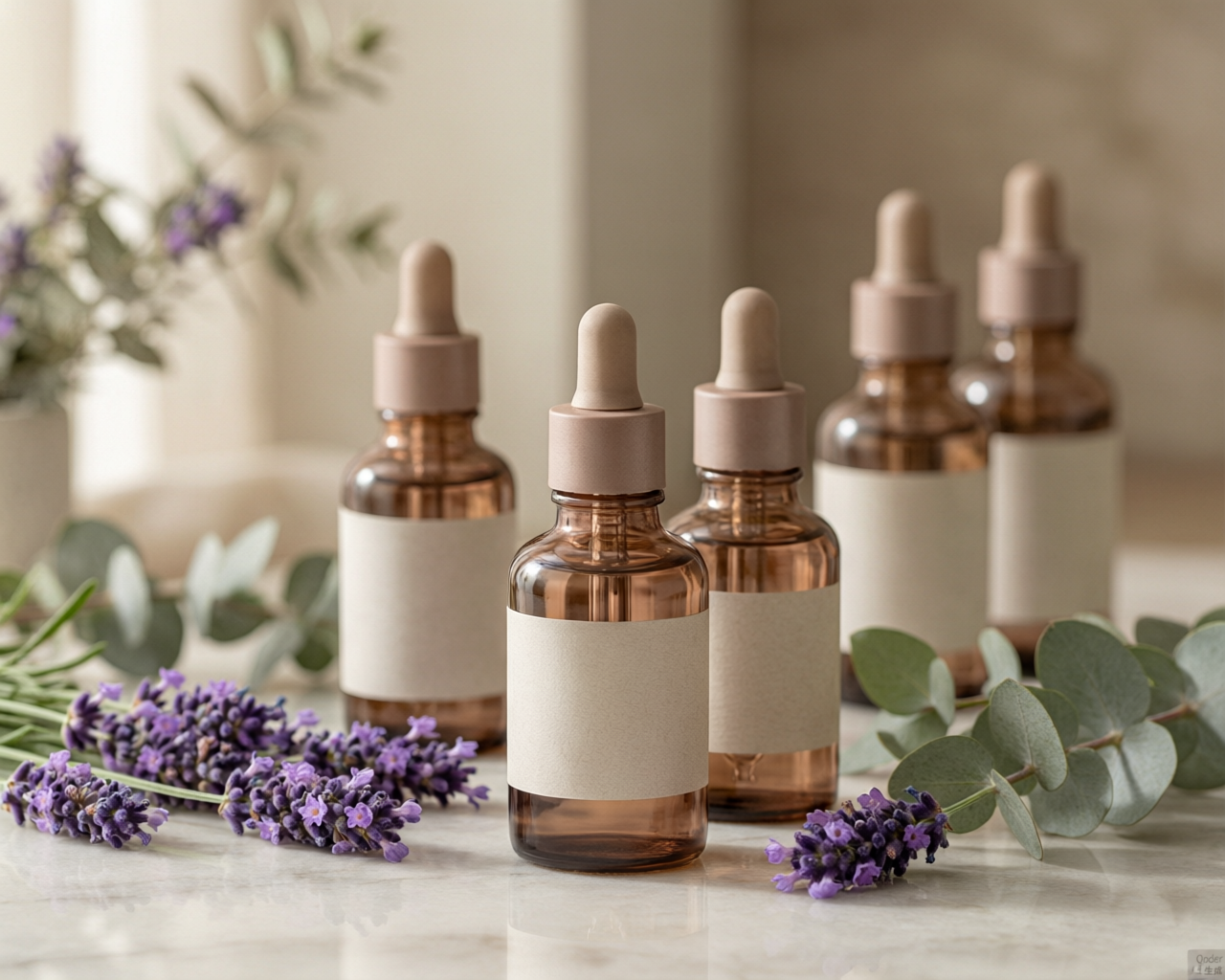
Therapeutic Essential Oil Blends
Formulated for use in resident rooms and therapy sessions under staff supervision.
Product spec: Therapeutic Diffuser Oil Blends
| Parameter | Detail |
|---|---|
| Formulation | 100% pure essential oils, no synthetic fragrance |
| Available blends | Calm (lavender, chamomile, ylang ylang), Focus (rosemary, lemon, peppermint), Sleep (lavender, cedarwood, vetiver), Uplift (sweet orange, bergamot, grapefruit) |
| Bottle size | 10 mL, 30 mL, 100 mL |
| Purity | GC-MS tested, therapeutic grade |
| Allergen info | Full component disclosure per IFRA |
| Shelf life | 24 months sealed |
Ambient Scenting for Common Areas
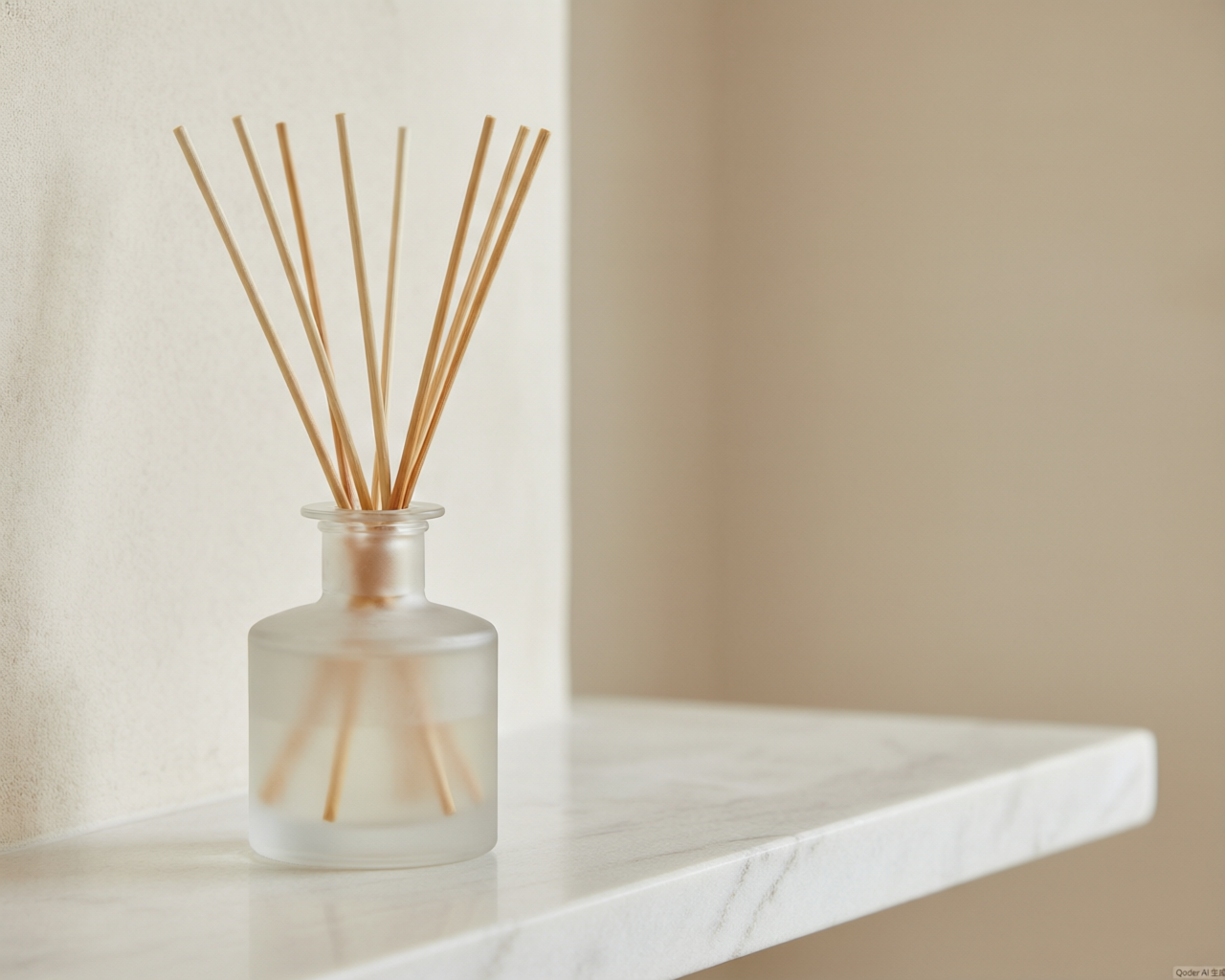
Lobbies, dining halls, activity rooms, and corridors benefit from continuous low-level scenting that projects cleanliness and warmth without overwhelming sensitive residents.
Product spec: Ultrasonic Commercial Diffuser
| Parameter | Detail |
|---|---|
| Coverage | 80-200 sqm |
| Tank capacity | 500 mL water |
| Fragrance input | 5-10 drops essential oil or 3 mL water-soluble fragrance |
| Runtime | 8-12 hours continuous |
| Noise | Below 23 dB |
| Auto shutoff | Yes, when water level is low |
| Power | USB-C, 5V/2A |
| Housing | BPA-free PP, wood-grain or white finish |
Odor Neutralizing Products
For restrooms, incontinence care areas, and soiled-utility rooms, enzymatic odor eliminators break down odor molecules rather than masking them.
Product spec: Enzymatic Odor Neutralizer Spray
| Parameter | Detail |
|---|---|
| Active agents | Protease and lipase enzyme blend |
| Fragrance | Light lavender or unscented |
| pH | 7.0-7.5 (skin-safe) |
| Sizes | 500 mL trigger, 5 L concentrate |
| Efficacy | Eliminates ammonia, sulfide, and fatty-acid odors |
| Safety | Non-toxic, non-irritating, safe around oxygen equipment |
Scented Linen and Laundry Additives
Bed linens, towels, and resident clothing carry fragrance through the laundry cycle, providing a subtle comfort scent in resident rooms.
Product spec: Laundry Fragrance Booster
| Parameter | Detail |
|---|---|
| Format | Water-soluble sachet or liquid concentrate |
| Fragrance load | 15% (liquid), 25% (sachet) |
| Scent options | Fresh cotton, lavender fields, clean linen |
| Dosage | 1 sachet per 8 kg load, or 10 mL liquid per 8 kg |
| Compatibility | All commercial washer-extractor systems |
| Residue | Zero buildup on fabrics |
Safety Guidelines for Senior Living Applications
Fragrance use around elderly residents requires specific precautions:
- Respiratory sensitivity: Avoid strong synthetic musks and high-VOC formulations. All Aromiso products for senior care contain VOC levels below 30 g/L.
- Allergy management: Maintain a resident fragrance-sensitivity registry. Provide unscented alternatives in all product categories.
- Dementia considerations: Use only diffusers with auto-shutoff and cool-mist technology. No open-flame candles in resident-accessible areas.
- Oxygen-enriched environments: All products in oxygen-therapy rooms must be alcohol-free and non-flammable. Enzymatic sprays and water-based diffusers meet this requirement.
- Skin contact: Topical aromatherapy applications (hand massage oils) must be diluted to 1-2% essential oil concentration in a hypoallergenic carrier (fractionated coconut oil or sweet almond oil).
Regulatory Compliance
| Requirement | Standard |
|---|---|
| Essential oil purity | ISO 3515 (lavender), ISO 856 (peppermint), or equivalent |
| Product safety | EU CLP Regulation, US OSHA HazCom |
| Indoor air quality | WELL Building Standard v2 (Air concept) |
| Healthcare facility compliance | CDC environmental cleaning guidelines |
| Allergen labeling | EU CLP Annex III, 26 listed allergens declared |
MOQ and Pricing
| Product | MOQ | Unit Price (FOB Shenzhen) |
|---|---|---|
| Therapeutic essential oil blend 30 mL | 200 units | $3.20-$5.80 |
| Therapeutic essential oil blend 100 mL | 100 units | $8.50-$14.00 |
| Ultrasonic diffuser unit | 50 units | $12.50-$19.00 |
| Enzymatic odor spray 500 mL | 300 units | $2.10-$3.20 |
| Enzymatic concentrate 5 L | 100 units | $11.00-$16.00 |
| Laundry fragrance sachets | 2,000 units | $0.25-$0.45 |
| Laundry liquid concentrate 5 L | 100 units | $9.50-$13.50 |
| Hand massage oil 250 mL (1% dilution) | 200 units | $3.80-$5.50 |
Annual supply agreements for multi-facility operators (5+ sites) include 15% volume discount, quarterly auto-ship, and dedicated account support.
Implementation Framework
Phase 1: Assessment (Week 1-2)
- Survey residents and families on scent preferences and sensitivities.
- Audit current cleaning products for fragrance conflicts.
- Identify priority zones: lobby, dining, activity rooms, memory care wing.
Phase 2: Pilot (Week 3-8)
- Deploy diffusers in two common areas and one resident corridor.
- Introduce enzymatic sprays in three restroom locations.
- Add laundry fragrance to one wing’s linen cycle.
- Collect staff and resident feedback biweekly.
Phase 3: Full Deployment (Week 9-12)
- Scale to all common areas based on pilot data.
- Train housekeeping and activities staff on product use and safety protocols.
- Establish reorder schedules aligned with consumption data.
Phase 4: Ongoing Optimization
- Rotate therapeutic blends seasonally (uplifting citrus in winter, calming lavender in summer).
- Review resident feedback quarterly.
- Adjust concentrations for new residents with documented sensitivities.
Measuring Outcomes
Facilities track fragrance program effectiveness through:
- Agitation incident reports (pre- and post-implementation)
- Sleep quality assessments (Pittsburgh Sleep Quality Index adaptations)
- Family satisfaction surveys (sensory environment sub-score)
- Odor complaint logs from staff and visitors
- State inspection findings related to environmental quality
Partner with Aromiso
Aromiso supplies senior living operators across North America, Europe, and Asia-Pacific with therapeutic-grade essential oils, ambient scenting hardware, and odor management products. Request a facility assessment and sample kit at aromiso.com.