Industry Applications
Fragrance for Luxury Retail Stores: Scent as a Sales Tool

Why Luxury Retailers Invest in Scent
Walk into a flagship boutique on Bond Street or Fifth Avenue, and before you see a single handbag or timepiece, you smell the brand. Scent marketing is no longer a novelty for luxury retail. Research from the Journal of Consumer Psychology shows that ambient fragrance increases perceived product value by 10-20% and extends average dwell time by 15-16 minutes in premium environments.
For B2B buyers managing multi-store portfolios, the question is not whether to scent, but how to execute consistently across locations while protecting margins.
The Science Behind Scent-Driven Purchasing
Olfactory signals bypass the thalamus and reach the limbic system directly, triggering emotional and memory responses faster than visual or auditory cues. In a luxury context, this means a well-chosen fragrance can prime customers to associate your space with exclusivity, comfort, and aspiration before a sales associate speaks a word.
A 2023 study published in the Journal of Retailing found that congruent ambient scent (a fragrance that matches the brand’s visual identity) increased purchase intent by 14.8% compared to unscented environments. Incongruent scent, however, had no measurable effect, underscoring the importance of bespoke fragrance development.
Product Specifications for Retail Scenting
HVAC-Integrated Diffuser Systems
For stores between 200 and 2,000 square meters, cold-air nebulizing diffusers integrated into existing HVAC systems deliver uniform coverage without visible hardware.
| Specification | Detail |
|---|---|
| Coverage area | 200-2,000 sqm per unit |
| Fragrance oil capacity | 500 mL reservoir |
| Consumption rate | 1.5-3 mL/hour (adjustable) |
| Noise level | Below 25 dB |
| Power | 12V DC, 5W |
| Control | WiFi + timer scheduling |
| Installation | Inline duct mount or standalone |
Fragrance Oil Formulations
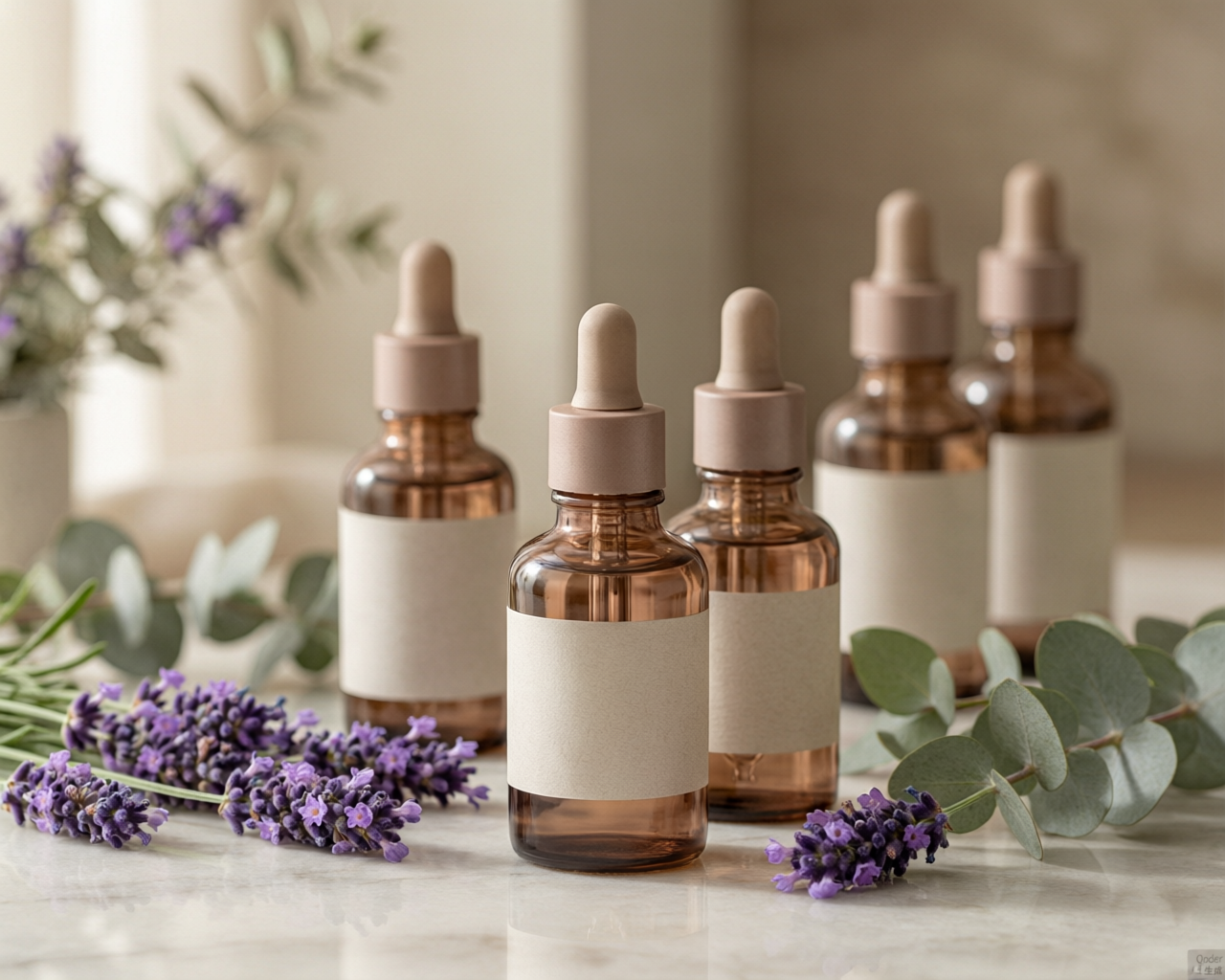
Luxury retail formulations typically run at 20-30% aromatic compound concentration in a DPG (dipropylene glycol) carrier. Common note profiles for high-end fashion and jewelry retailers include:
- Top notes: Bergamot, pink pepper, neroli
- Heart notes: Iris, jasmine sambac, white tea
- Base notes: Sandalwood, cashmere musk, amber
All oils are IFRA-compliant and available with MSDS documentation for building management approval.
MOQ and Pricing Structure
| Order Tier | Unit Price (FOB Shenzhen) | MOQ | Lead Time |
|---|---|---|---|
| Standard fragrance oils (1L) | $28-$45/L | 50 L | 15-20 days |
| Custom bespoke blend (1L) | $55-$90/L | 100 L | 30-45 days |
| HVAC diffuser hardware | $180-$320/unit | 20 units | 20-25 days |
| Scented display materials (cards, drawer liners) | $0.35-$0.80/piece | 1,000 pieces | 15-20 days |
Custom fragrance development includes three revision rounds at no additional cost. A 50 mL sample kit ships within 7 business days of brief approval.
Implementation Strategy for Multi-Location Brands
Zone-Based Scenting
Luxury retailers rarely apply a single scent uniformly. A typical deployment:
- Entrance and atrium: Light, inviting citrus-floral at low intensity (0.5-1.0 mL/hour) to draw foot traffic.
- Main sales floor: Signature brand scent at moderate intensity (1.5-2.0 mL/hour) to reinforce identity.
- Fitting rooms and VIP lounges: Warmer, intimate blend (amber, vanilla, soft woods) at low intensity to encourage relaxation and extended browsing.
Consistency Across Locations
Centralized fragrance oil production from a single factory batch ensures olfactory consistency. Aromiso provides batch-matched oils with GC-MS (gas chromatography-mass spectrometry) certificates so regional managers can verify scent fidelity. Refill subscriptions ship quarterly, eliminating stockouts.
Regulatory and Safety Considerations
Luxury retail environments must comply with indoor air quality standards. Key points for procurement teams:
- All formulations comply with IFRA 51st Amendment restrictions.
- VOC content below 50 g/L for enclosed commercial spaces.
- Allergen declarations (EU CLP Regulation Annex III) provided for all 26 listed fragrance allergens.
- Child-safe and pet-safe formulations available for family-oriented luxury spaces.
Measuring ROI
Forward-thinking retailers track scent marketing performance through:
- Dwell time analytics: In-store sensors comparing pre- and post-installation visit duration.
- Conversion rate: POS data segmented by scented versus unscented zones.
- Customer surveys: Post-visit NPS questionnaires including sensory experience items.
- Social listening: Mentions of store atmosphere and scent on review platforms.
Typical payback periods range from 4 to 8 months for single-store installations, shortening to 2-3 months for portfolio rollouts where hardware costs amortize across locations.
Getting Started
Aromiso supports luxury retail buyers from concept through installation:
- Brand brief and mood board review (Week 1)
- Three initial fragrance concepts delivered as 50 mL samples (Week 2-3)
- Revision and approval (Week 4-5)
- Pilot deployment in one flagship location (Week 6-8)
- Portfolio rollout with scheduled refills (Week 9+)
Request a consultation and sample kit through aromiso.com to begin your scent identity project.