Brand Building
Social Media Strategy for Fragrance Brands: Content That Converts
Selling scent through a screen feels impossible until you realize that buyers do not purchase fragrance on social media. They purchase the brand behind it. A wholesale buyer at a boutique chain is scrolling LinkedIn and Instagram to answer one question: “Will this brand sell through if I put it on my shelf?” A consumer is asking, “Does this brand represent who I want to be?” Your social strategy has to answer both, deliberately and on a schedule.
This guide lays out a practical social media system for fragrance brands that want measurable B2B and B2C results.
1. Pick Two Audiences and Two Platforms
Trying to be everywhere dilutes everything. For most fragrance brands the highest-leverage pairing is:
- Instagram and TikTok for end consumers, brand desirability, and visual storytelling.
- LinkedIn for B2B buyers, distributors, and trade partners.
Use Instagram to build the brand halo that retail buyers quietly check before calling you. Use LinkedIn to publish the operational proof, capacity, certifications, case studies, that gets you onto purchase orders. Pinterest is a useful third channel for home fragrance because of its long search tail, but treat it as a discovery archive, not a primary engine.
2. Define Four Content Pillars
Every post should fall into one of four buckets:
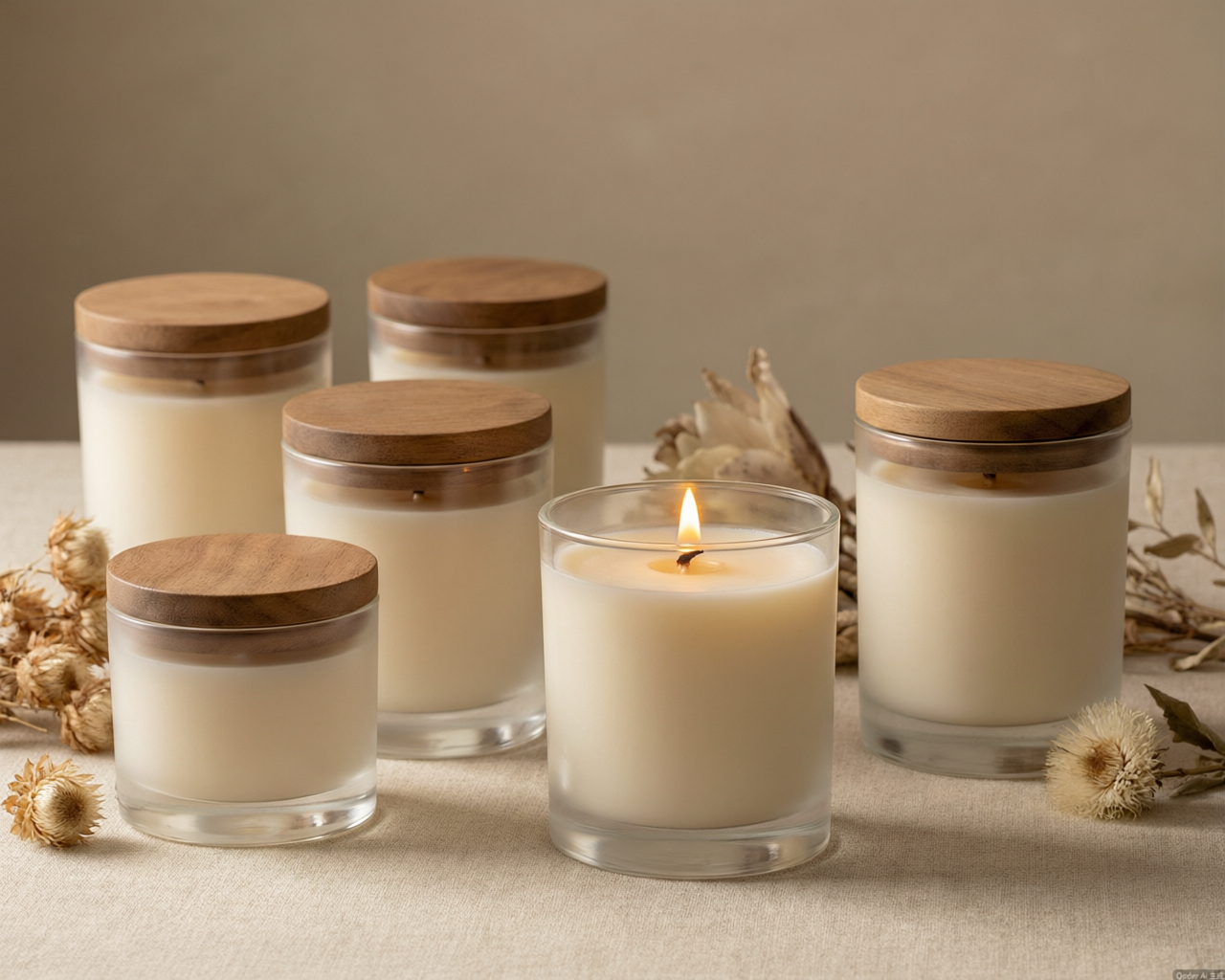
- Product and craft. Close-ups of candles being poured, diffuser assembly, raw ingredients, packaging details.
- Education. How to layer scents, how to read an IFRA certificate, why soy wax burns cleaner, how reed count affects throw.
- Proof. Case studies, client wins, audit reports, trade show appearances, press mentions.
- Brand world. Founder stories, factory life, sustainability work, behind-the-scenes.
Aim for a 40/30/20/10 mix: education and craft drive saves and shares, proof drives B2B inquiries, brand world drives loyalty.
3. Build a Repeatable Weekly Cadence
Consistency beats virality. A realistic weekly cadence for a small team:
- Instagram: four feed posts, three Reels, daily Stories.
- TikTok: three to five short videos repurposed from Reels.
- LinkedIn: two to three long-form posts plus one company update.
- Pinterest: ten to fifteen pins per week from existing imagery.
Batch production once per week. Shoot all video on Monday, edit Tuesday, schedule Wednesday. This keeps a two-person marketing team sustainable.
4. Make Scent Visible
Fragrance content fails when it tries to describe smell abstractly. Make it sensory through proxies:
- Slow-motion pours, wax texture, flame flicker, reed capillary action.
- Ingredient flat lays: vanilla pods, cedar shavings, citrus peel.
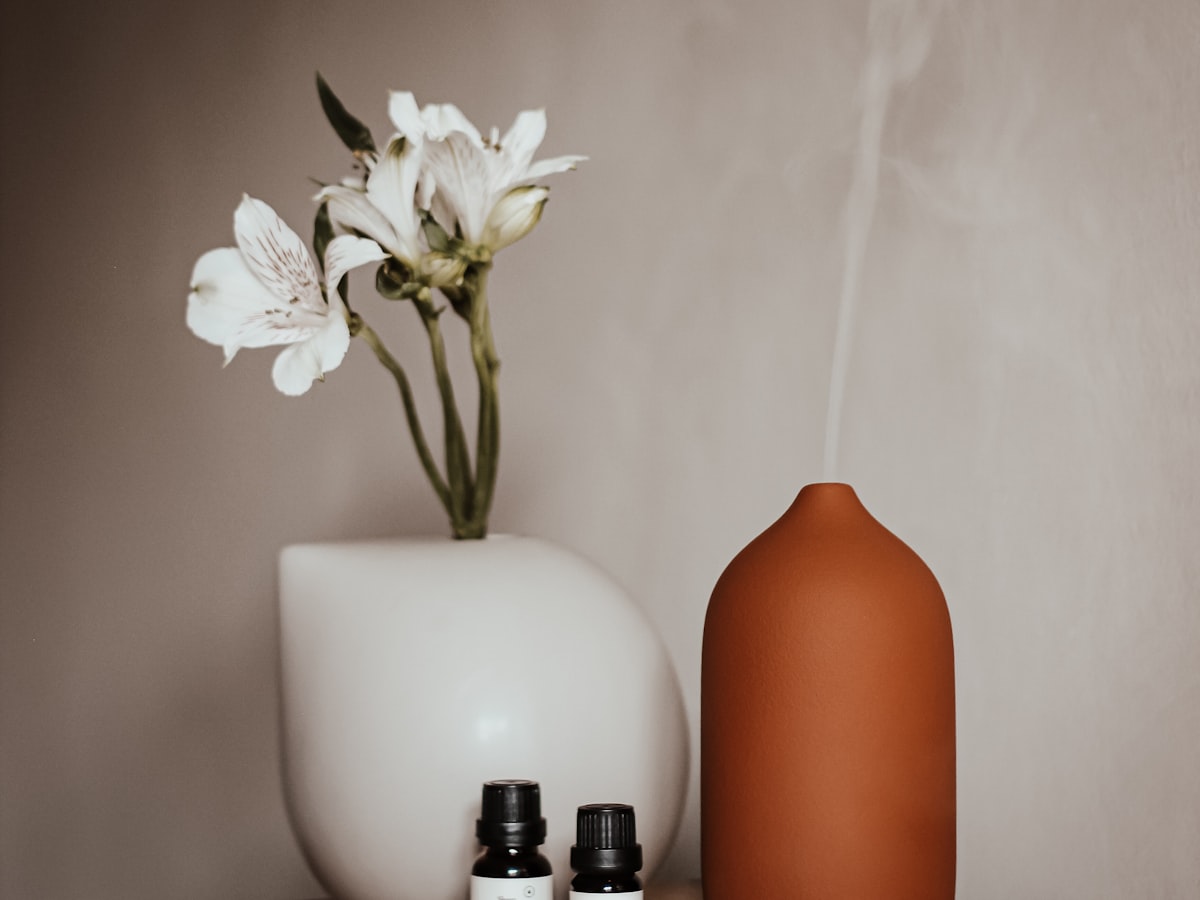
- Lifestyle settings: a styled bedside table, a spa treatment room, a hotel lobby.
- Sound design: the crackle of a wood wick, the click of a diffuser cap.
Pair every visual with concrete notes: “Top: bergamot and black pepper. Heart: smoked cedar. Base: vetiver and amber.” Buyers and consumers both respond to specificity.
5. Engineer Content for B2B Conversion
LinkedIn is where wholesale deals quietly start. Tactics that work:
- Founder posts that share lessons from production, sourcing, and customer wins. Personal posts get three to five times the reach of company posts.
- Carousel documents that explain MOQs, lead times, custom formulation, and compliance.
- Case study posts that name the buyer segment and quantify results without breaking confidentiality.
- Trade show recaps with photos and a clear “let’s meet” call to action.
Add a pinned post that links to your wholesale catalog and quote form. Track LinkedIn-driven inquiries in your CRM with a UTM-tagged link so you can prove ROI.
6. Collaborate With Micro-Influencers, Not Just Mega Voices
For home fragrance, micro-influencers in the 5,000 to 50,000 follower range deliver the best cost per engaged viewer. Focus on niches: interior design, slow living, wellness, hospitality, bookstagram. Offer product gifting plus a small fee of $100 to $500 per post, or an affiliate commission of 10 to 20 percent.
Run a quarterly program rather than one-off posts. Ten creators posting over ninety days builds the impression of an emerging brand, which is exactly what retail buyers want to see.
Budget: $2,000 to $6,000 per quarter for a structured micro-influencer program. Timeline: first wave live within six weeks.
7. Use Paid Amplification Sparingly but Strategically
Organic reach is unpredictable. Reserve a small paid budget for:
- Retargeting website visitors with catalog and case study content.
- Boosting top-performing organic posts to lookalike audiences.
- LinkedIn Sponsored Content targeting job titles like “buyer,” “category manager,” and “founder” in retail and hospitality.
Start with $1,000 to $2,000 per month. Kill anything with a cost per lead above your target within fourteen days. Reallocate to winners monthly.
8. Convert Engagement Into Pipeline
Engagement without capture is entertainment. Build three conversion paths:
- Instagram bio link to a quarterly lookbook with email capture.
- LinkedIn pinned post to the wholesale quote form.
- Direct message automation that replies to keywords like “wholesale” or “catalog” with the right link.
Review social-sourced leads weekly with sales. If LinkedIn is sending buyers but Instagram is not, adjust the content mix accordingly.
9. Measure What Matters
Track a small dashboard monthly:
- Follower growth and engagement rate by platform.
- Saves and shares, the strongest signal of valuable content.
- Click-throughs to catalog, quote form, and sample request pages.
- Marketing-qualified leads and closed deals attributed to social.
A simple spreadsheet updated monthly beats an expensive tool nobody opens.
10. A Ninety-Day Launch Plan
- Weeks one to two: Audit existing accounts, define positioning, build content pillars, set up scheduling and analytics tools.
- Weeks three to six: Launch the weekly cadence, shoot a quarterly content library, identify and onboard ten micro-influencers.
- Weeks seven to ten: Activate paid retargeting, publish the first three LinkedIn case studies, run a giveaway or trade show teaser campaign.
- Weeks eleven to twelve: Review metrics, double down on the top two formats, plan the next quarter.
Realistic budget: $3,000 to $8,000 per month including content production, influencer fees, and paid amplification for a brand serious about growth.
Final Thought
Social media does not sell fragrance directly. It sells the credibility that makes a buyer say yes and a consumer add to cart. Build a system around craft, education, proof, and brand world. Show up weekly. Convert attention into pipeline. Within two quarters, social becomes one of your most reliable B2B and B2C growth channels.
Aromiso supports brand-building partners with private label and custom formulation services, factory media assets, and compliance documentation that make social storytelling credible from day one.