Compliance & Safety
Shipping Fragrance as Dangerous Goods: UN Codes and Documentation
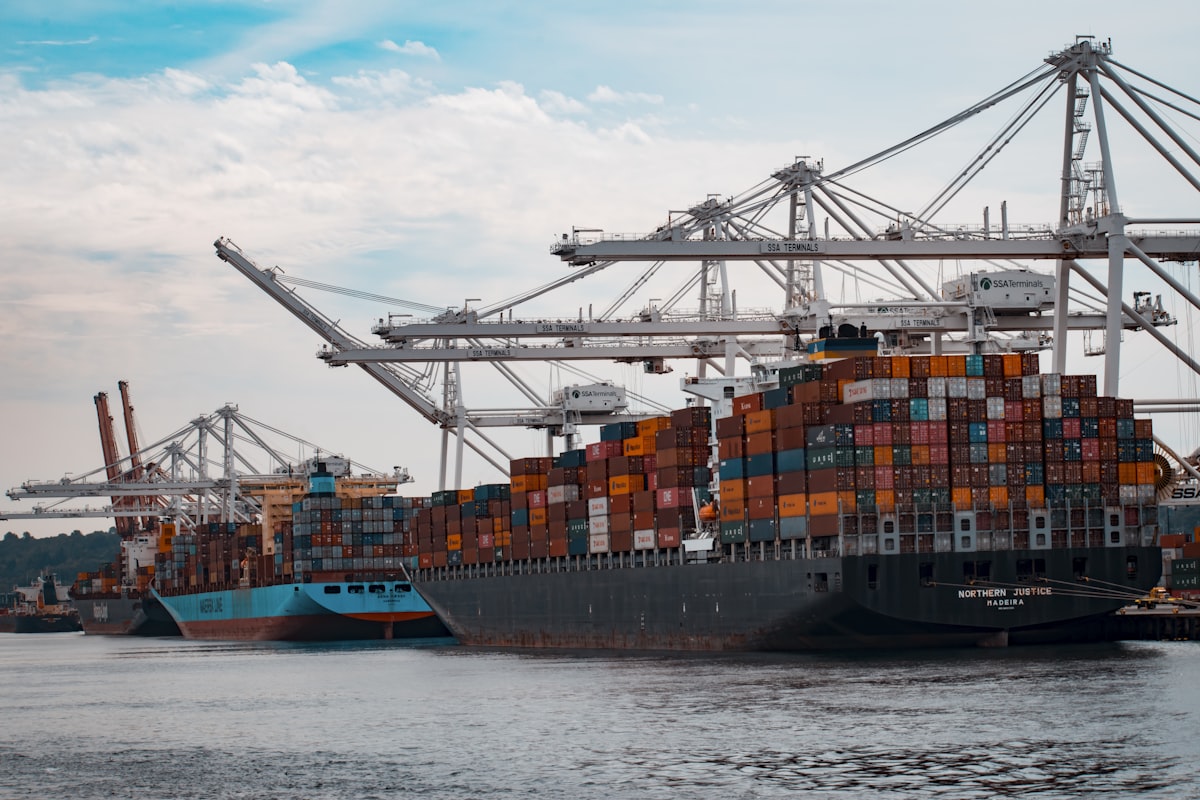
Before booking a fragrance shipment, buyers need to establish what is being shipped. An alcohol-based perfume, a reed diffuser refill, an essential oil, a candle, and an aerosol can have different transport classifications. A product name or a general statement that something is “fragrance” is not enough to choose a UN number, packing method, or shipping document.
The UN dangerous goods list includes UN 1266, Perfumery products with flammable solvents. It is a possible classification for a matching product, not a universal code for every scented item. The responsible shipper must confirm the classification of the actual formulation and package before offering it to a carrier.
Start with the product-specific SDS
Request the current safety data sheet (SDS) for the actual product or mixture being shipped. Check that its product identification matches the order and that the transport information is usable for the proposed route. An SDS for a fragrance concentrate should not automatically be treated as the SDS for a finished candle, spray, or diffuser.
Use the SDS as a starting point. If the transport classification is absent, unclear, or inconsistent with the product, ask the manufacturer or a qualified dangerous goods specialist to resolve it. Supporting transport appraisal or testing documents may be needed for a particular formulation or carrier. The SDS alone is not carrier acceptance or a completed dangerous goods declaration.
Confirm the route before choosing documents
- Air freight: The current IATA Dangerous Goods Regulations and the airline’s acceptance rules govern classification, packaging, marking, labeling, and documentation. Where the shipment is regulated as dangerous goods, the responsible parties must prepare the applicable shipper’s declaration and air waybill details.
- Sea freight: The current IMO International Maritime Dangerous Goods (IMDG) Code governs packaged dangerous goods by sea. The shipper and forwarder must confirm the applicable transport document, package details, and any container packing documentation.
- Road legs and destination: Local rules and carrier conditions can add requirements. A classification or package accepted on one route should not be assumed acceptable on another.
The applicable packaging instruction, marks, labels, quantity provisions, and carrier acceptance depend on the confirmed classification, package size, transport mode, and current rules. A small sample is not automatically exempt. Do not select a limited-quantity provision or reuse a previous declaration without checking the actual shipment.
A practical document request for suppliers and forwarders
Send one clear brief containing:
- The exact product and formulation or SKU reference, plus whether it is a concentrate or finished product.
- The proposed inner container, outer packaging, quantity per package, and total shipment quantity.
- Origin, destination, air or sea route, and intended carrier or freight forwarder.
- The current SDS and any available transport appraisal or safety certificate for that product.
- The confirmed transport description: UN number, proper shipping name, hazard class, and packing group if applicable.
Ask the shipper and qualified forwarder to confirm which declaration, transport document, package specification, marks, and labels the proposed booking requires. Keep the commercial invoice and other customs paperwork aligned with the actual goods; they serve a different purpose from the dangerous goods transport declaration.
Check again when the shipment changes
If the formula, package, quantity, carrier, or route changes, review the classification and documents again before dispatch. Retain the product reference and document version used for the shipment so a later question can be traced to the correct goods.
Our partner-factory supply chain can provide SDS and transport appraisal or air/sea safety documents where available for the actual product. Aromiso can coordinate the request and help identify missing information, while the responsible shipper and qualified logistics parties confirm the final classification, documentation, and booking. Send your shipment details to Aromiso for a document availability check.
Primary references: IATA Dangerous Goods Regulations, IMO IMDG Code, and the UNECE Model Regulations.