Product Knowledge
Reed Diffusers for Hotels: Specifying Scent for Hospitality
Dieser Artikel ist noch nicht auf Deutsch verfügbar. Sie lesen die englische Version.

Scent is one of the most underused tools in hospitality branding. Guests remember how a hotel smelled longer than they remember the thread count, and a consistent signature fragrance across a property extends brand identity into a sensory channel that no visual element can reach. Reed diffusers are an ideal delivery method for many hospitality applications because they are flame-free, maintenance-light, and scalable across hundreds of rooms. Here is how to specify them properly.
Sizing: lobby versus guest room
The two environments demand very different specifications.
Lobbies and public areas are large, high-airflow spaces where a single diffuser will not suffice. A 200ml diffuser with eight to ten fiber reeds covers roughly 20–30 square meters of still air; a lobby of 200+ square meters with HVAC turnover needs a distributed approach. For these zones, hotels typically combine multiple large-format diffusers (300–500ml) at reception, seating clusters, and corridor entries, or step up to an HVAC-connected cold-air diffusion system for whole-space coverage. Reed diffusers work best as accent scenting in defined pockets — the reception desk, the elevator lobby, the spa entrance — rather than as the sole source for an open volume.
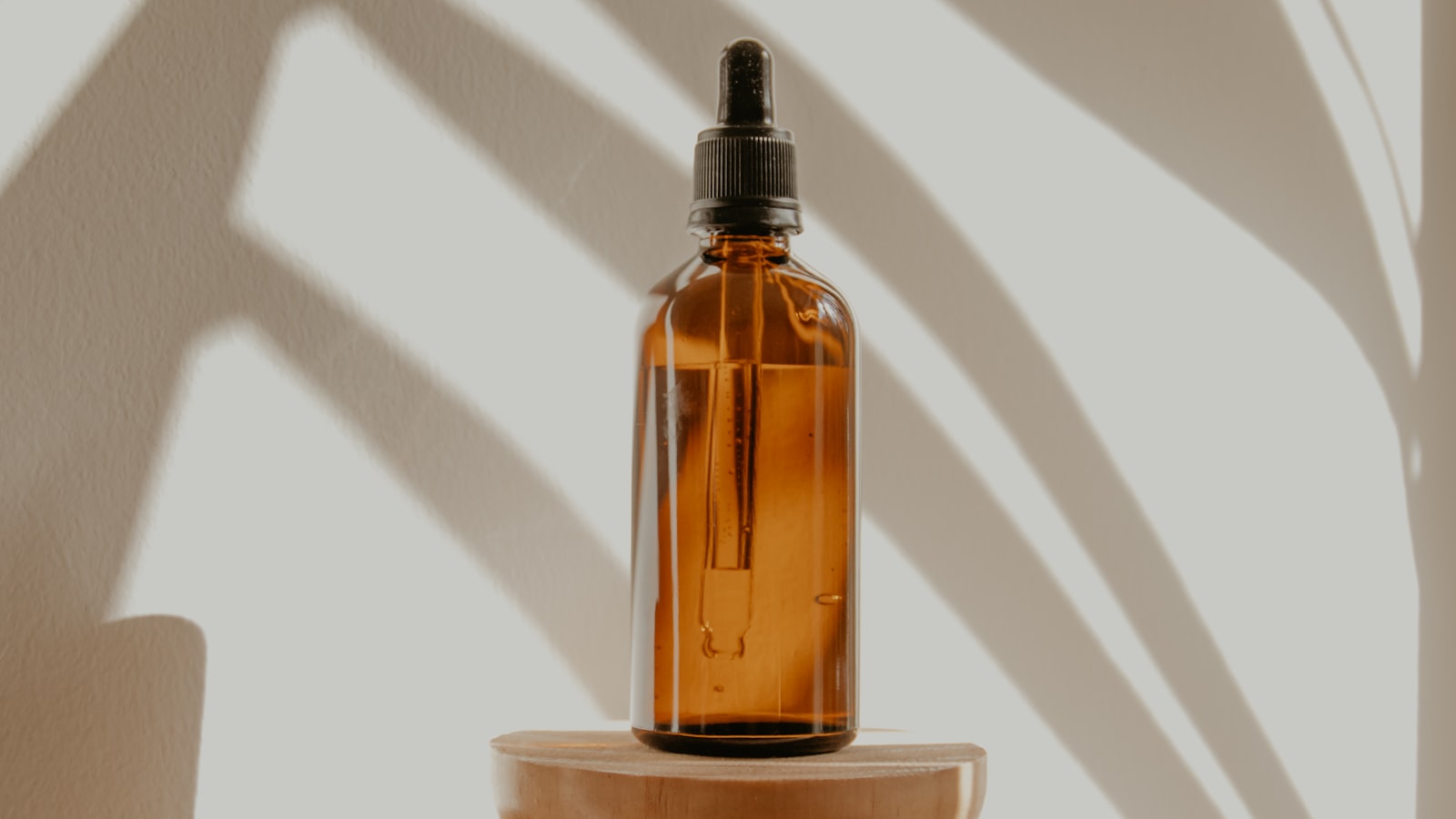
Guest rooms are the natural home for reed diffusers. A standard room of 25–40 square meters is well served by a 100–150ml diffuser with six to eight reeds, placed away from direct airflow so the scent develops evenly rather than being stripped by the vent. Bathrooms, often 4–8 square meters, need only a 50ml unit. The key specification for rooms is longevity: a guest-room diffuser should hold perceptible scent for 8–12 weeks to keep housekeeping intervention minimal.
Scent selection for brand identity
Hotel scenting succeeds through restraint and consistency, not intensity. The goal is a subtle, welcoming background note that guests associate with the property. A few working principles:
- Match the brand tier and region. A coastal resort leans toward fresh, aquatic, and citrus profiles; an urban business hotel toward clean linen, light wood, or subtle green tea; a luxury heritage property toward warm amber, sandalwood, or soft floral.
- Avoid polarizing notes. Heavy oud, strong gourmand, or intense animalic notes divide opinion and are risky for a space every guest must share. Neutral-pleasant profiles with a distinctive top note perform best.
- Standardize across the portfolio. The brand value comes from repetition. A signature scent deployed identically at reception, in corridors, and in rooms — and across properties — becomes a recognizable asset.
Work with your factory to develop or select a signature fragrance, then lock it with a retained reference sample and a documented formulation so every reorder is identical. Batch-to-batch consistency matters more in hospitality than in retail, because a drift between properties is immediately noticeable to frequent guests.
Safety and compliance for public spaces
Hotels operate under stricter safety and liability frameworks than private homes. Diffusers placed in public areas must be stable, spill-resistant, and positioned out of traffic paths. Specify vessels with a low center of gravity and a weighted base, and consider reed caps or restricted openings to limit accidental contact with the liquid. Confirm CLP/GHS labeling and that the fragrance meets IFRA usage limits for the relevant category. For properties in multiple markets, verify local fire and chemical-storage rules, particularly where diffusers sit near food service or in spa environments.
Bulk procurement and operations
Hospitality purchasing is a volume and logistics exercise. A 200-room hotel refreshing room diffusers quarterly is roughly 800 units per year per property; a small chain multiplies that quickly. Practical procurement points:
- Negotiate on annual volume, not per order. Committing to a yearly forecast unlocks better unit pricing and reserves production capacity.
- Standardize the SKU. One vessel, one fragrance, one reed specification across rooms simplifies housekeeping training and spare-parts management.
- Plan for refills. Supplying replacement liquid and reeds separately, rather than whole units, cuts ongoing cost and waste. A refill program can reduce per-room annual spend by 30–40% versus full-unit replacement.
- Build in lead time. Custom-branded hospitality orders commonly need 35–50 days including sampling and freight; align production to your refurbishment or amenity-refresh calendar.
Specify a pilot before rolling out: deploy a candidate diffuser in a sample of rooms for 60–90 days, gather housekeeping feedback on longevity and guest feedback on scent, then scale the validated configuration across the property.