sourcing
Launching a Spa Private Label Fragrance Line
Dieser Artikel ist noch nicht auf Deutsch verfügbar. Sie lesen die englische Version.
For international B2B buyers in the spa and retail sector, launching a spa private label fragrance line can feel overwhelming. Most buyers begin with fragrance notes, but factories that serve hotel and spa programs see a different priority: decision sequence. The brands that avoid stalled projects and costly rework usually follow a clear order: product structure first, MOQ ladder second, packaging and label compliance third, and launch timing last. This guide walks through each step with practical checks you can use when sourcing from a Chinese fragrance and essential-oil factory.
Step 1: Lock the product structure before committing to anything else
A common pitfall is to discuss a ‘fragrance line’ without defining which formats will carry the scent. That leads to scattered sampling, incompatible packaging, and unpredictable MOQs. Start with a small anchor set.
For a spa private label line, choose formats that share the same fragrance concentrate and similar filling or packaging logic. Typical anchor formats include:
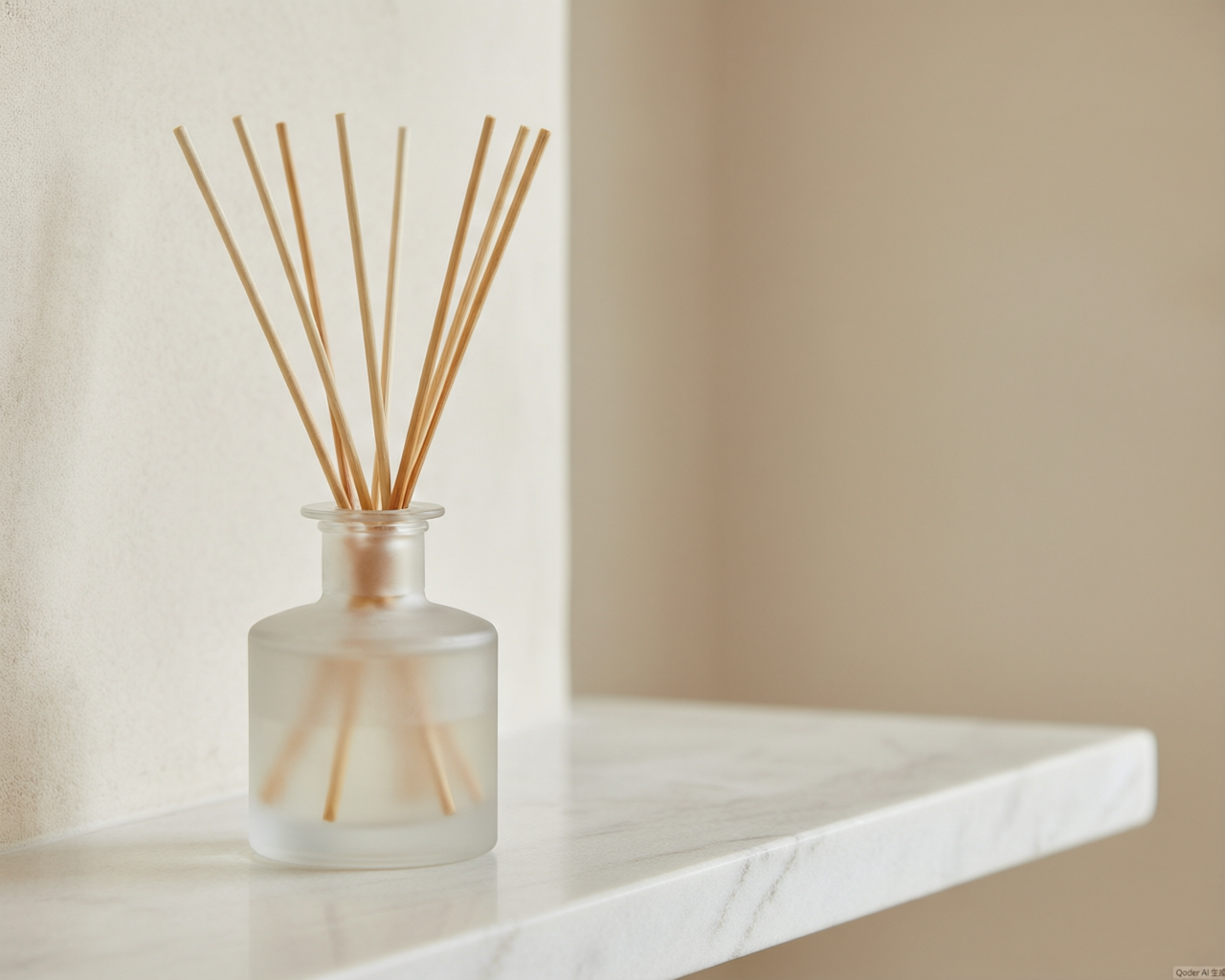
- Reed diffuser oil
- Room and linen spray
- Body or massage oil
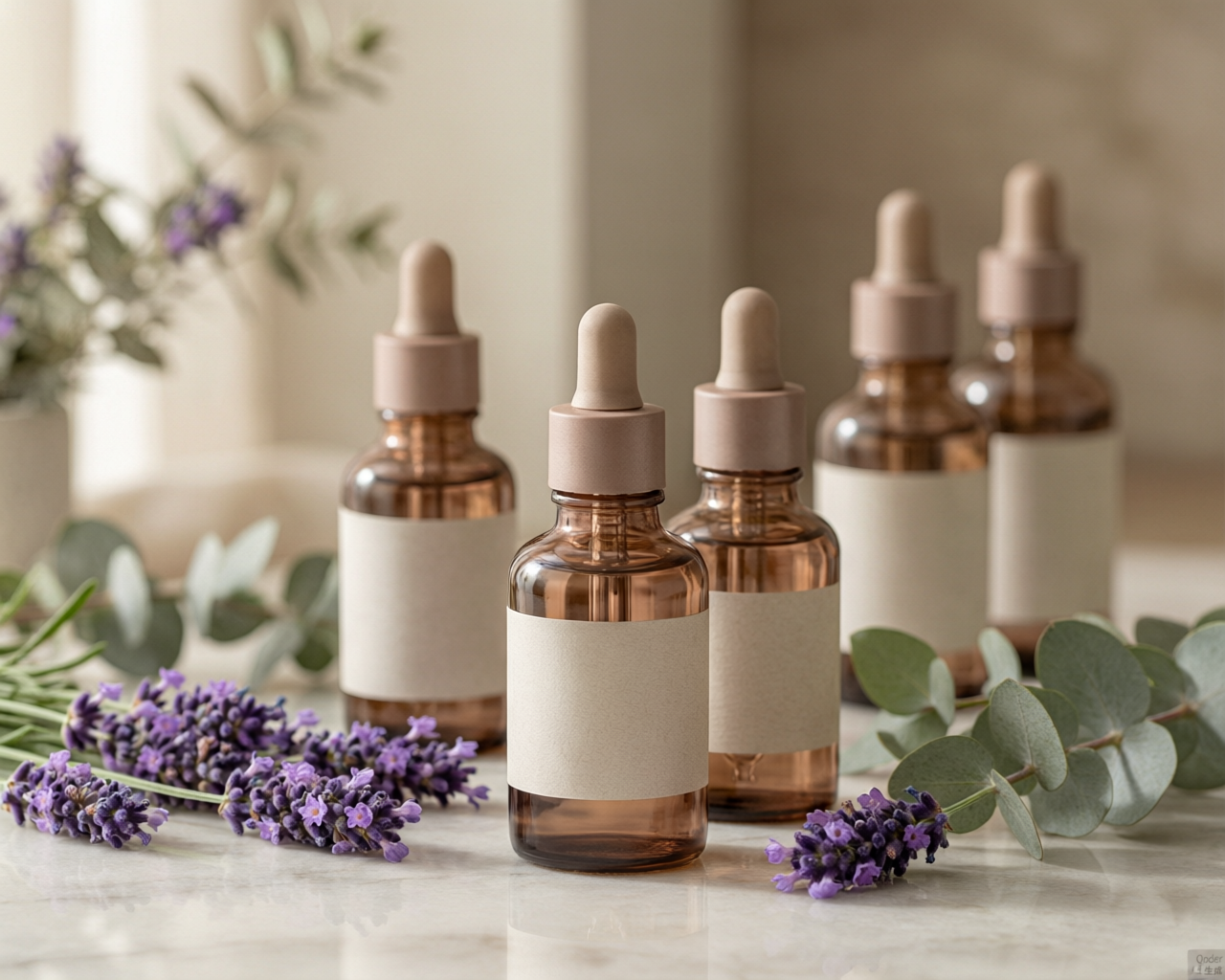
- Aromatherapy essential oil blend
If you are unsure where demand is, view our ready-to-ship catalog to see what formats are already in production. You can also check our buyer guides for format comparisons.
What to decide at this stage:
- Which two or three formats will be in the first order?
- Will the same fragrance be used across formats?
- Which formats are compliant with your target market?
Keep the first line narrow. Three SKUs that sell consistently are easier to manage than ten SKUs with uneven inventory. Once the anchor set is confirmed, ask the factory for a cross-format fragrance sample rather than individual samples. This reveals whether the scent performs equally well in a diffuser base, alcohol spray, or oil carrier.
Step 2: Map the MOQ ladder before you sample heavily
Private label fragrance is not one MOQ. In a factory setting, there is usually a graduated ladder depending on how much you customize.
A practical MOQ ladder might look like this:
- Ready-to-ship private label: lowest MOQ, factory-applied label or sleeve, existing fragrance blend
- Semi-custom private label: higher MOQ, your brand name and label design, existing fragrance blend or a standard modification
- Full custom private label: highest MOQ, exclusive fragrance development, custom bottle, custom box, custom colorants
Ask the factory to put this ladder in writing for each SKU in your anchor set. If a supplier gives one flat MOQ without explaining what changes at each tier, treat that as a red flag. You are not just asking for a number; you are asking for a decision path.
Checklist: what to ask the factory about MOQ
- What is the MOQ for ready-to-ship stock with my label?
- What is the MOQ if I choose a standard private label fragrance?
- What is the MOQ for an exclusive fragrance blend?
- Does the MOQ change by format or by fragrance?
- Are there surcharges for split MOQ across two or three fragrance notes?
This step also matters for sampling. Many buyers sample several custom fragrances before they know whether the MOQ is viable. Reverse the order: confirm the MOQ tier you can finance, then sample only fragrances available within that tier.
Step 3: Treat packaging and labels as a compliance step, not a creative afterthought
Fragrance products are regulated differently by destination market. A label that works for one country may be rejected in another because of ingredient disclosure, net weight format, or cautionary text.
When you evaluate a spa private label fragrance line, ask the factory for a label template early. The template should show:
- Product identity and net contents
- Ingredient or fragrance allergen declarations required by your market
- Manufacturer or responsible party name and address
- Batch code and usage warnings if applicable
Do not assume the factory knows your local regulations. Even experienced export factories will ask you to confirm the final label text. You remain responsible for destination compliance.
Packaging also affects lead time. Custom glass, printed boxes, and special caps can add weeks compared with using an existing stock bottle. If your launch date is fixed, choose packaging from the factory’s existing tooling or ask for a packaging timeline before approving artwork.
What to ask about packaging and labels:
- Can you provide a blank label template for each format?
- Which fields are mandatory in the destination country?
- Is the packaging material compatible with the fragrance? Some essential oil blends interact with certain plastics or seals.
- Will the factory send a pre-production sample including the final label, bottle, and box?
A pre-production sample is non-negotiable. Approving the fragrance alone is not enough. You should approve the entire unit as the customer will receive it.
Step 4: Set the launch rhythm: pilot, not full assortment
Once product structure, MOQ, and packaging are clear, decide your launch sequence. The most common sourcing mistake is ordering a full line before any sell-through data exists.
A safer pattern is a phased launch:
- Phase 1: order the anchor set only, using ready-to-ship or semi-custom MOQ
- Phase 2: gather feedback from spa clients, retail buyers, or hotel accounts
- Phase 3: expand into exclusive fragrance blends or custom packaging only after repeat orders
This approach reduces inventory risk and creates a natural upgrade path. It also gives you time to observe how the fragrance performs in different environments: a hotel lobby, a treatment room, a retail shelf. Some formats may sell well as room sprays but not as body oils; your second order should reflect that instead of forcing a symmetrical line.
Timing questions to confirm with the factory:
- Production lead time after label approval
- Packaging printing lead time
- Ocean or air freight to your destination
- Certificate or test report availability if required by your market
Ask the factory to provide a written timeline from artwork approval to ex-works ready date. If any step is unclear, do not proceed with artwork. Delays usually come from label compliance or packaging tooling, not from fragrance blending itself.
Avoid these pitfalls
- Starting with six fragrances before confirming MOQ viability
- Ordering custom packaging before testing the anchor format
- Comparing factory prices without comparing MOQ tiers and packaging specs
- Skipping pre-production samples for label and packaging
- Approving the fragrance oil after an informal sniff test but not asking for a final label proof
A more reliable approach is to treat the first order as a sourcing pilot. Your goal is not to perfect the line, but to validate the supplier, the formats, and the compliance process. Once that works, scaling is straightforward.
For more sourcing guidance, see our buyer guides or contact our team with your target format and destination market.