Product Knowledge
Citrus Essential Oils: Market Demand and Sourcing Considerations
Dieser Artikel ist noch nicht auf Deutsch verfügbar. Sie lesen die englische Version.
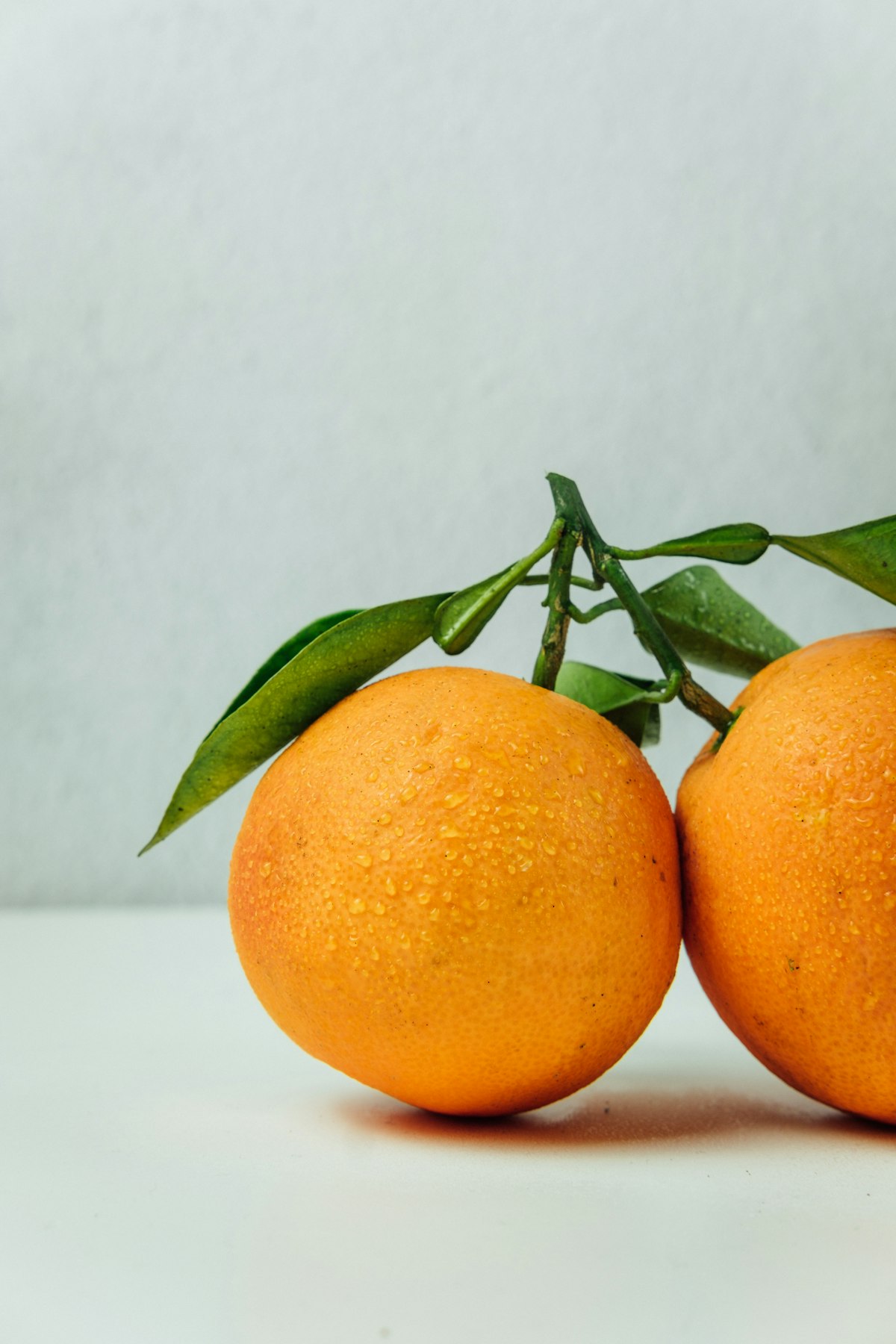
Citrus essential oils represent the highest-volume segment of the global essential oil market. Sweet orange oil alone accounts for approximately 30% of total essential oil trade by volume. For B2B buyers in food, fragrance, cleaning, and personal care, citrus oils are often the largest line item in raw material budgets. Understanding production geography, pricing dynamics, and regulatory constraints is essential for cost management and supply continuity.
Production Overview by Oil
Sweet Orange (Citrus sinensis)
- Global production: ~70,000-80,000 tonnes/year
- Primary origins: Brazil (55-60% of supply), USA/Florida and California (15-20%), Mexico, Spain, Italy
- Extraction: Cold press (peel by-product of juice industry)
- Price range: $6-14/kg (Brazilian), $10-18/kg (US/California)
- Key constituents: d-Limonene 90-96%, myrcene 1.5-3%, alpha-pinene 0.3-0.9%
Brazilian supply is structurally tied to the orange juice market. When juice demand drops (as during the 2020-2021 season), peel processing decreases and oil supply tightens, pushing prices up 15-30%.
Lemon (Citrus limon)
- Global production: ~15,000-20,000 tonnes/year
- Primary origins: Argentina (35-40%), Italy/Sicily (15-20%), Spain, USA, South Africa
- Extraction: Cold press
- Price range: $12-22/kg (Argentine), $25-45/kg (Sicilian)
- Key constituents: Limonene 56-70%, beta-pinene 7-16%, gamma-terpinene 6-12%, citral (neral + geranial) 2-5%
Sicilian lemon oil commands a 2-3x premium over Argentine due to higher citral content and traditional fragrance-house preference. Argentine supply has been volatile since 2018 due to currency instability and export tax fluctuations.
Bergamot (Citrus bergamia)
- Global production: ~120-150 tonnes/year (small and geographically concentrated)
- Primary origins: Italy/Calabria (90-95% of global supply), Ivory Coast, Argentina (minor)
- Extraction: Cold press
- Price range: $90-180/kg (Calabrian, conventional), $140-250/kg (organic)
- Key constituents: Linalyl acetate 15-40%, linalool 3-15%, limonene 30-45%, bergaptene (furocoumarin) 0.2-0.5%
Bergamot is the most supply-constrained major citrus oil. Nearly all commercial production occurs in a 100 km coastal strip near Reggio Calabria. A single hailstorm or frost event can reduce output by 20-40%, as occurred in 2018 when prices spiked above $200/kg.
Grapefruit (Citrus paradisi)
- Global production: ~3,000-5,000 tonnes/year
- Primary origins: USA (Texas, Florida), South Africa, Israel, Brazil
- Extraction: Cold press
- Price range: $15-30/kg (US), $12-25/kg (South African)
- Key constituents: Limonene 88-95%, myrcene 1-3%, nootkatone 0.1-0.5%
Nootkatone content is the quality differentiator. US grapefruit oil typically tests higher (0.3-0.5%) than South African (0.1-0.3%), relevant for flavor applications where nootkatone drives the characteristic grapefruit character.
Pricing Volatility: Key Drivers
Citrus oil prices fluctuate more than most essential oil categories due to:
- Juice market coupling. 80%+ of citrus peel oil is a by-product. Juice industry decisions (acreage, processing schedules) drive oil availability independent of fragrance demand.
- Weather concentration risk. Brazil, Calabria, and Sicily each represent single-point-of-failure geographies. Hurricanes (Florida), drought (Brazil), and frost (Argentina) create 20-50% price swings within a season.
- Seasonal harvest windows. Northern hemisphere citrus harvests run October-March. Southern hemisphere (Argentina, South Africa) runs April-September. Buyers who contract across both hemispheres smooth supply.
- Currency effects. Brazilian real and Argentine peso volatility directly impacts FOB pricing. A 10% currency move translates to roughly 7-8% price movement in USD terms.
Procurement strategy: For annual volumes above 5 tonnes, consider forward contracts with 6-12 month price locks. For bergamot, secure allocation by March for the October-March harvest.
Phototoxicity and Regulatory Compliance
Cold-pressed citrus oils contain furocoumarins (psoralens) that cause phototoxic skin reactions under UV exposure. This is the primary regulatory constraint for cosmetic applications.
IFRA restrictions (49th Amendment):
| Oil | Maximum in leave-on products | Maximum in rinse-off |
|---|---|---|
| Bergamot (cold pressed) | 0.4% | No restriction |
| Lemon (cold pressed) | 2% (as part of total citrus) | No restriction |
| Lime (cold pressed) | 0.7% | No restriction |
| Grapefruit | 4% | No restriction |
| Orange (sweet, cold pressed) | No restriction | No restriction |
Mitigation options for formulators:
- Use folded (concentrated) citrus oils with reduced furocoumarin content (e.g., bergamot FCF — furocoumarin-free, bergaptene <2 ppm)
- Use steam-distilled citrus oils (furocoumarins are non-volatile and remain in the still)
- Specify maximum furocoumarin content in your purchase specification
EU Cosmetics Regulation (EC 1223/2009): Requires labeling of 26 fragrance allergens above threshold concentrations. Citrus oils contain limonene, linalool, citral, and geraniol — all listed allergens. Your supplier should provide allergen quantification on the COA.
Quality Risks Specific to Citrus Oils
- Oxidation. High limonene content makes citrus oils prone to autoxidation. Limonene hydroperoxides are potent skin sensitizers. Require peroxide value below 5 meq/kg and BHT or tocopherol stabilization for any oil stored above 3 months.
- Pesticide residues. Citrus peel concentrates systemic pesticides. For EU market, request a 200+ compound pesticide screen against EC 396/2005 MRLs.
- Adulteration. Orange oil is occasionally cut with terpene fractions from pine or tall oil. GC-MS should show the characteristic minor-component fingerprint (sinensal, valencene for orange).
Sourcing Checklist for B2B Buyers
- Confirm extraction method (cold press vs. steam distilled vs. folded)
- Request furocoumarin quantification (bergaptene ppm) for cosmetic use
- Verify peroxide value and stabilization method
- Obtain allergen declaration (limonene, linalool, citral percentages)
- Check harvest date and packing date (citrus oils degrade noticeably after 12-18 months)
- Specify storage conditions in your purchase order (below 15 degrees C, nitrogen headspace, amber or stainless containers)
Aromiso supplies cold-pressed and steam-distilled citrus oils from Brazil, Italy, Argentina, and South Africa with full regulatory documentation for EU, US, and Asian markets. Contact aromiso.com for current pricing and allocation.