Product Knowledge
Hotel Scent Branding: How to Build a Signature Fragrance Program
Este artículo aún no está disponible en español. Lo estás viendo en inglés.
Scent is the only sense with a direct neural pathway to the limbic system — the brain’s emotional and memory center. For hotels, this translates into measurable business outcomes: properties with signature scent programs report 10–15% higher guest satisfaction scores on fragrance-related survey items, and branded-scent hotels show a 3–5% RevPAR premium over comparable unscented properties in the same market (data aggregated from J.D. Power guest satisfaction studies and Cornell hospitality research). This is not ambiance for its own sake. It is a revenue tool, and it requires the same procurement discipline as any other capital program.
Why hotels invest in scent
The business case rests on three pillars:
-
Brand differentiation. In a market where 4-star properties compete on identical room sizes, thread counts, and breakfast buffets, scent is a differentiator that guests notice within 8 seconds of entering the lobby and remember for months afterward. Westin’s White Tea, Shangri-La’s Essence of Shangri-La, and W Hotels’ signature blend are recognized brand assets, not decorative extras.
-
Perceived value. Olfactory research (Spangenberg et al., Journal of Business Research) demonstrates that congruent ambient scent increases perceived product quality and willingness to pay. In hospitality terms: guests rate a scented lobby as “more upscale” than an identical unscented one, which supports ADR positioning.
-
Operational masking. Beyond branding, scent programs mask HVAC odors, cooking smells near F&B areas, and the chemical smell of cleaning products in corridors. This is the unglamorous but practical reason many 3-star and business hotels adopt scent programs.
Diffuser systems by zone
A hotel is not a single scent environment. Different zones require different delivery systems:
Lobby and public areas (100–500 m²): HVAC-connected nebulizing diffusers are standard. These use cold-air nebulization (no heat, no water) to atomize fragrance oil into 1–5 micron particles that disperse through the air handling system. Coverage: one commercial unit handles 200–400 m² depending on ceiling height and airflow. Units run $800–$2,500 each. Fragrance consumption: 50–150 ml per day per unit at standard intensity.
Corridors and elevators (20–60 m²): Wall-mounted or recessed passive diffusers, or small standalone nebulizers on timers. Lower intensity than lobby — the goal is a subtle “thread” of scent that connects the lobby experience to the guest room journey. Consumption: 5–20 ml per day.
Guest rooms: Three approaches, by budget tier:
- Luxury: integrated in-room diffuser (ultrasonic or nebulizing), branded vessel, guest-controllable. Unit cost $40–$120 per room.
- Upscale: scented amenities (soap, shampoo, lotion) carrying the signature fragrance. No hardware cost; fragrance cost is embedded in amenity procurement.
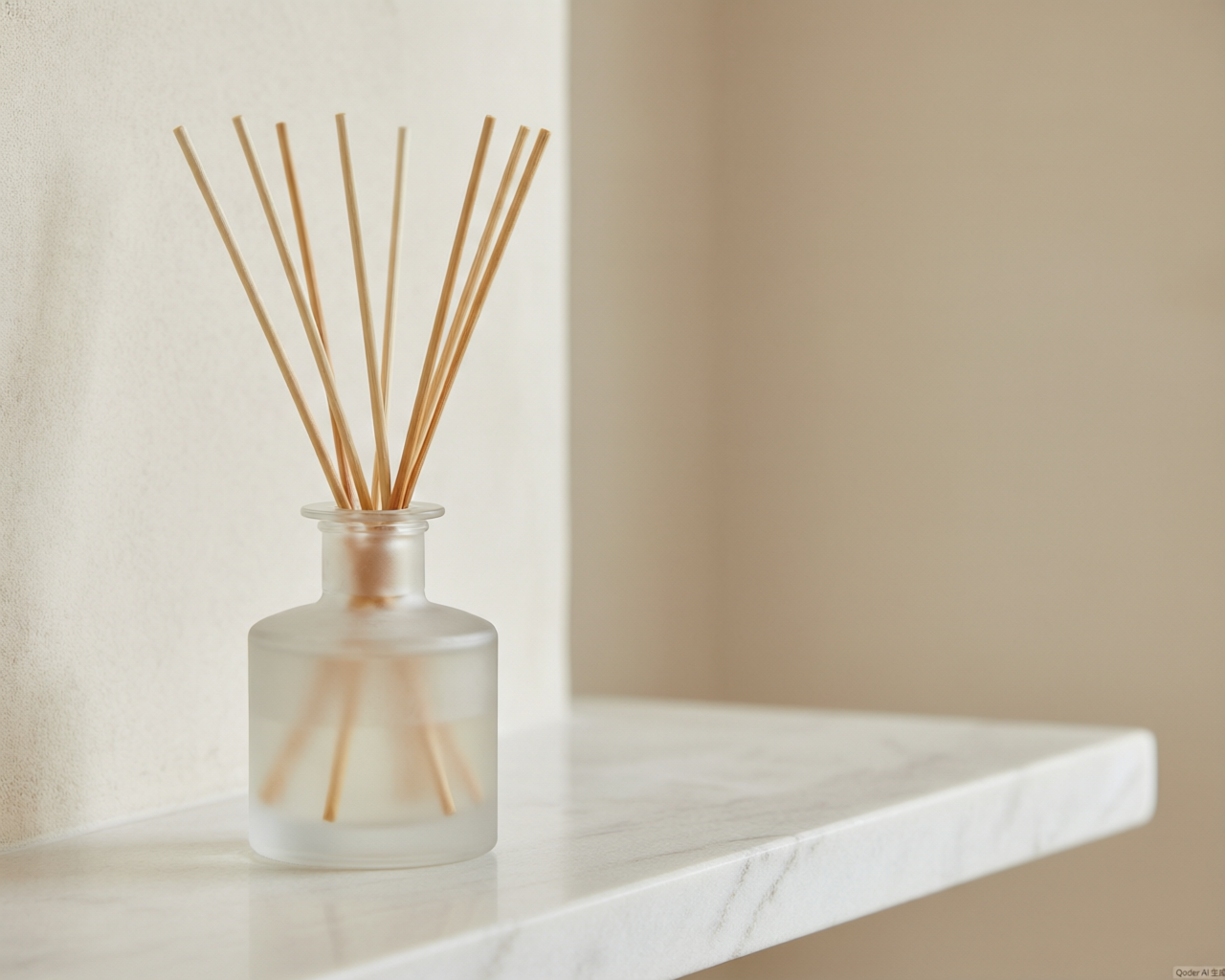
- Mid-scale: scented drawer liners, pillow mists, or a single reed diffuser placed at turndown. Low cost, high perceived thoughtfulness.
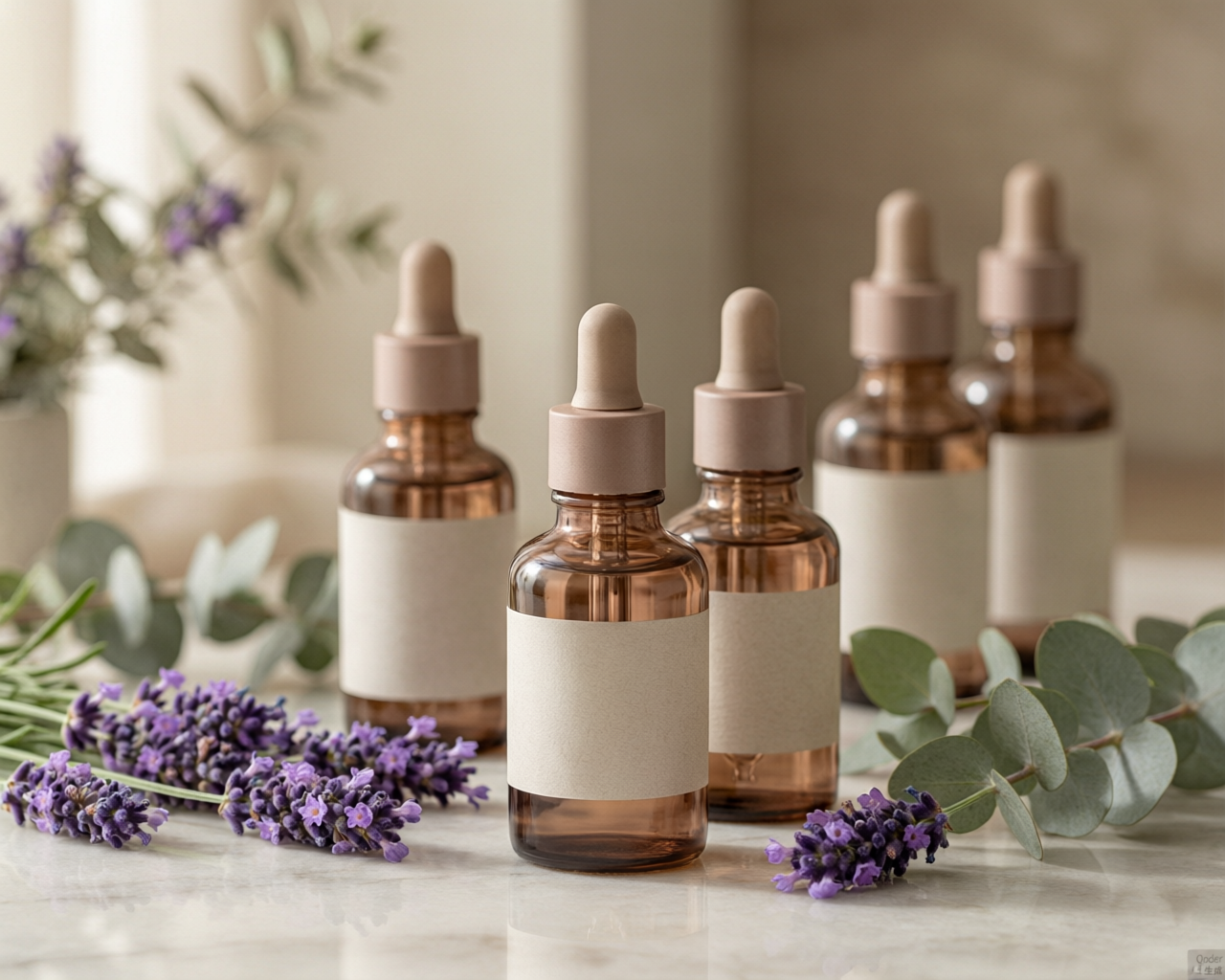
Spa and F&B: Zone-specific scents that complement but do not replicate the lobby fragrance. Spa environments typically use eucalyptus/lavender/citrus profiles. F&B areas should be unscented or very lightly scented to avoid interfering with food aroma.
Fragrance selection by hotel tier
| Hotel segment | Scent profile | Rationale |
|---|---|---|
| Luxury / resort | Complex, layered: oud, amber, white florals, sandalwood | Signals exclusivity, lingers in memory, justifies premium ADR |
| Boutique / lifestyle | Distinctive, slightly unexpected: fig, vetiver, black tea, leather | Creates Instagram-worthy “what is that smell?” moments |
| Business / upscale | Clean, inoffensive, energizing: citrus, green tea, white musk, cotton | Appeals to broad demographics, avoids polarizing notes |
| Mid-scale / select-service | Simple, fresh: linen, light citrus, ocean breeze | Masks operational odors, signals cleanliness, low cost |
Avoid: heavy gourmands (vanilla, caramel) in lobbies — they trigger hunger and can conflict with F&B. Avoid polarizing notes (strong patchouli, animalic musk) in any shared space.
MOQ, pricing, and program structure
Hospitality scent programs are typically structured as ongoing supply contracts, not one-time purchases:
- Signature fragrance development: $2,000–$15,000 for a custom formulation by a fragrance house, including 3–5 revision rounds and stability testing. Timeline: 8–16 weeks from brief to approved formula.
- Fragrance oil supply: Priced per liter, typically $40–$200/L depending on complexity and natural content. A 200-room hotel with lobby + corridor diffusers consumes roughly 15–30 liters per month.
- Hardware (diffuser units): $800–$2,500 per commercial HVAC unit; $40–$120 per in-room unit. A 200-room property might need 2–4 lobby units, 10–20 corridor units, and (for luxury) 200 in-room units.
- MOQ: Custom fragrance development typically requires a minimum annual commitment of 50–200 liters. Hardware is usually sold outright or bundled into a service contract.
- Service contracts: Many scent providers offer full-service programs (hardware + fragrance + maintenance + refills) at $300–$1,500 per month per property, depending on coverage area and diffuser count.
Maintenance and refill logistics
A scent program fails when it is inconsistent. Practical logistics:
- Refill frequency: Lobby nebulizers need refilling every 2–4 weeks. Build this into housekeeping or engineering SOPs.
- Nozzle cleaning: Nebulizer nozzles clog every 4–8 weeks depending on oil viscosity. Include cleaning kits and a maintenance schedule in your contract.
- Seasonal adjustment: Scent perception changes with humidity and temperature. Many programs run a slightly lighter concentration in summer (when HVAC runs harder and disperses more) and heavier in winter.
- Backup supply: Keep 2–3 months of fragrance oil on-site. Custom formulations have 6–10 week lead times for reorders; running out means an unscented lobby, which guests notice more than they noticed the scent.
Pitching to hotel procurement
Hotel procurement teams evaluate scent programs against three criteria:
-
Cost per occupied room per night. Calculate your total program cost (hardware amortized over 3 years + monthly fragrance + maintenance) divided by room count and target occupancy. A well-structured program for a 200-room property lands at $0.80–$2.50 per occupied room per night — less than the cost of the lobby flowers.
-
Guest satisfaction impact. Reference the J.D. Power data and offer a 90-day pilot with before/after satisfaction score tracking. Procurement responds to measurable outcomes, not ambiance arguments.
-
Operational simplicity. Procurement does not want another vendor relationship with complex logistics. Offer a single-invoice, full-service package with automatic refills and a named account manager. The less work it creates for their team, the faster it gets approved.
Getting started
A pilot program is the lowest-risk entry point: scent the lobby and one corridor zone for 90 days, track guest comments and satisfaction scores, then present the data to ownership for a full rollout. Total pilot investment for a single-zone setup: $3,000–$6,000 including hardware, fragrance, and installation.
Aromiso develops custom signature fragrances for hospitality clients and supplies the ongoing oil, hardware, and refill logistics as a single program. If you are scoping a scent program for a property or a hotel group, we can provide a zone-by-zone proposal with consumption projections and per-room-per-night costing.