Product Knowledge
Essential Oil Storage & Shelf Life: What Bulk Buyers Must Know
Este artículo aún no está disponible en español. Lo estás viendo en inglés.
You negotiated a good price on 500 kg of bergamot oil, shipped it FOB Shanghai, and stored it in a warehouse for eight months before production. When you finally open the drums, the oil smells flat, tests show elevated peroxide values, and your formulator says it will not pass IFRA compliance for the intended application. This scenario costs buyers tens of thousands of dollars annually, and it is almost entirely preventable.
The chemistry of degradation
Essential oils degrade primarily through oxidation: terpenes (limonene, pinene, linalool) react with atmospheric oxygen to form peroxides, aldehydes, and acids. The process is autocatalytic — once started, it accelerates. Heat, UV light, and trace metals (iron, copper) act as catalysts.
The practical consequence: an oil that was within spec at distillation can exceed safe peroxide limits (typically 10 mmol/L for limonene-rich oils per IFRA guidance) within months if stored poorly. Oxidized oils are not just weaker in aroma — they are significantly more likely to cause skin sensitization, which is a product liability issue, not just a quality issue.
Secondary degradation pathways include hydrolysis (ester-rich oils like lavender and clary sage breaking down in the presence of moisture) and polymerization (sesquiterpene-heavy oils like sandalwood thickening over time).
Ideal storage conditions
The three enemies are heat, light, and oxygen. Control all three:
- Temperature: 15–20°C is ideal. Every 10°C increase roughly doubles oxidation rate (Arrhenius principle). Oils stored at 35°C in a non-climate-controlled warehouse degrade 3–4x faster than those at 15°C. For citrus oils specifically, cold storage at 5–10°C extends usable life significantly.
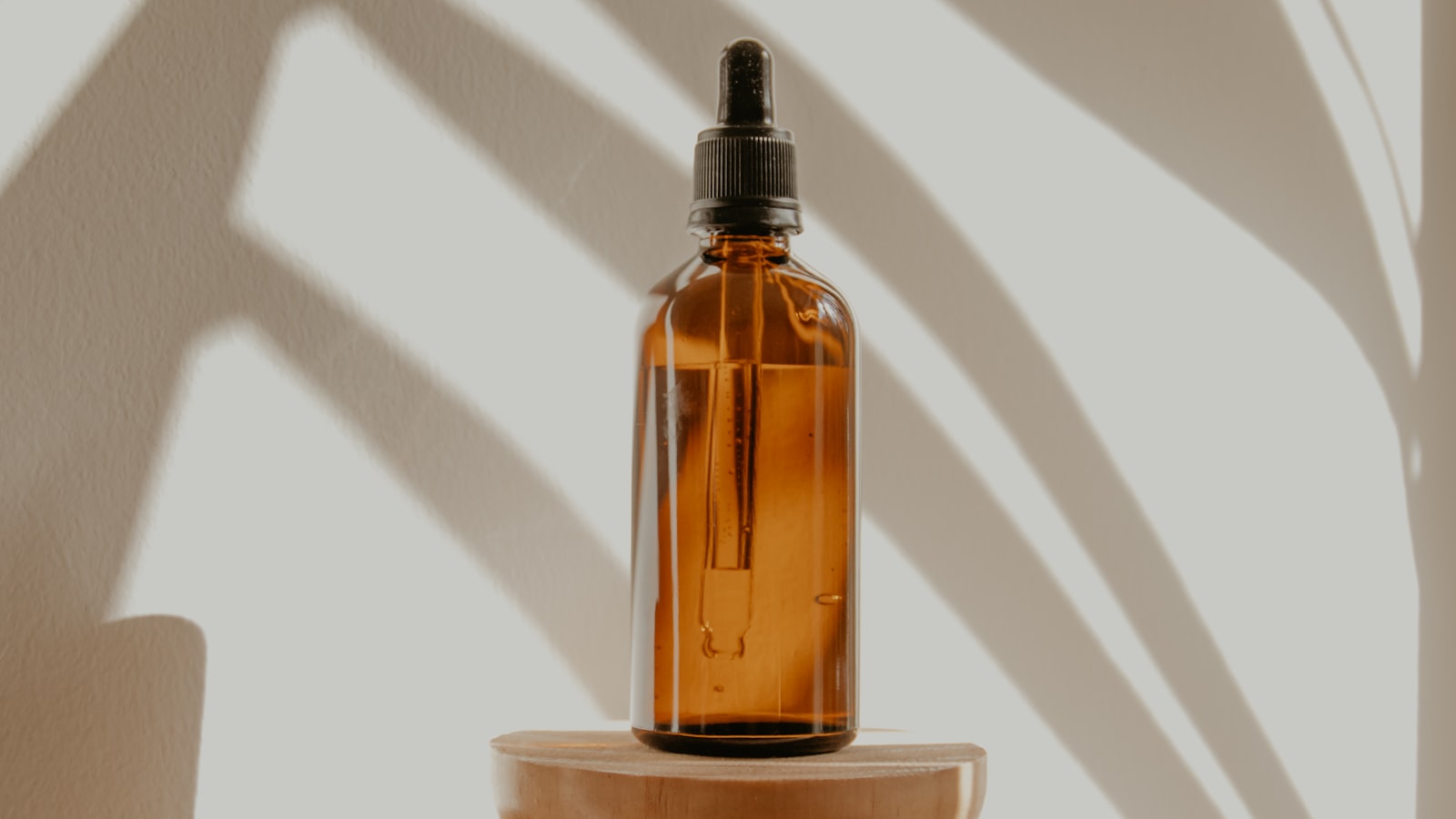
- Light: UV accelerates free-radical formation. Store in opaque or amber containers, away from windows and fluorescent lighting. Clear glass in a lit warehouse is a liability.
- Oxygen: Headspace in a container is the enemy. A drum that is 50% full has 50% of its volume as reactive air. Nitrogen-blanketing (flushing headspace with N2 before sealing) is standard practice for premium oils and adds negligible cost — roughly $0.02–0.05 per kg.
Humidity matters less for sealed containers but becomes relevant once opened. Repeated opening introduces moisture and air. For production use, decant into smaller working containers rather than repeatedly opening a 180 kg drum.
Shelf life by oil type
Shelf life varies dramatically by chemical composition:
| Oil type | Examples | Typical shelf life (sealed, ideal storage) |
|---|---|---|
| Citrus (monoterpene-rich) | Bergamot, lemon, sweet orange, grapefruit | 1–2 years |
| Coniferous (pinene-rich) | Pine, fir needle, juniper berry | 1–3 years |
| Floral (ester/alcohol-rich) | Lavender, geranium, clary sage | 3–5 years |
| Woody/resinous (sesquiterpene-rich) | Sandalwood, cedarwood, frankincense, patchouli | 4–8 years |
| Spice (phenol-rich) | Clove, cinnamon bark, thyme | 3–5 years |
These ranges assume sealed, nitrogen-flushed, amber glass or aluminum containers at 15–20°C. Real-world storage in a tropical warehouse in clear HDPE can halve these numbers.
Note that some oils — sandalwood, patchouli, vetiver — genuinely improve with age as harsh top notes mellow. But “improves with age” applies only to proper storage; oxidized sandalwood does not improve, it just gets thicker and duller.
Verifying freshness on receipt
Do not accept a bulk oil shipment on appearance and smell alone. Minimum incoming QC should include:
- Specific gravity and refractive index — compared against the supplier’s COA and ISO/AFNOR standards for that oil. Deviation suggests adulteration or advanced degradation.
- Peroxide value — critical for citrus and coniferous oils. Test strips give a quick pass/fail; titration gives a precise number. Reject citrus oils above 5 mmol/L at receipt (they will climb further in your storage).
- GC/MS (gas chromatography-mass spectrometry) — the gold standard. A full GC/MS report shows the percentage of every major constituent. Compare against a reference chromatogram for that oil. Key markers: limonene degradation products in citrus, linalyl acetate ratio in lavender, santalol percentage in sandalwood.
Request GC/MS from your supplier with every shipment, but also run your own on high-value or high-risk oils. A third-party GC/MS analysis costs $80–150 per sample — trivial against a $20,000 drum of oil.
Packaging specs for shipping and storage
The container matters as much as the conditions:
- Aluminum (internally lacquered): The standard for bulk shipping (1 kg to 180 kg drums). Lightweight, opaque, non-reactive if the internal epoxy lining is intact. Check for lining integrity — a dented drum with compromised lining exposes oil to bare aluminum, which catalyzes oxidation.
- Glass (amber): Best for small volumes (up to 5 kg) and long-term reference samples. Heavy, breakable, expensive to ship. Use for retention samples and high-value oils (rose, neroli, sandalwood).
- HDPE (high-density polyethylene): Acceptable for short-term storage (under 6 months) of non-aggressive oils. Not suitable for citrus oils (limonene slowly dissolves HDPE) or any oil intended for storage beyond one year. Permeable to oxygen over time.
- Stainless steel (316L): Premium option for large-scale storage tanks. Inert, opaque, cleanable. Capital-intensive but ideal if you hold significant inventory.
What to specify in your purchase order: container material, internal lining type, nitrogen-flush requirement, maximum fill headspace (5% or less), and seal type (bung + tamper-evident ring at minimum).
Storage and product liability
If you sell finished products containing essential oils — skincare, aromatherapy, candles with natural claims — you inherit liability for the oil’s condition at point of use. Oxidized linalool and limonene are classified as skin sensitizers under EU CLP Regulation (EC 1272/2008). If a consumer has an allergic reaction and investigation traces it to oxidized constituents in your product, your defense depends on demonstrating that you stored and handled oils within spec.
Practical risk management:
- Maintain retention samples from every batch received, stored under ideal conditions, for at least 24 months.
- Document storage conditions (temperature logs, container integrity checks).
- Test oils before use if they have been in storage more than 50% of their expected shelf life.
- Include a peroxide-value limit in your finished-product QC spec if you use citrus or coniferous oils in leave-on applications.
Working with your supplier
A reliable bulk supplier will provide: a COA with every shipment, GC/MS on request (or automatically for orders above a threshold), recommended storage conditions specific to that oil, and a stated shelf life based on their stability data. They should also ship in appropriate containers — if your bergamot arrives in a clear HDPE jug with 20% headspace and no nitrogen flush, you have already lost months of shelf life before the goods reach your warehouse.
Aromiso provides GC/MS documentation, nitrogen-flushed aluminum packaging, and storage guidance with every essential oil shipment. If you are managing a multi-oil inventory and want a supplier that treats shelf life as a shared responsibility rather than a buyer problem, we are happy to discuss your specific requirements.