Product Knowledge
Home Fragrance Market 2026: 7 Trends Shaping Product Development
Este artículo aún no está disponible en español. Lo estás viendo en inglés.

The global home fragrance market crossed $15.2 billion in 2025 and is projected to reach $18.4 billion by 2028, growing at roughly 6.5% CAGR. That growth is not evenly distributed. It concentrates in specific formats, scent profiles, and regions, and buyers who align product plans with these vectors will capture margin that generic assortments cannot. Here are seven trends with direct implications for sourcing and development decisions.
1. Wellness-Positioned Fragrance Is the Fastest-Growing Segment
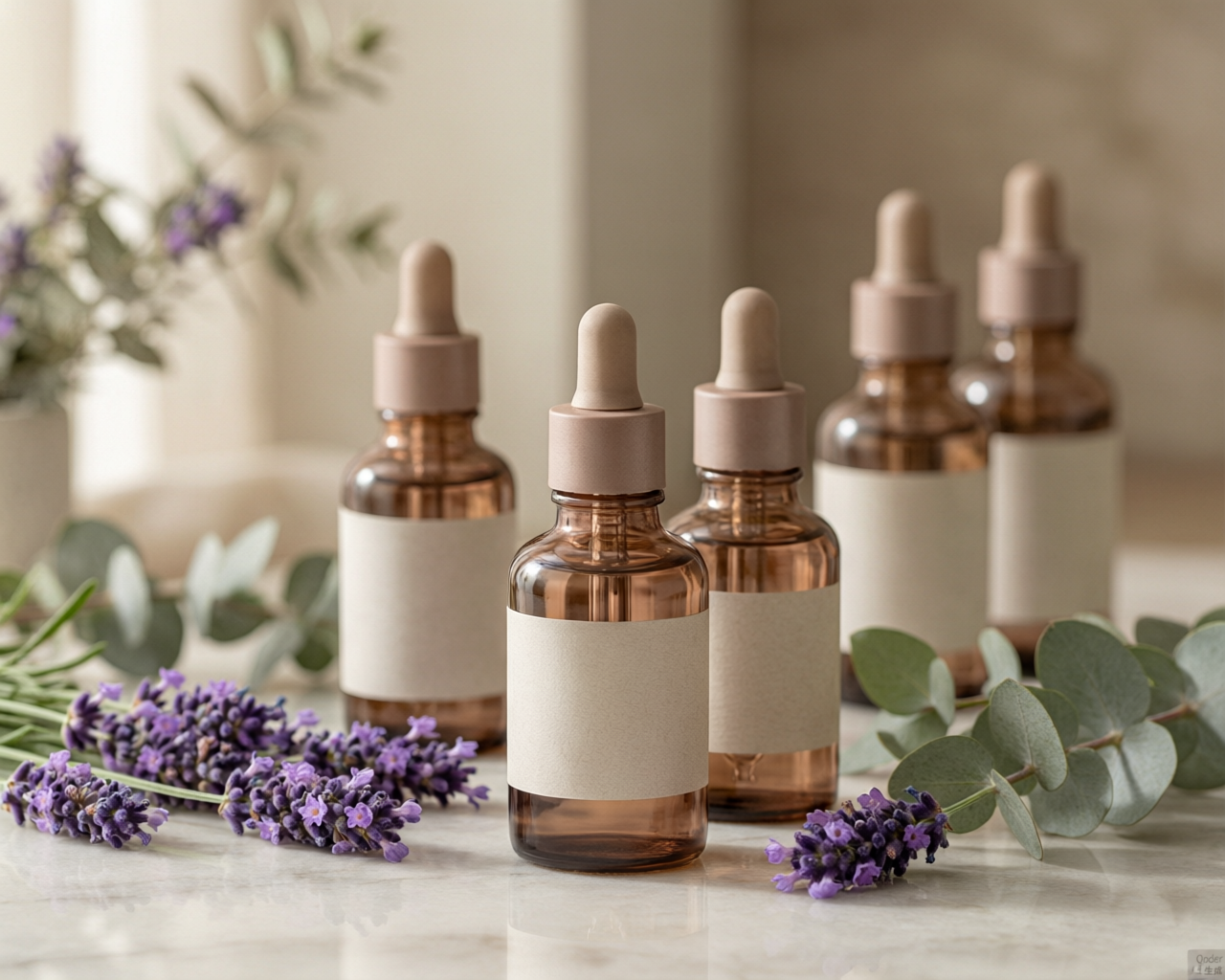
Functional fragrance, scents marketed for sleep, focus, stress relief, or energy, grew 23% year-over-year in North America and Western Europe in 2025. Consumers are not buying “a nice smell”; they are buying an outcome. This shifts formulation requirements: buyers now request lavender-chamomile blends with clinical backing citations, or eucalyptus-peppermint profiles positioned for concentration. If your line lacks a wellness narrative, you are competing on price alone.
Practical implication: expect to provide efficacy claims documentation for EU markets. Aromatherapy positioning without substantiation triggers advertising scrutiny under the EU Unfair Commercial Practices Directive.
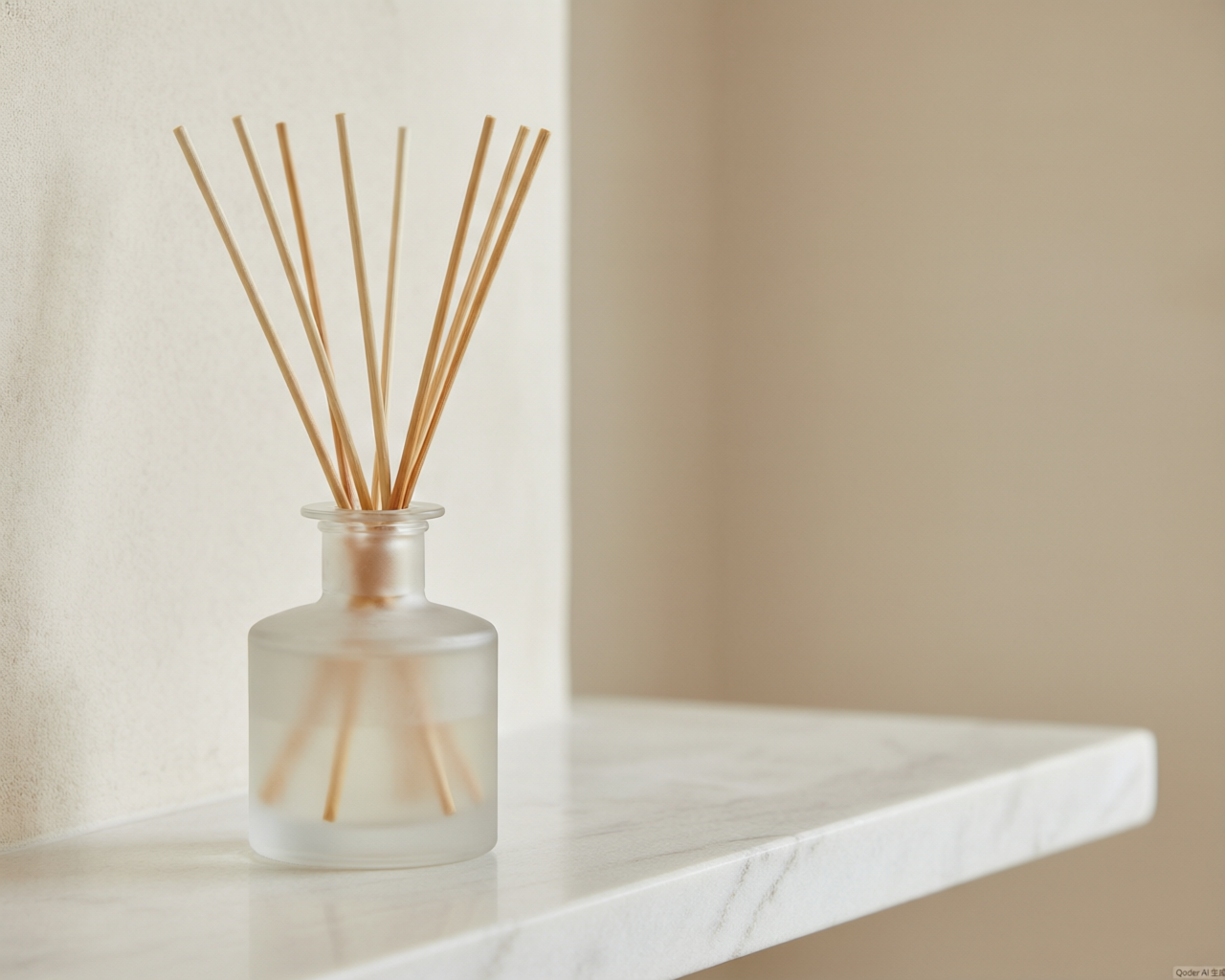
2. Refillable and Modular Diffuser Systems Are Replacing Single-Use Formats
Refillable reed diffusers and plug-in systems grew 31% in unit sales across the EU-5 in 2025. The driver is regulatory as much as consumer preference: France and the Netherlands have introduced extended producer responsibility fees that make single-use glass and plastic formats 8-12% more expensive at the compliance level. Buyers are specifying refill pouches (typically 200ml, LDPE or aluminum-lined) alongside a durable glass or ceramic vessel.
For product planning, this means your MOQ conversation changes. A 3,000-unit vessel order paired with a 10,000-unit refill program produces better per-unit economics than a flat 5,000-unit single-SKU order. Factories that offer both components under one roof reduce your QC overhead significantly.
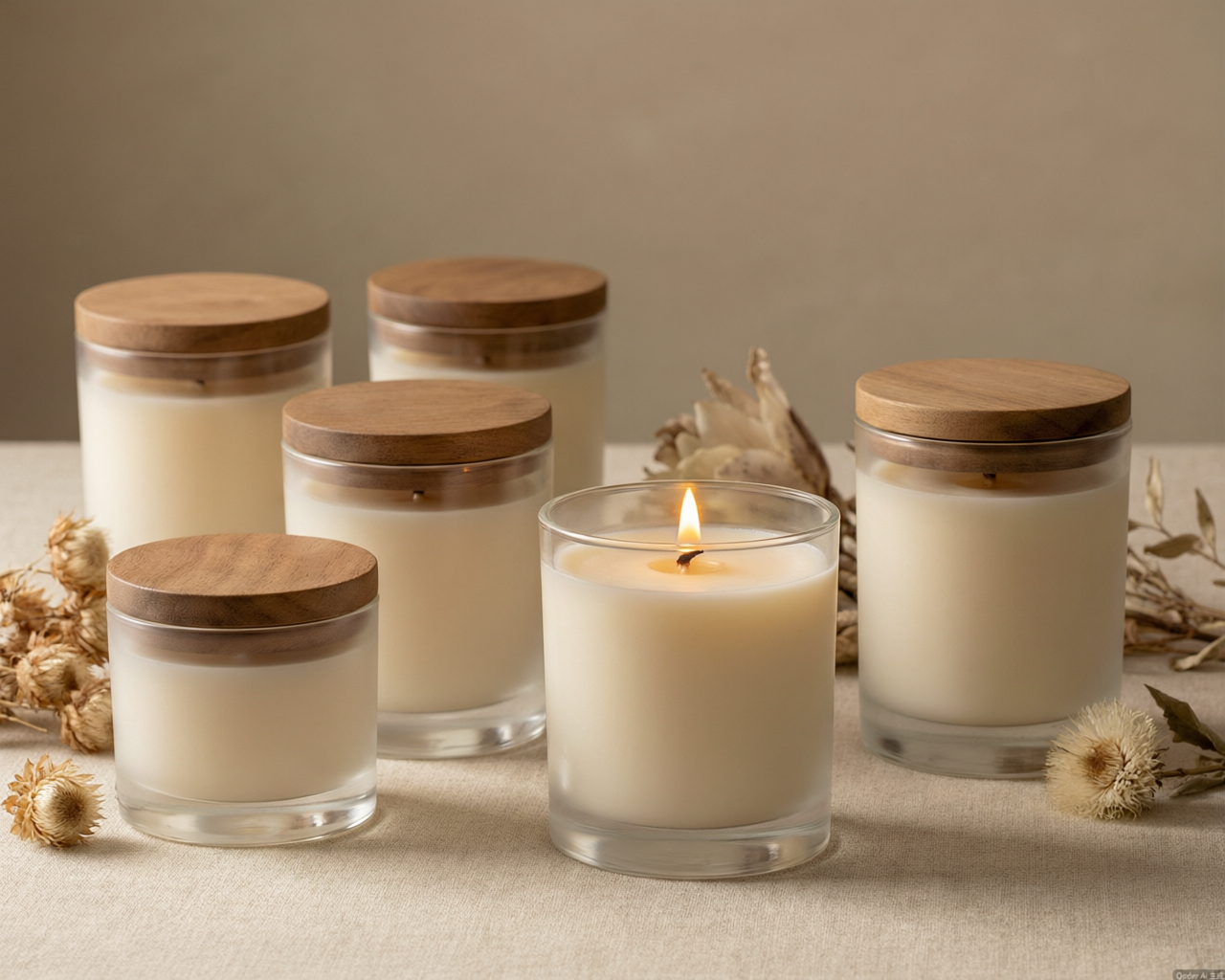
3. Wax Melts and Room Sprays Are Outperforming Traditional Candles in Unit Growth
Candles still hold the largest revenue share (approximately 38%), but unit growth has slowed to 3-4% in mature markets. Wax melts grew 14% and room sprays 11% in 2025. The reason is price accessibility: a wax melt pack retails at $6-10 versus $25-45 for a candle, making it an easier gifting impulse and a lower-risk trial for new customers.
For wholesalers, this means assortment depth matters more than hero SKUs. A 12-scent wax melt range at 500 units per SKU (6,000 total) is a realistic entry order that tests market response without the capital exposure of a full candle program.
4. Gourmand and Biophilic Scent Profiles Are Dominating New Launches
NPD and Circana data from Q1 2026 shows gourmand notes (vanilla, caramel, baked goods, coffee) accounted for 34% of new home fragrance launches, while biophilic profiles (rain, moss, fig leaf, tomato vine, wet stone) grew from 8% to 15% of launches year-over-year. The traditional floral and citrus categories are not declining, but they are no longer driving incremental growth.
Development tip: gourmand fragrances require higher vanilla and ethyl maltol content, which increases raw material cost by 10-18% versus a standard floral blend. Budget accordingly when requesting quotes, and ask your supplier for stability testing data, as high-vanilla formulas discolor wax and diffuser liquid over 6-12 months.
5. Plastic-Free and FSC-Certified Packaging Is Now a Retailer Requirement, Not a Differentiator
Major EU retailers (including chains in Germany, Scandinavia, and the Netherlands) now require FSC-certified paper packaging and prohibit EPS foam inserts as a condition of listing. This is no longer a marketing story; it is a gatekeeping requirement. Buyers who cannot provide chain-of-custody documentation lose shelf access.
Cost impact: FSC-certified rigid boxes run 8-15% higher than conventional equivalents. Soy-based inks add approximately $0.03-0.05 per unit on a standard four-color print. These are manageable deltas, but they must be in your tech pack and your landed-cost model from day one.
6. Middle East Luxury and US Wellness Are the Two Highest-Growth Regional Corridors
The GCC home fragrance market grew 9.2% in 2025, driven by high per-capita spending on oud, amber, and musk profiles in premium formats (ceramic burners, layered bakhoor sets, large-volume diffusers above 300ml). The US market, meanwhile, is fragmenting toward wellness-positioned products in the $20-50 retail band, sold through DTC channels and specialty wellness retailers rather than mass-market.
For sourcing, these two corridors demand different specifications. Middle East orders favor higher fragrance concentrations (15-20% in diffusers versus the 8-12% standard in EU products), heavier vessel weight, and ornate packaging. US wellness buyers prioritize clean ingredient lists, recyclable packaging, and transparent allergen disclosure.
7. Private Label Is Consolidating Toward Fewer, Larger Suppliers
Retailers are reducing their private-label supplier base from 5-8 factories to 2-3, favoring partners who can deliver multi-format ranges (candle plus diffuser plus spray) under one compliance umbrella. The logic is audit efficiency: one factory audit covers three product categories instead of three separate visits.
If you are a brand owner or importer, this trend favors consolidating your own sourcing. A single supplier producing your candle, diffuser, and room spray lines under shared IFRA documentation and unified batch traceability reduces your compliance overhead by an estimated 30-40% versus managing three separate vendor relationships.
What This Means for Your 2026-2027 Product Calendar
Map your development timeline backward from your target retail season. For Q4 2026 gifting, sampling should be complete by August, production confirmed by September, and goods on water by early October. The trends above are not speculative; they are visible in current retail sell-through data. The buyers who adjust their briefs now will have product on shelf while competitors are still requesting quotes.
Aromiso works with importers and brand owners to develop multi-format home fragrance ranges aligned to these market signals, from initial brief through compliance documentation and production scheduling.