Product Comparisons
Fragrance Oil vs Aroma Oil: What's the Difference for Buyers?
Dieser Artikel ist noch nicht auf Deutsch verfügbar. Sie lesen die englische Version.

The terms “fragrance oil” and “aroma oil” appear interchangeably across supplier catalogs, creating confusion for procurement teams writing purchase specifications. In practice, these terms sometimes refer to the same product and sometimes indicate meaningful compositional differences. This guide clarifies the landscape so buyers can write precise RFQs and avoid receiving the wrong material.
Industry Terminology Reality
There is no ISO or IFRA standard that formally distinguishes “fragrance oil” from “aroma oil.” However, in commercial practice:
- Fragrance oil typically refers to a blended aromatic composition designed for a specific application (candles, diffusers, cosmetics). It may contain synthetic aromachemicals, natural isolates, essential oil fractions, carriers, and fixatives.
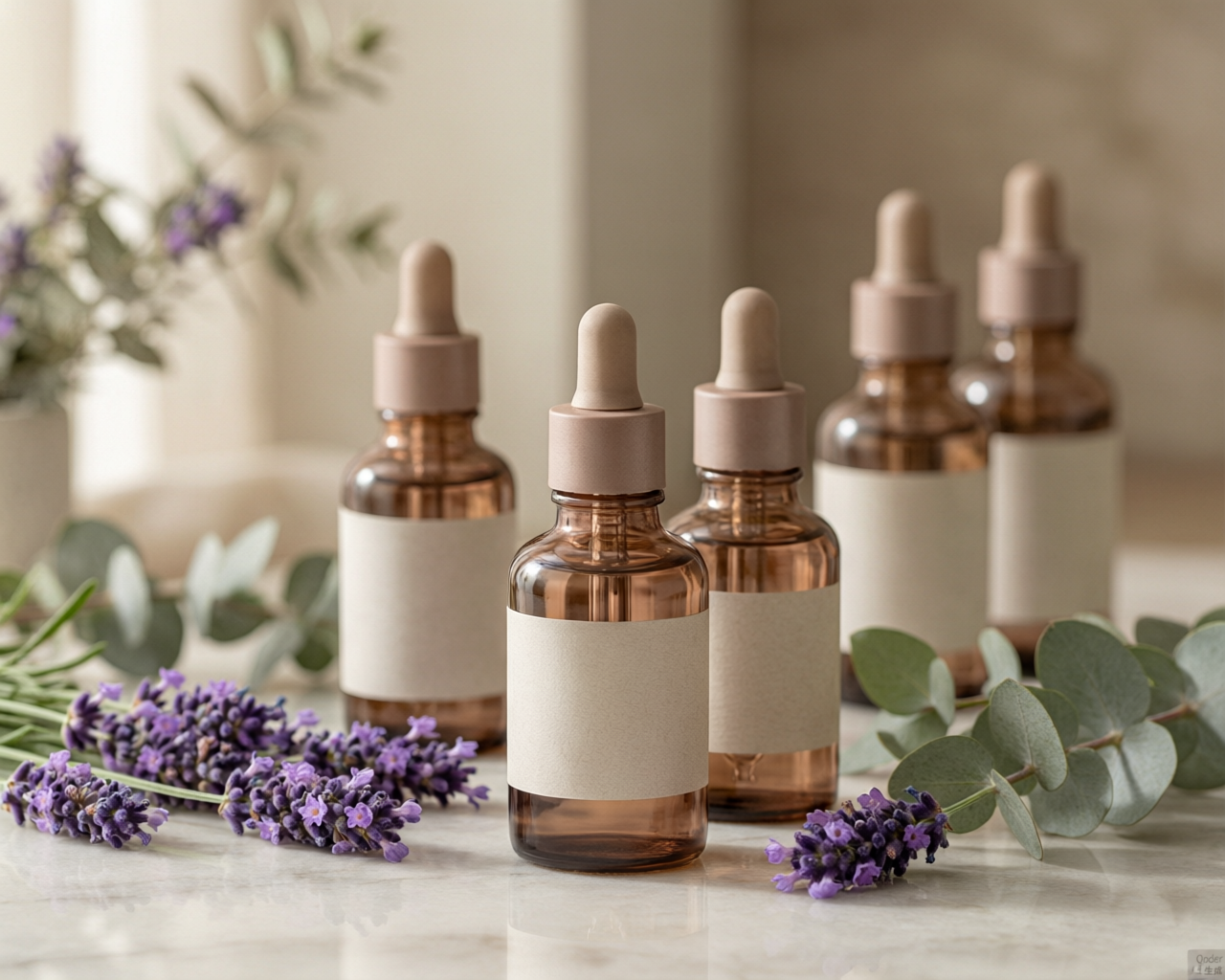
- Aroma oil is used more loosely. In some markets it means the same as fragrance oil. In others, it implies a simpler blend of essential oils diluted in a carrier oil, positioned closer to aromatherapy than perfumery.
The critical point: the label alone does not tell you the composition. Buyers must request GC-MS data, IFRA certificates, and full ingredient disclosure regardless of which term a supplier uses.
Compositional Comparison
| Component | Fragrance Oil (typical) | Aroma Oil (aromatherapy-positioned) |
|---|---|---|
| Synthetic aromachemicals | 40-90% of formula | 0-20% |
| Natural essential oils | 5-40% | 30-80% |
| Natural isolates | 10-30% | 0-10% |
| Carrier/diluent (DPG, IPM) | 10-40% | 20-60% (jojoba, fractionated coconut) |
| Fixatives (musk, amber) | Common | Rare |
| Color | Clear to pale yellow | Pale yellow to amber |
| Viscosity | Low-medium | Medium (oilier) |
Application Suitability
| Application | Fragrance Oil | Aroma Oil |
|---|---|---|
| Scented candles | Excellent (designed for hot throw) | Poor-moderate (carrier oils smoke) |
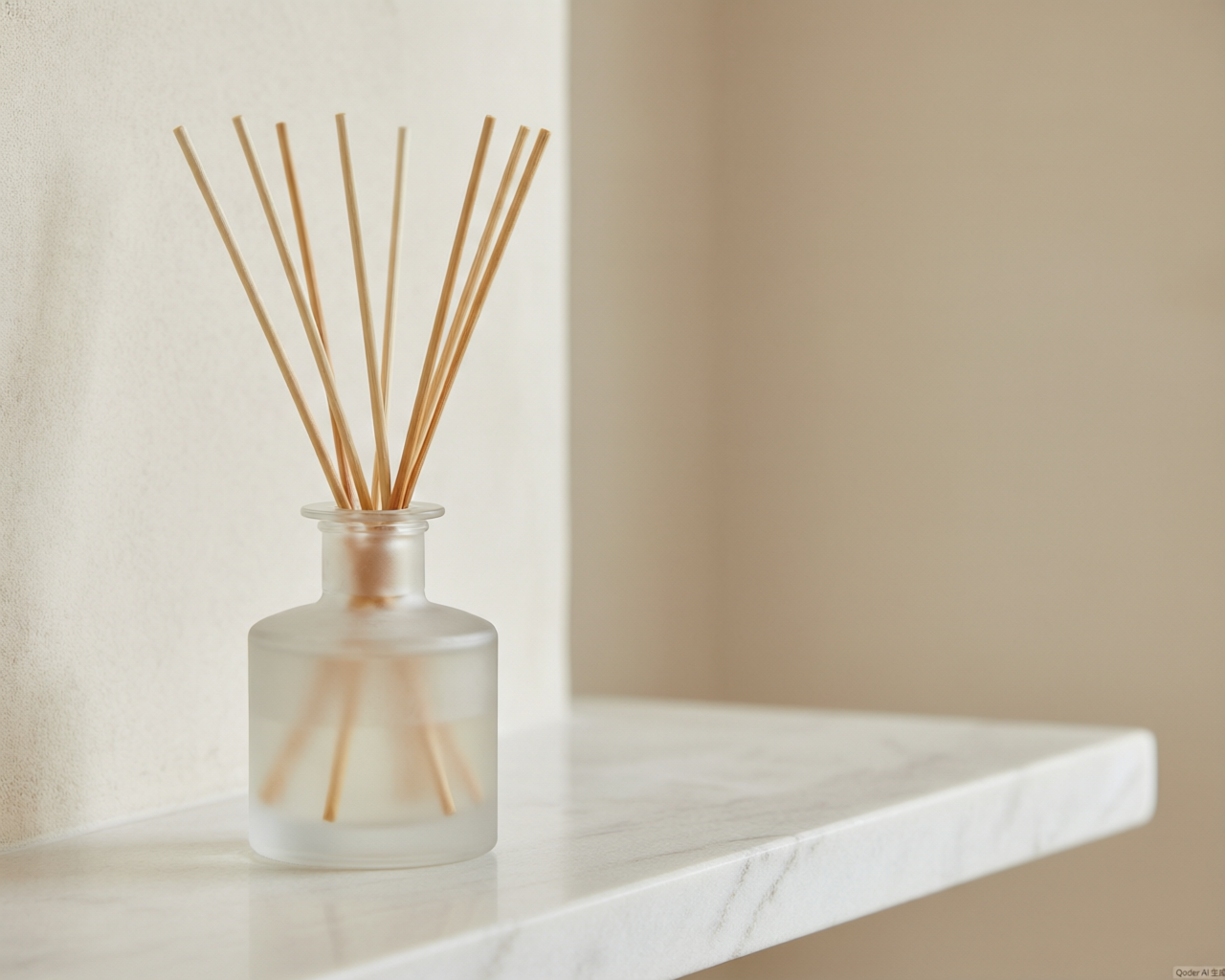
| Reed diffusers | Excellent (soluble in DPM/MMB) | Poor (carrier oils clog reeds) |
| Room sprays | Excellent (alcohol-soluble) | Poor (oil separates in alcohol) |
| Ultrasonic diffusers | Not recommended (too concentrated) | Good (designed for water dilution) |
| Topical/skin (massage, roll-on) | Only if IFRA-compliant for skin | Good (pre-diluted in carrier) |
| Soap making | Good (survives saponification) | Moderate (scent fades in CP soap) |
| Wax melts | Excellent | Poor-moderate |
| HVAC/commercial scenting | Excellent (engineered for nebulization) | Not suitable |
The key distinction is application engineering. Fragrance oils are formulated to perform in a specific medium. Aroma oils are formulated for direct aromatic inhalation or skin contact.
Cost Comparison
| Category | Price per kg (FOB China) | Typical MOQ |
|---|---|---|
| Economy fragrance oil (candle grade) | $12-$30 | 50-100 kg |
| Premium fragrance oil (fine fragrance grade) | $40-$120 | 25-50 kg |
| Aroma oil (essential oil + carrier blend) | $25-$80 | 25-50 kg |
| Pure essential oil (for comparison) | $40-$500+ | 5-50 kg |
Fragrance oils offer the widest price range because complexity varies enormously. A simple “vanilla” fragrance at $15/kg contains 8-12 ingredients. A complex “oud and saffron” composition at $100/kg may contain 60+ ingredients.
Performance Specifications Buyers Should Request
Regardless of terminology, every oil purchase order should specify:
| Specification | Why It Matters |
|---|---|
| GC-MS chromatogram | Verifies composition, detects adulteration |
| IFRA certificate (category-specific) | Confirms safe usage level for your application |
| Flash point (closed cup) | Determines shipping classification, candle safety |
| Specific gravity at 25C | Quality control, fill-weight accuracy |
| Color (Gardner scale) | Batch consistency, staining risk |
| Solubility in target medium | Prevents clouding, separation, clogging |
| Stability data (accelerated aging) | Shelf life prediction |
| Allergen declaration (EU 26) | Regulatory labeling compliance |
| Phthalate-free statement | Market access (EU, California) |
| Vegan/cruelty-free statement | Brand positioning requirements |
Common Buyer Mistakes
-
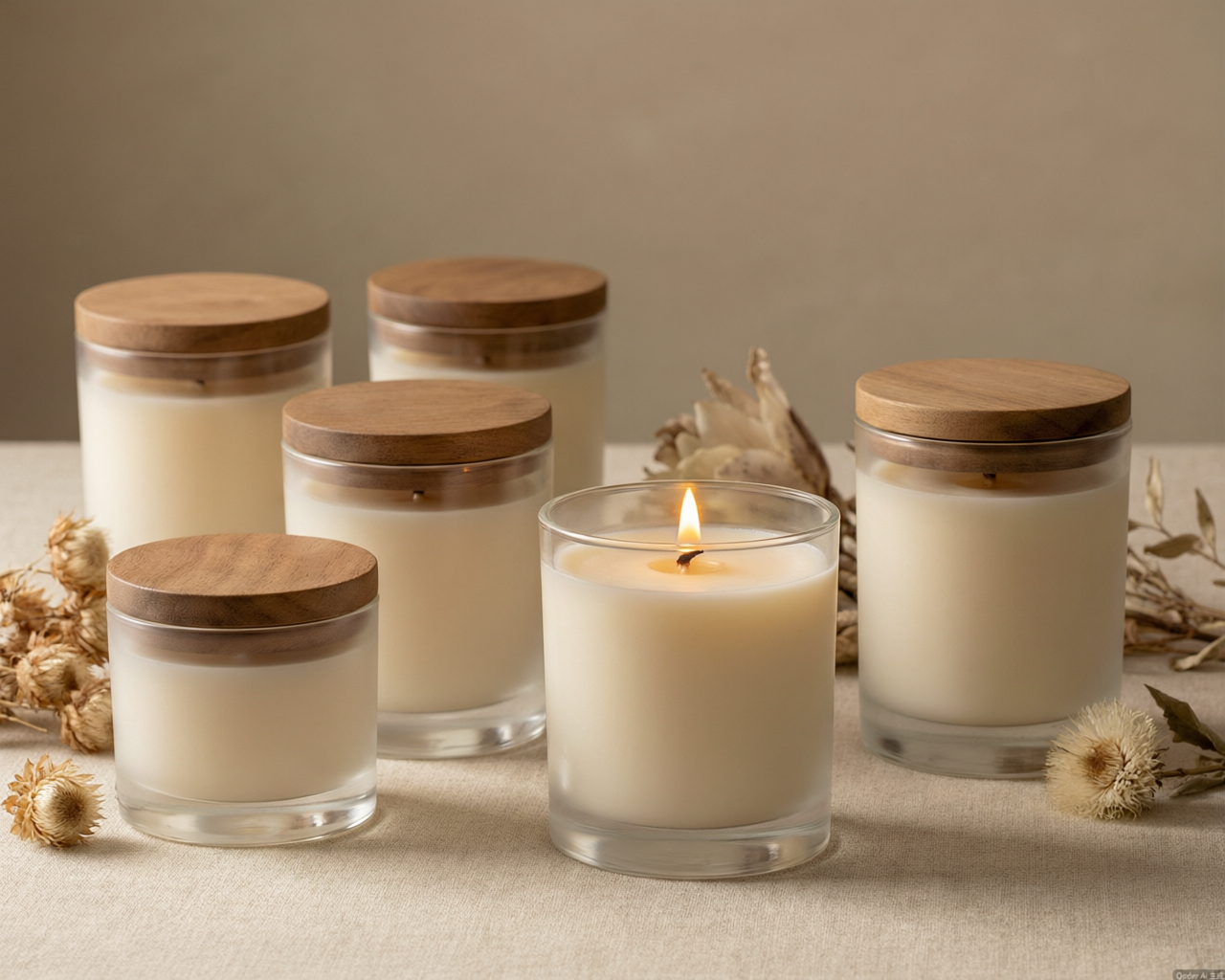
Ordering “aroma oil” for candle production. Carrier-oil-based aroma oils produce soot, poor hot throw, and can clog wicks. Always specify “candle-grade fragrance oil” with a flash point above 93C.
-
Assuming “aroma oil” means “natural.” Many products labeled aroma oil contain 50%+ synthetic components. Request full disclosure.
-
Comparing prices without matching concentration. A $20/kg aroma oil diluted to 30% in jojoba delivers less aromatic material than a $35/kg fragrance oil at 100% active. Calculate cost per unit of aromatic content.
-
Ignoring application-specific IFRA categories. An oil safe at 10% in a diffuser (Category 12) may be restricted to 0.5% in a leave-on cosmetic (Category 4). Always request the certificate for your specific product category.
Sourcing from Chinese Factories
China produces an estimated 60-70% of the world’s fragrance oils for home fragrance applications. Key production clusters:
| Region | Specialization | Typical Price Level |
|---|---|---|
| Shanghai/Jiangsu | Fine fragrance, cosmetic-grade | Premium |
| Guangdong (Guangzhou) | Home fragrance, candle-grade | Mid-range |
| Fujian | Economy fragrance, soap-grade | Budget |
| Yunnan/Guangxi | Natural essential oil extraction | Variable |
When sourcing, verify:
- Factory holds ISO 9001 and ISO 14001 certifications
- In-house GC-MS lab for batch verification
- IFRA membership or compliance program
- REACH registration for EU exports
- Ability to provide 12-month stability data
Making Your Specification Clear
Instead of writing “aroma oil” or “fragrance oil” on a purchase order, specify:
“Custom fragrance oil, candle-grade, flash point minimum 93C, IFRA Category 12 compliant, phthalate-free, paraben-free, soluble in soy wax at 10% load without seepage, scent profile: [description], target cost: $XX/kg at [MOQ].”
This eliminates ambiguity and ensures the factory quotes the correct material.
At Aromiso, our fragrance development lab produces both application-specific fragrance oils and aromatherapy-positioned blends. Every formula ships with full GC-MS, IFRA certification, and application test data. We recommend buyers request samples in their actual product medium before approving bulk orders.