Product Comparisons
Wholesale vs Private Label Fragrance: Business Model Comparison
Dieser Artikel ist noch nicht auf Deutsch verfügbar. Sie lesen die englische Version.
For retailers, distributors, and entrepreneurs entering the fragrance market, one of the first strategic decisions is whether to buy wholesale products to resell or to build a private label brand manufactured to your specification. Both are legitimate paths, but they differ profoundly in margin potential, brand control, capital requirements, and risk. This comparison lays out the economics and trade-offs so B2B buyers can choose the model that fits their goals.
Defining the Two Models
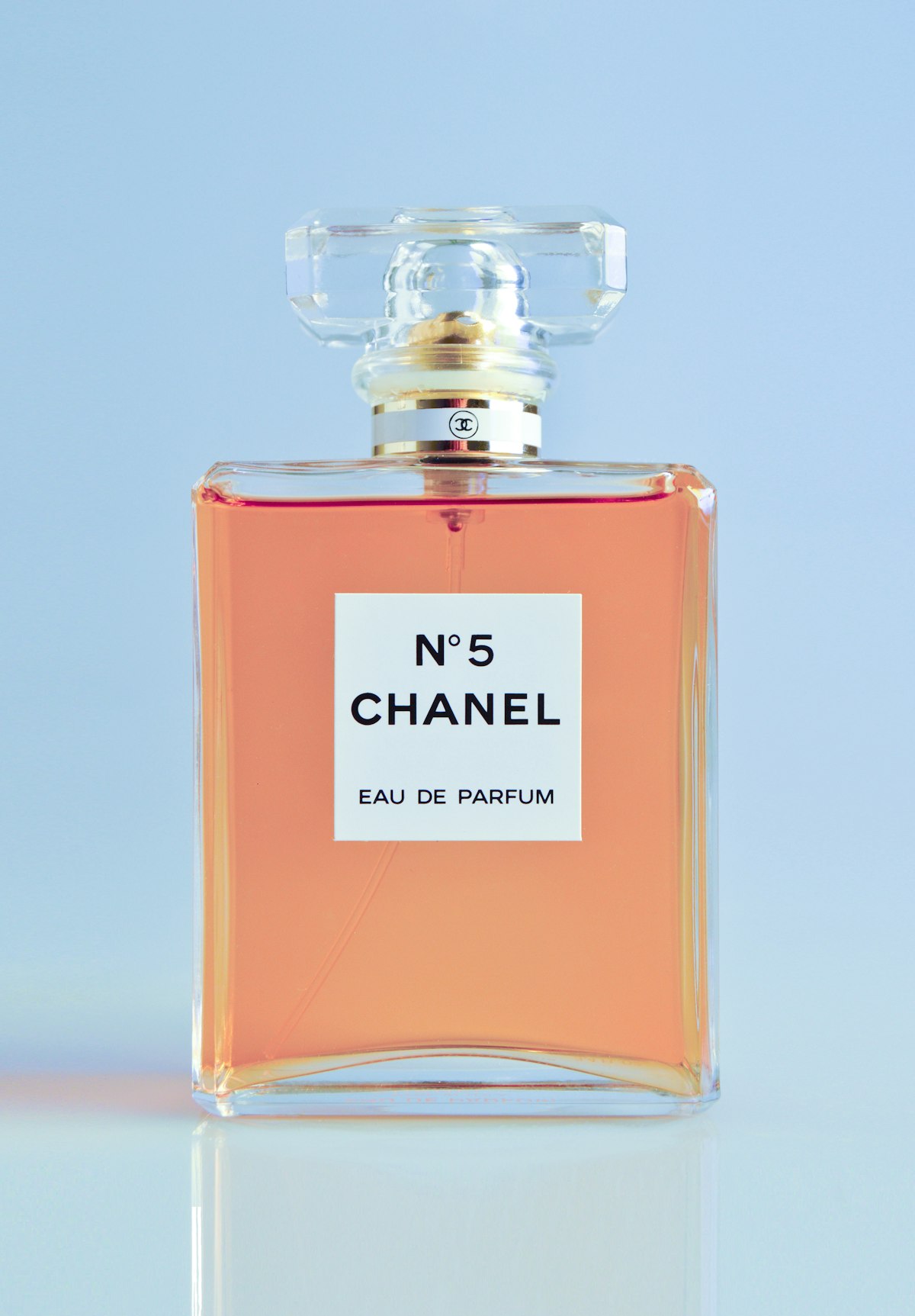
Buying wholesale means purchasing finished, branded fragrance products from a manufacturer or distributor at a trade price and reselling them under the maker’s brand. You are a retailer or distributor of someone else’s product.
Private label means contracting a manufacturer to produce fragrance products to your specification, sold under your own brand name. You own the brand, the customer relationship, and the product definition, while the factory handles production.
Margin Comparison
Margin is usually the deciding factor. Wholesale margins are constrained because the manufacturer must also earn a profit and the brand owner captures the premium. Private label margins are higher because you capture the brand premium yourself.
| Factor | Wholesale Resale | Private Label |
|---|---|---|
| Typical gross margin | 25 to 50 percent | 55 to 80 percent |
| Pricing control | Limited by brand and market | Full control |
| Brand equity ownership | None, belongs to maker | Yours |
| Repeat purchase loyalty | To the product brand | To your brand |
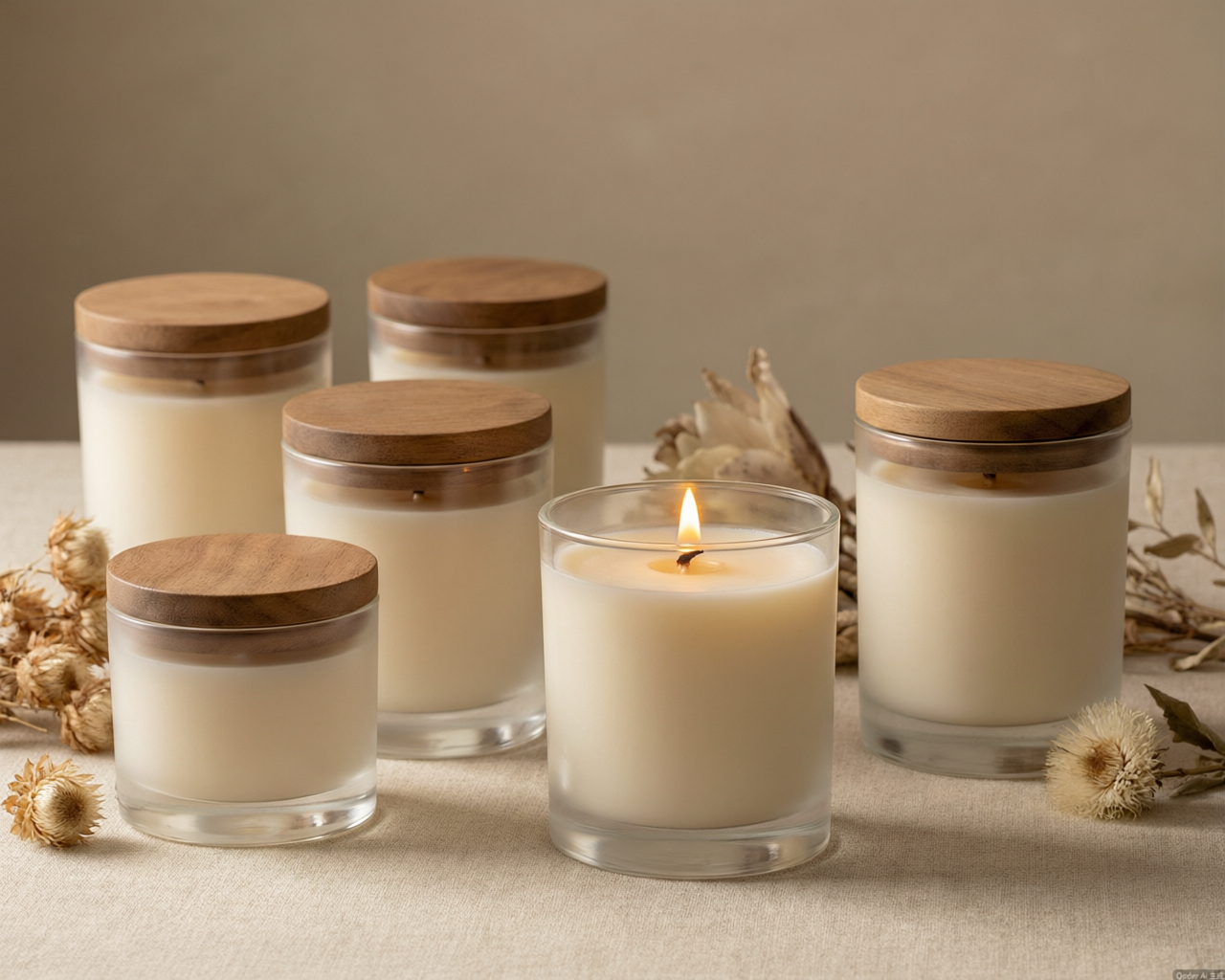
A retailer reselling a wholesale candle might buy at $12 and sell at $24, a 50 percent margin. A private label brand might produce a comparable candle for $3.50 and sell at $24, capturing far more value and building an asset it owns.
Control and Differentiation
Wholesale offers little differentiation. You sell the same products as every other retailer carrying that brand, competing largely on price, location, and service. You cannot change the formula, packaging, or positioning.
Private label offers full control. You choose the fragrances, the vessels, the packaging, and the story. This lets you differentiate sharply and respond to your specific customer. It also means your product cannot be directly price-compared against an identical item sold elsewhere, which protects margin.
Capital and Minimum Order Requirements
Wholesale generally requires less upfront capital. Minimum orders are often lower, and you avoid development costs such as fragrance creation, packaging design, and sampling. You can stock a range quickly and test demand with limited risk.
Private label requires more upfront investment. There are sampling costs, fragrance development, packaging tooling or selection, and higher minimum order quantities, often 500 to 1,000 units per product or more. The capital commitment is greater, but so is the long-term return if the brand succeeds.
| Requirement | Wholesale | Private Label |
|---|---|---|
| Upfront capital | Low | Moderate to high |
| Minimum order quantity | Low | Higher, per SKU |
| Development time | Minimal | 30 to 60 days typical |
| Inventory risk | Lower | Higher |
Risk Profile
Wholesale carries lower product risk. The products are proven, the formulations are tested, and demand is established. The main risk is margin compression and dependence on a brand you do not control, which can change terms, sell direct, or discontinue products.
Private label carries higher execution risk. You must validate demand, manage inventory, and build brand awareness. But you eliminate the strategic risk of depending on someone else’s brand, and you build an asset with resale value. A successful private label brand is a business you own; a wholesale resale operation is largely a distribution function.
Time to Market
Wholesale is faster. You can place an order and have sellable product in weeks. Private label takes longer because of sampling, formulation, and production lead times, typically 30 to 60 days from confirmed specification to finished goods. For a buyer who needs to stock shelves immediately, wholesale wins on speed. For a buyer building a durable business, the extra time is an investment.
Choosing the Right Model
The decision should reflect your objectives and resources:
- Retailers testing a category. Wholesale lets you add fragrance with low risk and fast turnaround.
- Entrepreneurs building a brand. Private label is the only path to owning brand equity and capturing full margin.
- Established retailers seeking differentiation. Private label exclusives protect margin and set you apart.
- Hybrid approach. Many businesses resell wholesale brands for breadth while developing private label lines for margin and identity.
A hybrid strategy is common and sensible. Wholesale fills out the assortment and drives traffic, while private label builds the proprietary margin and brand that create long-term value.
How Aromiso Supports Private Label Growth
Aromiso specializes in private label fragrance, candle, and home fragrance manufacturing, helping buyers move from reselling to owning their brand. We offer low minimum order quantities for testing, fragrance development, packaging sourcing, and full compliance documentation. Our team can guide you through sampling, cost modeling, and production so the transition to private label is manageable and profitable.
Wholesale is a way to sell products. Private label is a way to build a business. The buyers who thrive are those who understand the difference and choose deliberately, often using wholesale to learn the market and private label to own it.