Trends & Innovation
Luxury Niche Home Fragrance: Premium Positioning & Pricing Strategy
Esta guía aún no está disponible en español. La estás viendo en inglés.
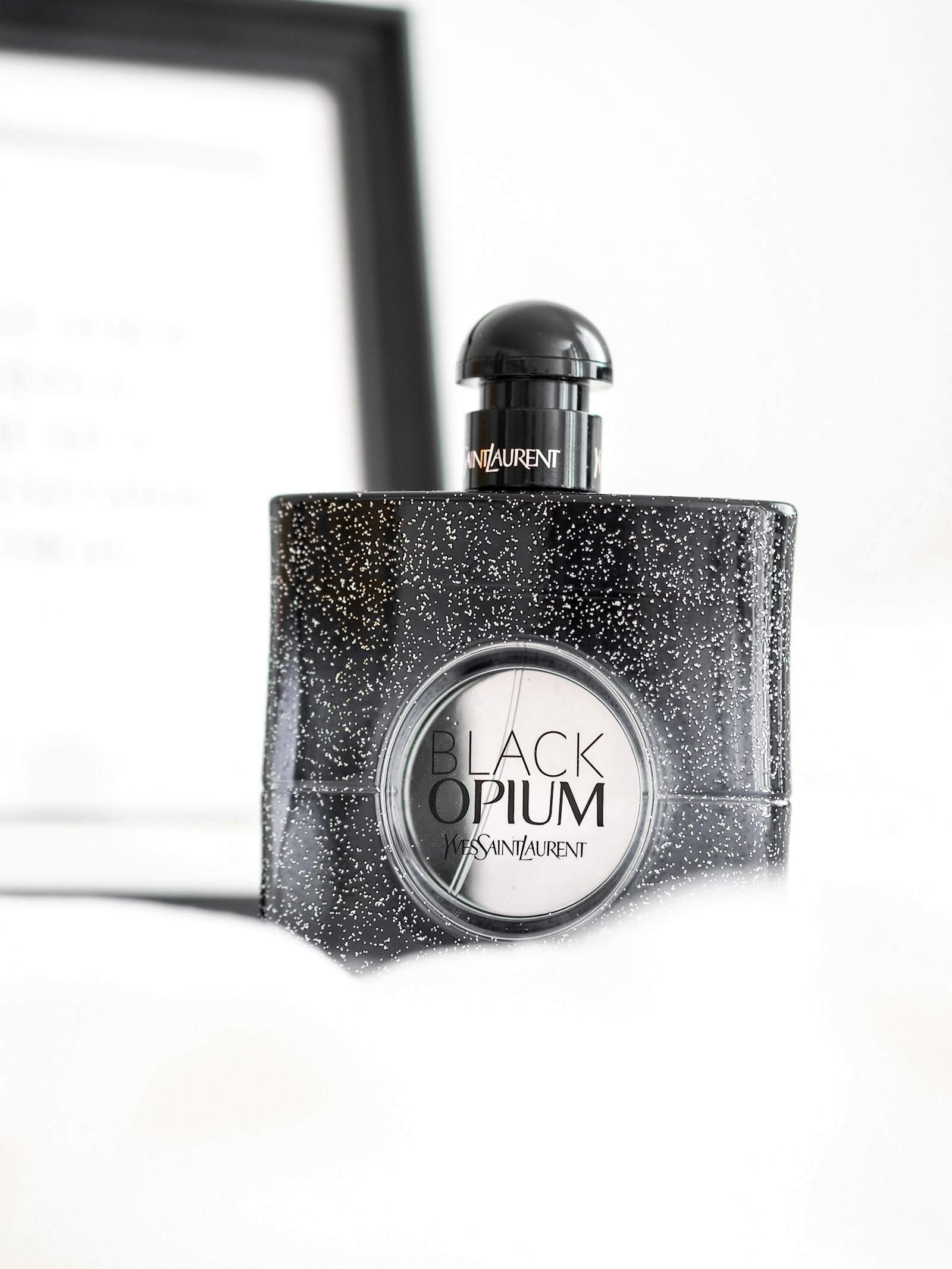
The luxury home fragrance segment is growing at 9.2% CAGR through 2028, yet most new entrants fail at pricing. They source a decent candle or reed diffuser, add a premium label, and list it at $85 — then wonder why conversion stalls. The problem is rarely the product itself. It is the absence of a coherent positioning architecture that justifies the price at every touchpoint, from raw material provenance to unboxing experience. Procurement teams and brand founders who treat “luxury” as a markup rather than a system consistently lose to competitors who engineer perceived value into the supply chain.
This guide breaks down how to build a defensible luxury niche home fragrance brand from the manufacturing level up. You will find specific cost benchmarks for premium materials, a pricing framework used by successful niche candle brands, and a checklist for vetting OEM partners who can deliver true luxury-grade output. Whether you are launching a private-label line for boutique retail or scaling an existing DTC fragrance brand, the principles below apply directly to sourcing decisions you will make in the next two quarters.
What Defines “Luxury Niche” in Home Fragrance
Luxury niche is not a price point. It is a set of constraints that limit distribution, elevate material quality, and create narrative scarcity. A mass-market candle sells 50,000 units per SKU through big-box retail. A luxury niche candle brand caps production at 2,000-5,000 units per pour, uses single-origin or proprietary fragrance oils, and sells through fewer than 40 retail doors plus its own channel.
Key differentiators that buyers and end consumers evaluate:
- Fragrance oil concentration: Luxury candles use 10-12% fragrance load versus 6-8% in mass products. Reed diffusers in the premium tier run 20-25% aromatic compound versus 10-15% standard.
- Wax and carrier quality: Coconut-soy blends, pure soy, or beeswax command a 30-50% material premium over paraffin. Luxury brands avoid paraffin entirely due to consumer perception and clean-burn claims.
- Vessel and hardware: Hand-blown glass, ceramic, or reusable metal containers add $3.50-$9.00 per unit in landed cost but support 3-4x retail markup.
- Distribution discipline: Fewer than 50 wholesale accounts. No marketplace discounting. Waitlists or seasonal drops for hero SKUs.
If your OEM cannot document fragrance load percentages, wax blend ratios, and vessel sourcing options, they are not equipped for luxury production.
Positioning Framework: Choose Your Niche Axis
Premium scent positioning requires a clear axis of differentiation. Attempting to be “luxury for everyone” collapses your pricing power. The most successful niche candle brands anchor on one primary axis and one secondary axis.
| Positioning Axis | Example Brands | Price Range (200g candle) | Key Buyer Signal |
|---|---|---|---|
| Ingredient provenance | Cire Trudon, Fornasetti | $95-$210 | Single-origin botanicals, harvest-year labeling |
| Artisan craft narrative | Trudon, D.S. & Durga | $75-$180 | Hand-poured, small-batch numbering |
| Design and object value | Fornasetti, Mad et Len | $120-$450 | Collectible vessels, artist collaborations |
| Wellness and functionality | Aesop, Le Labo Home | $65-$140 | Aromatherapy claims, clean ingredient lists |
| Cultural and place storytelling | Diptyque, Baobab | $70-$195 | Origin stories, limited geographic editions |
Action step: Map your brand to one primary axis. Then audit your current or planned product spec sheet. Every material choice, packaging decision, and marketing claim must reinforce that single axis. If you choose “ingredient provenance,” your OEM must provide COA (Certificate of Analysis) documentation for every fragrance oil lot, and your packaging must reference origin data.
Cost Architecture for Luxury-Grade Products
Understanding true unit economics prevents underpricing. Below is a realistic cost breakdown for a 250g luxury soy-coconut candle with a hand-finished glass vessel, sourced through a Chinese OEM at 1,000-unit MOQ.
| Cost Component | Standard Tier | Luxury Tier | Delta |
|---|---|---|---|
| Wax blend (per unit) | $0.80 | $1.90 | +137% |
| Fragrance oil (10-12% load) | $1.10 | $3.20 | +191% |
| Vessel (glass/ceramic) | $1.20 | $5.50 | +358% |
| Wick and hardware | $0.25 | $0.60 | +140% |
| Packaging (box, insert, wrap) | $0.90 | $3.80 | +322% |
| Labor and QC | $0.75 | $1.60 | +113% |
| Total FOB unit cost | $5.00 | $16.60 | +232% |
Critical insight: Fragrance oil is your highest-leverage cost. A $3.20 oil blend from a Grasse-trained perfumer or a specialty house (versus a $1.10 generic compound) is what creates the scent complexity that justifies $120+ retail. Do not cut this line item. Instead, negotiate volume pricing at 3,000+ unit commitments to bring the per-unit oil cost down 15-20%.
For reed diffusers, the luxury cost structure shifts further toward the aromatic compound and the vessel. A 200ml premium reed diffuser with rattan sticks and a decorative glass bottle runs $12-$22 FOB at luxury spec. Browse the product catalog for current format options and baseline pricing.
Luxury Candle Pricing: The 6-8x Rule and Its Exceptions
Niche candle brands that sustain margins above 70% gross typically price at 6-8x FOB cost. A $16.60 landed unit cost supports a $99-$133 retail price. However, three conditions must hold:
- Brand narrative investment: You must spend $8,000-$25,000 on brand identity, photography, and launch content before the first unit ships. This amortizes across your first production run.
- Channel margin structure: Wholesale at 50% of retail means your wholesale price is $50-$66. Your FOB cost of $16.60 leaves $33-$50 gross per wholesale unit — viable but tight. DTC at full retail is where margin expands.
- Perceived scarcity mechanics: Limited runs of 500-2,000 units per SKU create urgency. Numbered editions and seasonal retirements prevent discount expectations.
Pricing checklist before launch:
- Calculate fully landed cost (FOB + freight + duty + warehousing). For China-to-US shipments, add 18-25% on top of FOB.
- Set DTC retail at 6-8x landed cost.
- Set wholesale at 45-50% of DTC retail.
- Confirm minimum 65% gross margin at wholesale after all COGS.
- Model a 15% return/damage rate for glass vessels into your margin.
Selecting an OEM Partner for Premium Production
Not every Chinese fragrance manufacturer can execute luxury spec. The gap between a $5 candle factory and a luxury-capable OEM is significant. Use this vetting checklist when evaluating partners through the OEM program:
- Fragrance development capability: Can they compound custom scents in-house, or do they only work from your supplied oil? Luxury positioning demands a dedicated perfumer or partnership with a fragrance house.
- Material traceability: Request COA and SDS (Safety Data Sheet) for every component. Premium buyers in the EU and US require IFRA compliance documentation and allergen declarations.
- Vessel customization: Confirm whether they own mold-making capability or outsource it. In-house tooling reduces lead time by 3-4 weeks and allows iterative prototyping.
- QC and defect rates: Acceptable defect rate for luxury goods is below 1.5%. Ask for their current rate and their replacement policy.
- MOQ flexibility: Luxury launches often start at 500-1,000 units per SKU. Confirm the OEM supports low initial runs without punitive per-unit surcharges above 20%.
- Compliance certifications: ISO 9001, BSCI or Sedex audit, and product-specific certifications (CPSC for US, CLP/REACH for EU).
Timeline benchmark: From initial brief to first production shipment, expect 10-14 weeks for a luxury candle line with custom vessel and proprietary scent. Rush timelines under 8 weeks compromise QC.
Packaging as a Value Multiplier
In luxury home fragrance, packaging is not protection — it is product. Unboxing experience drives social sharing, repeat purchase, and perceived value. Budget allocation should reflect this.
Packaging specifications that signal luxury:
- Rigid box with magnetic closure: Adds $2.20-$4.00 per unit versus a folding carton. Use 1200gsm+ board with soft-touch lamination.
- Interior fitment: EVA foam or molded pulp cradle prevents vessel movement and signals engineering care. Budget $0.80-$1.50 per unit.
- Printed collateral: Scent story card, care instructions on cotton paper, and a founder’s note. Cost: $0.40-$0.90 per set.
- External shipping protection: Double-wall corrugate with branded tape. This is non-negotiable for glass vessels. Add $0.60-$1.10.
Total packaging investment for a luxury candle: $4.00-$7.50 per unit. This represents 24-45% of your FOB cost — and it is money well spent. Brands that under-invest in packaging see 2-3x higher damage rates and significantly lower Net Promoter Scores.
Building the Scent Portfolio: Hero, Seasonal, and Core
Luxury niche brands do not launch with 12 SKUs. A disciplined portfolio structure protects margins and sharpens brand identity.
Recommended launch structure:
- 1 hero SKU: Your signature scent. This is the fragrance that defines the brand. Allocate 60% of initial production volume here. Invest in custom fragrance development ($4,000-$12,000 for a proprietary formula).
- 2 core supporting scents: Complementary fragrances that extend the olfactory family. These capture buyers who want variety without diluting brand identity.
- 1 seasonal limited edition: Released quarterly in runs of 300-800 units. Creates urgency and press coverage. Retire it permanently after sell-through.
Scent development timeline: Brief to approved formula takes 6-10 weeks with an experienced OEM perfumer. Include 3 revision rounds in your contract. Each revision round should deliver 3-5 variants for blind evaluation.
Compliance and Market Entry Considerations
Luxury positioning amplifies the cost of compliance failures. A single recall or regulatory action destroys the trust that premium pricing depends on.
- US market: CPSC candle safety standard (ASTM F2417), California Prop 65 labeling for specific fragrance allergens, and state-level VOC regulations.
- EU market: CLP Regulation (EC 1272/2008) for classification and labeling, REACH registration for chemical substances, and IFRA Standards for fragrance ingredient restrictions.
- UK market: UK CLP post-Brexit, plus UKCA marking requirements for certain product categories.
Action step: Before committing to production, request a full compliance package from your OEM. It should include SDS for every raw material, finished-product test reports (flash point, burn rate, allergen panel), and label artwork pre-approved for your target markets. Budget $1,500-$3,500 for third-party lab verification if selling into the EU or US.
Next Steps
Building a luxury niche home fragrance brand is a manufacturing discipline problem before it is a marketing problem. The brands that sustain premium pricing are the ones that engineered value into every gram of wax, every milliliter of oil, and every square centimeter of packaging — before a single ad was purchased.
Your immediate action plan:
- Define your primary positioning axis using the framework above. Write a one-sentence positioning statement.
- Audit your target unit economics against the 6-8x pricing rule. If the math does not work at your target retail, adjust material spec or channel mix before proceeding.
- Shortlist 2-3 OEM partners with demonstrated luxury capability. Use the vetting checklist in this guide.
- Request samples at full luxury spec — not downgraded prototypes. Evaluate scent throw, burn quality, vessel finish, and packaging integrity.
- Negotiate a 1,000-unit pilot run with your chosen partner. Structure the contract to include 3 fragrance revision rounds and a sub-1.5% defect guarantee.
To explore current luxury-grade formats and material options, review the product catalog. For custom development with dedicated perfumer support and full compliance documentation, apply through the OEM program. When you are ready to discuss specifications, volumes, and timelines for your brand, request a quote and our team will respond within 24 hours with a detailed proposal.