Trends & Innovation
Biotech Fragrance Ingredients: Lab-Grown & Fermented Scent Molecules
Esta guía aún no está disponible en español. La estás viendo en inglés.
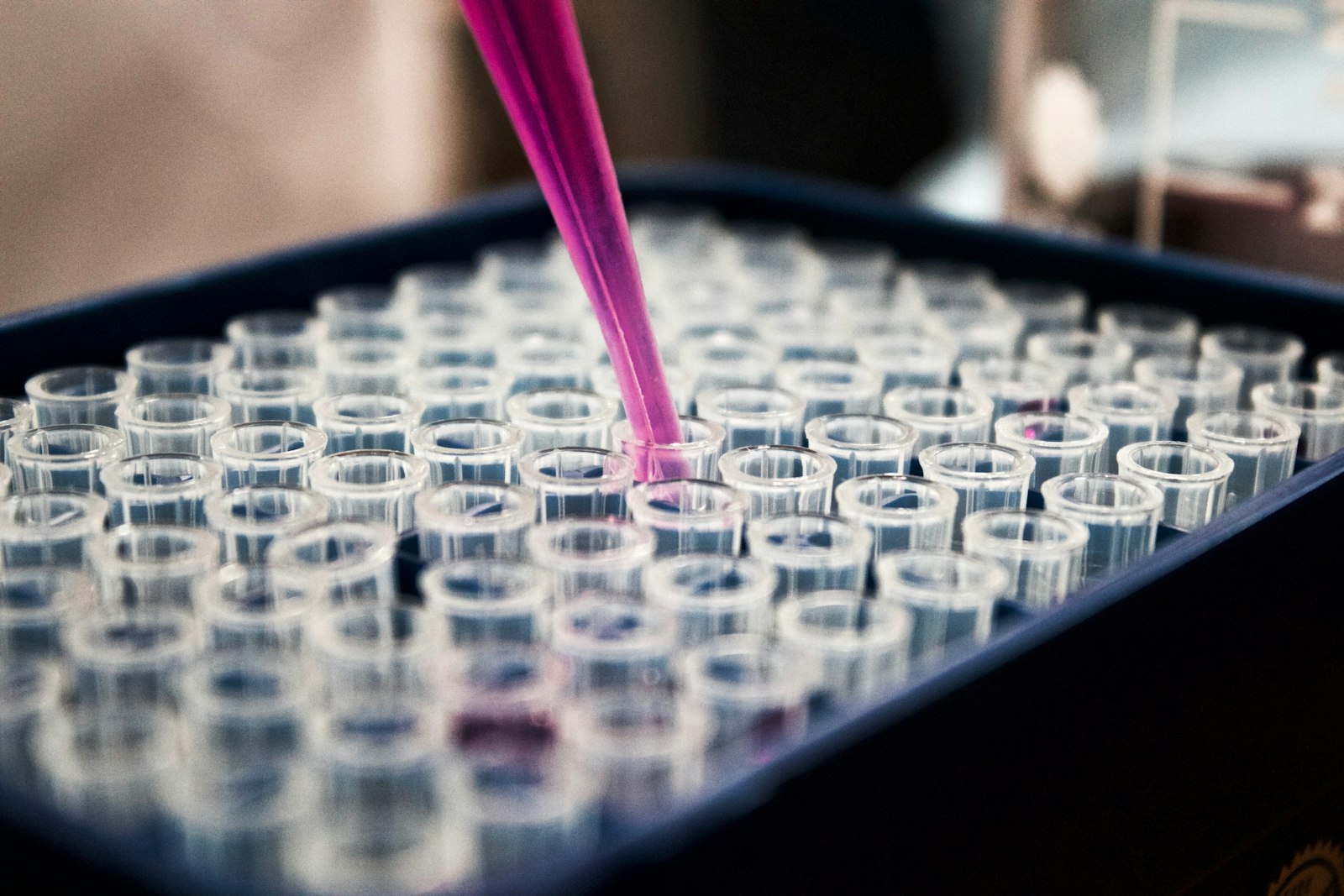
If you source fragrance ingredients at scale, you have felt the squeeze: natural raw material prices swinging 15-40% year over year, IFRA restrictions tightening on over 200 substances since 2020, and consumers demanding “clean” labels without sacrificing scent complexity. Traditional supply chains for sandalwood, oud, and musk derivatives carry geopolitical risk, seasonal variability, and batch inconsistency that make long-term product planning a gamble. For procurement teams building 2026-2027 product roadmaps, these pressures are no longer manageable through supplier diversification alone.
Biotech fragrance ingredients — molecules produced through fermentation, enzymatic synthesis, and engineered microorganisms — offer a structural solution. These are not vague “green chemistry” marketing claims. They are drop-in replacements with defined CAS numbers, reproducible GC-MS profiles, and unit costs that have fallen 30-60% since 2021 as fermentation capacity in China and Southeast Asia has scaled. This guide breaks down what these ingredients actually are, where they fit in a commercial formulation, what they cost, and how to vet suppliers so your next product line ships on time without reformulation surprises.
What Biotech Fragrance Ingredients Actually Are
Biotech fragrance ingredients are aroma molecules produced by living organisms (yeast, bacteria, fungi) that have been engineered or selected to convert cheap feedstocks — sugar, glycerol, plant waste — into high-value scent compounds. The output is chemically identical to the molecule found in nature, but produced in a controlled bioreactor rather than extracted from a scarce plant or animal source.
Three production pathways dominate the market:
- Precision fermentation: Engineered yeast (typically Saccharomyces cerevisiae) produces target molecules such as nootkatone, valencene, and santalol at titers of 5-40 g/L. Companies like Ginkgo Bioworks, Amyris (now part of Givaudan’s supply network), and Chinese firms such as EnzymeWorks operate at this scale.
- Enzymatic biocatalysis: Isolated enzymes convert precursor molecules in a single-step reaction. This route produces esters (linalyl acetate, geranyl acetate) at 95%+ purity with minimal byproducts.
- Whole-cell bioconversion: Resting cells of Pseudomonas or Corynebacterium species transform terpenes into oxygenated derivatives (e.g., limonene to carveol). Lower capital cost but slower throughput.
For a buyer, the practical distinction matters: fermentation-derived ingredients arrive as crude broths requiring downstream purification, while enzymatic routes deliver higher initial purity but at a higher per-kilogram enzyme cost.
Cost Comparison: Biotech vs. Traditional Sourcing
The table below reflects 2025-2026 wholesale pricing for key molecules, based on quotes from Chinese and European ingredient suppliers at 100 kg minimum order quantities.
| Molecule | Traditional Source | Traditional Price (USD/kg) | Biotech Route | Biotech Price (USD/kg) | Price Trend (2023-2026) |
|---|---|---|---|---|---|
| Nootkatone | Grapefruit peel extraction | 4,000-6,500 | Yeast fermentation | 800-1,400 | Falling 20%/yr |
| Santalol (alpha) | Indian sandalwood distillation | 2,800-3,500 | Engineered E. coli | 950-1,600 | Falling 15%/yr |
| Valencene | Orange oil fractionation | 1,200-1,800 | Yeast fermentation | 350-600 | Stable |
| Patchoulol | Patchouli leaf distillation | 180-260 | Fungal fermentation | 140-220 | Stable |
| Vanillin | Lignin chemical synthesis | 12-18 | Ferulic acid bioconversion | 25-45 | Rising (demand) |
| Ambroxide precursor | Clary sage / chemical | 600-900 | Enzymatic cascade | 420-700 | Falling 10%/yr |
Key takeaway: Biotech routes are now cost-competitive or cheaper for molecules that historically exceeded 500 USD/kg from natural sources. For commodity molecules like vanillin, chemical synthesis still wins on price, but biotech vanillin commands a 2-3x premium in “natural-identical” marketing claims.
Regulatory and Labeling Landscape
Procurement teams must navigate three regulatory frameworks simultaneously:
- EU REACH and IFRA: Biotech molecules with existing CAS registrations (e.g., nootkatone CAS 4674-50-4) require no new toxicology dossiers. Novel molecules without a CAS history need a full REACH registration costing 80,000-250,000 EUR and 18-36 months of lead time.
- US FDA / TSCA: Molecules produced via GRAS-recognized organisms (S. cerevisiae, E. coli K-12) generally qualify for existing TSCA listings. New organism platforms trigger a 90-day PMN review.
- China NMPA / GB standards: For products sold domestically, fermented ingredients must appear on the GB 2760 flavoring substance list or receive a new additive approval (12-24 months). Export-oriented factories typically formulate to IFRA 51st Amendment standards, which covers most biotech molecules already.
Actionable checklist for your compliance team:
- Request the supplier’s REACH registration number and IFRA certificate of conformity for each molecule.
- Confirm the production organism is on the OECD GRAS list or equivalent.
- Verify residual solvent levels (ethanol, hexane) are below 10 ppm for leave-on applications.
- Obtain a full allergen declaration per EU Regulation 1223/2009 Annex III.
- For “natural” label claims in the EU, confirm the process meets ISO 9235 definition of natural fragrance ingredients.
Supplier Vetting: What to Ask a Chinese Biotech Ingredient Factory
China now hosts over 40 commercial-scale fermentation facilities producing fragrance-grade molecules, concentrated in Shandong, Zhejiang, and Guangdong provinces. When evaluating suppliers for your product catalog formulations, run through this due diligence sequence:
- Fermentation capacity: Ask for bioreactor volume (look for 50,000 L+ for stable pricing) and annual output in metric tons. A supplier running below 500 tons/year on a single molecule may struggle with your volume commitments.
- Downstream purification: Crude broth is 2-8% target molecule. Confirm the supplier runs distillation, crystallization, or chromatography in-house. Outsourced purification adds 3-6 weeks to lead times.
- Batch consistency data: Request GC-MS chromatograms for the last 10 production lots. Purity should hold within plus or minus 1.5% across batches; odor profile panels should show no detectable drift.
- MOQ and lead time: Standard MOQs range from 25 kg (specialty molecules) to 500 kg (commodity terpenes). Lead times run 4-8 weeks for in-stock items, 12-16 weeks for custom fermentation runs.
- Certifications: ISO 9001, ISO 22000 (if food-grade adjacent), FSSC 22000, and Kosher/Halal if your end market requires them.
Formulation Integration: Practical Considerations
Dropping a biotech molecule into an existing reed diffuser or candle fragrance is rarely a 1:1 swap. Formulators encounter three common issues:
- Trace impurity odor: Fermentation byproducts (fusel alcohols, short-chain fatty acids) can introduce a faint “brothy” off-note at concentrations above 0.5% in the final product. Solution: specify a purity grade of 98%+ and request a rectified fraction.
- Solubility shifts: Some biotech terpenes arrive dissolved in triethyl citrate or IPM rather than the DPG your current formula uses. Confirm carrier solvent compatibility before pilot batching.
- Oxidative stability: Molecules like valencene and nootkatone oxidize faster than their petroleum-derived analogs due to minor isomer differences. Add 0.1-0.2% BHT or tocopherol antioxidant and run accelerated aging at 45 degrees C for 8 weeks.
For brands working through an OEM program, request that the factory runs a 500-unit pilot with the biotech ingredient before committing to a full production order. Typical pilot costs range from 1,500-4,000 USD depending on product complexity, and turnaround is 3-4 weeks including stability testing.
Sustainability Claims: What You Can Legitimately Market
Biotech ingredients carry genuine environmental advantages, but overclaiming invites regulatory pushback (EU Green Claims Directive, effective 2026). Defensible claims include:
- Carbon footprint reduction: Fermentation-derived nootkatone generates 70-85% lower CO2-equivalent emissions versus grapefruit extraction, per published LCA data from Ginkgo Bioworks (2024).
- Land use elimination: One 100,000 L fermenter produces the santalol equivalent of approximately 20,000 mature sandalwood trees, removing deforestation risk from your supply chain narrative.
- Vegan and cruelty-free: No animal-derived musks (civet, musk deer) and no insect-derived materials (shellac, beeswax absolutes) enter the process.
What to avoid: Do not claim “100% natural” unless the molecule and process meet ISO 9235. Do not imply “chemical-free.” Do not use “lab-grown” in EU consumer-facing copy without qualifying the production method, as regulators may classify it as misleading under the Unfair Commercial Practices Directive.
Market Outlook and Procurement Timing
The global biotech fragrance ingredient market is projected to reach 3.2 billion USD by 2030 (CAGR 11.4%, Grand View Research 2025). Chinese production capacity is expanding fastest, with three new 200,000 L fermentation campuses coming online in Shandong between Q3 2026 and Q1 2027. This capacity wave will compress prices on santalol, nootkatone, and cedrol by an estimated 20-35% within 18 months of commissioning.
Procurement timing recommendations:
- Q3-Q4 2026: Lock in current pricing on santalol and nootkatone via 12-month supply agreements before new capacity shifts negotiating leverage.
- Q1 2027: Re-evaluate contracts as new Shandong capacity comes online; expect introductory pricing 15-25% below 2026 levels.
- Ongoing: Maintain dual sourcing (one Chinese fermentation supplier, one European enzymatic supplier) for any molecule representing more than 5% of your total fragrance COGS.
Next Steps
If you are formulating reed diffusers, scented candles, essential oil blends, or commercial diffuser products and want to integrate biotech ingredients without derailing your timeline, start with these three actions this week:
- Audit your current formula for high-risk naturals. Identify any ingredient costing above 300 USD/kg or sourced from a single geography. These are your highest-ROI substitution candidates.
- Request samples and spec sheets. Contact suppliers for 50 g samples of biotech santalol, nootkatone, and valencene. Run them through your internal odor evaluation panel alongside your current naturals.
- Scope a pilot project. Engage an experienced OEM partner who can handle formulation adjustment, stability testing, and small-batch production in a single workflow. Request a quote from Aromiso’s product development team to map a 6-week pilot timeline covering ingredient substitution, 500-unit trial production, and accelerated aging validation.
Biotech fragrance ingredients are no longer an R&D curiosity. They are a procurement lever that reduces cost volatility, simplifies compliance, and gives your brand a verifiable sustainability story. The factories and supply chains are ready. The question for your 2027 product calendar is whether you lock in the advantage now or watch competitors ship first.