Trends & Innovation
Fragrance Collaborations & Licensing: Brand Partnerships & IP Deals
Esta guía aún no está disponible en español. La estás viendo en inglés.

Fragrance brand collaborations and licensing deals have moved from a niche strategy to a core revenue driver. The global fragrance licensing market exceeded $6.2 billion in 2025, and home fragrance partnerships — spanning scented candles, reed diffusers, and car fragrances — are growing at roughly 9% annually. For brand owners and procurement teams, the challenge is no longer whether to pursue a scent licensing deal, but how to structure one that protects intellectual property, controls costs, and delivers product quality at scale.
The most common failure point is not the deal itself but the manufacturing execution behind it. A procurement manager who negotiates a brilliant candle brand partnership can still lose margin if the OEM partner cannot replicate a licensed fragrance formula consistently across 50,000-unit runs, or if IP protections in the supply contract leave gaps under Chinese contract law. This guide breaks down the practical mechanics: deal structures, cost benchmarks, IP safeguards, and the supplier evaluation criteria that separate profitable collaborations from expensive mistakes.
Types of Fragrance Collaboration Models
Not every partnership looks the same. Choosing the right structure determines your risk exposure, margin ceiling, and operational complexity.
- Licensing (royalty-based): You pay a licensor (a perfumer, celebrity brand, or fragrance house) a royalty of 5–12% on wholesale revenue for the right to use their name, formula, or brand identity on your products. Minimum guarantees typically range from $15,000 to $100,000 per year depending on the licensor’s profile.
- Co-branding (revenue-share): Two brands jointly develop a product line and split revenue, usually 60/40 or 70/30 favoring the brand with stronger distribution. Development costs are shared. This model works well for limited-edition reed diffuser sets or seasonal candle collections.
- White-label OEM partnership: A manufacturer like Aromiso produces under your brand using your or their fragrance formulas. No royalty is owed; you own the brand equity. Margins are highest here (45–65% gross), but you carry all marketing and distribution risk.
- Formula licensing (one-time purchase): You acquire full rights to a fragrance formula for a flat fee, typically $3,000–$25,000 per scent depending on complexity. This eliminates ongoing royalties and gives you unrestricted production rights.
| Model | Upfront Cost | Ongoing Royalty | IP Ownership | Best For |
|---|---|---|---|---|
| Licensing (royalty) | $15K–$100K guarantee | 5–12% of wholesale | Licensor retains | Established brands entering new categories |
| Co-branding | Shared dev costs ($8K–$40K) | Revenue split 60/40 | Joint or negotiated | Limited editions, market entry |
| White-label OEM | $2K–$10K (tooling/samples) | None | Buyer owns brand | Private label retailers, DTC brands |
| Formula purchase | $3K–$25K per scent | None | Buyer owns formula | Brands wanting full supply control |
Structuring a Scent Licensing Deal: Key Contract Terms
A well-structured licensing agreement protects both parties and prevents disputes during production. When negotiating a fragrance IP licensing contract with a Chinese manufacturing partner, ensure these terms are explicit:
- Territory and channel scope: Define whether the license covers domestic China, specific export markets (EU, North America, Southeast Asia), and which sales channels (retail, e-commerce, hospitality) are included. Ambiguity here causes 30%+ of licensing disputes.
- Minimum order quantities (MOQs): Tie MOQ commitments to realistic sell-through projections. A typical reed diffuser licensing deal might require 5,000–10,000 units per SKU per quarter. Negotiate a 12-month ramp-up period before full MOQs apply.
- Quality control and approval rights: Specify who approves fragrance concentration (typically 15–25% for diffusers, 6–10% for candles), vessel specifications, and packaging. Build in a 10-business-day approval window to avoid production delays.
- Termination and sell-off: Include a 90-day sell-off period post-termination and clear terms for destruction or return of licensed packaging materials.
- Exclusivity clauses: Exclusive licenses cost 20–40% more in minimum guarantees but prevent market cannibalization. Non-exclusive deals offer flexibility but risk dilution.
IP Protection When Manufacturing in China
Intellectual property risk is the number-one concern for Western brands entering fragrance brand collaboration agreements with Chinese OEMs. The legal framework has improved significantly since 2020, but proactive protection is non-negotiable.
- Register trademarks in China first. File with the CNIPA (China National Intellectual Property Administration) before sharing any brand assets. Registration takes 9–12 months and costs approximately $300–$600 per class. Without a Chinese trademark registration, you have limited enforcement standing.
- Use an NNN agreement, not a Western-style NDA. A Non-Disclosure, Non-Use, Non-Circumvention agreement drafted under Chinese law is enforceable in Chinese courts. Specify liquidated damages of $100,000–$500,000 per breach to create real deterrence.
- Separate formula ownership from production rights. If you provide a proprietary fragrance formula, the contract must state that the manufacturer holds no ownership claim and cannot produce the scent for third parties. Register the formula as a trade secret with timestamped documentation.
- Audit rights: Include contractual rights to conduct unannounced factory audits (minimum 2 per year) and to inspect production records for unauthorized runs.
Cost Benchmarks for Collaboration and Licensing Programs
Budget planning requires realistic numbers. Below are typical cost ranges for a mid-market home fragrance collaboration program sourced from China:
- Fragrance development (custom scent): $1,500–$8,000 per formula, including 3–5 revision rounds. Complex accords using rare raw materials (oud, natural sandalwood) push costs toward $12,000+.
- Tooling and vessel design: $2,000–$15,000 for custom glass or ceramic vessels. Standard molds from the manufacturer’s catalog reduce this to $200–$800 per SKU.
- Licensing legal fees: $5,000–$20,000 for contract drafting and review by counsel experienced in cross-border IP licensing.
- Compliance and testing: $800–$2,500 per SKU for IFRA compliance documentation, CLP labeling (EU), and CPSIA testing (US). Budget an additional $1,500–$3,000 for REACH registration if exporting to Europe.
- Minimum production run: Most OEM partners require 1,000–3,000 units per SKU for initial orders. Unit costs for a 200ml reed diffuser range from $2.80–$6.50 FOB depending on vessel, fragrance load, and packaging tier.
Evaluating an OEM Partner for Licensed Production
Not every manufacturer can handle the compliance and consistency demands of a licensed fragrance line. Use this checklist when vetting suppliers for a candle brand partnership or diffuser collaboration:
- Certifications: Verify ISO 9001 (quality management), ISO 14001 (environmental), and BSCI or Sedex (social compliance). Request certificate numbers and validate them directly with the issuing body.
- Fragrance consistency capability: Ask for batch-to-batch GC-MS (gas chromatography-mass spectrometry) reports. A capable OEM maintains scent deviation within 3–5% across production lots.
- IP infrastructure: Confirm the factory uses segregated production lines or dedicated scheduling for licensed products, with restricted access to formula documentation.
- Export experience: Request references from at least 3 brands currently exporting to your target market. Verify their familiarity with destination-country regulations (EU CLP, US TSCA, Australia NICNAS).
- Sample turnaround: Expect 7–14 days for fragrance samples and 21–30 days for pre-production prototypes including custom packaging.
Timeline: From Deal Signing to Shelf
A realistic project timeline prevents missed retail windows. For a typical fragrance brand collaboration involving custom scent development and licensed packaging:
- Weeks 1–4: Finalize licensing agreement, register trademarks (if not already filed), execute NNN agreement with manufacturer.
- Weeks 5–8: Fragrance development and approval (3–5 rounds). Simultaneously finalize vessel design and packaging dielines.
- Weeks 9–12: Pre-production sampling, compliance testing (IFRA, CLP, CPSIA), and packaging proofing.
- Weeks 13–16: Mass production (typical lead time: 25–35 days for 10,000–30,000 units).
- Weeks 17–20: Quality inspection (pre-shipment AQL 2.5 sampling), ocean freight (25–35 days to EU/US ports), customs clearance.
Total elapsed time from contract to warehouse receipt: approximately 5–6 months. Plan retail launch dates with a 4-week buffer for logistics delays.
Common Pitfalls and How to Avoid Them
- Underestimating compliance costs: A fragrance that passes IFRA review may still fail EU CLP hazard classification due to specific allergen thresholds. Budget for reformulation contingency (10–15% of development cost).
- Vague quality standards: “Premium quality” is unenforceable. Specify measurable parameters: fragrance throw distance (minimum 2 meters for candles), scent longevity (minimum 60 days for a 200ml diffuser), wax melt pool diameter, and color fastness ratings.
- Skipping pre-shipment inspection: A $300–$500 third-party inspection (SGS, Bureau Veritas, Intertek) catches defects before goods leave the factory. The cost of rejecting a container at destination is 10–20x higher.
- Ignoring packaging IP: Licensed artwork and logos on packaging materials must be accounted for in termination clauses. Specify that the manufacturer destroys or returns all branded packaging within 30 days of contract end.
Next Steps
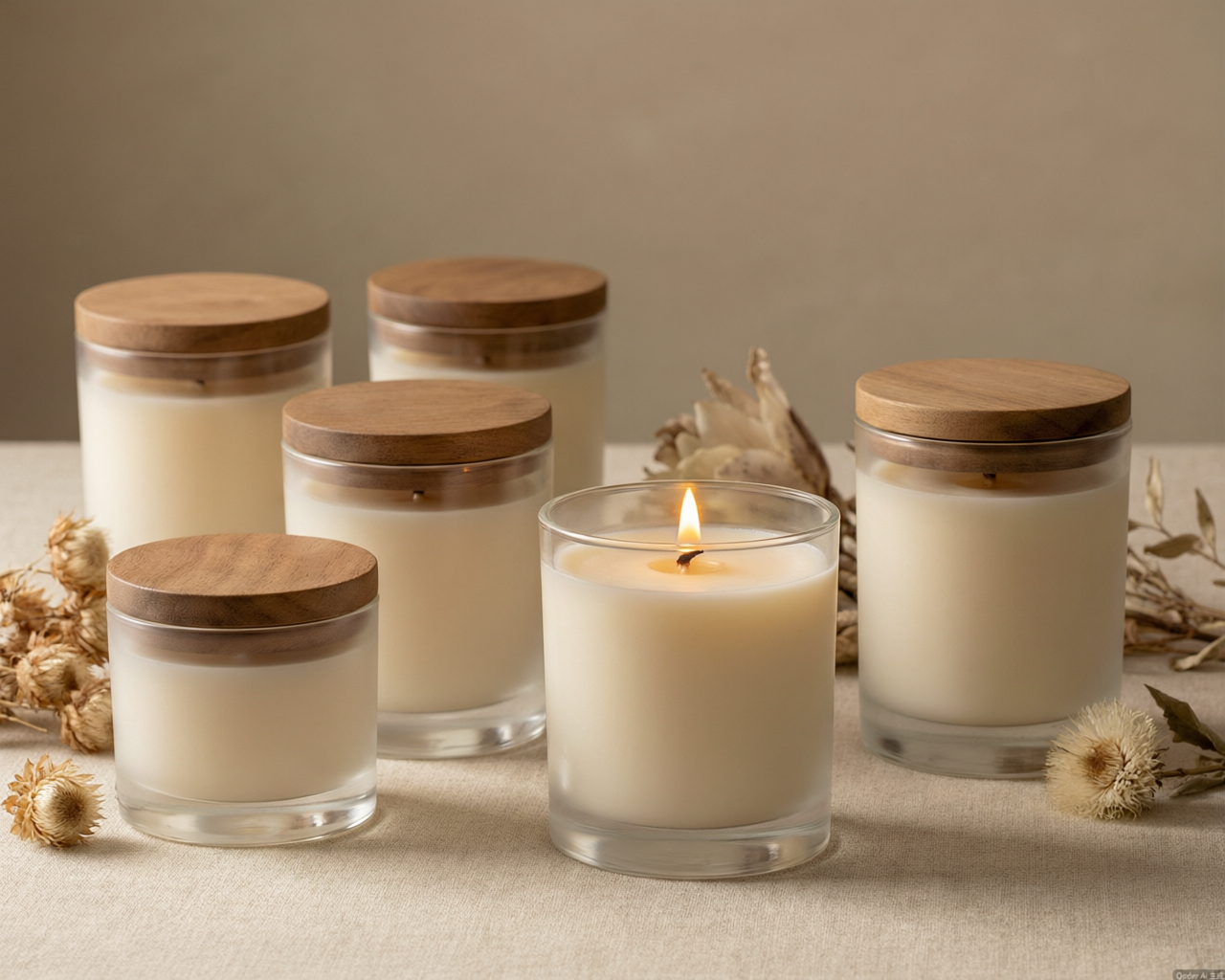
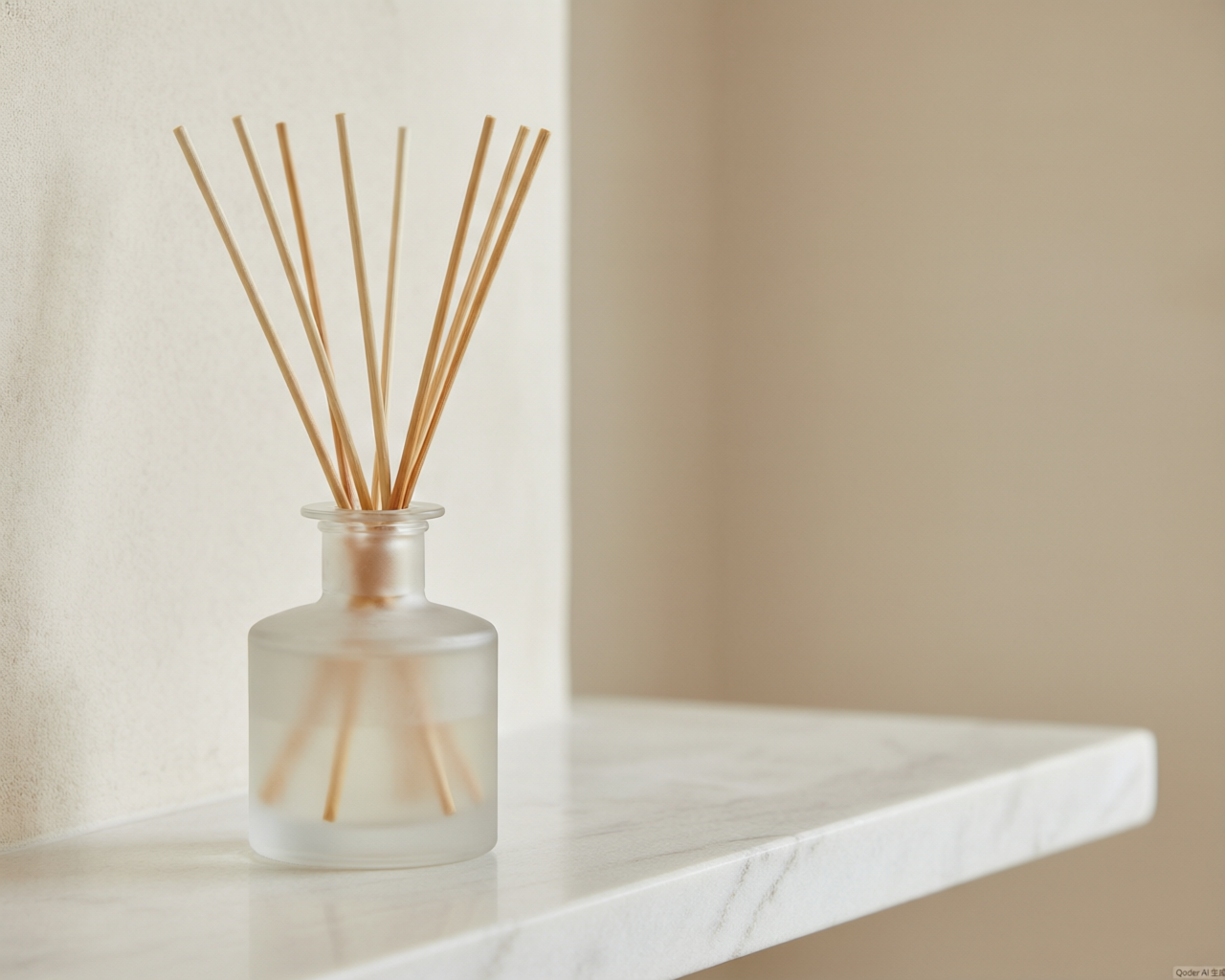
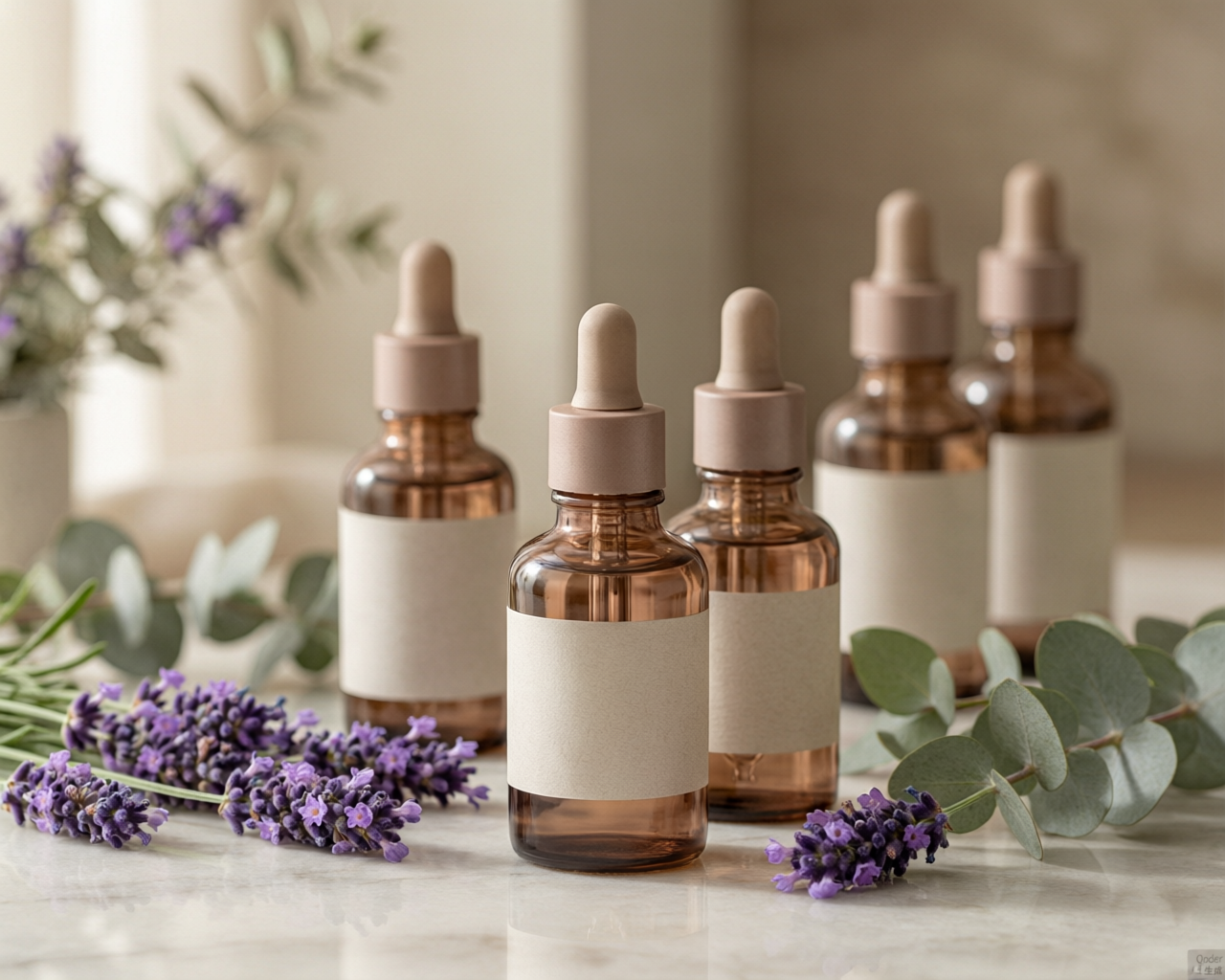
If you are evaluating a fragrance brand collaboration or preparing to launch a licensed home fragrance line, the manufacturing partner you choose determines whether the deal generates margin or generates headaches. Aromiso supports licensing and co-branding programs across reed diffusers, scented candles, essential oils, car fragrances, and commercial diffusers — with dedicated IP protection protocols, GC-MS batch verification, and export compliance built into every production run.
Start by reviewing our product catalog to identify the formats that fit your collaboration concept. If you need custom formulation or private-label production under a licensed brand, explore our OEM program for capability details and MOQ structures. When you are ready to discuss terms, timelines, and pricing for your specific deal, request a quote and our partnerships team will respond within 2 business days with a tailored proposal.