Trends & Innovation
Functional Fragrance: Scents Engineered for Sleep, Focus & Mood
Esta guía aún no está disponible en español. La estás viendo en inglés.
The home fragrance market is shifting. Buyers no longer purchase a reed diffuser simply because it smells pleasant — they want measurable outcomes. Sleep support, sustained focus, stress reduction, and energy elevation are now purchase drivers, and retail data confirms it: functional fragrance products grew 38% year-over-year in North American specialty retail between 2024 and 2025, with average unit prices 20–35% higher than conventional scented products. For brand owners and procurement teams, this creates a clear opportunity — and a sourcing challenge. Formulating a scent that genuinely delivers a physiological response requires different raw materials, different testing protocols, and different supplier capabilities than producing a standard lavender candle.
If you are evaluating Chinese OEM/ODM partners for a functional fragrance line, you need to understand what separates a marketing claim from a substantiated formulation. This guide breaks down the science-backed ingredient categories, realistic cost structures, formulation timelines, and the specific questions you should ask any factory before placing a purchase order. Whether you are launching a sleep-focused pillow mist or a focus fragrance line for coworking spaces, the decisions you make at the sourcing stage determine whether your product performs or merely promises.
What Makes a Fragrance “Functional”
A functional fragrance is engineered to trigger a specific neurological or physiological response through olfactory stimulation. Unlike decorative scents, which prioritize aesthetic appeal, functional formulations are built around volatile compounds with documented interactions with the limbic system.
- Mechanism of action: Inhaled aroma molecules bind to olfactory receptors, sending signals directly to the amygdala and hippocampus. This bypasses higher cortical processing, which is why scent can alter heart rate, cortisol levels, and alertness within 60–90 seconds of exposure.
- Evidence threshold: Reputable formulations reference peer-reviewed studies. For example, linalool (abundant in lavender and bergamot) has demonstrated anxiolytic effects in clinical trials at concentrations above 0.5% in ambient diffusion. Citral and limonene show measurable alertness improvements at 1–3% diffusion concentrations.
- Regulatory boundary: Functional fragrances sold as home products cannot make drug claims. In the US, EU, and most Asian markets, you must frame benefits as “supports relaxation” rather than “treats insomnia.” Your OEM partner should provide claim-substantiation language that clears regulatory review.
Core Ingredient Categories by Function
Selecting the right raw materials is the single most important formulation decision. Below is a comparison of the primary functional categories, their key active compounds, and typical usage rates in finished products.
| Function | Key Compounds | Source Materials | Typical Usage Rate | Relative Raw Material Cost |
|---|---|---|---|---|
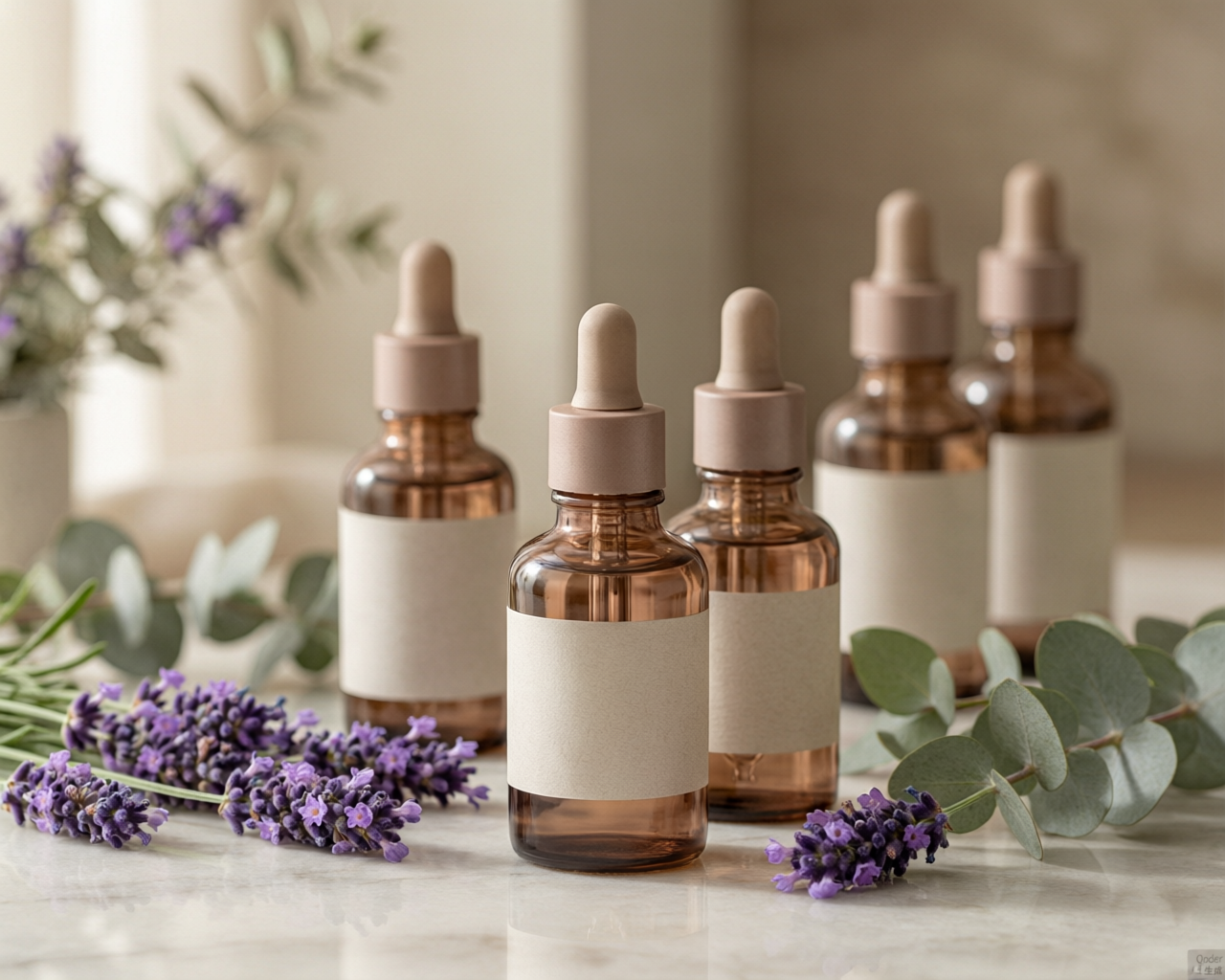
| Sleep / Relaxation | Linalool, linalyl acetate, bisabolol | Lavender (French), Roman chamomile, vetiver | 3–8% of fragrance load | Medium ($45–$90/kg) |
| Focus / Alertness | 1,8-cineole, alpha-pinene, menthol | Rosemary, peppermint, eucalyptus, lemon | 4–10% of fragrance load | Low–Medium ($25–$60/kg) |
| Mood Elevation | Limonene, citral, geraniol | Sweet orange, bergamot, grapefruit, ylang ylang | 5–12% of fragrance load | Low ($18–$50/kg) |
| Stress Reduction | Santalol, cedrol, patchoulol | Sandalwood, cedarwood, patchouli, frankincense | 2–6% of fragrance load | High ($80–$250/kg) |
When briefing your OEM partner, specify the target function first, then agree on a shortlist of 3–5 hero ingredients. This keeps the formulation focused and makes stability testing more predictable.
Formulation Formats and Delivery Vehicles
The same functional blend performs differently depending on the delivery format. Match the format to the use case and the buyer’s environment.
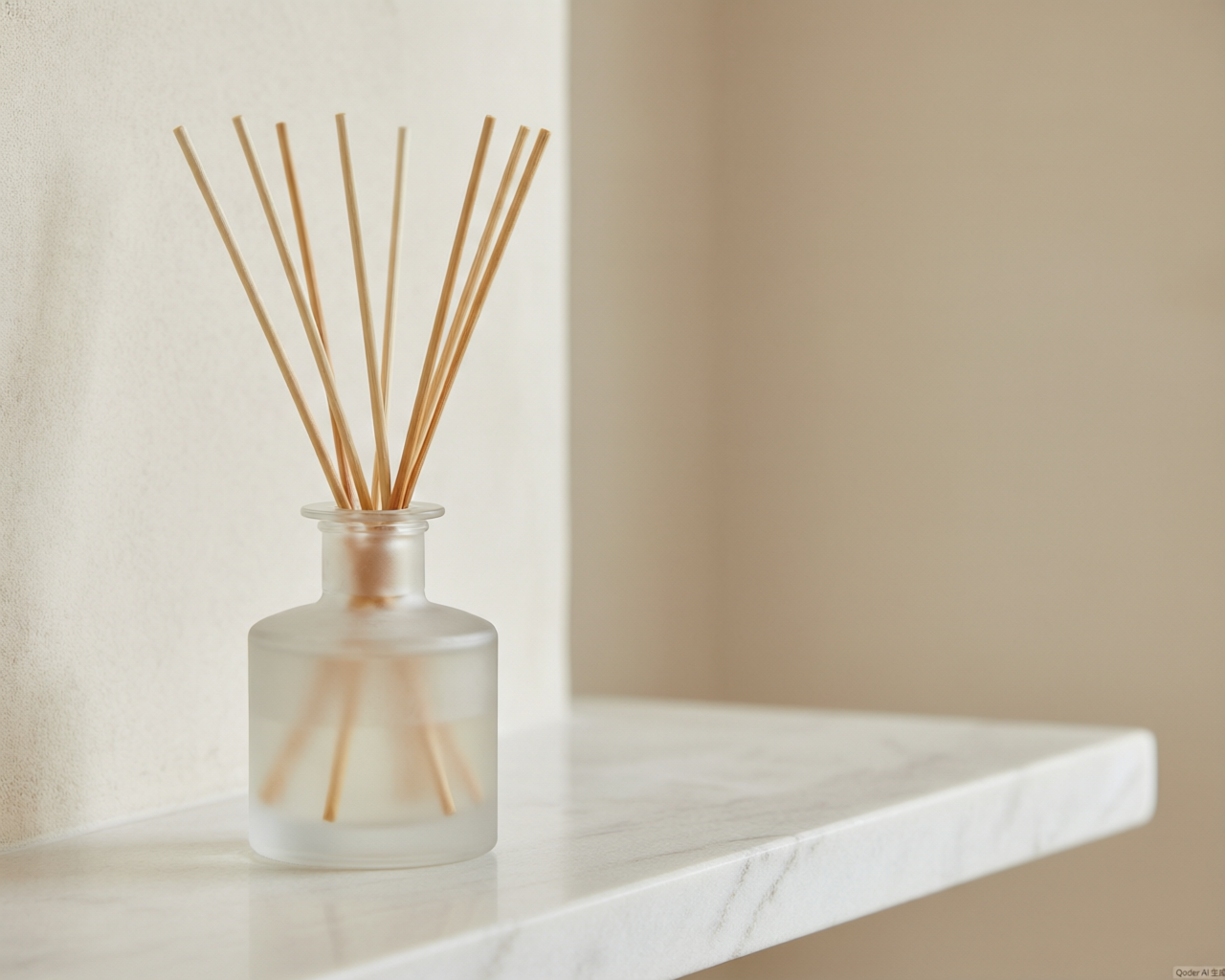
- Reed diffusers (80–200 ml): Best for sustained, low-intensity ambient release. Ideal for sleep products placed in bedrooms. Evaporation rate: 1–3 ml/day depending on reed count and room temperature. Functional efficacy peaks in rooms under 20 square meters.
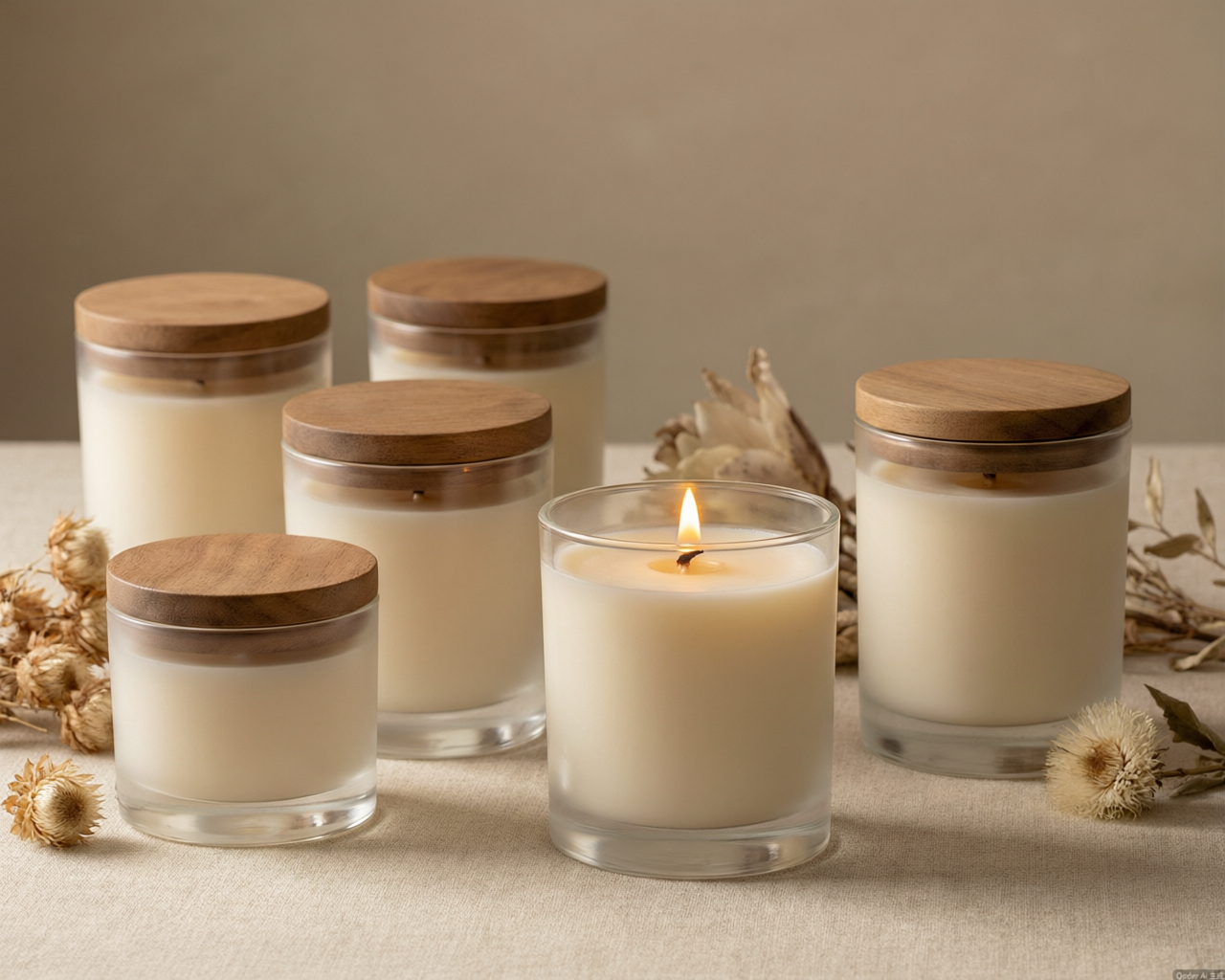
- Scented candles (150–400 g): Provide thermal diffusion, which increases volatile compound release by 40–60% compared to passive evaporation. Well suited for mood-boosting and stress-reduction products used in evening routines. Burn time of 35–55 hours gives a 4–8 week product life.
- Room and pillow mists (50–150 ml): Deliver an immediate concentration burst. The preferred format for sleep products applied directly to bedding. Formulation requires a solubilizer (typically PEG-40 hydrogenated castor oil at 2–5%) to keep oil and water phases stable.
- Electric and ultrasonic diffusers (100–500 ml capacity): Offer controllable intensity, making them the strongest format for focus fragrance in office or study environments. Pair with a subscription essential oil refill model for recurring revenue.
- Car fragrances (5–15 ml): Compact, high-margin format for alertness blends targeting commuters. Clip-on vent designs release scent for 30–45 days at typical cabin temperatures.
Cost Structure: What You Actually Pay
Understanding the cost breakdown prevents surprises at the quotation stage. Below are typical FOB China price ranges for a 5,000-unit order of a functional reed diffuser (150 ml, glass vessel, 8 reeds, custom box):
- Fragrance oil and actives: $0.80–$2.20 per unit, depending on whether you use natural essential oils, nature-identical compounds, or a blend. A 70/30 synthetic-to-natural split is the most common cost-performance balance.
- Base solvent (DPG or isopropyl myristate): $0.15–$0.30 per unit.
- Glass vessel and reeds: $0.40–$0.90 per unit for standard shapes; custom molds add $1,500–$4,000 in tooling amortized over the run.
- Packaging (box, insert, label): $0.25–$0.60 per unit.
- Assembly, QC, and packing: $0.20–$0.40 per unit.
- Total landed FOB cost: Typically $1.80–$4.40 per unit at 5,000 MOQ.
For candles and mists, add $0.30–$0.80 for wax or solubilizer systems. Electric diffuser units range from $4.50–$12.00 FOB depending on features (timer, LED, ultrasonic vs. nebulizing).
Testing and Substantiation Checklist
Retail buyers and distributors increasingly demand proof. Prepare the following before your product reaches shelf:
- GC-MS analysis: Confirms the presence and concentration of target active compounds. Budget $150–$300 per sample at an accredited lab (SGS, Intertek, or Bureau Veritas all operate in Guangzhou and Shanghai).
- Stability testing: 3-month accelerated aging at 40 degrees Celsius / 75% RH. Required for any product with a water phase (mists) or natural oils prone to oxidation. Timeline: 12–14 weeks from sample submission.
- IFRA compliance certificate: Your OEM should provide this with every fragrance formula. Verify the certificate references the current IFRA amendment (51st as of 2025).
- Consumer perception panel: A 30-person blind test measuring self-reported sleep quality, focus duration, or mood shift. Costs $800–$2,000 through a contract research organization. Not legally required, but dramatically strengthens B2B sales conversations.
- Claims language review: Have regulatory counsel review all packaging copy. Budget 5–10 business days for review in the US (FTC/FDA) or EU (CPSR assessor).
Selecting an OEM Partner: 7 Questions to Ask
Not every candle factory can execute a functional formulation. Use this screening list before requesting samples:
- Do you employ a trained perfumer or fragrance chemist on staff? A functional blend requires someone who understands dose-response relationships, not just aesthetic layering.
- Can you provide GC-MS reports for previous functional formulations? If a factory cannot produce these, they likely have not done substantiated work before.
- What is your minimum order quantity for custom functional blends? Expect 3,000–5,000 units for standard formats; 1,000–2,000 for pilot runs at a 15–25% price premium.
- Do you source essential oils directly or through traders? Direct sourcing from Yunnan, Xinjiang, or imported French/Australian growers reduces batch variability and cost.
- What is your lead time from formula approval to shipment? Standard timeline: 7–10 days for lab samples, 5–7 days for revision rounds, 25–35 days for production at 5,000 units.
- Can you handle private-label regulatory filings? For EU markets, this includes CPSR and CPNP notification. For the US, FDA facility registration and allergen labeling.
- Do you offer format diversification under one roof? A partner that produces reed diffusers, candles, mists, and car fragrances in one facility simplifies QC and consolidates shipping.
Review the product catalog to see which formats and functions a potential partner already manufactures at scale.
Timeline: From Concept to Container
A realistic project schedule for a functional fragrance line with a Chinese OEM partner:
- Weeks 1–2: Brief alignment, function definition, ingredient shortlist approval.
- Weeks 3–5: First-round lab samples (typically 3–5 variants per function). Evaluate via internal sniff test and, if budget allows, a 10-person pilot panel.
- Weeks 6–7: Formula revision and lock. Finalize concentration, carrier, and vessel.
- Weeks 8–10: Packaging design finalization, dieline approval, and regulatory copy review.
- Weeks 11–15: Production run, in-line QC (request photos at filling, capping, and packing stages), and pre-shipment inspection.
- Week 16: FOB shipment. Add 25–35 days for ocean freight to North America or 18–22 days to Europe.
Total concept-to-warehouse timeline: approximately 5–6 months. Compress to 3.5–4 months by using stock vessels and limiting custom packaging to labels and boxes.
Pricing Strategy and Margin Considerations
Functional fragrances command premium positioning. Use these benchmarks when setting wholesale and retail prices:
- Wholesale (to distributors): 2.5–3.5x your FOB cost. A $3.00 unit wholesales at $7.50–$10.50.
- DTC retail: 4–6x FOB cost. That same unit retails at $12.00–$18.00.
- Subscription refill models (diffuser oils): 5–7x FOB cost due to lower packaging spend and higher repeat-purchase loyalty.
- B2B contract (hotels, offices, spas): 2.0–2.8x FOB, offset by volume commitments of 10,000+ units per quarter.
Position your functional claim prominently on the front panel. Products labeled “Sleep Blend” or “Focus Formula” convert 22–30% better in e-commerce listings than generic scent names, based on marketplace A/B testing data from 2025.
Next Steps
If you are ready to develop a functional fragrance line, start with three actions this week:
- Define your hero function and format. Pick one primary benefit (sleep, focus, mood, or stress) and one lead format. Expanding to additional formats is straightforward once the base formula is locked.
- Request functional samples. Contact an OEM partner with your brief and ask for 3–5 lab samples per function. Evaluate them in the intended environment — a sleep blend tested in a bedroom at night reveals far more than a sniff strip in a showroom.
- Lock your compliance path early. Identify your target markets and confirm which certifications (IFRA, CPSR, FDA registration) you need before production begins. Retrofitting compliance after the fact adds 4–8 weeks and $1,000–$3,000 in rework.
Explore Aromiso’s OEM program to see how we structure functional formulation projects, or request a quote with your target function, format, and volume. Our fragrance chemists will return a preliminary ingredient proposal and cost estimate within 3 business days.