Product Knowledge
Oud and Amber: The Growing Western Demand for Oriental Fragrances
Este artículo aún no está disponible en español. Lo estás viendo en inglés.
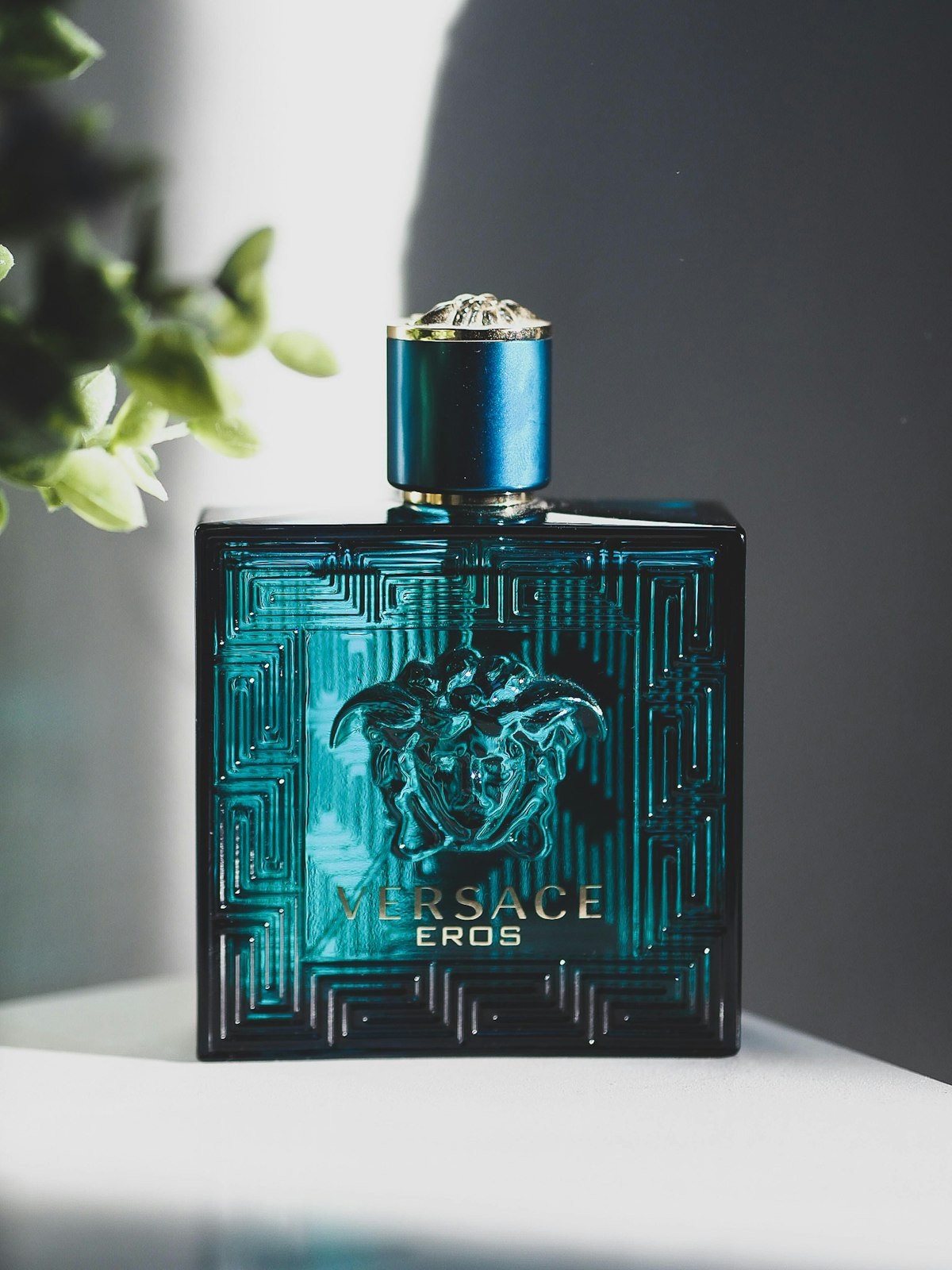
Oud and amber fragrances, once almost exclusively a Middle Eastern and South Asian category, have become one of the most reliable growth segments in Western perfumery. What began with a handful of niche launches in the early 2010s is now a mainstream pillar of prestige and premium fragrance. For manufacturers and private-label buyers, this shift creates specific opportunities in formulation, sourcing, and positioning.
Market Growth and Demand Signals
The global oud fragrance market is estimated at USD 1.5-2.5 billion in 2024, with projections reaching USD 4-6 billion by 2030 at a CAGR of 9-12%. The broader “oriental” or “amber” family, which includes oud-based scents, accounts for roughly 20-25% of prestige launches in Western markets, up from under 10% in 2010.
Several signals confirm the trend:
- Prestige launches. Major houses now maintain permanent oud or amber lines, not just limited editions.
- Search and social data. “Oud perfume” search volume in the US and UK has roughly tripled since 2018.
- Retail shelf space. Dedicated oriental sections have expanded in department stores and specialty perfumeries.
- Middle Eastern brand internationalization. Houses from the UAE, Saudi Arabia, and Qatar now distribute across Europe and North America, normalizing richer scent profiles.
The customer base has also broadened. Oud is no longer positioned exclusively as masculine or evening wear; unisex and feminine oud-rose, oud-vanilla, and oud-amber combinations are now standard.
The Natural Oud Supply Problem
Natural oud (agarwood oil) is one of the most expensive raw materials in perfumery. Prices for cultivated Aquilaria oil range from USD 30,000 to USD 80,000 per kg, with wild-harvested oils exceeding USD 100,000 per kg. Several factors limit supply:
- Aquilaria trees take 8-20 years to produce resinous heartwood.
- Wild Aquilaria species are CITES Appendix II listed, restricting international trade.
- Production is concentrated in Vietnam, Cambodia, Thailand, Malaysia, and India.
- Quality varies dramatically by region, harvest method, and distillation.
As a result, fewer than 1% of Western “oud” fragrances contain meaningful quantities of natural oud oil. Most use it as a trace component for label claims, or not at all.
Synthetic Oud Alternatives
The commercial oud category is built on synthetic bases. Common materials include:
- Oud synthetic bases built around cashmeran, Iso E Super, guaiacwood derivatives, and labdanum.
- Agarwood CO2 extracts and fractions that capture specific facets at lower cost than full oil.
- Biotech-derived agarwood aromachemicals produced by fermentation, an emerging category.
- Cypriol (nutgrass) oil, which provides a woody-leathery oud facet at USD 80-200 per kg.
A well-built synthetic oud base costs USD 50-200 per kg, versus USD 30,000+ for natural oil. At EDP concentration, that translates to a few cents of oud cost per bottle, which is why oud fragrances can retail at USD 80-200 without exotic raw material budgets.
Buyers should ask suppliers to disclose whether a formula contains any natural oud, the percentage, and the origin, because label claims (“with real oud”) have regulatory implications in the EU, UK, and US.
Blending Oud for Western Palates
Western consumers generally prefer softer, sweeter, and less animalic oud profiles than traditional Middle Eastern blends. Practical blending guidance:
- Soften the animalic facet. Reduce or remove natural civet, castoreum, and heavily fermented oud fractions. Use clean musks (Galaxolide, Habanolide, Ambrettolide) instead.
- Add sweetness. Vanilla, tonka, praline, and amber notes make oud approachable. Ethyl maltol at 0.5-2% of the concentrate is a common tool.
- Pair with rose. Oud-rose is the most commercially successful combination in Western markets, with rose providing freshness and oud providing depth.
- Lighten with citrus or saffron top notes. Bergamot, pink pepper, and saffron (or saffron substitutes like safranal) create an inviting opening.
- Control dosage. Western oud fragrances typically use 5-15% oud base in the concentrate, versus 30-60% in traditional Middle Eastern formulas.
A typical Western oud-amber EDP concentrate might contain 30% synthetic woody-amber materials, 10% oud base, 15% vanilla-amber accord, 15% rose-floral heart, 10% musks, 10% citrus and spice top notes, and 10% supporting materials.
Amber as the Companion Category
Amber fragrances, built on labdanum, vanilla, benzoin, tonka, and synthetic amber molecules (Ambroxan, Ambermax, Ambrocenide), are growing alongside oud. Amber is technically easier to formulate, more cost-efficient, and broadly appealing. Many brands launch an amber pillar first, then add an oud variant once the line is established.
Amber concentrate costs typically run USD 25-60 per kg, making it one of the most margin-friendly categories in prestige perfumery.
Sourcing Recommendations
For buyers developing oud or amber lines:
- Specify whether natural oud is required and at what percentage.
- Request a synthetic oud base sample alongside any natural option for cost comparison.
- Confirm CITES documentation if any natural agarwood is used.
- Test the formula on Western consumer panels if the target market is North America or Europe.
- Plan a 2-3 SKU launch (amber, oud-amber, oud-rose) rather than a single SKU, to anchor the line.
At Aromiso, our oriental program covers fully synthetic oud-amber bases, trace-natural-oud options for label claims, and CITES-documented natural oud for premium positioning, with blending guidance calibrated to Western retail expectations.